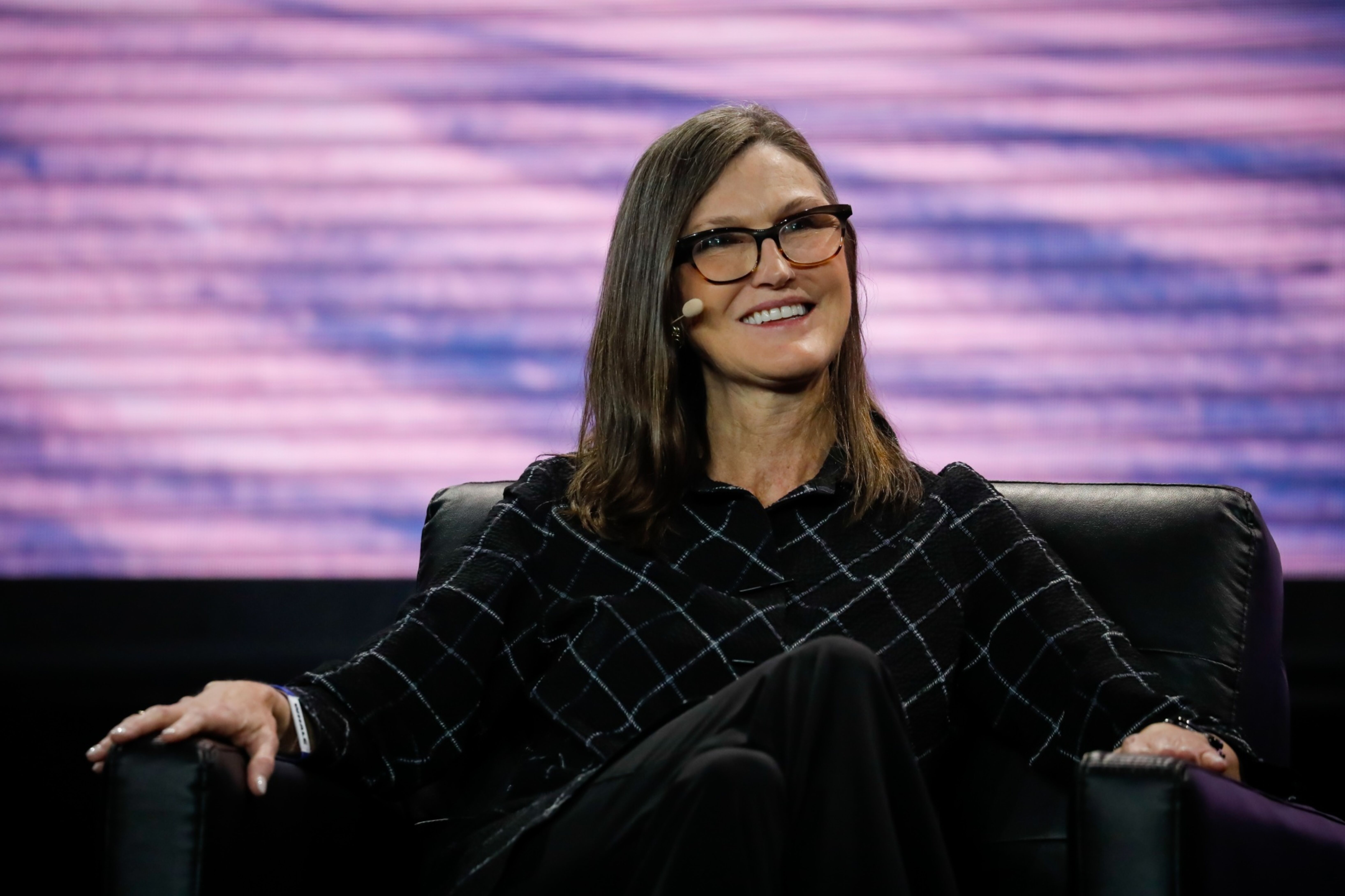
Cathie Wood’s ARK Investment Management says it’s first in line to get potential approval for a spot-Bitcoin ETF, despite industry reasoning positing that BlackRock Inc. might be ahead in the race should any product receive regulatory assent.
For people looking on anxiously as stock wealth converges in an oligarchy of high-tech juggernauts, some perspective: It’s nothing new.
Why is the US housing market not crashing? Interest rates are up, which means more expensive mortgages, which should push down demand. House prices are already falling in other countries, by nearly 9% in Canada and 16% in New Zealand.
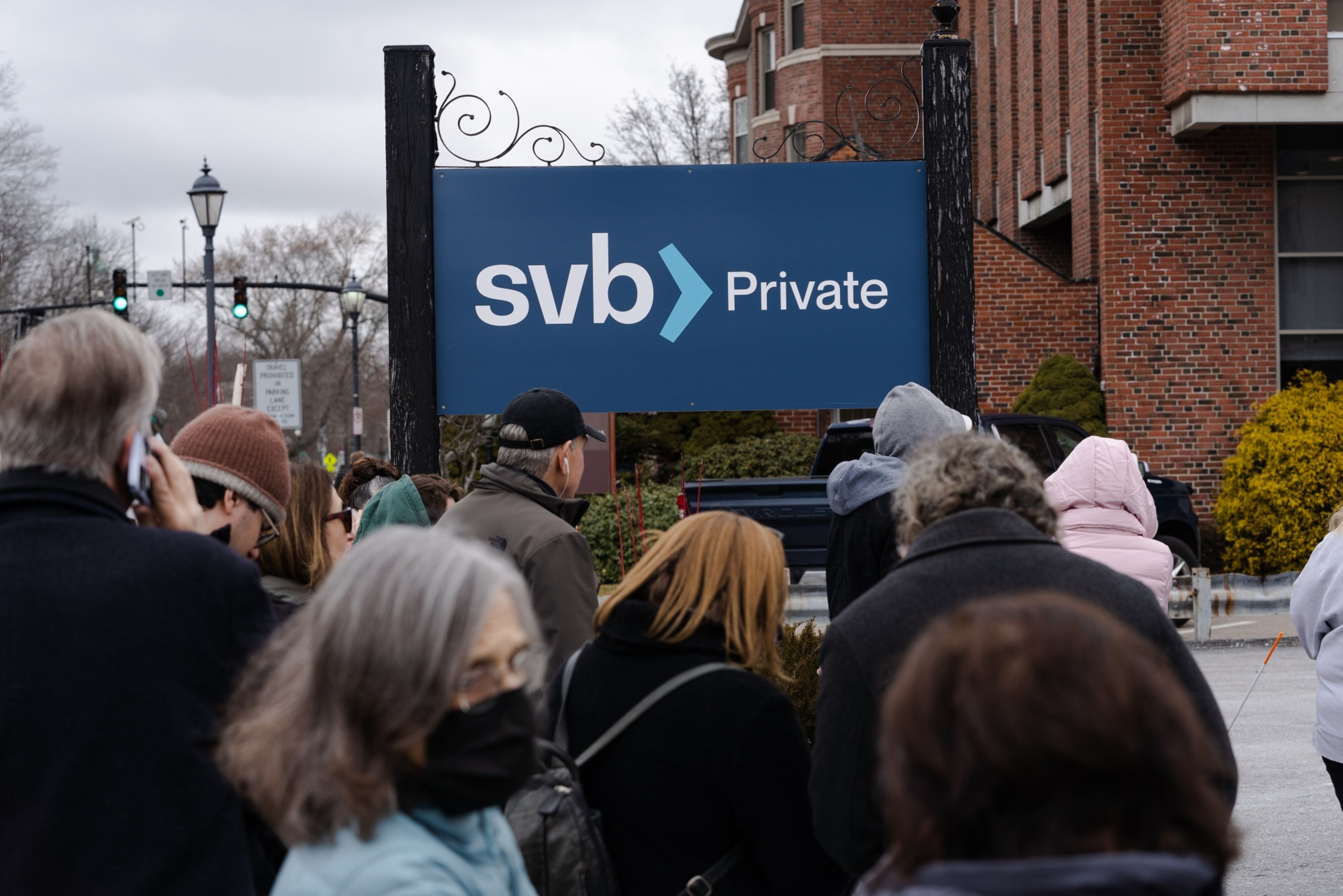
Normally, a consensus between Democrats and Republicans in Washington is a heartening sign. Not so when it comes to populist interventions in the banking system.
There are more ER visits in the summer than in any other season.
The mutiny by caterer Yevgeny Prigozhin’s Wagner mercenary army ended on Saturday before it really began.
When Saudi Arabia needs to quickly convince the oil market that supply is tightening, putting upward pressure on prices, nothing beats reducing its crude exports into the US.
When you travel abroad, get travel insurance. I needed to use mine on three international trips this year.
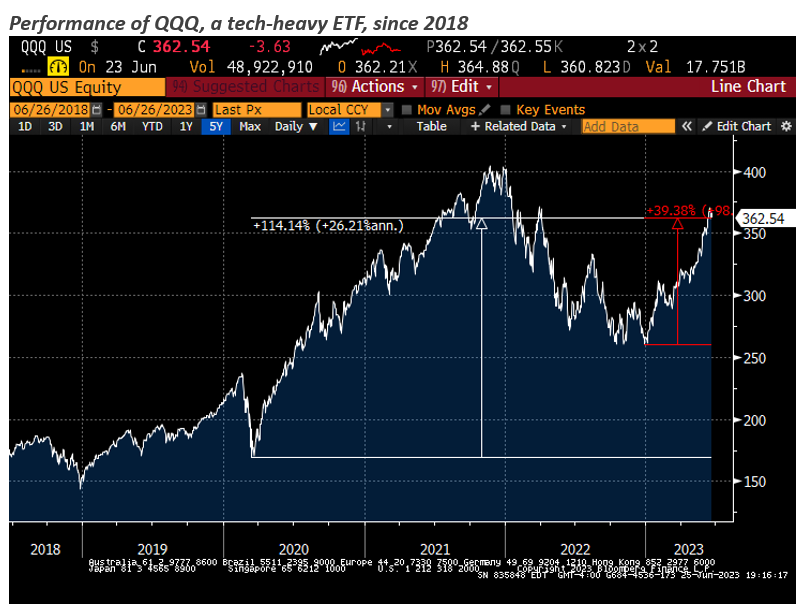
Tech stocks are not in a bubble for two reasons. Not all stock price booms result in busts, and fundamentals and valuations do not suggest a tech bust is imminent.
To help advisors and investors get started, below are some key questions and answers about carbon pricing that might help the broader investment community learn more about carbon pricing and its potential impact on portfolios as the world aims to create a greener and more sustainable future.
Few financial topics grab more media attention than money managers who make gobs of money while everyone else suffers. Scott Patterson’s The Chaos Kings centers on two colorful participants who regularly do just that, Nassim Taleb and Mark Spitznagel.
Russian President Vladimir Putin is damaged goods. He may have survived this weekend’s mutiny by Yevgeny Prigozhin and his Wagner Group of mercenaries. In reacting as he did, though, Putin not only made himself even weaker but planted the idea of his impotence in the minds of Russians and the world.
Many economists have been forecasting a recession for 2023 due to tightening monetary policy. But that recession has not arrived yet.
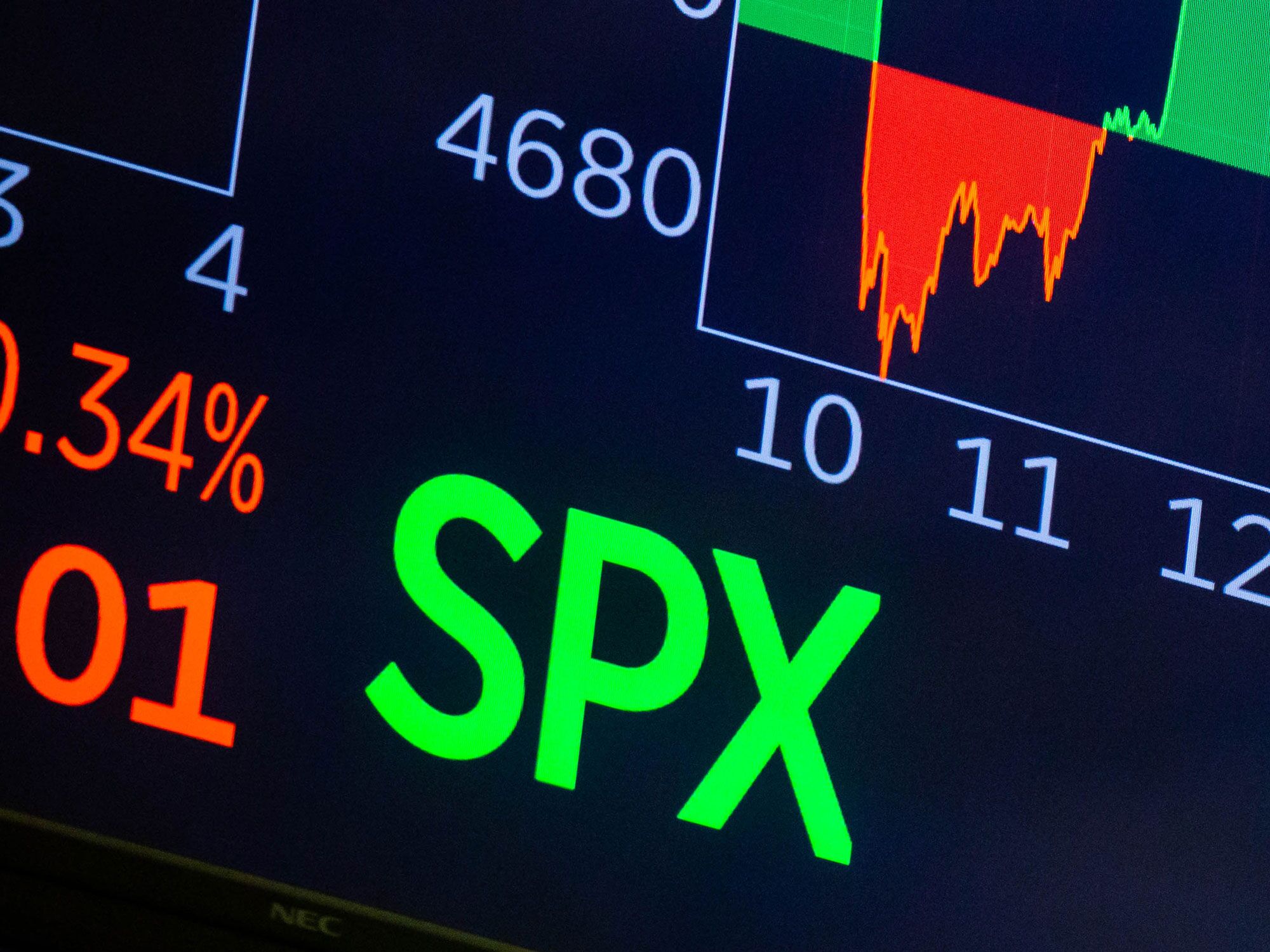
As a dizzying first half for US stocks draws to a close, the Nasdaq 100 Index is poised for its best opening six months to a year ever, and Wall Street is growing concerned that the Federal Reserve will derail the rally.
Few stocks have better embodied Wall Street’s frenzy around artificial intelligence lately than Palantir Technologies Inc.
The barrage of fresh Treasury bills poised to hit the market over the next few months is merely a prelude to what’s yet to come: a wave of longer-term debt sales that are seen driving bond yields even higher.
Investment-banking deals have a reputation as bloody affairs of rainmakers and traders fighting it out in a kind of full-contact version of musical chairs.
In life as in markets, there will always be macro folks and micro folks, each tending to believe that their approach is better than the other.
The notion that central banks should set an inflation target higher than 2% has longstanding support among many economists, including former chief IMF economist Olivier Blanchard, and has remained persistent even amid efforts to bring inflation down.
Providing value pre-sale (free information about solutions and how you provide them) continues to increase the level of indecisiveness on the part of your prospect.
Politicians of both parties should welcome this trend and build on it — not least, by shifting resources from traditional college pathways and toward work-based alternatives that provide students with real-world skills.
There are early signs of investors fleeing from tech stocks after a 1999-like rally formed a “baby bubble,” according to Bank of America Corp.’s Michael Hartnett.
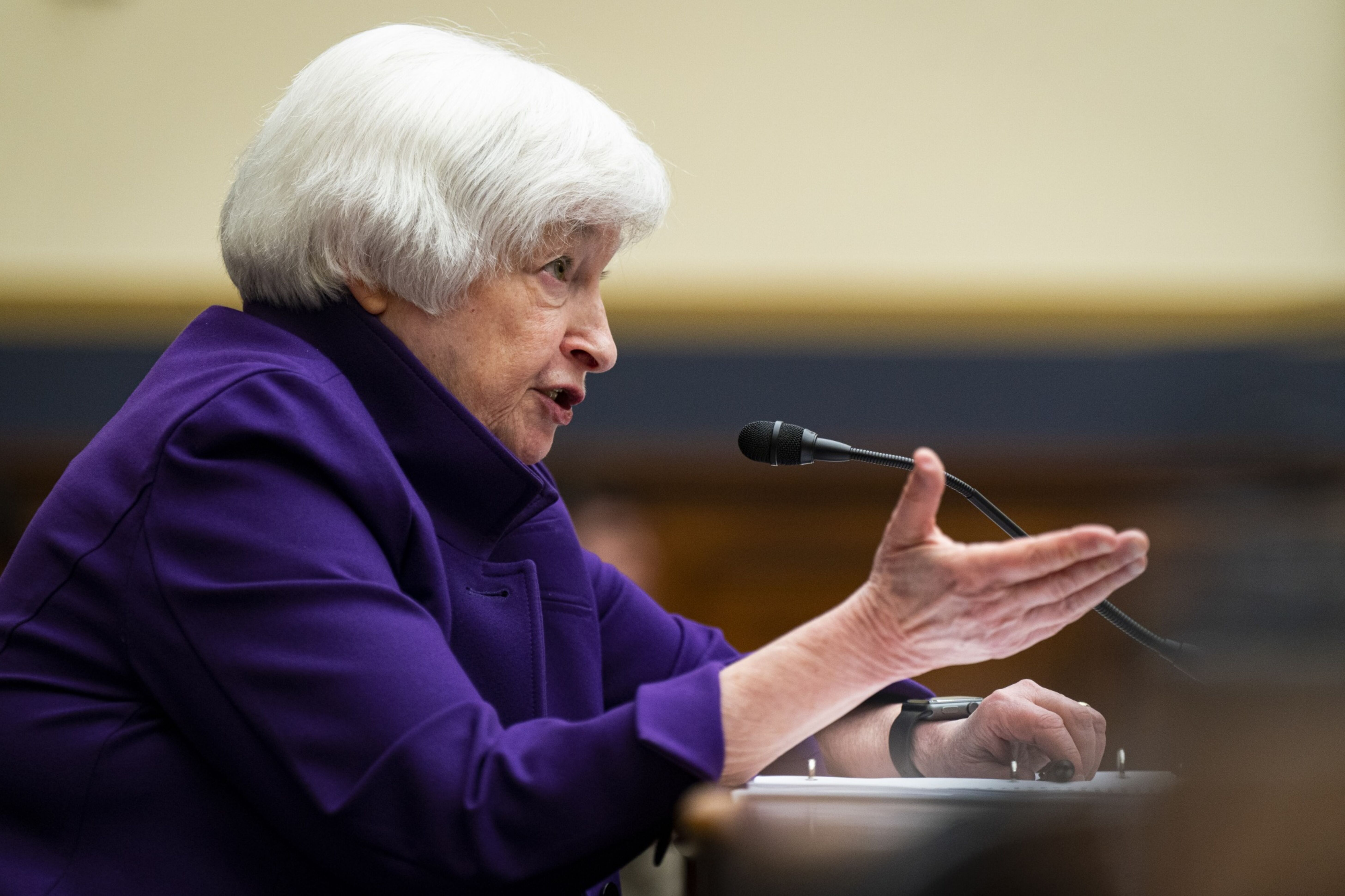
Treasury Secretary Janet Yellen sees diminishing risk for the US to fall into recession and suggested that a slowdown in consumer spending may be the price to pay for finishing the campaign to contain inflation.
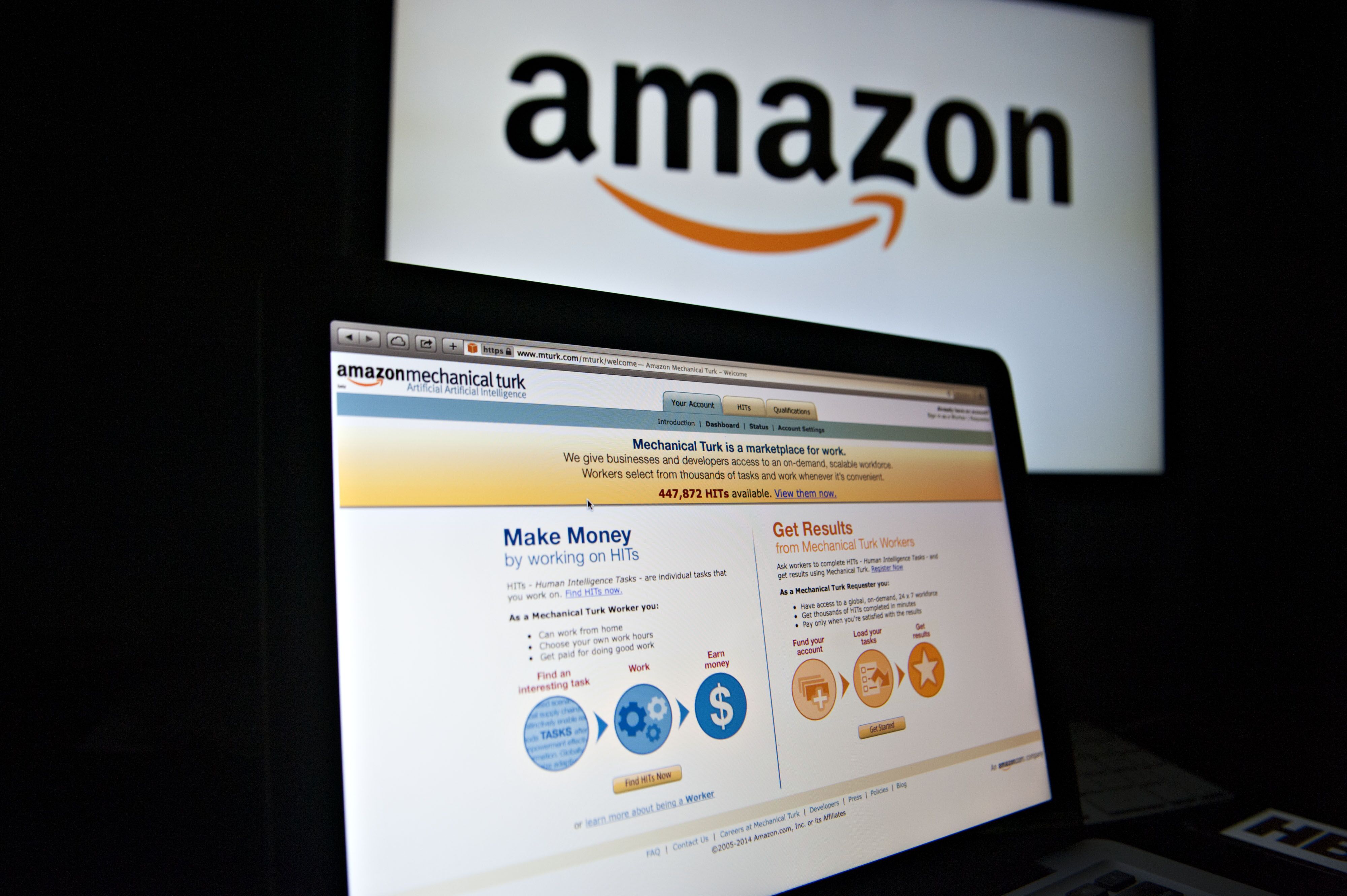
Today, a similar phenomenon goes on behind the scenes in developing artificial intelligence: Humans label much of the data used to train AI models and they often babysit those models in the wild too, meaning our modern-day machinery isn’t as fully automated as we think.
Surging interest rates have made the coupons look meager, the Federal Reserve is shrinking its exposure, and the regional banking crisis left the regulator with about $100 billion of the bonds to sell.
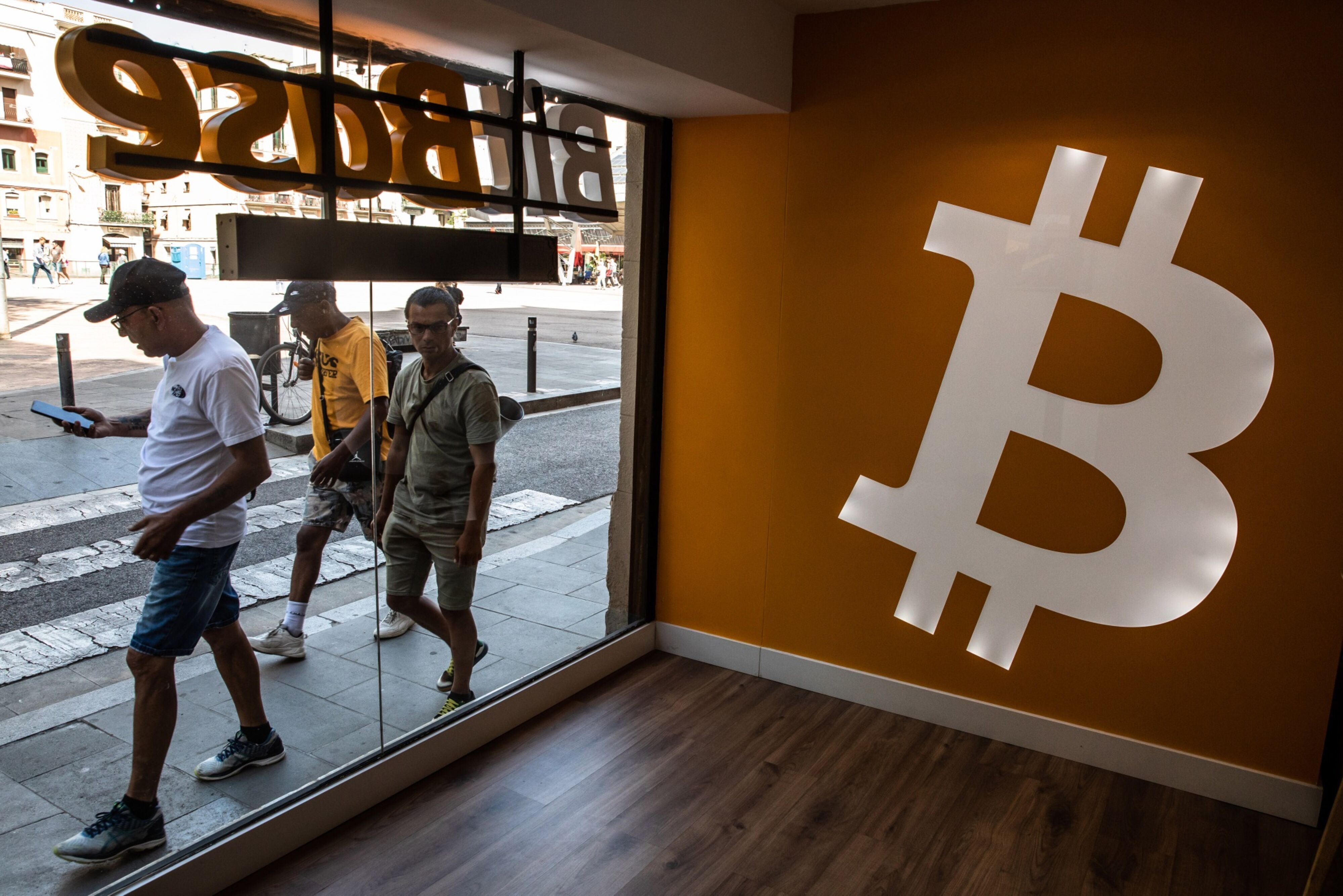
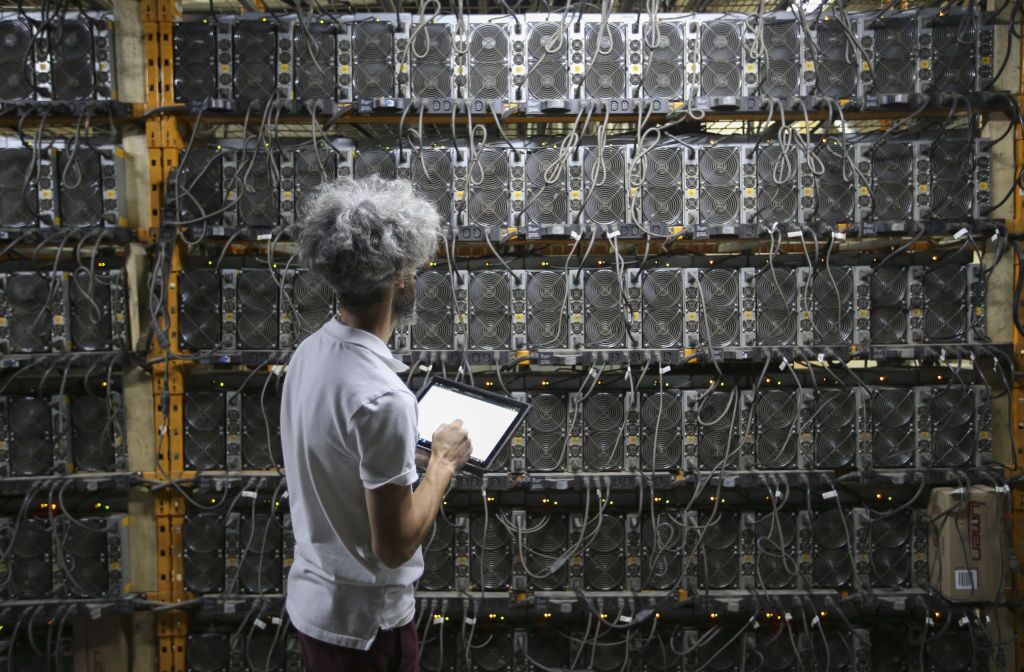
Bitcoin is heading for one of its strongest weeks of the year, buoyed by speculation that proposed exchange-traded funds potentially herald new sources of demand for the largest digital asset.
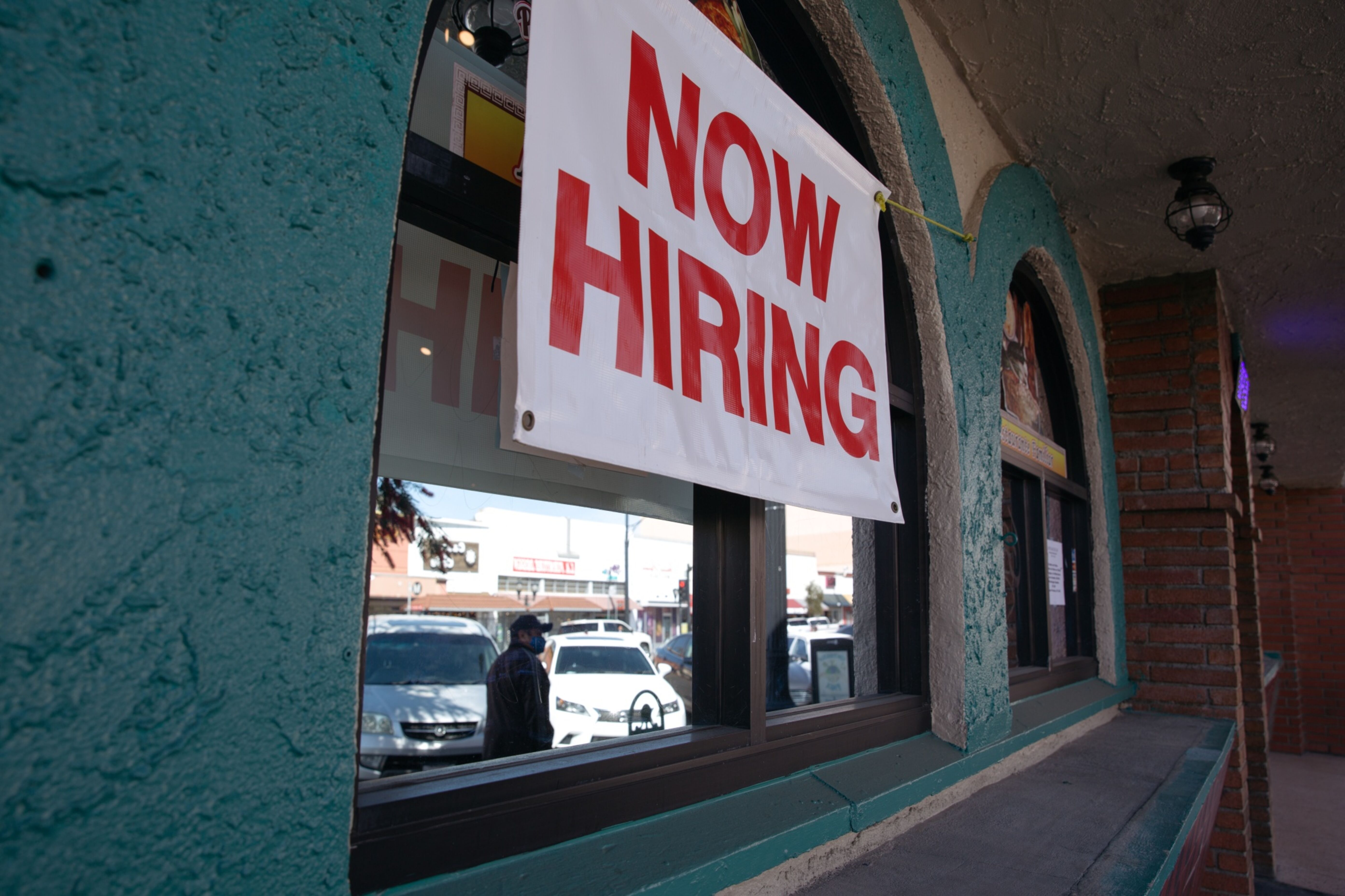
The balance of power in the jobs market is slowly tilting back toward employers as companies become choosier with their hires and workers turn more cautious about quitting.
This week I saw something I haven’t in a while: a brochure from Strutt & Parker advertising a price reduction on a rather charming Notting Hill house. It is now a mere £4,750,000 ($6 million) — down around 6% from its original listing price.
At some point, the world might have too many planes again. But it’s a little early to worry about that too much.
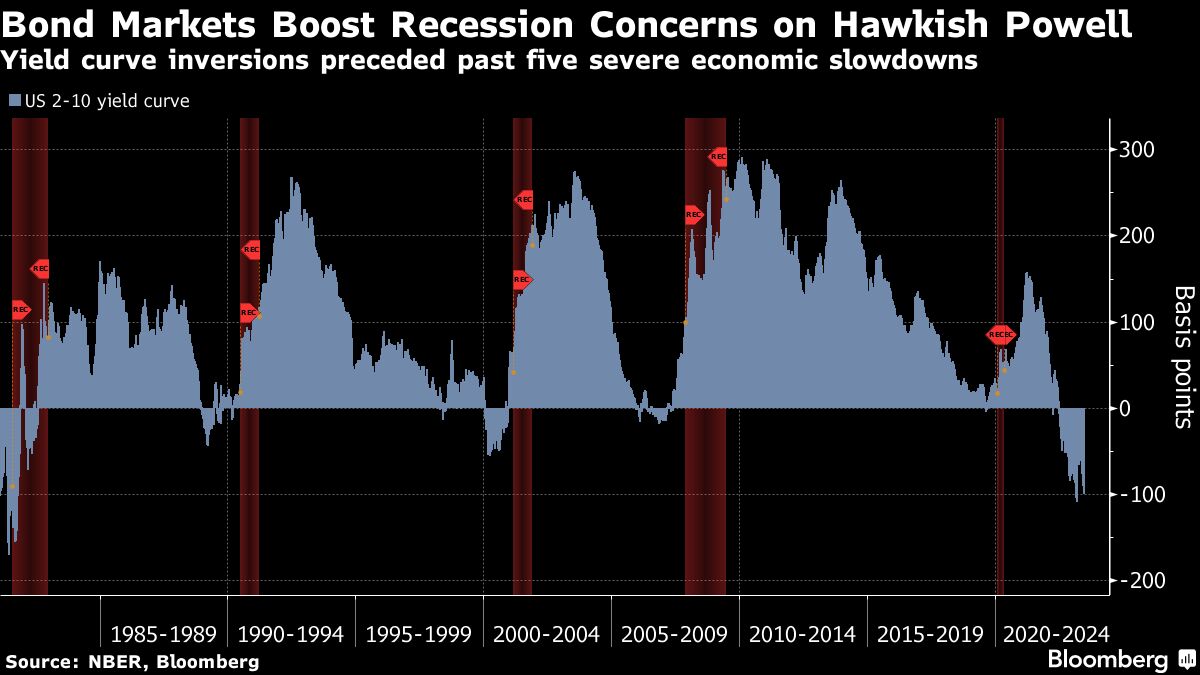
Bond investors’ concern over a potential US recession deepened after Federal Reserve Chair Jerome Powell signaled policymakers may keep pushing interest rates higher.
Amazon.com Inc.’s cloud unit is building a program to help customers develop and deploy new kinds of artificial intelligence products as the biggest seller of cloud services tries to match Microsoft and Google in the market for so-called generative AI.
Central banks have ramped up their hawkish rhetoric this month but for bond bulls, that’s a good thing.
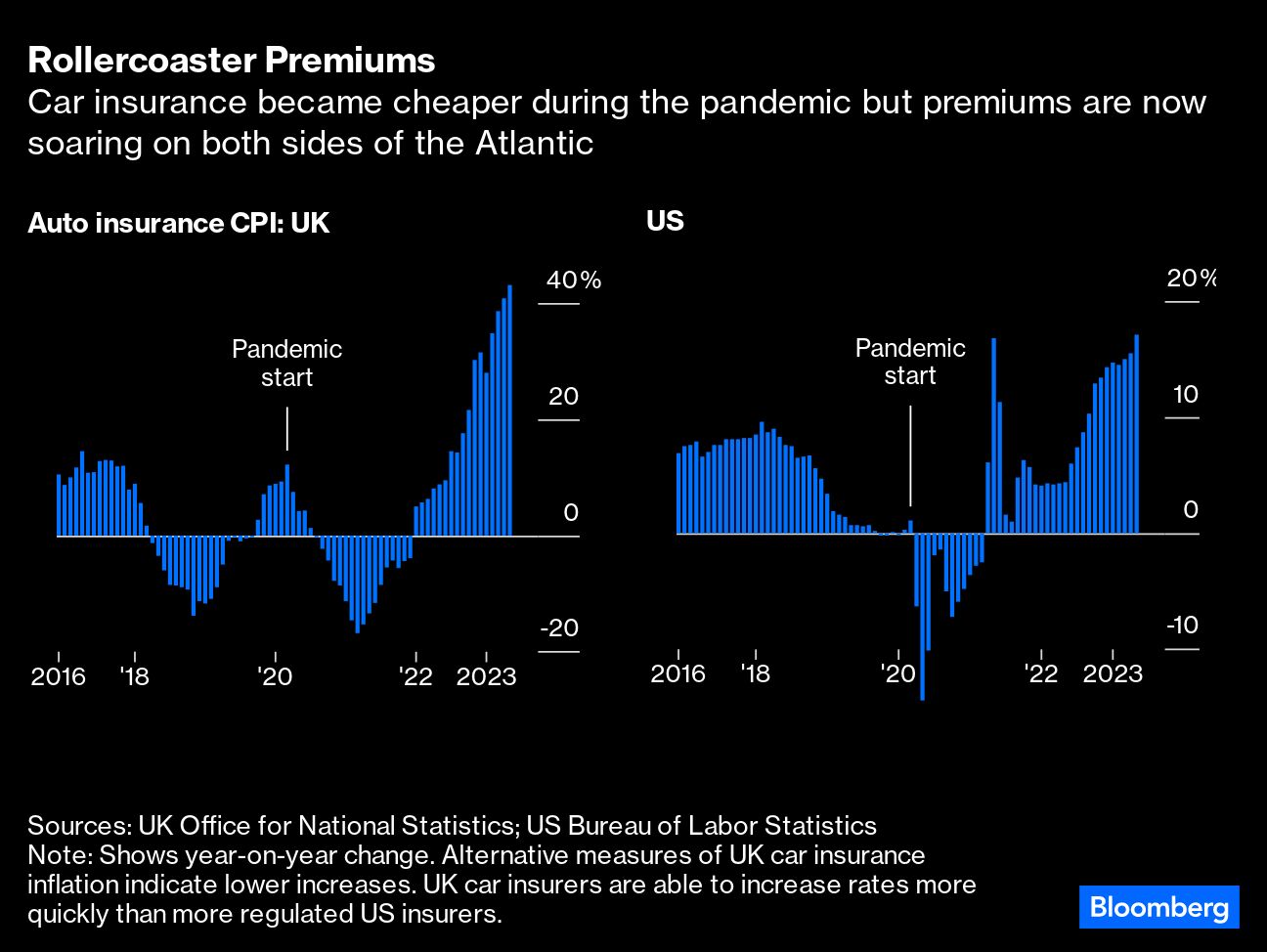
Modern cars are marvelous, except when they need fixing — in which case the bill for even a seemingly minor dent can easily reach four or even five figures. Consumers and fleet owners are being stuck with huge repair bills while auto insurers are hiking premiums.
Imagine an investment with stock-like returns and cash-like stability, or close to it. Many investors believe they have found such a thing. It’s called direct lending, and like countless investments before it that promised big profits with little risk, it’s probably too good to be true.
Amid fears of a recession, the S&P 500 is up more than 14% this year, and AI stocks have risen many times more than that. But the market is not in a bubble, according to Jeremy Siegel.
Regardless, the rental boom that began in the aftermath of the 2008 financial crisis is likely over, having peaked in the middle of 2022.
Sales of previously owned US homes barely rose in May as high mortgage rates continued to crimp demand and discourage owners from listing their properties.
BlackRock Inc.’s surprise filing for a US spot Bitcoin exchange-traded fund last week has led to a flurry of similar applications from rival issuers and speculation that the asset manager has key insights that will lead to approval of its application.
The collapse of crypto exchange FTX in November 2022, capping a “horribilis annus” for big-name, regulated digital currencies, combined with the demo release of ChatGPT the same month, sent venture capital money fleeing from crypto and into AI.
Open up BlackRock Inc.’s annual report and – in case you didn’t know – the company tells you what it does. “BlackRock provides a broad range of investment management and technology services to institutional and retail clients worldwide,” it states.
Bitcoin climbed to $30,000 for the first time since April, buoyed by crypto initiatives involving major players from the traditional financial sector.
Investors have just turned back the clock on the Fed’s tightening campaign and cast aside the Fed fears that ruled them for 15 months.
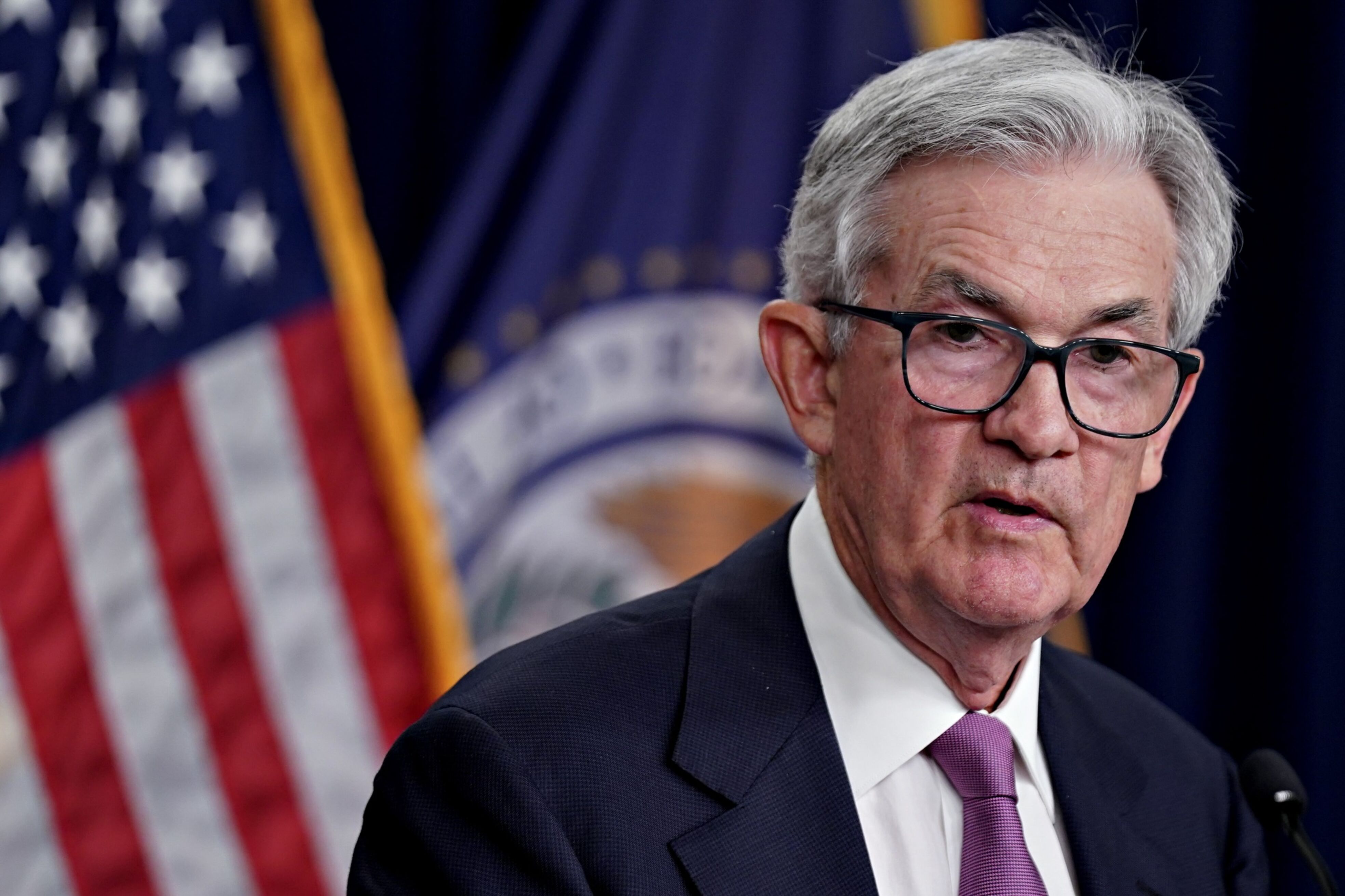
Federal Reserve Chair Jerome Powell said policymakers expect interest rates will need to move higher to reduce US growth and contain price pressures, even though they held rates steady at their meeting last week.
Federal Reserve Chair Jerome Powell is testifying before Congress this week on the state of the US economy and monetary policy, and there will be some tension.
The explosive growth of the gig economy is one of the most important labor-market trends to emerge since the 2008 financial crisis. Companies offering ride-sharing, do-it-yourself property rentals and a host of other services have upended traditional sectors.
Remember Web 3.0? No? Allow ChatGPT to refresh your memory: Web 3.0, according to GPT-4, is “the next frontier in internet technology, characterized by decentralized, user-centric applications that prioritize data privacy and foster seamless, interconnected experiences.”
A few weeks ago, I was asked to speak to the CFA Association of Russia about my most recent book. Here is my reply.
After 20 years and serving over 1,800 clients as an hourly, fee-only financial planner, I’ve concluded that hourly advisors should not give free advice to prospects.
There was nothing but worrisome news in Wednesday’s economic data releases for the UK. And the implications extend beyond Britain in a multifaceted way.
The US money-market industry, one of the big winners on Wall Street as the Federal Reserve hiked interest rates, is getting another lift with more tools at its disposal to attract investors and expand its unprecedented mountain of cash.