No piece of technology is more crucial than the microchip. Its supply was central to the cause of the post-COVID-19 inflation, and the stability of the U.S.-China relationship hinges on its manufacture.
Risk-averse investors seeking defensive systematic strategies to reduce left-tail risk should broaden their search beyond low volatility/low beta.
Investors are planning to ramp up bets in emerging markets, according to the latest Markets Live Pulse survey — a sign the asset class is becoming a favorite for those wary of a US recession.
HNW Americans need to be prepared for every contingency, including Democrats winning a trifecta of POTUS and majorities in both houses of Congress.
Investors aren’t likely to see a Bitcoin-spot exchange-traded fund offered in the US anytime soon, according to VanEck Chief Executive Officer Jan Van Eck.
Deep in the bowels of Wall Street, there’s a surprisingly successful counterfeiting operation underway: The world’s largest banks have created a booming business churning out imitation quant trades.
Advisors are looking ahead to the policy and tax changes impacting their high-net-worth clients. Those include changes stemming from the passage of Secure 2.0 Act.
Looming behind market fears over the prospect of a historic US default is the less-discussed risk of what would follow a deal to resolve the debt-ceiling impasse.
As financial advisors and wealth managers, we want our ultra-high net worth clients to emulate the Rockefellers, not the Vanderbilts.
Tencent Holdings Ltd. posted its fastest pace of revenue growth in more than a year but earnings missed estimates, reflecting an uneven internet sector recovery during China’s post-pandemic reopening.
Investor indifference to the threat of a prolonged debt-ceiling impasse has left a handful of tail-risk strategies almost too cheap to pass up.
Alphabet Inc. is back in the game. The artificial intelligence game, that is.
The patent that’s given Vanguard Group an edge over competitors for the past 20 years — and helped its clients pull in more than $100 billion worth of additional investment gains — expired today.
Every financial decision has a tax implication, and sufficient planning is not done until the taxes have been considered and reported correctly. Here are seven pitfalls advisors can avoid.
No one is bragging about the index fund they own to their friends.
You can’t carry other people’s emotional weight for long without your legs giving out.
Equita Financial Network is helping women build independent financial advisory firms efficiently with tangible, meaningful support.
Our older advisors (four of them in their 60s) are not comfortable bringing the younger team members into their client meetings.
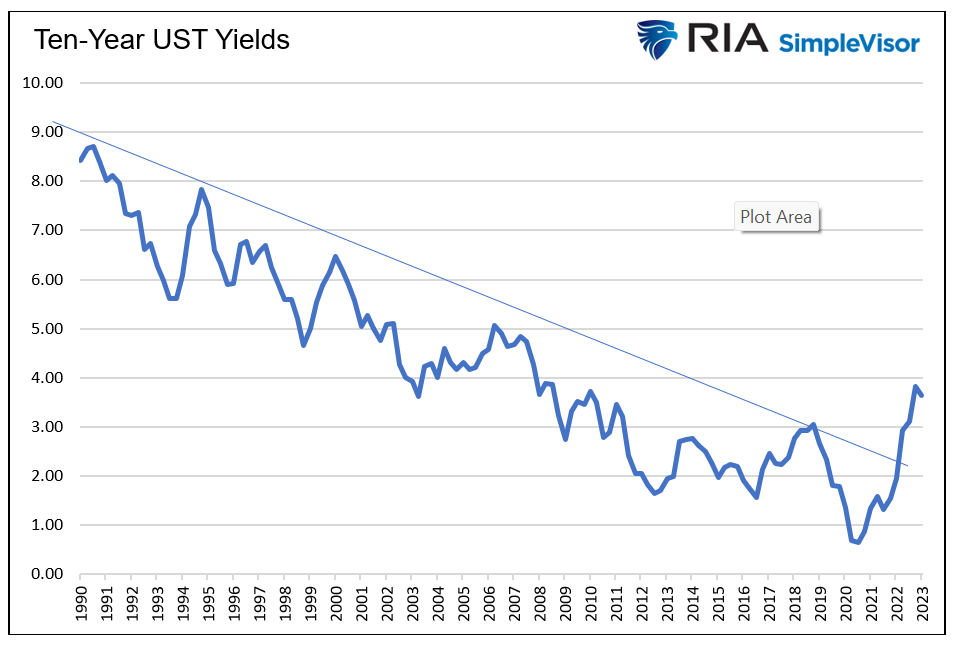
Long-term Treasury bonds are an excellent investment. But timing the purchase of bonds is difficult because three headwinds are keeping rates higher.
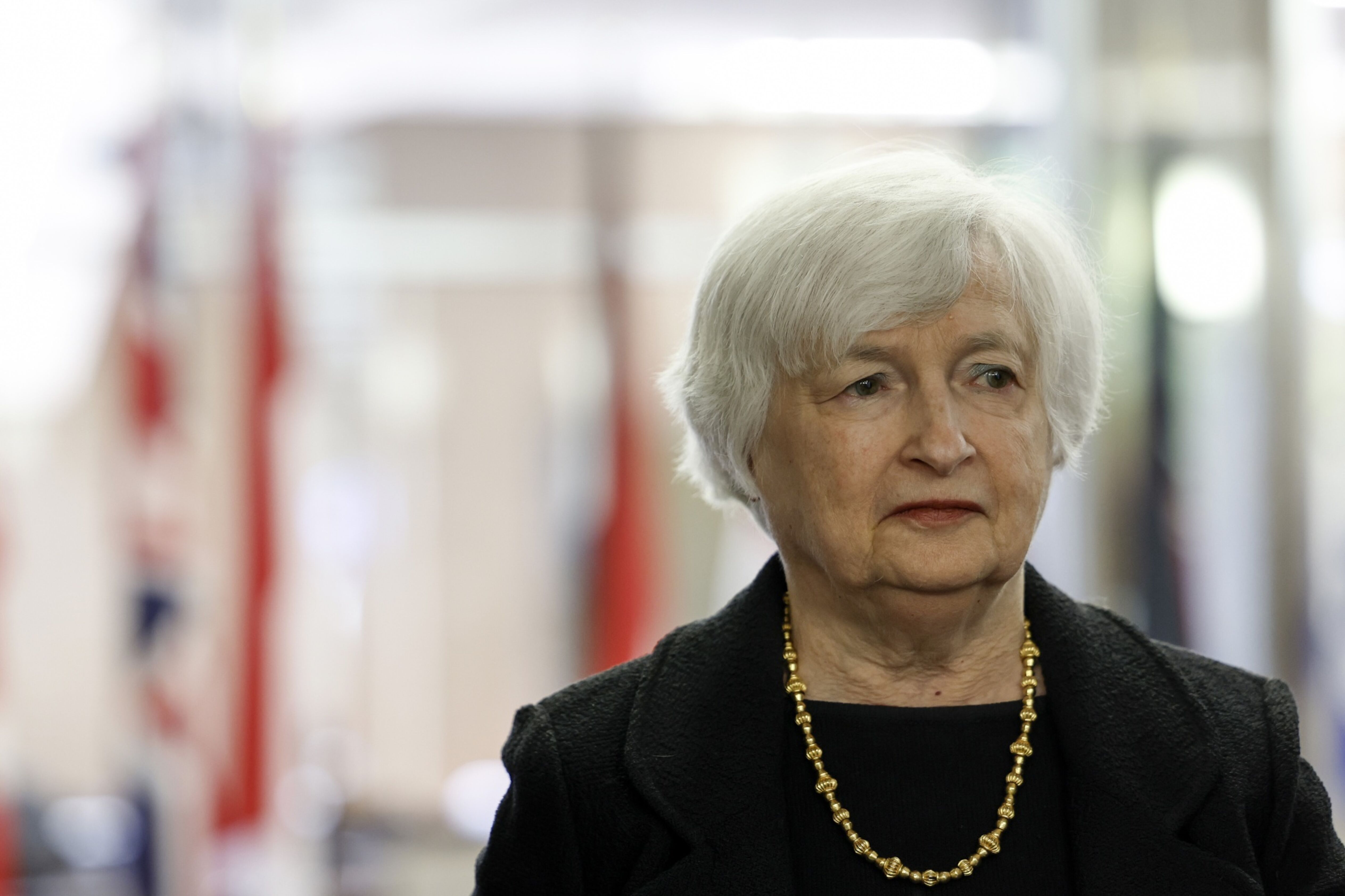
Treasury Secretary Janet Yellen warned that the US is already paying a price for its failure to raise the federal debt limit, as talks between the White House and lawmakers from both parties continued into a second week.
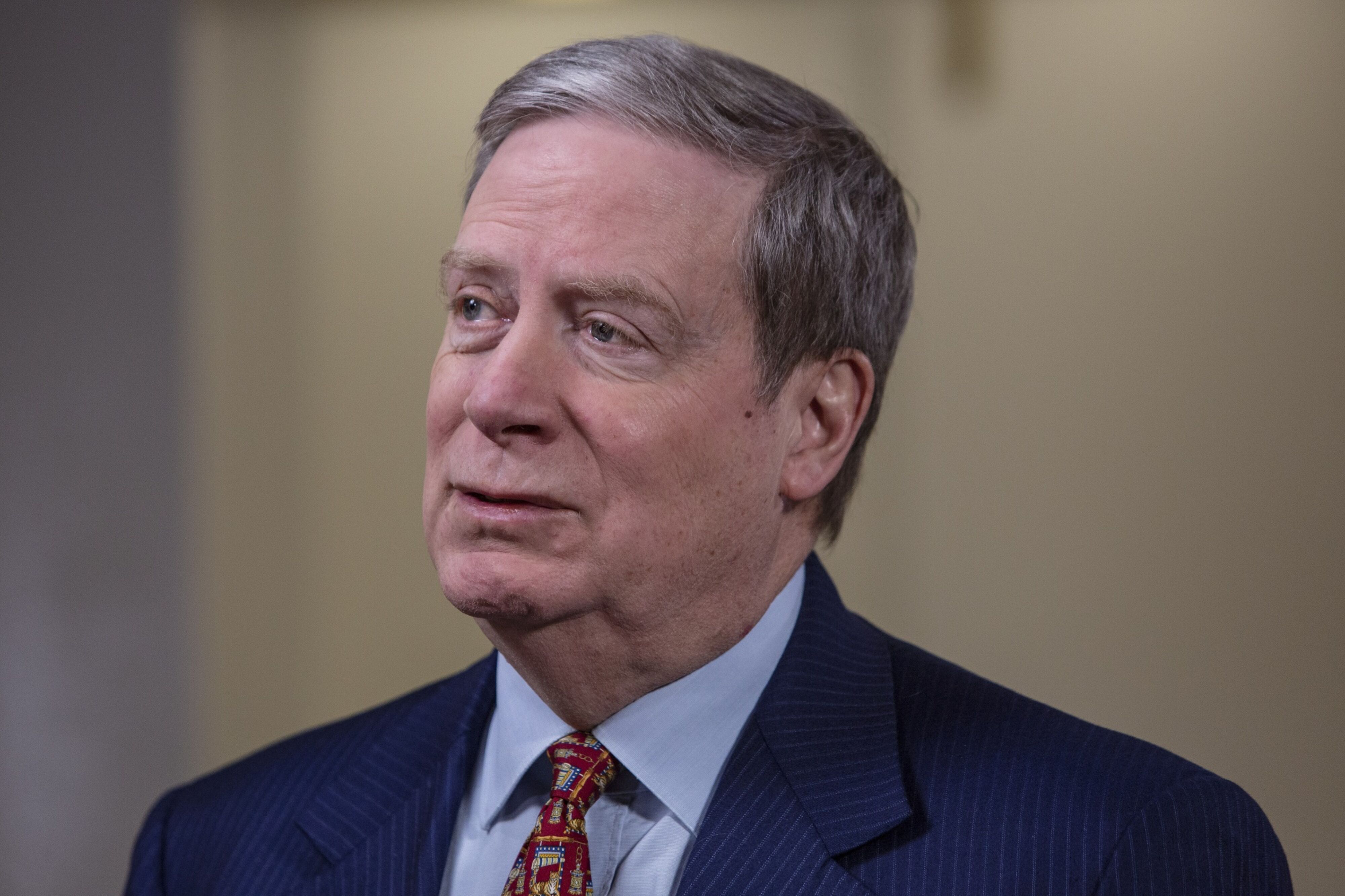
Billionaire investing titans Stanley Druckenmiller and David Tepper loaded up on stocks benefiting from the artificial intelligence boom during the first quarter.
Advisors have relied on COIs to build their businesses. That is no longer working, and here is why.
Influence, by Robert Cialdini, has impacted my professional and personal life for more than 30 years.
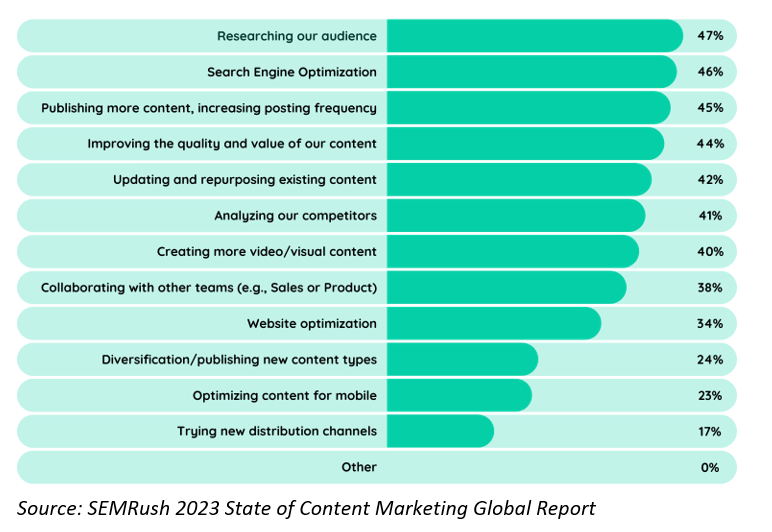
Here are a couple of trends that will dominate as a winning content strategy this year.
Here are overlooked actions that tarnish credibility and decrease a client’s confidence in your ability to handle their nest egg.
What is the number-one reported factor for a happy and fulfilling retirement?
A long-term financial plan can be dismantled late in life by adult children, usually with good intentions. What can you do to guard against this possibility?
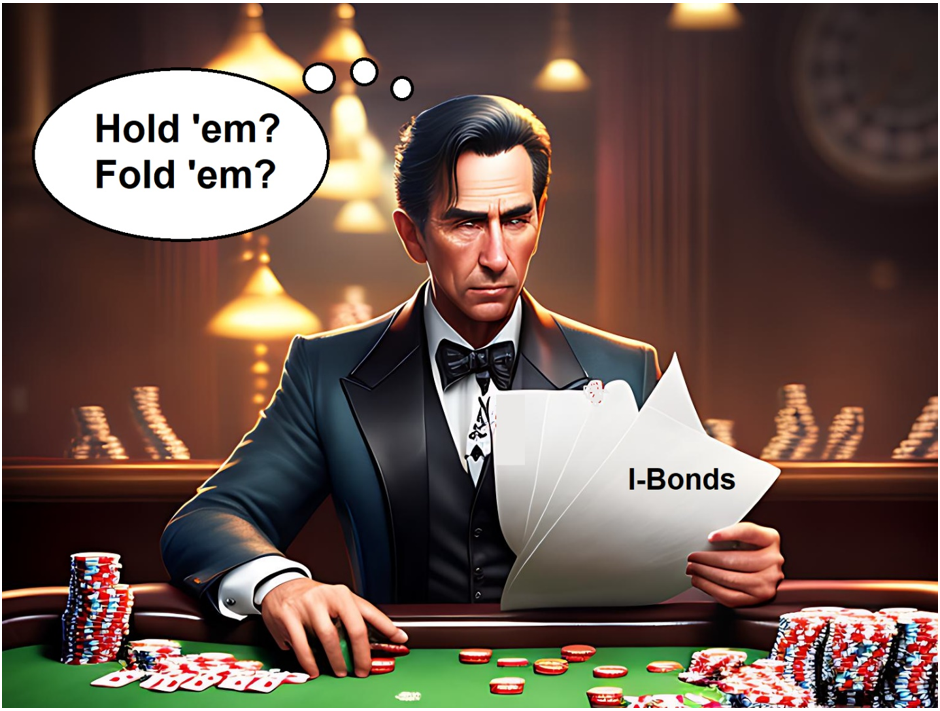
Nearly a year ago, I – provisionally and with qualifications – declared I-Bonds to be the fabled “free lunch” due to the remarkable 9.62% rate they were paying. That rate came down – a lot – so should you still buy them?
Two Federal Reserve officials signaled they favored pausing interest-rate increases, while a third policymaker suggested the central bank may have more work to do in its inflation fight.
Whether it’s high inflation or greater market volatility, Monte Carlo analysis will reveal how those uncertainties impact a client and provide peace of mind about their plans.
New research shows that investors can profit by exploiting “momentum” – the notion that stocks or factors that experienced good performance will continue to do so, and vice versa.
The risk of a US debt default is greater than it’s ever been, threatening to tip global markets into a brand-new world of pain. For investors, there are few places to hide other than the oldest hedge in the book: gold.
Technological progress in the last two centuries, and especially in the recent past, has been nothing short of amazing. So why are we so unhappy? Why aren’t we all rich?
When planning for retirement, taking even the smallest risk can be life changing. Discover why financial advice during retirement planning is crucial with Harold Evensky.
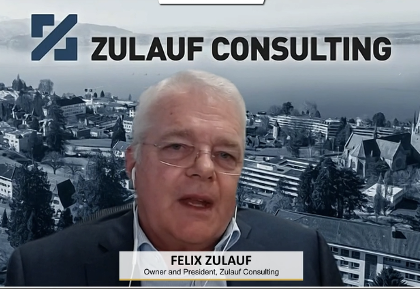
Over the next decade, the total return for U.S. or global equities will be nearly zero, according to Felix Zulauf.
Depending on your financial situation, you may qualify for a subsidized loan or an unsubsidized loan. Here’s the breakdown of subsidized and unsubsidized loans, along with how to get each of them.
There are still some optimists in the market confident that a solution will be found in time to the US debt-ceiling crisis even as the Washington stalemate persists and many investors shun the most at-risk Treasury bill issues.
Jamie Dimon said it’s time for regulators to help put an end to the turmoil in the banking industry, but he’s already predicting policymakers will take away the wrong lessons from this year’s upheaval.
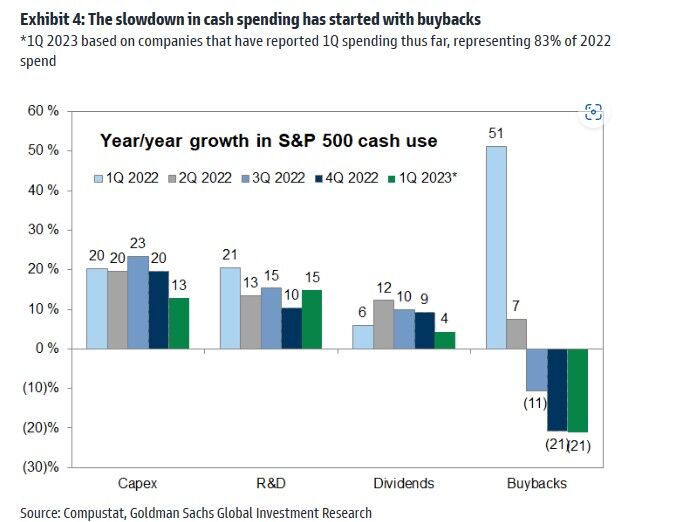
Corporate America, one of the few reliable purchasers of equities in this bear market, is retreating from its buying binge, fresh evidence that the Federal Reserve-induced slowdown is taking a toll on business sentiment.
Single-stock exchange-traded funds made a splash in the industry when they debuted last year. Now one issuer is hoping to double the existing lineup.
On May 3, the Massachusetts Supreme Judicial Court heard arguments on whether Massachusetts citizens will get a state-level fiduciary rule. The Fiduciary Institute submitted an amicus brief that said, emphatically, “Yes!” This is why.
As investor interest in ETFs that promote higher environmental, social, and governance standards fades, more issuers are shutting down these funds.
In a market where conflicting views abound, two major Wall Street trading desks agree on one thing: US stocks will rally on any soft inflation print Wednesday that could pave the way for the Federal Reserve to halt its tightening campaign.
With the Fed purposely trying to slow economic growth and a banking crisis in full swing, do the heightened risks argue for accepting the current bond yields and reducing equity exposure?
Forget the traditional sales process used by the advisory profession.
A group of firms including Goldman Sachs Group Inc, Microsoft Corp, Deloitte, and Cboe Global Markets Inc are joining a new blockchain system aimed at linking disparate institutional applications, potentially encouraging broader adoption of distributed ledger technology in financial markets.
Why might a firm eliminate the ability for a broker to manage assets? Here are two reasons.
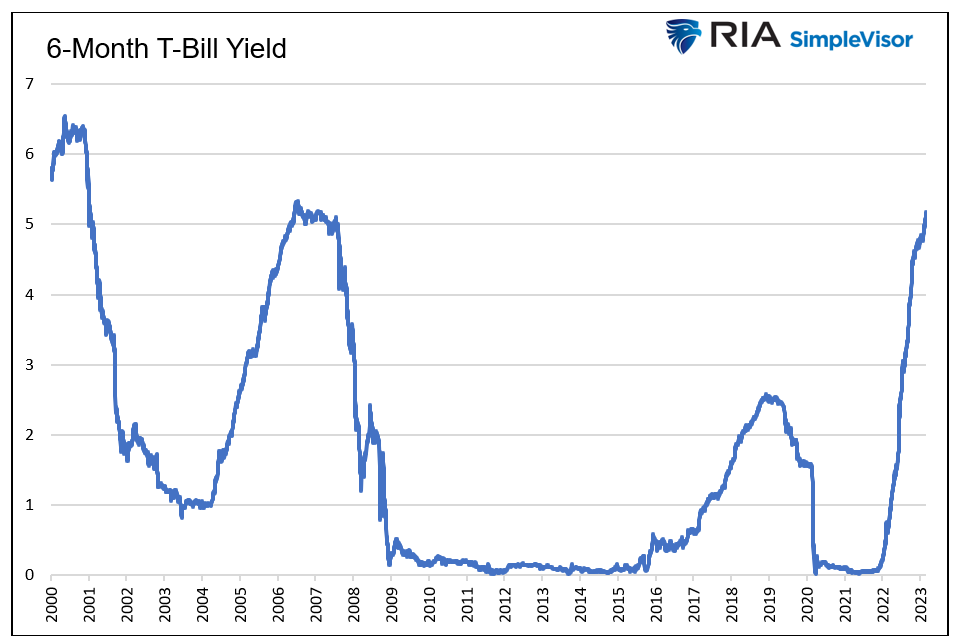
Bill Gross, the former chief investment officer of Pacific Investment Management Co., recommended buying short-term Treasury bills, expecting the debt-ceiling issue eventually gets resolved.
A relationship-based business thrives on one’s ability to nurture, support, leverage and maintain the connections to the business and the people associated with it. Referrals require trust from all parties.
When March’s bank failures ignited a historic bond rally, few, if any, made more money than Josh Barrickman. His army of funds gained roughly $26 billion, the equivalent of more than $1 billion in paper profits every single trading session.