November has given a glimpse of the outperformance that emerging markets can deliver in the post-stimulus world as the maturing phase of Federal Reserve tightening focuses investors’ minds on the opportunities beyond.
Apple Inc. has shelled out more than $550 billion buying back its own shares over the past decade, more than any other US company, and the technology juggernaut shows no signs of slowing down.
Global bonds joined US peers in signaling a recession, with a gauge measuring the worldwide yield curve inverting for the first time in at least two decades.
The Twitter chatter of Ford Chief Executive Officer Jim Farley is good vibes only: factory photos, race tracks, corporate boosterism and a lot of retweets of Ford customers gushing about their vehicles. It’s all cars, and it’s all anodyne.
The question most asked by investors late last year, as Treasury bill yields hovered just above zero was “Where can I go for yield?” followed soon after by “What can I do to protect myself from inflation?”
A planner who fails to follow their own advice is hardly going to inspire confidence in prospective clients.
You will lose clients and fail to gain new ones unless you make dramatic changes right now.
President Joe Biden has often described his plan to cancel some federal student-loan debts as a “game changer.” In one sense, this policy has indeed proved transformative — by making a bad system worse.
Some people are suggesting that the Federal Reserve consider a compromise in its battle with rising prices: Instead of imposing the full monetary tightening required to get inflation back down to its 2% target, why not increase the target a bit?
The US housing market is in an uneasy state of equilibrium.
The US Inflation Reduction Act passed in August contains tax and investment incentives for a number of clean-energy technologies, including electric cars, solar panels and wind turbines. But the 750-page document also features a 30% tax credit for a lesser-known player in the push for energy efficiency: dynamic glass.
Stagflation is the key risk for the global economy in 2023, according to investors who said hopes of a rally in markets are premature following this year’s brutal selloff.
You might think a stock price is just a number, but it has symbolic and practical importance, especially in the US.
MegaThreats, Nouriel Roubini’s latest full-length offering, puts his Olympic-class pessimism on full display.
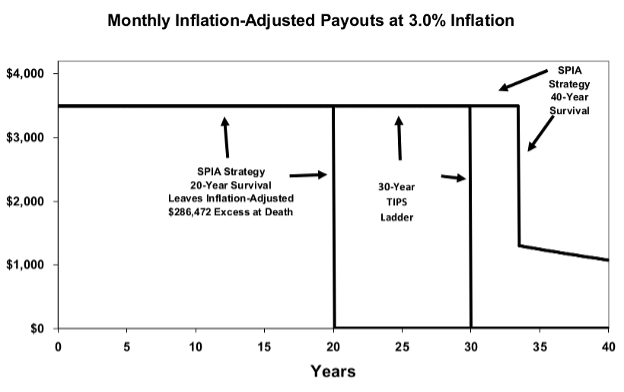
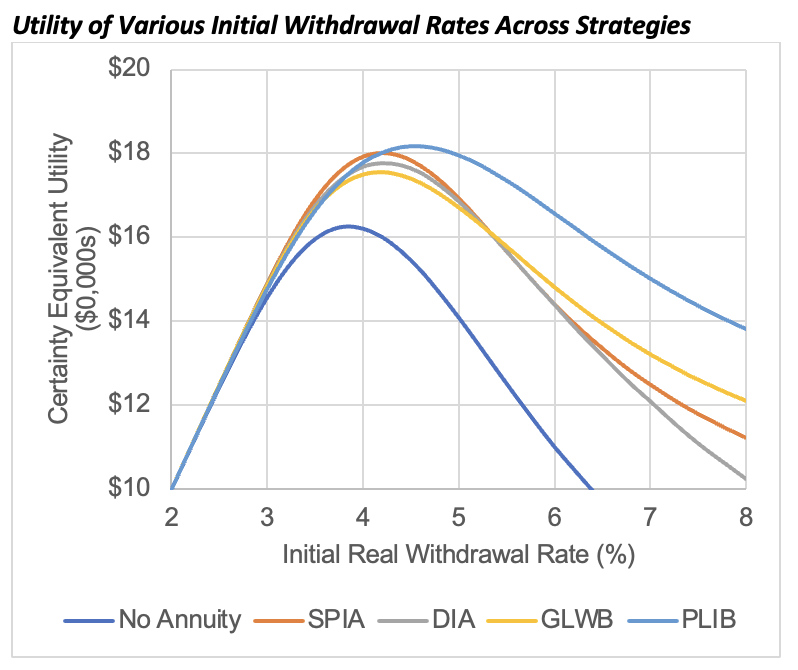
This article explores the efficacy of PLIBs against a retirement income strategy that does not include an annuity, as well as strategies which allocate to either a SPIA, a DIA, or a GLWB. I used a utility framework for this analysis.
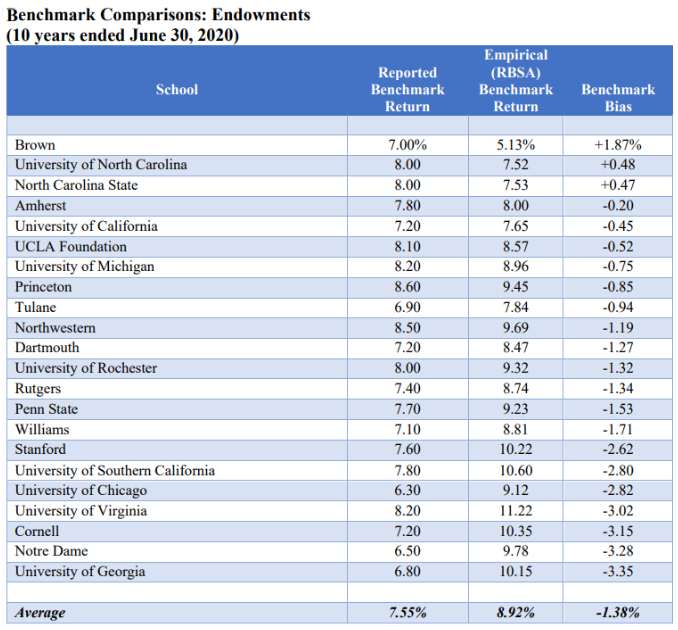
Don’t trust analysis from managers that shows they have outperformed an appropriately selected, passive benchmark. That is true for mutual funds, and new research shows it is equally accurate when it comes to endowments and pension funds.
BMW AG is doubling its investment at its Hungarian factory to €2 billion ($2.1 billion), adding a high-voltage battery assembly facility that will create more than 500 jobs.
Copper miners are boosting output at last after several years of anemic performance.
The global oil market keeps sending up flares on the outlook for weaker demand. In the latest, a closely-watched gauge of Asian crude consumption tumbled to a seven-month low as surging virus cases in China trigger lockdown-like restrictions in the world’s biggest importer.
All is not lost for equity capital market bankers.
US retailers discounted heavily on Black Friday to clear out bloated inventories but customers responded with only modest traffic, leaving profitability in doubt for many chains.
Commodities are heading for a challenging finish to a year of turmoil, with geopolitical tensions and global demand uncertainty set to buffet markets from oil to copper and crops through December.
Any time you neglect to maximize diversification, whether to chase active management, indulge personal intuition or save trouble, you need to think carefully about whether you are getting paid enough for the additional risk.
Presidential administrations never stay the same from beginning to end. Top personnel come and go for various reasons, and we seem to be seeing that now with the Joe Biden administration.
Cracks in a key silver-lined component are creating new delays and cost overruns in the $23 billion project to prove whether nuclear fusion can generate limitless clean energy.
Historic turmoil in cryptocurrency markets sparked by FTX’s implosion hasn’t stopped one funds issuer from moving forward on a new investment product tied to Bitcoin.
Under the surface of one of the quietest weeks on Wall Street all year, some money managers are renewing speculative bets, hoping against hope that a more friendly -- or at least less-hostile -- Fed, is back in their corner.
The US Securities and Exchange Commission’s draft plans to overhaul rules for the stock market would also expand its oversight of bond and options trading.
The chorus of strategists turning bullish on Chinese stocks is getting louder by the day, with Bank of America Corp.’s Michael Hartnett the latest to recommend the nation’s equities as a top buy for 2023.
After losing nearly $300 billion in market value in two months, a growing chorus of Tesla Inc. analysts are saying the share-price decline has gone far enough.
For student loan borrowers, President Joe Biden’s forgiveness plan seemed too good to be true. And now they fear that maybe it was.
The following is a loose collection of random thoughts and observations on the Russian invasion of Ukraine. Rather than a coherent article, I offer some insights that have emerged as the war has dragged on.
Applications for US unemployment benefits rose last week to a three-month high amid a wave of layoffs at technology companies, a sign of cooling in a tight labor market.
Federal Reserve officials at their meeting earlier this month concluded it would soon be appropriate to slow the pace of rate increases, signaling the central bank was leaning toward downshifting to a 50 basis-point hike in December.
More Americans are tapping their 401(k)s for financial emergencies, with the percentage of retirement savers pulling money for hardships spiking 24% in the 12 months through Sept. 30, according to new data.
Historically, soaring oil prices have been bad for the US economy because they squeeze US consumers and producers, and often are happening when the Federal Reserve is raising interest rates to rein in inflation.
Two years ago this month, Tesla fans learned the electric-car maker’s shares were joining the S&P 500 Index, and Elon Musk was turning retail investors into Teslanaires.
A lack of reliable ESG data in emerging markets is proving a boon for some of the heavyweights of global finance.
Microsoft Corp. agreed to buy a massive amount of clean energy to power a data center in Ireland, making it the second biggest corporate power-purchase agreement deal so far this year.
Amazon.com Inc. spooked investors last month when it predicted the slowest holiday season growth in its history.
Here are three signals people use to let you know when they are feeling pushed.
With all the market ups and downs, we are not as profitable as we have been historically.
Here are three ways you can add value in the context of insurance issues.
Even though you are an advisor, you’re not in the financial advice business. You’re in the problem-solving business.
Let’s look at four keys to building trust through deeper relationships.
If you aren’t willing to niche, at least decide whether you are trying to help your clients thrive or survive. Then build a message around one of those themes. Are you selling them life rafts (survive) or sailboats (thrive)?
What does lousy value look like, and how do you overcome that?
Rather than let procrastinators ruin your day and invoke unhealthy emotions, overcome your clients’ and prospects' reluctance to move ahead using the skills and techniques I mentioned to win over that last 10%.
If you lose your job, what emotional and professional support should you expect from your financial planner?
Tighter Federal Reserve policy is raising households’ interest-rate burden, leading to a rapid decline in excess savings and underscoring the likelihood hawkishness has peaked.