Traders watching price action in stocks might have noticed that the S&P 500 has slid toward the 3,900 level three different times Thursday, before holding its ground. The resilience can be attributed to Friday’s $3.2 trillion option expiration, one theory holds.
Ray Dalio came out with a gloomy prediction for stocks and the economy after a hotter-than-expected inflation print rattled financial markets around the globe this week.
Sell stocks and buy opportunistic bonds, according to Jeffrey Gundlach. “The capital gains potential is the best in the last 15 years," he said. Bonds are “the place to be.”
A barrage of data Thursday offered a mixed view of the US economy in the face of rapid inflation, including more tempered retail activity and a labor market that’s still vibrant.
The specter of US interest rates at 4% or even higher is bringing into sharper focus the question of when and how investors should really get back into bonds after Treasury markets suffered one of their worst beatings in decades.
President Joe Biden’s announcement that he will cancel up to $20,000 in federal student loans for qualified borrowers could help score him points with progressives and young voters while fulfilling a promise he made when running for office.
Uranium funds have soared from their summer lows as a global energy crunch revives interest in nuclear power.
If the consumer price index report for August that showed inflation remains much hotter than forecast was not enough of a shocker, then talk that the Federal Reserve needs to raise interest rates in even bigger chunks starting with its meeting next week surely is.
We may be learning to live with Covid but as the latest inflation report shows, it's still a pandemic economy.
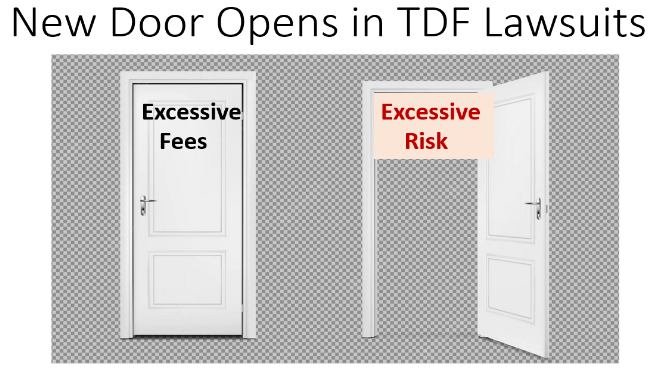
A new wave of lawsuits alleges that Blackrock’s target date funds (TDFs) have underperformed. These lawsuits open the door to a related and scandalous breach of fiduciary duty – excessive risk.
“Price matters again in investing,” according to Bob Wyckoff a managing director of Tweedy, Browne. “That serves the interests of value investors.”
Tuesday's hotter-than-expected inflation report pours cold water on the possibility of lower interest rates from the Federal Reserve any time soon, and by extension, the prospect of lower mortgage rates.
How bad was the August US inflation report? Let me count the ways. It’s a while since a macroeconomic release has come as such a nasty surprise, but on balance the extremely negative market reaction to the numbers was justified; they’re awful.
This week’s unexpected rise in US inflation is an opportunity to revisit an old debate, which is often a useful exercise. This current bout of inflation has its roots in mistaken assumptions made a decade ago.
Wall Street may soon see a new stock exchange exclusively for environmentally focused companies amid a boom in demand for sustainable investments.
Opponents of passive, index-based investing frequently claim that large-cap stocks are overvalued, and a market-cap-weighted index unduly exposes investors to those mispriced securities. That is a false statement.
We’re embarking again on the Joe Namath season! That is the “open season” when people enrolled into the Medicare system are bombarded with information, phone calls, fliers in the mail, and random salespeople walking up to their doorsteps.
Commodity markets are struggling to shake their months-long liquidity crisis that’s brought an era of erratic swings in the value of the world’s raw materials.
Some of the best-known rules of thumb in personal finance have outlived their usefulness.
Americans are losing ground against residents of other countries in what’s shaping up globally to be “one of the worst years to retire in recent memory,” according to a new retirement ranking.
Since Russia’s invasion of Ukraine, allied nations have unleashed a suite of sanctions so rapid and broad in its reach that there are no true precedents.
There are serious, well-documented mental health issues suffered by financial advisors that have been exacerbated by the pandemic.
Several of our team members have had some very difficult life experiences over the last year.
Here are the 10 best books I read from September 2021 through August 2022.
Have you noticed the epidemic of poor follow up? Recently, I did a LinkedIn survey asking this question and 88% of respondents said ”yes.”
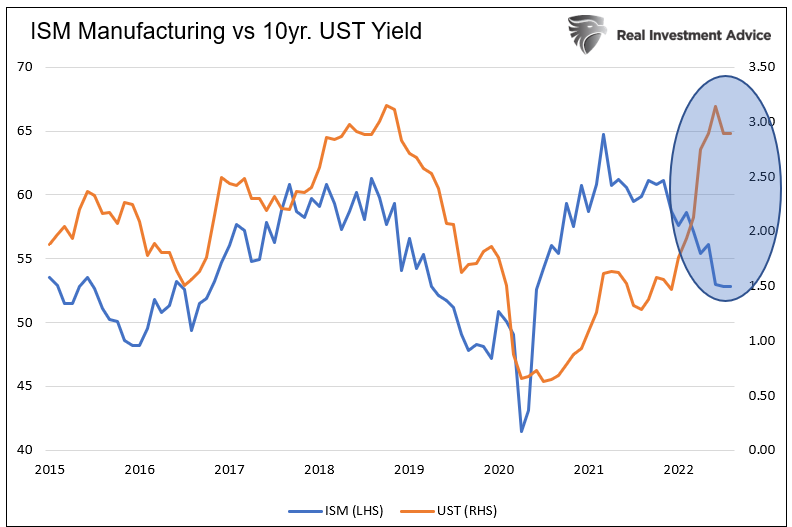
When the supply and demand for bonds normalize, bond investors will realize that economic, inflation and other factors warrant much lower yields.
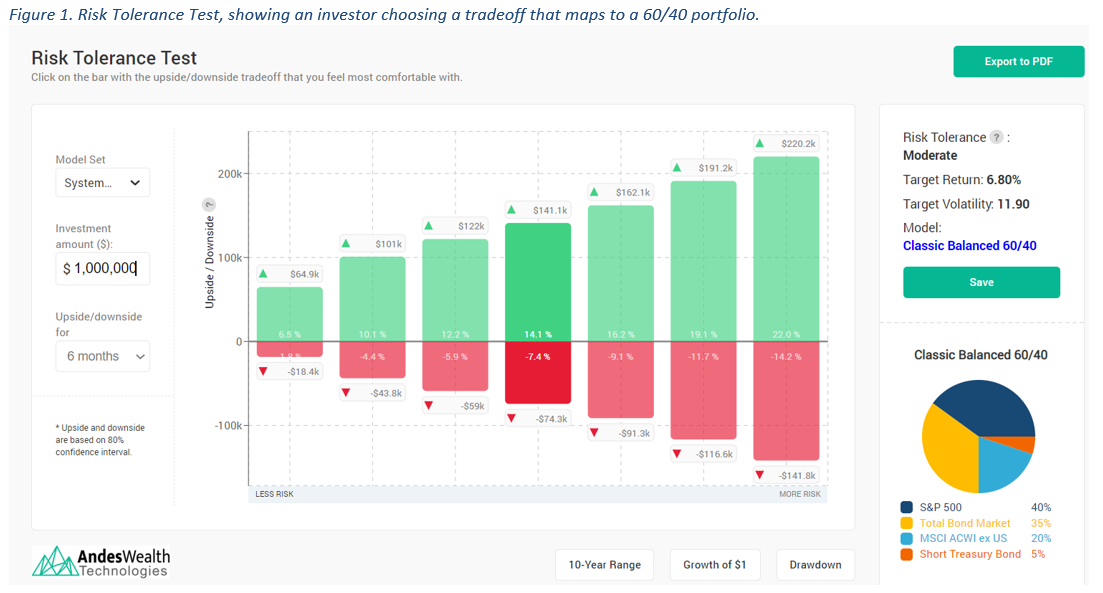
Investor risk tolerance drives portfolio decisions, yet many financial advisors are rightly concerned about the accuracy of risk tolerance assessments. Why is it so hard? How can we get it right?
US trading titans and brokerage firms are building a crypto exchange that brings investing in digital assets further into the domain of traditional finance, by mimicking the structure of how other asset classes trade.
A valuation bulwark that had supported stocks relative to credit is starting to erode.
US consumer prices were resurgent last month, dashing hopes of a nascent slowdown and likely assuring another historically large interest-rate hike from the Federal Reserve.
“CPI Tuesday” doesn’t have the same ring as some other regular market dates, but there’s little denying that no single data release matters more these days than US consumer price inflation. Tuesday morning’s release on price rises in August will matter a lot.
Peak bond-issuance week is in the books, and high-grade corporate bond deals are hanging tough in the face of recession fears and surging risk-free rates, a trend that appears to be extending into the second week of September.
President Joe Biden is going to spend several hundred billion dollars to cancel the debts of millions of college students. This big outlay will probably bolster his standing among graduates in the up-to-$125,000-a-year salary range who populate the deep-blue voting grounds of urban America.
Keeping your fees at market rate is respecting yourself. It helps you enjoy your work, assures that you show up fully for your clients, and will ultimately keep them happier.
The dirty little secret of office expenses is you should never pay for it as a variable expense.
How can you leverage the keystone concept to unlock the practice of your dreams?
Earning the coveted charter requires passing a notoriously difficult, three-part exam. But with a clear plan and supportive colleagues, it’s doable and rewarding.
The world is undergoing a dramatic energy regime shift that has been accelerated by recent events, including the COVID crisis, the Ukraine war, and growing concerns about climate change. The Harbor Energy Transition Strategy ETF was introduced to position investors for this transition.
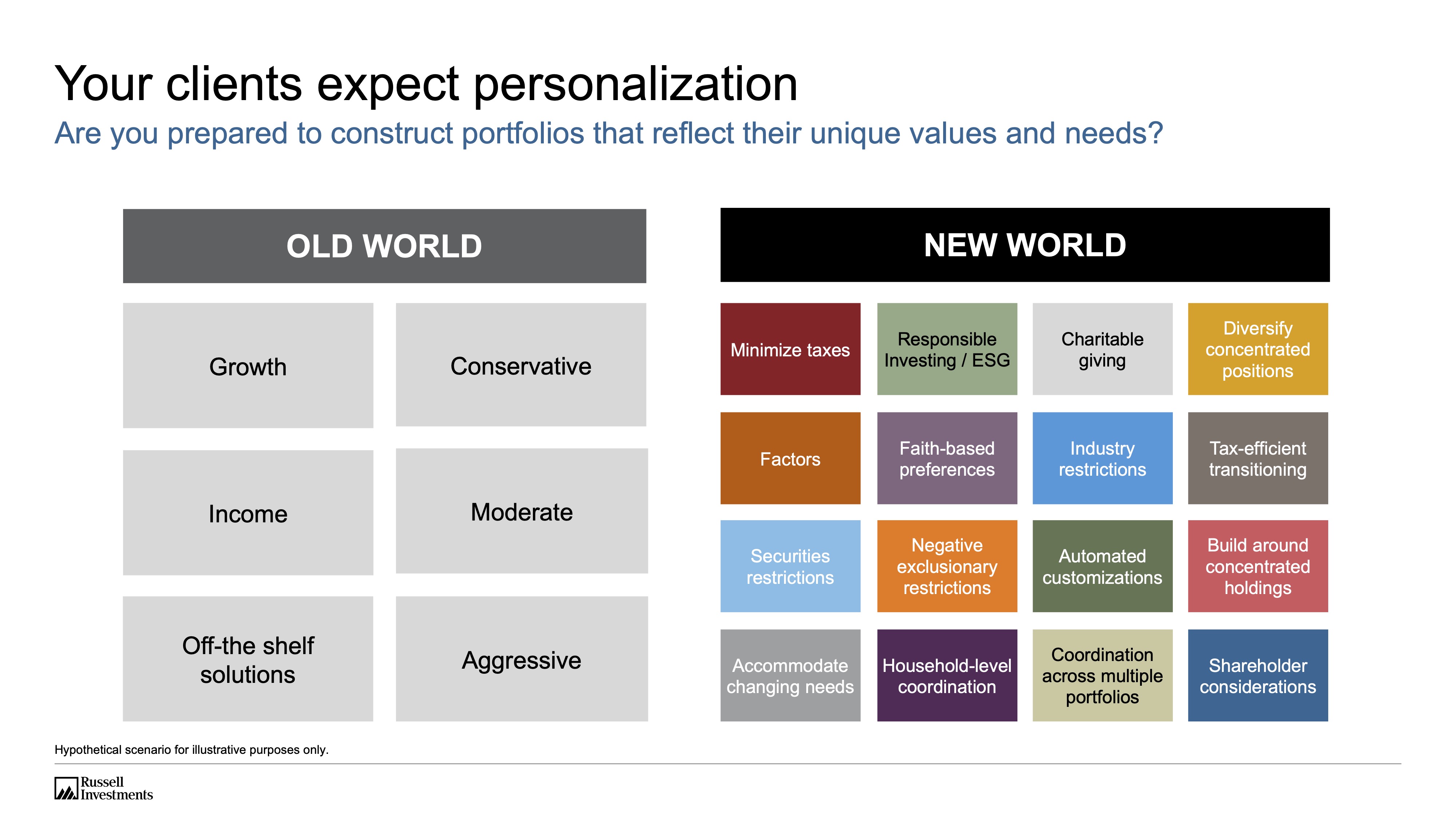
Investors increasingly want more control and customization of their portfolios. Personalized managed accounts give them the opportunity to do that.
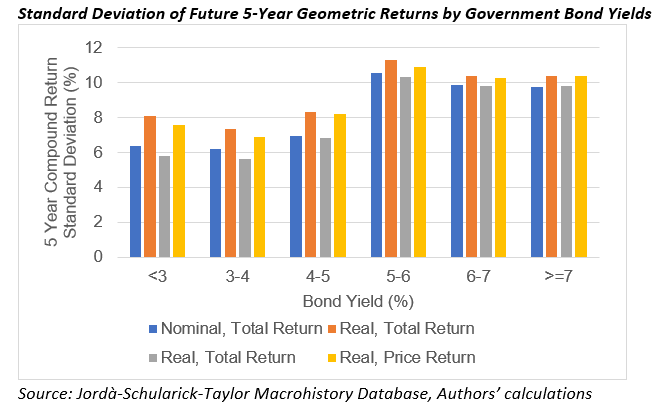
The historical evidence strongly suggests that equity returns are likely to be lower in a lower bond yield environment and this needs to be incorporated into financial projections and investor decision making.
It's been three months since the elevated May consumer prices report led the Federal Reserve to adopt a "whatever it takes" mentality to fight inflation.
As policy makers vie to claim the mantle of hawk-in-chief, spare a thought for what we like to think of as the recovery.
Bitcoin extended a rally amid a brighter mood in global markets and as traders await US inflation data and monitor a seminal upgrade of the Ethereum blockchain.
Americans have driven up their credit balances at a record pace this year.
White House Chief of Staff Ron Klain has taken to tweeting the price of a gallon of gasoline on a daily basis, a habit that’s convenient for him as long as it continues its steady decline.
Amazon.com Inc. shares are back in a familiar role of outperforming after an ugly first half of 2022, even as investors brace for a slowdown in growth at the e-commerce and cloud computing giant.
Around the world, soaring borrowing costs are squeezing homebuyers and property owners alike.
There is one and only one S&P 500 sector that is up massively this year.
Advisors won the last war – true professionals achieved victory by adopting fiduciary principles and providing comprehensive planning. But a new battlefront has emerged – what I call the “next argument” – and achieving victory will slow and painful.
ESG investing is growing rapidly in retail wealth management. But most of the large ESG ratings providers are focused on institutional asset managers, not retail wealth managers.