Investors who might be looking for the world’s biggest bond market to rally back soon from its worst losses in decades appear doomed to disappointment.
The future of retirement should be individual retirement accounts. We should phase out pensions in public sector jobs and make retirement accounts accessible to more people rather than enlarging Social Security.
Today’s jobs report made clear that despite rising interest rates and incessant recession talk, American businesses are still hiring.
With the US unemployment rate near a five-decade low and job vacancies close to a record high, businesses say they are scrambling to find workers. Many complain that large and growing skills mismatches prevent them from getting the staff they need.
Amazon.com Inc., determined to reduce the size of its sprawling delivery operation amid slowing sales growth, has abandoned dozens of existing and planned facilities around the US, according to a closely watched consulting firm.
US employers added a healthy number of jobs in August and a steady stream of people entering the labor force pushed the unemployment rate higher, consistent with a job market that is coming more into balance and offering mixed implications for the Federal Reserve.
We know that the US economy is currently weak, but the real economy is really weak, and the Federal Reserve’s commitment to precipitate a recession to curb high inflation will make this reality obvious to seemingly oblivious investors.
This means your chances of finding a good candidate are worse than at any time in the last 40 years. If you hire wrong, it will set you back months. You need someone good now.
Popular opinion is that the Fed was way too late in responding to the threat of inflation. But this is a misguided view.
The classical notion of 1940 investment advice has been hijacked and replaced by the SEC with a weak, distant cousin.
Cathie Wood’s fans turned tail last month, pulling out the most money from her flagship fund in nearly a year as it continues to flounder.
The Federal Reserve needs to raise its benchmark rate above 4% by early next year and leave it there for some time to help cool inflation, Cleveland Fed President Loretta Mester reiterated on Wednesday, making it clear she doesn’t expect the central bank to cut rates in 2023.
Manufacturers of fighter jets, battleships and missiles are usually one of investors’ best defensive havens when economies get shaky.
The new US climate law plows $27 billion into an Environmental Protection Agency fund for green banks.
Famed investor Jeremy Grantham said the “super bubble” he previously warned about has yet to pop, even after this year’s turbulence in the US stock market.
Copper is one of the essential elements of today’s economy, and tomorrow’s.
The crash in cryptocurrencies was not a unique contributor to investor suicides. It just happened to be the financial crisis de jour.
After a cruel summer, crypto fans might be in for an unforgiving September, too.
US households will install a record amount of solar this year to help slash electricity bills, according to a BloombergNEF analysis.
The Federal Reserve’s quantitative tightening program will ramp up to its full potential in September, increasing from $47.5 billion to $95 billion per month.
Forget about a soft landing. Federal Reserve Chair Jerome Powell is now aiming for something much more painful for the economy to put an end to elevated inflation. The trouble is, even that may not be enough.
The second half of August has been bruising for technology stocks, but those hoping for a respite from the declines shouldn’t relax just yet: September is just around the corner.
BMW AG has started producing fuel-cell systems for its hydrogen-powered iX5 sport utility vehicle, moving forward with a climate-friendly alternative fuel that its German rivals don’t expect to be viable in passenger cars.
Let’s carefully examine the menu of potential solutions offered by other countries with higher rates of financial literacy than the U.S.
I will share some ideas for how create a special event to honor a client.
Many advisors don’t see the benefit of integrating their marketing. This failure results in significant lost opportunity, improper focus and a waste of marketing dollars.
This is a brief guide to help clients understand if a trust is required and, if so, which type of a trust is suitable to ensure that their wishes are honored.
Here are the top five mistakes I’ve made in my practice and ways you can prevent them altogether.
Debate has swirled over President Joe Biden’s student loan-forgiveness plan, but there has been relatively little consideration of some of its longer-run ramifications.
Corporate junk bonds in the US are paying investors a paltry premium for the risk of holding them into a looming recession.
An improvement in buyer psychology is helpful, but what’s really needed is improved affordability, and the question is how we get that.
My article, “The Trial of Ken Fisher for Crimes Against Annuities,” marked the beginning of my effort to aggressively defend annuities against criticisms that had become too exaggerated, too longstanding, and too inaccurate to be left unchallenged.
Lawyers for Elon Musk and Twitter Inc. are sparring over how a whistle-blower’s accusations could affect the outcome of Musk’s proposed $44 billion takeover of the social media platform.
US job openings rose unexpectedly in July after a sizable upward revision to the previous month, underscoring persistent tightness in the labor market as employers compete for a limited supply of workers.
Some of Wall Street’s biggest banks expect a lengthy period of higher interest rates to further pressure Corporate America’s profit engine, threatening equity gains as companies grapple with elevated financing costs and margin-shredding inflation.
Worried? Yes. But investors have evinced few signs of panic amid a stock market drubbing that has wiped out $3 trillion, going by everything from fund flows to options trading.
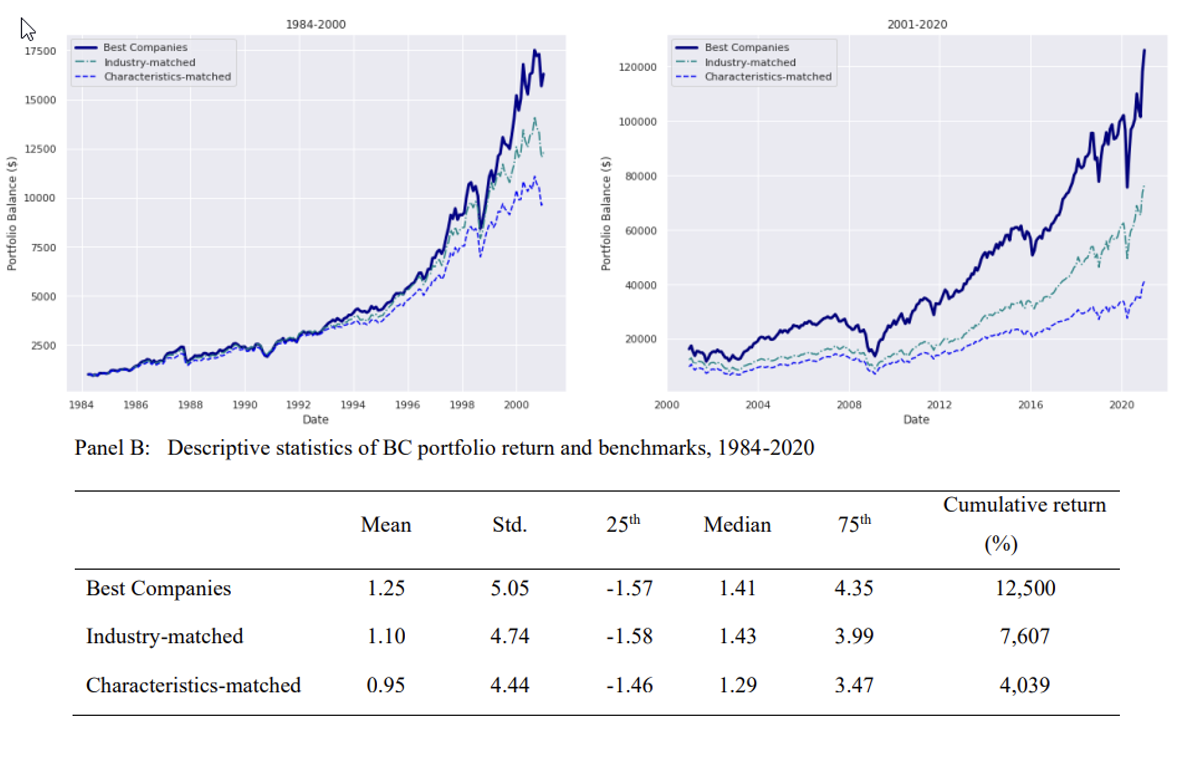
New research shows that Forbes' annual list of the best companies to work for are also some of the best stocks to own.
Will it ever be gold’s time to shine?
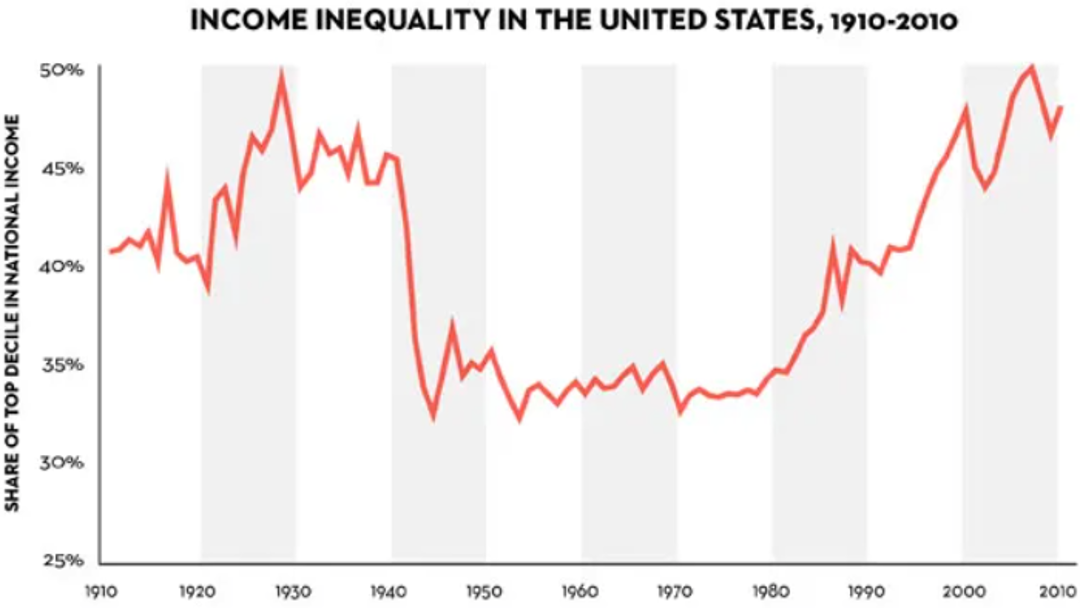
With the 2013 publication of Capital in the Twenty-First Century, Thomas Piketty singlehandedly made inequality the focus of economic and political discourse. In his new book, he goes farther – advocating Marxist-like policies to achieve what he considers progress – greater equality.
Oil climbed as traders weighed supply risks and executive warnings of further energy crunches against central bank pledges to raise interest rates further.
Global bonds sold off as investors responded to central bankers signaling they will increase interest rates as much as necessary to bring down inflation.
Wall Street says the meme stock is here to stay.
Asset managers that just reclassified hundreds of ESG funds should expect to have to explain themselves to their regulators and investors, according to lawyers advising the industry.
If there’s anything fans and foes of President Joe Biden’s student loan-forgiveness initiative can agree on, it’s that it doesn’t do anything to address the real issue: the ever-rising cost of college and attendant accumulation of debt.
The dog days of summer are firmly over as global investors absorb Federal Reserve Chair Jerome Powell’s stern message that interest rates are going higher for longer in a painful fight against inflation.
Uber has a history of not making any money.
The SpaceX chief teamed up with T-Mobile CEO Mike Sievert to unveil a new service that will utilize Musk’s Starlink satellites to offer cell coverage in every corner of the US.
Gold declined after Federal Reserve Chair Jerome Powell warned against any idea that the US central bank would start loosening monetary policy soon.
Cryptocurrencies mirrored global markets and declined after Jerome Powell warned against prematurely loosening policy, with Bitcoin settling into the lower end of the narrow range that it has traded in the past two weeks.
Two-year Treasury yields. rose as investors digested the remarks, pushed as high as 3.44% while the 2- to 10-year yield curve resumed its flattening. Equities were lower.