In the last two decades as an investment advisor, I’ve often been wrong – about markets, products and their providers, investors, the government, and the advisory business. Here are my top 10 items I’ve got wrong.
I often hear that indexing has become so popular that it is destroying “price discovery” – making it impossible for investors to know that they are paying a fair price for a security. Some say that makes indexing worse than Marxism. New research shows that this concern is unjustified.
After German troops were defeated in a pivotal battle at El Alamein in 1942, he commented that it was “not the end, not even the beginning of the end but, possibly, the end of the beginning.”
The Consumer Price Index for All Urban Consumers (CPI-U) was unchanged in July on a seasonally adjusted basis after rising 1.3 percent in June, the U.S. Bureau of Labor Statistics reported today. Over the last 12 months, the all items index increased 8.5 percent before seasonal adjustment.
Home price appreciation is slowing fast across the country under the weight of higher mortgage rates, with typical property values even falling month-over-month in about a fifth of major metro areas in July.
Recent revisions to oil demand forecasts aren’t as bullish as they might appear. Don’t get too excited about prices going up just yet.
Over the last 18 months or so, the quick and easy interpretation of inflation data has turned out to be incorrect. Will it be different going forward?
Investors think a good way to beat inflation is to lean on one of the oldest strategies -- a 60-40 mix of stocks and bonds.
Demography isn’t destiny. If population size was history’s major determinant, China might have conquered Europe in the 15th century, and Britain certainly would not have conquered India in the 18th.
A few billion dollars cannot move a multi-trillion inflation needle. Two types of inflation are in play: one is transitory, but the other is not. The Fed cannot control inflation, but we want to believe it can.
Economists boosted their inflation estimates for each quarter in 2023, a potentially worrying sign for Federal Reserve policy makers trying to keep price expectations anchored.
A surprise surge in deals is turning August into a memorable month for mergers and acquisitions, helped by rising stock prices and steadier US markets.
Thomas Barkin said the central bank needs to keep raising interest rates until it’s clear inflation is running at its 2% target even if the economy weakens to avoid a policy mistake similar to the 1970s.
Equity skeptics obsessed with everything from inflation to pie-in-the-sky earnings estimates have managed to miss a $5 trillion rally being amplified by trends in investor positioning.
What do you need to know about selecting the best stock photos to support your marketing strategy?
If you wanted evidence that the worst of inflation might be over, the last two days have offered quite a litany.
It was a budding rivalry that didn’t last long before scandal brought one of them down. Two years ago, Nikola founder Trevor Milton was very clearly on Tesla CEO Elon Musk’s radar.
The $370 billion package survived a political process that doomed many previous efforts because clean energy has finally become cheap enough to start moving the country away from fossil fuels.
Peloton Interactive Inc. will embark on a sweeping overhaul that includes cutting nearly 800 jobs, raising prices for its Bike+ and Tread machines, and outsourcing functions such as equipment deliveries and customer service to outside companies.
We often think of successful people as individuals, but everyone from Ben Franklin to Steve Jobs has spoken about the value of surrounding yourself with a smart team. A talented, supportive team is especially important in the medical field because it improves patient outcomes.
Just like old times. That’s what it must seem like with the S&P 500 Index up about 15% since mid-June and poised for its fourth consecutive weekly gain, its longest winning streak of the year.
The Inflation Reduction Act, passed by the Senate and now headed to the House, is a notable achievement.
Apple Inc. has asked suppliers to build at least as many of its next-generation iPhones this year as in 2021, counting on an affluent clientele and dwindling competition to weather a global electronics downturn.
Bank of America Corp. says investors are rushing back into stocks and bonds, with signs that inflation has peaked spurring bets the Federal Reserve will dial back its interest-rate hikes soon enough to keep the US economy out of a recession.
Investors — from small-time flippers to Wall Street-backed landlords — helped propel US home prices to record levels during the pandemic boom. But now, they’re pulling back as recession risks mount, in a move that could accelerate the market’s slowdown.
US consumer sentiment rose in early August to a three-month high on firmer expectations about the economy and personal finances.
Apple Inc. is close to erasing its losses for the year as softer-than-expected inflation data fueled a risk-on rally in the stock market Wednesday.
With interest rates now hovering around 5%, existing-home sales are down more than 14% from last year. Some potential buyers are sitting on the sidelines until rates or prices or both decline, while sellers are hoping the market picks up again so they can get a higher price.
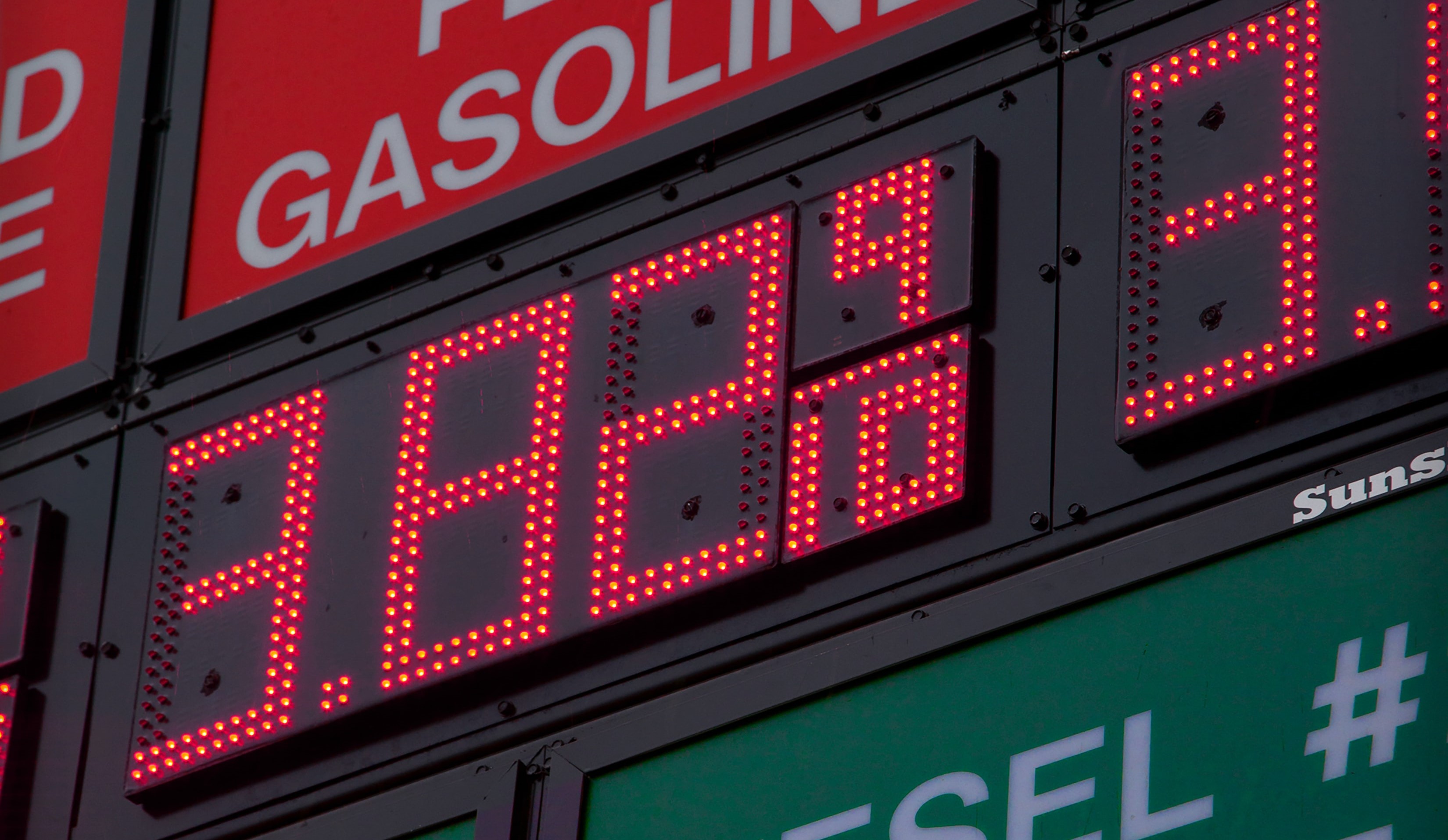
US average retail gasoline prices fell below $4 a gallon to the lowest since early March, according to data from AAA.
US consumers are already grappling with historically high food prices. It still stands to get worse.
Stocks pared gains on speculation the rally that followed softer-than-expected inflation data went too far, with the Federal Reserve still set to keep its monetary policy tight.
What if a broker/dealer tiered their approach to compliance?
Some of our funds have underperformed, although we tout our ability to “not lose as much when the market goes down.” But we’ve lost way more than the market has over the last few weeks in a few of our strategies.
Based on my anecdotal experience, I’ve come to the reluctant conclusion that many advisors are clueless about what it means to be a fiduciary.
Stocks are rallying on hopes the Fed will stop increasing interest rates this fall, pivot, and start reducing them next year. Investors are blindly buying into this pivot narrative.
Corporations will pay nearly $296 billion more in US federal taxes over the next decade, and middle-income households will see some tax cuts, under the tax-and-climate bill that is likely to become law in the coming days.
In an American housing market that for years has been plagued by too little inventory, builders are suddenly finding themselves with a glut of unsold homes.
If you have an aversion to the mathematics that go with the bond market, you’re not alone. It’s complicated and counter-intuitive, based in concepts that are hard to visualize.
US inflation decelerated in July by more than expected, reflecting lower energy prices, which may take some pressure off the Federal Reserve to continue aggressively hiking interest rates.
Elon Musk sold $6.9 billion of his shares in Tesla Inc., the billionaire’s biggest sale on record, saying he needed cash in case he is forced to go ahead with his aborted deal to buy Twitter Inc.
Coinbase Global Inc. posted a record $1.1 billion second-quarter loss and lower-than-expected revenue as the largest US cryptocurrency exchange was battered by tumbling digital-asset prices.
How many times have you had an initial consultation with a newly qualified prospect, and no matter how well you explained your process, they just wouldn’t take the next step with you?
US productivity slumped for a second-straight quarter as the economy shrank, driving another surge in labor costs that risks keeping inflation elevated and further complicates the Federal Reserve’s efforts to tame price increases.
Micron Technology Inc., the leading US maker of memory semiconductors, became the latest chipmaker to declare that demand is falling off rapidly. It warned investors that revenue won’t meet projections, sending industry stocks tumbling.
The bond market’s yield curve has a sort of mythical hold on economists and investors. It’s easy to see why, given that every recession since the 1950s has been preceded by an inverted curve, which happens when short-term rates rise above long-term ones.
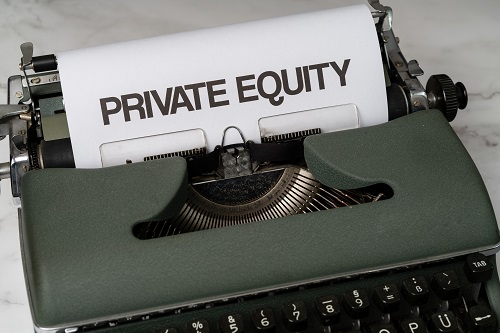
When the liquidity tide recedes, investors from sovereign wealth to billionaire family offices are getting even more impatient with hedge funds. They are discovering that a lot of these expensive money managers don’t really hedge, and the pivot toward private equity was the right decision after all.
When it comes to a comfortable retirement, women in the US have the cards stacked against them.
Tesla Inc. and Coinbase Global Inc. fans are about to get their first ETFs that amplify bets on the notoriously volatile companies, among a slew single-stock products hitting the market Tuesday.
Let's examine why communities are so important for women in finance and explore three of the top benefits of joining one.
How can advisors draw insights from “the Ferrari way”?