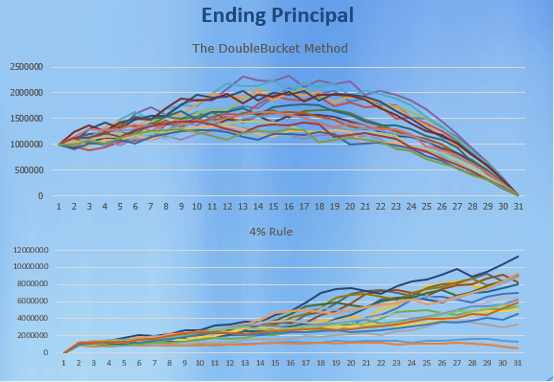
Sequence of returns risk can be totally avoided.
How would you feel to learn your financial planner came close to bankruptcy five times?
President Joe Biden and Senate Majority Leader Chuck Schumer are the biggest winners now that a huge piece of Democrats’ economic agenda is hurtling toward enactment.
Apple Inc., which used to acquire a company every three or four weeks, has dramatically slowed its dealmaking in the past two years, a sign the tech giant is being more choosy in the face of a shaky economy and heightened government scrutiny.
Warren Buffett’s Berkshire Hathaway Inc. is following an age-old adage: Buy the dip.
Gold, according to financial markets lore, is a pretty simple beast.
You would think the news that Coinbase Global Inc. had entered into a partnership with BlackRock Inc. to help institutional investors manage and trade Bitcoin would energize the slumping cryptocurrency market.
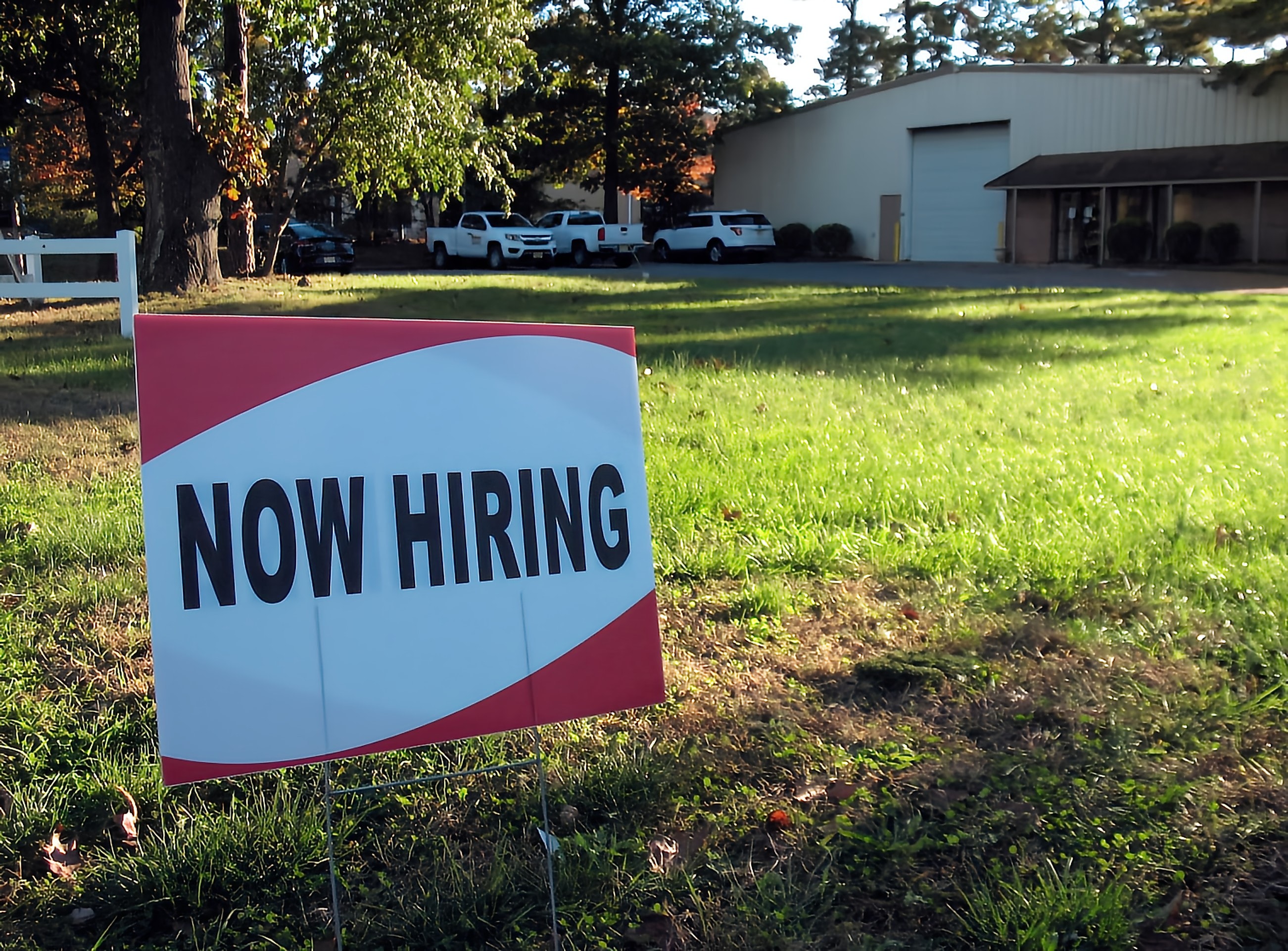
Friday’s positive jobs report — which far exceeded expectations — would seem to suggest that recession fears have been a bit overblown.
How do you know what your clients are thinking in real time, as the markets jump around unpredictably, as clients go through life changes which are largely invisible to their advisor unless the clients proactively contact them?
New research shows the corporate performance has improved as their environmental practices have become better, while energy consumption and carbon emissions have decreased.
Each generation is destined to repeat the struggles of the generations that came before it. And you can’t escape. You can’t be different – though you’ll try. Everybody tries.
According to MPT, following certain steps leads to the optimal portfolio for the individual’s risk and return preferences. But, like executing a perfect squat, knowing how to build the optimal portfolio is not enough.
Having a strong marketing foundation requires the following four cornerstones to make the tactics and strategies you implement effective.
Bitcoin lingered near $23,000 after a report showing the US added more jobs than forecast last month renewed concern that higher interest rates could reduce demand for riskier assets.
Meta Platforms Inc., one of the few S&P 500 companies without debt, is selling $10 billion in its first ever corporate bond sale as its cash flow and stock price fall.
Two new exchange-traded funds trying to capitalize on overnight equity gains, or so-called “night effect,” are taking a hit.
The fast-growing software companies that took a pounding in this year’s technology stock selloff suddenly are stars of the market, and earnings are a big reason why.
The tight labor market probably didn’t get the US into this inflationary mess, but it is part of the reason that it’s going to be so hard to get out of it.
The CHIPS and Science Act, which President Joe Biden is poised to sign into law next week, was pitched as a once-in-a-lifetime chance to revitalize the US semiconductor industry and counter Asia’s manufacturing power.
Internships at Meta Platforms Inc., the Facebook and Instagram owner, are coveted for their selectivity, high compensation, lavish perks -- and most of all, the potential job offer waiting at the end of the summer. This year, that’s more elusive.
Treasury yields surged on stronger-than-expected US employment data that shore up the case for additional hefty central bank interest-rate increases.
A tax on stock buybacks is on the cusp of becoming law, potentially hampering a beloved tactic by companies and investors to boost share prices.
Elon Musk, chief executive officer of Tesla Inc. and the world’s richest person, said he sees signs the global economy is “past peak inflation.”
China announced sanctions on US House Speaker Nancy Pelosi over her landmark trip to Taiwan this week, making her the highest-ranking US official designated for penalties by Beijing.
If there’s one thing the impending back-to-school season makes clear, it’s that the cost of higher education in the US is nerve-racking.
Do we continue to debate if it is a duck (recession)? If it looks, walks, swims, and quacks like a duck, then it is a duck.
US employers added more than double the number of jobs forecast, illustrating rock-solid labor demand that tempers recession worries and suggests the Federal Reserve will press on with steep interest-rate hikes to thwart inflation.
We didn’t need the reported two consecutive quarters of declining real gross domestic product —the unofficial determination of a recession—to tell us the US economy is already in, or at least close to, a business downturn.
Even if a downturn is narrowly avoided, high inflation and falling asset values have already destroyed wealth and made everyone poorer.
Tesla Inc.’s months-long rally took a pause Friday as the stock retreated following seven sessions of gains after the electric-vehicle maker’s shareholders approved a three-for-one stock split on Thursday.
We meet the official definition of a market correction and the unofficial definition of a recession, and we’re close to the definition of high inflation. Market corrections can and have caused recessions. Be prepared for all three problems coexisting for many years.
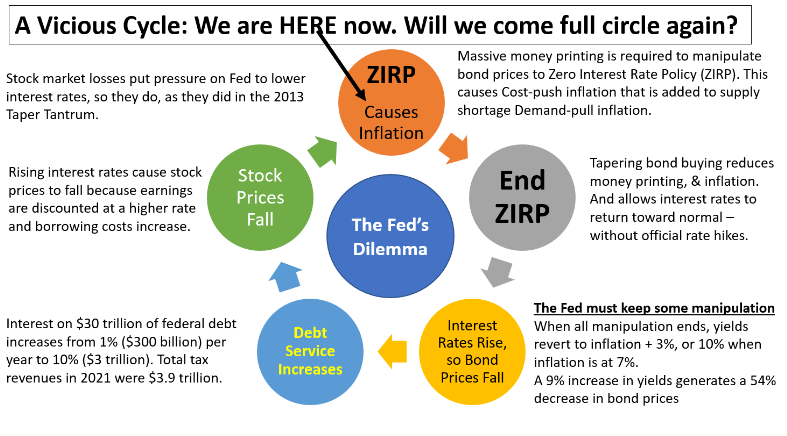
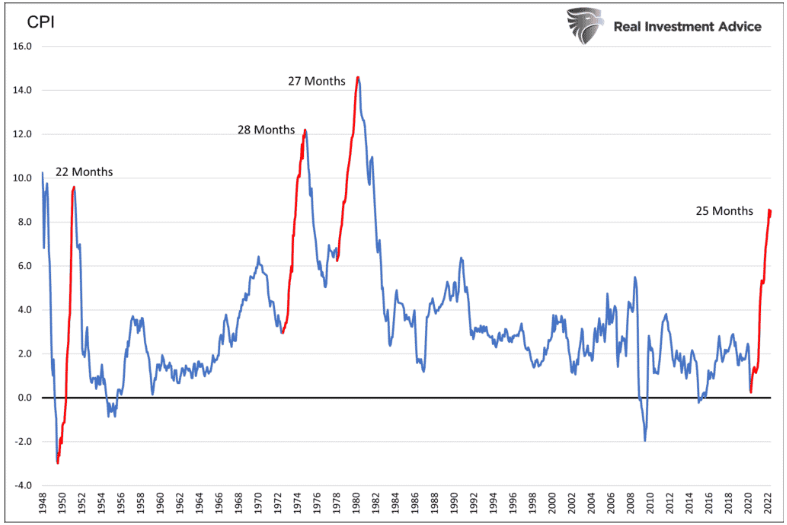
Given the Fed's enormous impact on markets and its extremely hawkish stance due to inflation, a well-reasoned inflation forecast is imperative for investors.
For some reason, people are feeling good. Animal spirits are on the run.
If American businesses can resist laying off workers in the face of declining sales at the scale they did in past downturns, the country has a better chance of skirting a deep recession.
Tesla Inc., whose status as a stock-market darling has turned it into the world’s most valuable car company, may soon win over some of Wall Street’s slowest moving skeptics: Bond-rating analysts.
A rise in the price of Bitcoin has prompted some miners of the cryptocurrency to switch on more rigs over the last two weeks even with much of the US still caught in a heat wave that boosted demand for electricity.
The latest signs of life from corporate bond issuers sure don’t signal a market that’s in a recession.
Issuers of exchange-traded funds plan to roll out a wave of single-stock ETFs. These funds, a handful of which are already available, will bet against individual stocks or amplify their daily moves or both.
When it comes to the economy, so-called soft landings are as rare as sightings of Halley’s comet.
I couldn’t resist using one of my favorite words – lagniappe. It means a little something extra, given at no cost, somewhat like the thirteenth doughnut in a baker’s dozen. Because there are so many topics and issues I could not cover in the previous chapters, here’s my lagniappe.
After the US saw inflation hit its highest levels in 40 years (since the bond bull market started), fueling bets that the Federal Reserve would embark on the most aggressive tightening campaign in a generation, it seemed that the bear market had finally started.
Everyone agrees that a recession is a contraction in real economic activity, but there’s no consensus on how deep, widespread and long-lasting the contraction has to be to deserve the “recession” label.
The latest raft of technology earnings is starting to show a clear divide between areas that may continue to grow and those that will most certainly suffer at the hands of a global economic slowdown.
Federal Reserve leaders pledged the central bank would continue an aggressive fight to cool an inflation rate that’s at a four-decade high, even if higher rates cause the risk of recession.
Facebook parent Meta Platforms Inc. has asked banks to hold investor meetings for a potential bond sale, the company’s first.
Relatively few companies manage have set up corporate donor-advised funds.
Why is persuasion so difficult?
Growth in the US services sector unexpectedly strengthened to a three-month high in July on firmer business activity and orders, easing concerns of a broader economic slowdown.
There was a major development in 2006 that transformed how Americans invest for retirement. It solved one problem, but created another that will be causing extra pain to people who retire in this economy.
Have you seen a situation where the person running the advisor team is former college football star and every single story – I mean every one – is about football?