Rather than using the traditional asset-class analysis, I have found employing a risk-factor approach particularly helpful in understanding the impact of economics and policy on markets this year.
New research shows that screening for “green” environmental, social and governance (ESG) criteria has led to positive risk-adjusted returns for corporate bonds. High demand among investors for those bonds contributed to the outperformance, raising the question of whether it will be sustained.
Buying individual bonds takes more work but is usually worth it in the long run.
What is the state-of-the-art for consolidating a tech stack and protecting client data?
Dave Calhoun was brought in as Boeing Co.’s chief executive officer to steer it through a crisis that unfurled after the crashes of two of its 737 Max jets.
Investors are losing one of their few places of refuge in this year’s stock market plunge, as the selloff in energy shares that started last month is leaving them with nowhere to hide.
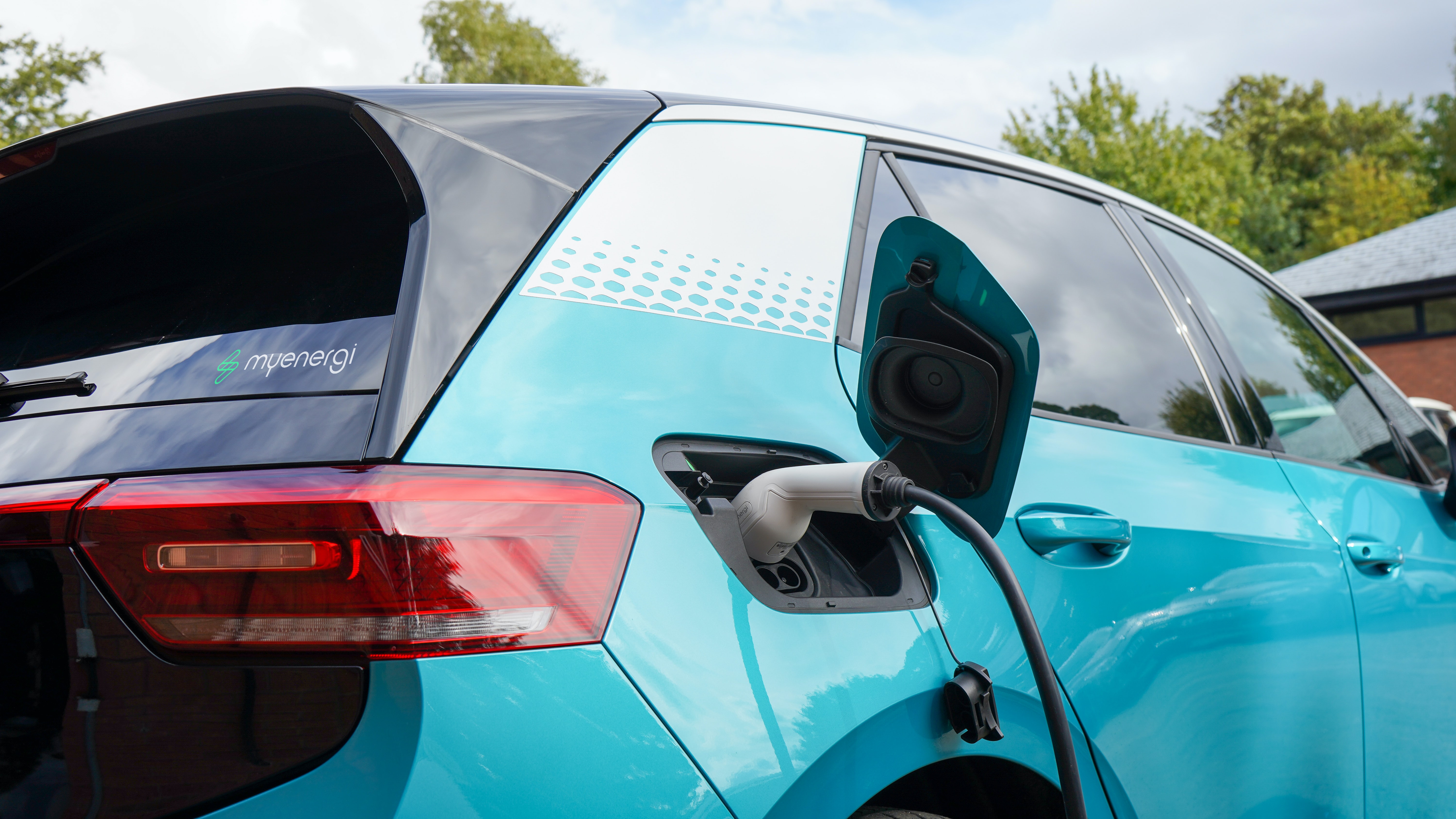
Automakers have announced a whopping $526 billion collective investment in electric vehicles through 2026.
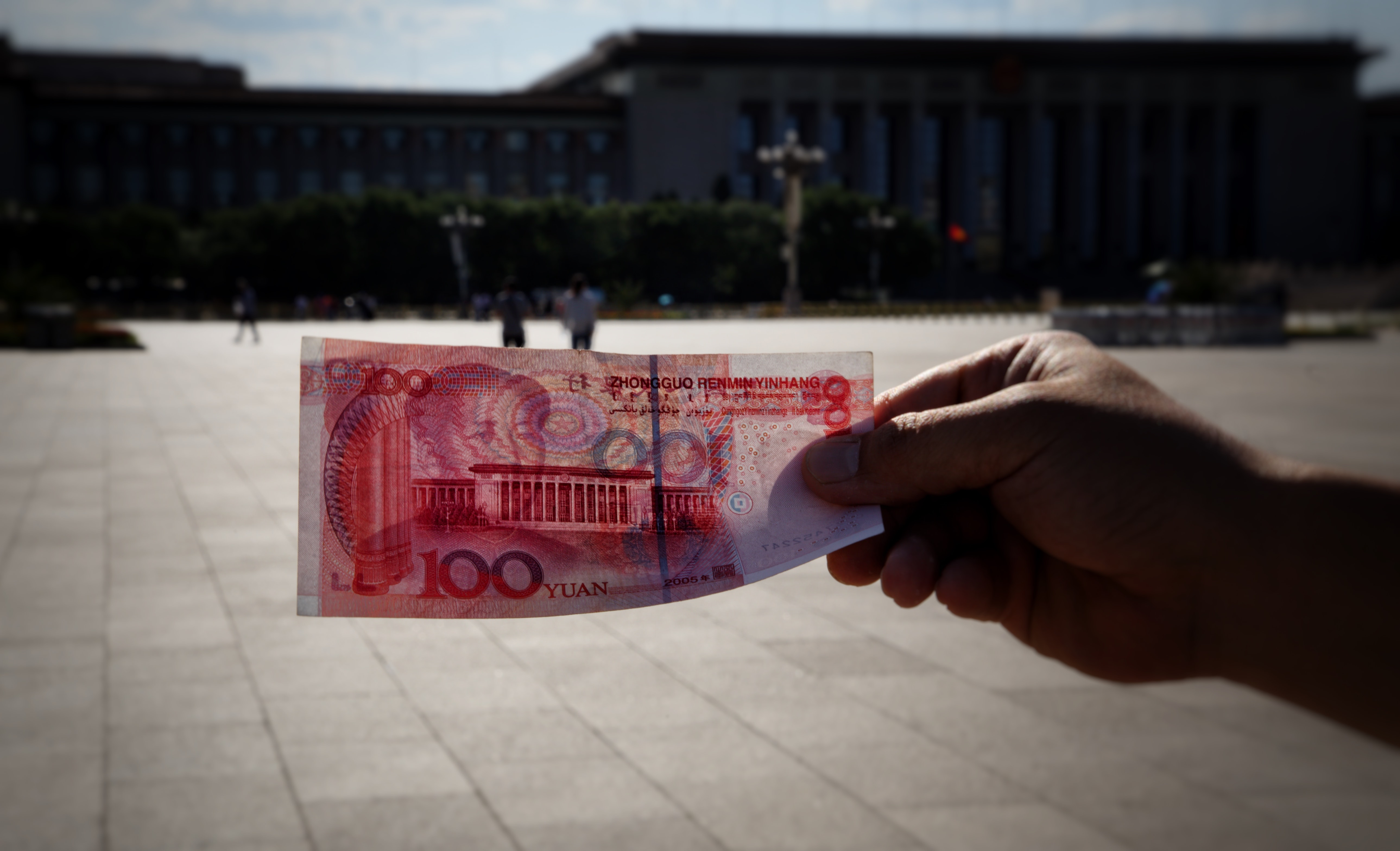
China’s Ministry of Finance is considering allowing local governments to sell 1.5 trillion yuan ($220 billion) of special bonds in the second half of this year
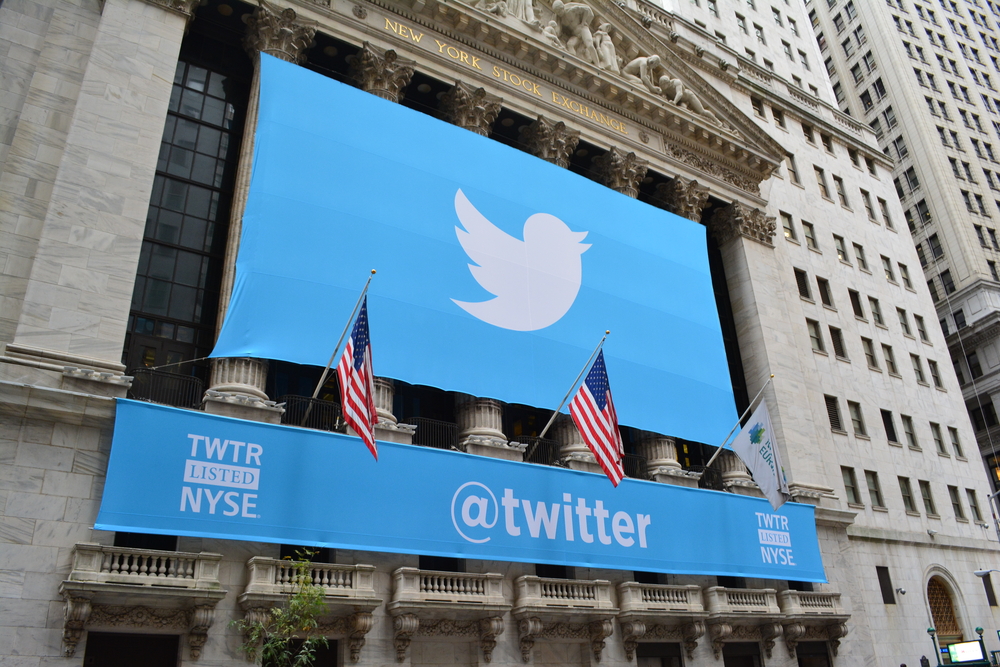
Elon Musk is trying to end an agreement to buy Twitter Inc. for $44 billion and take it private, alleging that the company misrepresented user data and setting the stage for an arduous court brawl.
After a record fundraising year, there are worries that private equity’s golden era is over.
Tesla Inc.’s shipments from its Shanghai car plant surged to a record last month, a dramatic recovery from lockdown measures that stunted output for weeks.
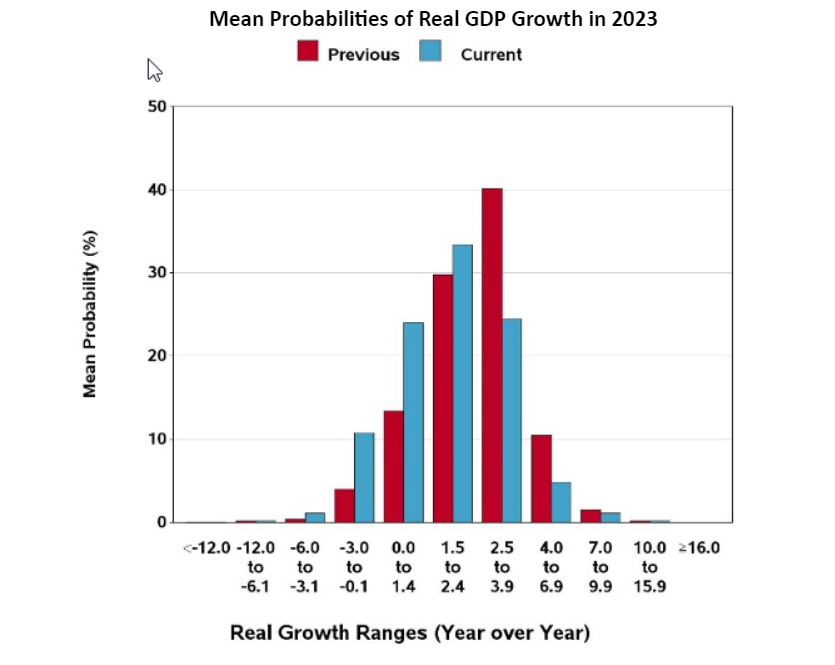
As the latest report showed, predictions of the economy’s imminent demise have been greatly exaggerated.
The California Public Employees’ Retirement System sold about $6 billion of its stakes in private equity funds to second-hand buyers, severing ties with a slew of past managers and freeing up cash for new wagers.
Markets are slumping. Crypto has cratered. Yet one corner of the financial world continues to offer investors strong, low-risk returns: Humble I bonds.
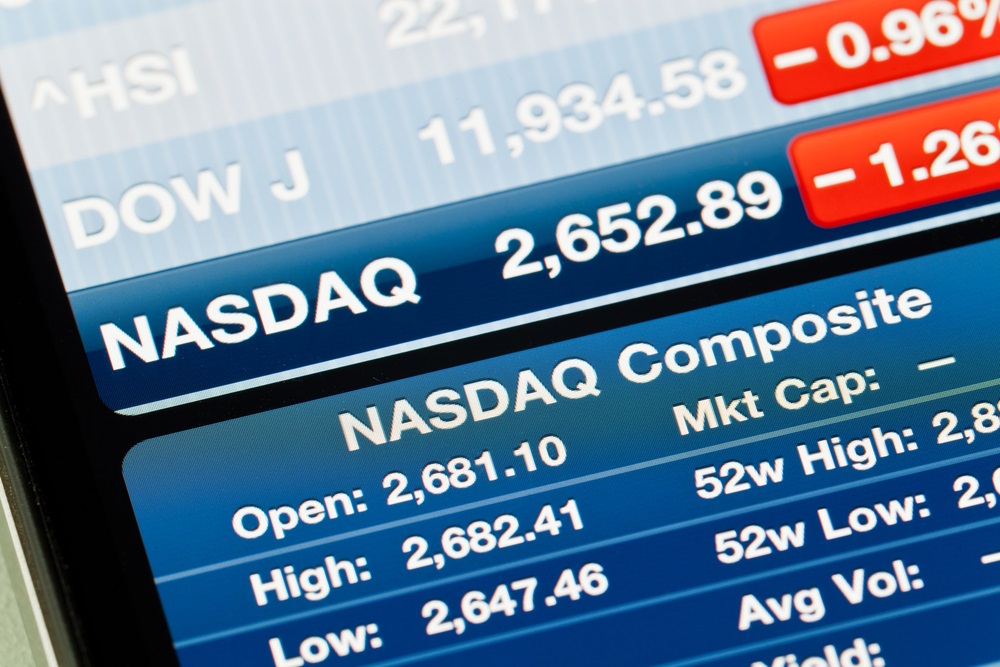
A rally in risk assets this week is sending traders to some of the most speculative corners of the technology sector, where gains in beleaguered stocks are more than double those of Nasdaq 100’s advance.
Homebuyers may eye the sudden dip in US mortgage rates as a welcome opening. But with sellers starting to cut prices, experts say the market cooldown is just beginning.
Oil is set for a weekly loss after choppy trading in which concerns over a demand-sapping slump clashed with signals of tight supply.
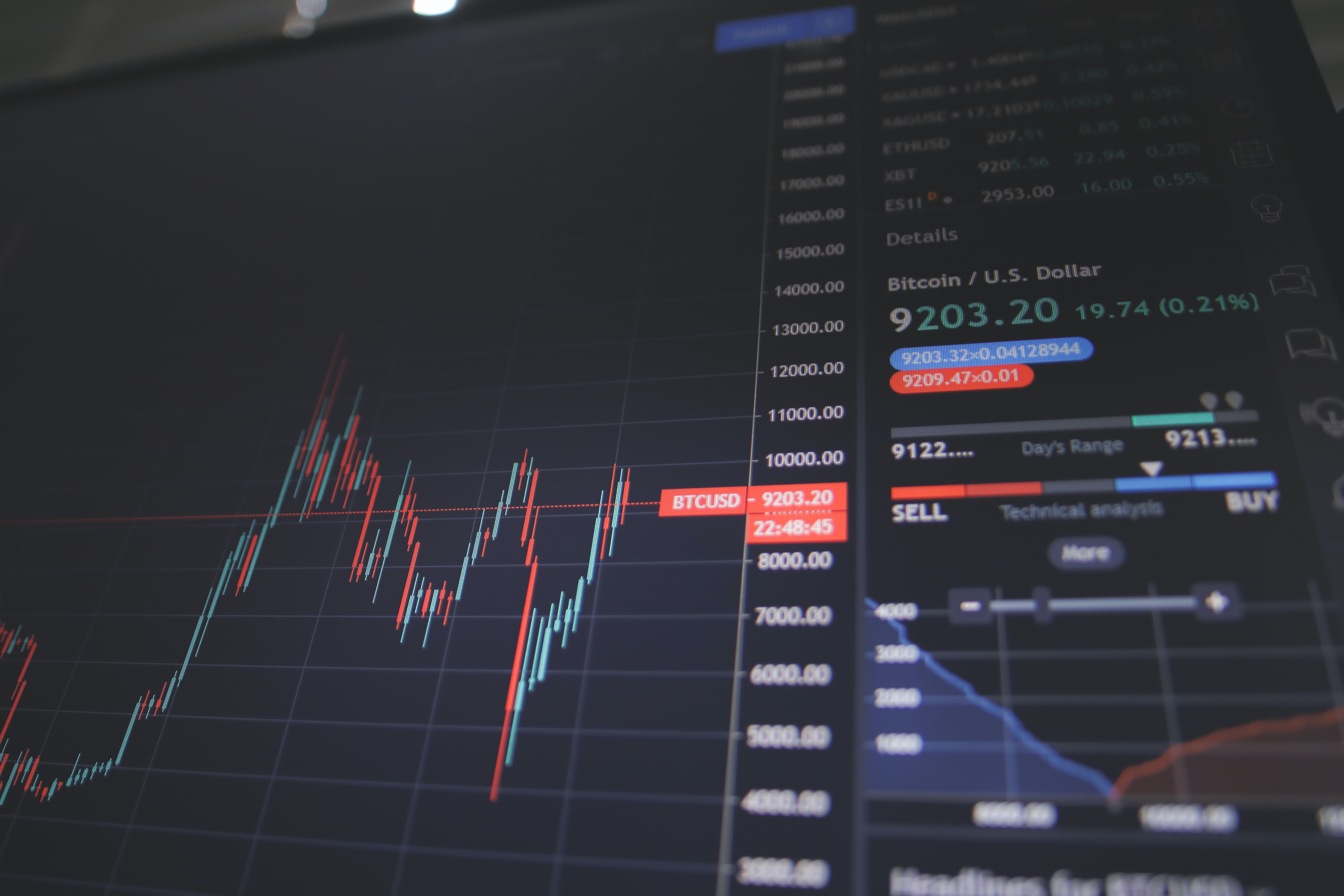
With each passing day, the brave new world of cryptocurrencies is looking more like the perilous old world of Wall Street circa 1929 or 2008.
The SPAC market is off to a brutal start to 2022, but a few bright spots with key similarities may point to a way out of the morass -- find solid businesses with room to grow.
Musk’s team has concluded that Twitter can’t verify its figures on the spam accounts and has “stopped engaging” in discussions around funding the deal.
The Supreme Court’s decisions on abortion and gun safety reinforced how ideology polarizes politics and prevents civil discussion and progress. Market ideology has also polarized discussion and harmed advice standards.
Markets were exceptionally volatile during the first half of 2022, foreboding poor capital market returns. Here is a quick review of nine areas of heightened risks.
BlackRock Inc.’s greenest exchanged-traded funds have seen a 30% increase in inflows as investors seek out the most credible ESG products amid a wider cooling toward the industry.
It’s getting complicated for investors in semiconductor stocks, with last year’s big chip shortage morphing into an inventory glut for some companies, and others getting caught up in geopolitics.
The labor market has come a long way over the past year.
Why did the bond market make its latest swerve? In the current febrile environment, data that are generally regarded as distinctly second-tier can have a big impact.
The end of Boris Johnson’s run as prime minister may ease the sense of political chaos, but it won’t fix any of issues depressing UK markets.
Meta Platforms Inc.’s upcoming high-end headset for virtual and augmented reality will be called the Meta Quest Pro.
Depending on risk and diversification, 401(k) plans have lost between 4% and 20% so far this year. Unlike most other periods when stocks lost money, bonds have not defended well this time.
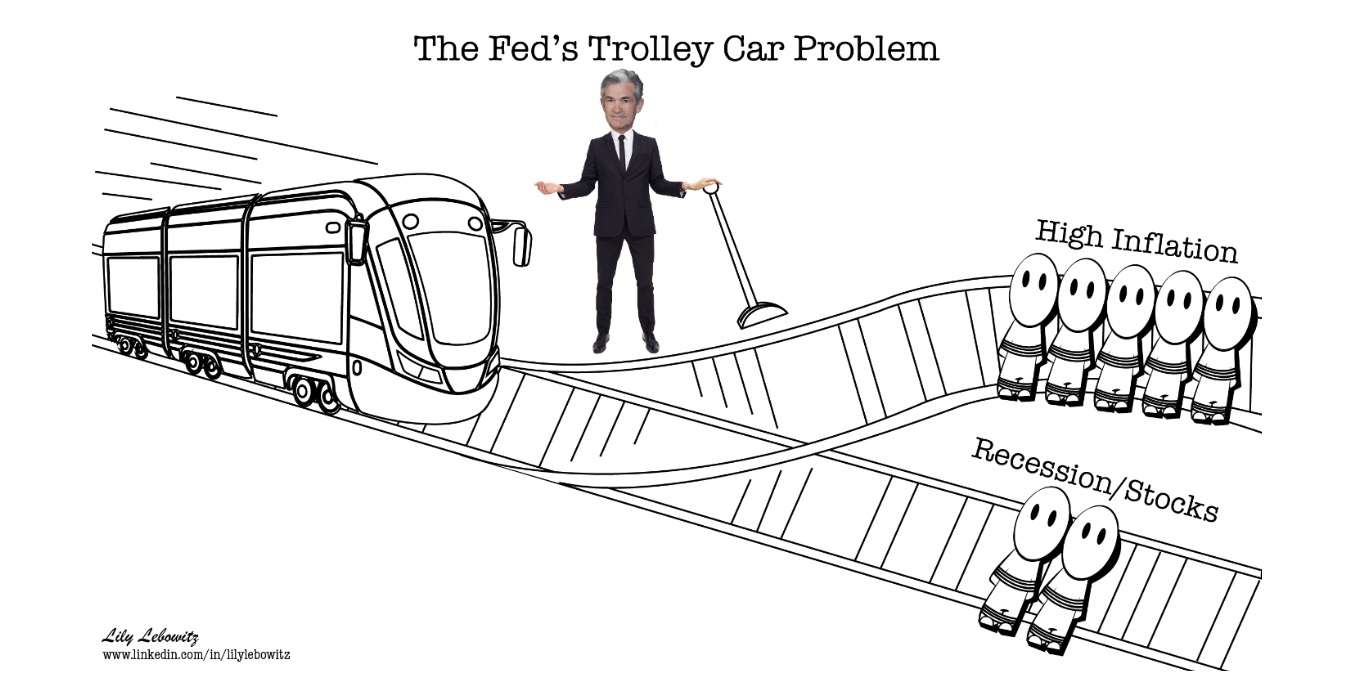
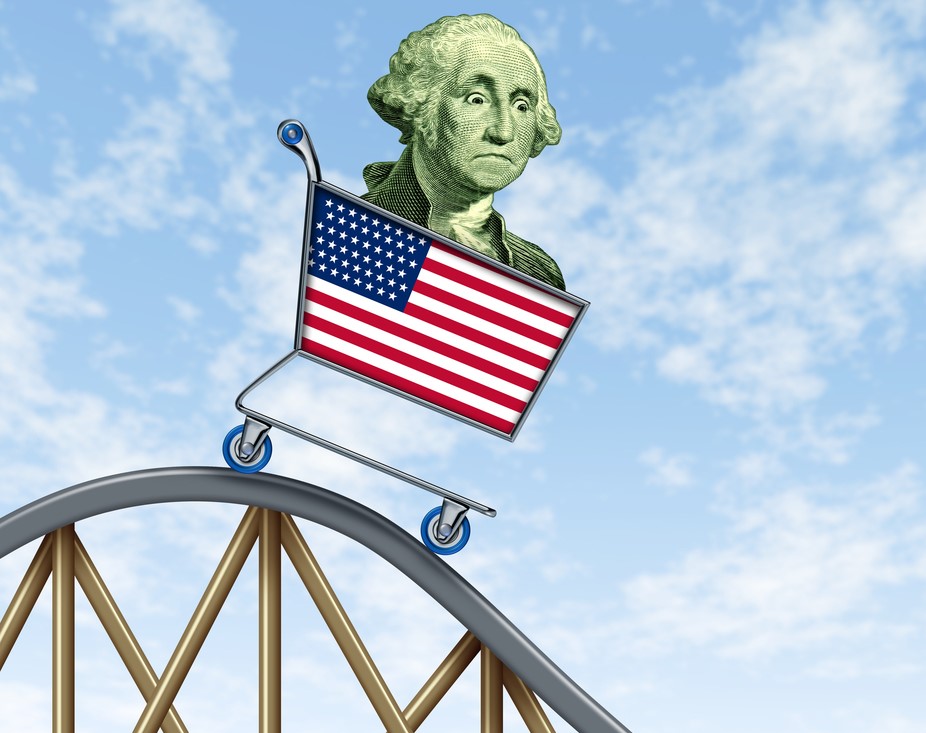
The trolley car problem is a well-known ethical question that forces one to choose between two poor consequences. For the Fed, it is whether to allow inflation to fester or to force the economy into a recession.
The recession calls are getting louder on Wall Street, but for many of the households and businesses who make up the world economy the downturn is already here.
US stock futures extended gains after markets closed Tuesday as investors appear to be embracing risk, at least for the start of the week, as markets resume trading in full force following America’s long Independence Day holiday weekend.
In an effort to make sense of this mad market — to catalogue in close-to-real-time every one of the EVs on offer at the moment — we’ve produced a rating of electric cars.
Washington’s latest move to restrain Beijing from fostering its chipmaking industry is powering China’s semiconductor stocks as the US restrictions could fire up support for homegrown technology.
Week after week of on-the-fly calculations about the intensity of inflation and the likelihood of a recession are preventing markets from finding equilibrium.
Copper plunged below $7,500 a ton as fears of a global economic slowdown piled pressure on industrial metals and deepened their retreat from record highs just months ago.
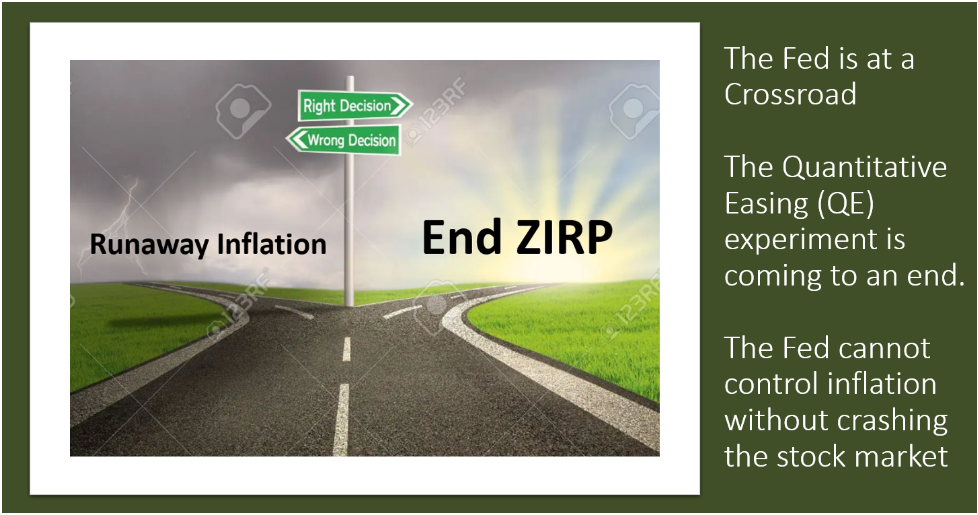
Federal Reserve Chair Jerome Powell sounds as committed as ever to crushing the worst inflation in 40 years. But the economy is shifting under him.
In what has become one of the worst years on record for the stock market, with the S&P 500 Index down 20%, the Solactive Roundhill Meme Index is down much more, tumbling in excess of 50%.
When was the last time that you practiced a client meeting? Full blown dress rehearsal: You’re in a suit, sitting down in your conference room, going through the handouts, anticipating the questions, knowing how you are going to respond.
I’m finding some questionable accounting as I am going through the financials from the last few years.
Persuading prospects to engage in financial planning is a struggle. Even when this obstacle is overcome, convincing them to implement the plan can be equally daunting.
Let’s talk about results-oriented thinking.
Summer is a time for vacation, relaxation and spending time with family and friends. It can also be a time when female financial advisors struggle to achieve work-life balance. Juggling work and personal responsibilities is challenging, but it’s possible.
If you have your own independent firm (i.e., RIA), you are not immune to the macro effects of the downturn either. You will be squeezed as well.
Everyone is stressing about consumer debt. Investors have been dropping the shares of big banks, credit-card specialists and younger fintechs because of fears about the pain that rising living costs and interest rates will inflict on borrowers.
Zapper is considering options to raise capital, including a stake sale, that could value the South African startup at nearly $1 billion, according to people familiar with the matter.
This is an environment in which it is hard to argue for silver linings, especially when so many analysts are warning that additional losses may be ahead in both public and private markets. Yet three are already evident.
With the US bear market entering its seventh month, it’s not too soon to think about what other risks might be lurking. Private equity is at the top of the list.
Signs of a rapidly deteriorating US economic outlook have spurred bond traders to pencil in a complete policy turnaround by the Federal Reserve in the coming year, with interest-rate cuts in the middle of 2023.
For anyone who’s retired or nearing retirement, sinking stocks, rising inflation and the prospect of a recession can be a nightmare economic brew.