Surging inflation showed little sign of abating last month, indicating that grocery bills will keep going up, markets will remain volatile and investors will continue to feel pain in their 401(k)s.
The latest US inflation report should be a reality check for Wall Street, but many investors are still wearing rose-colored glasses. Bond yields ticked slightly higher Wednesday after the Labor Department reported that consumer prices rose more than forecast last month, but they are still nowhere near reflecting the monetary policy path it may take to rein in inflation.
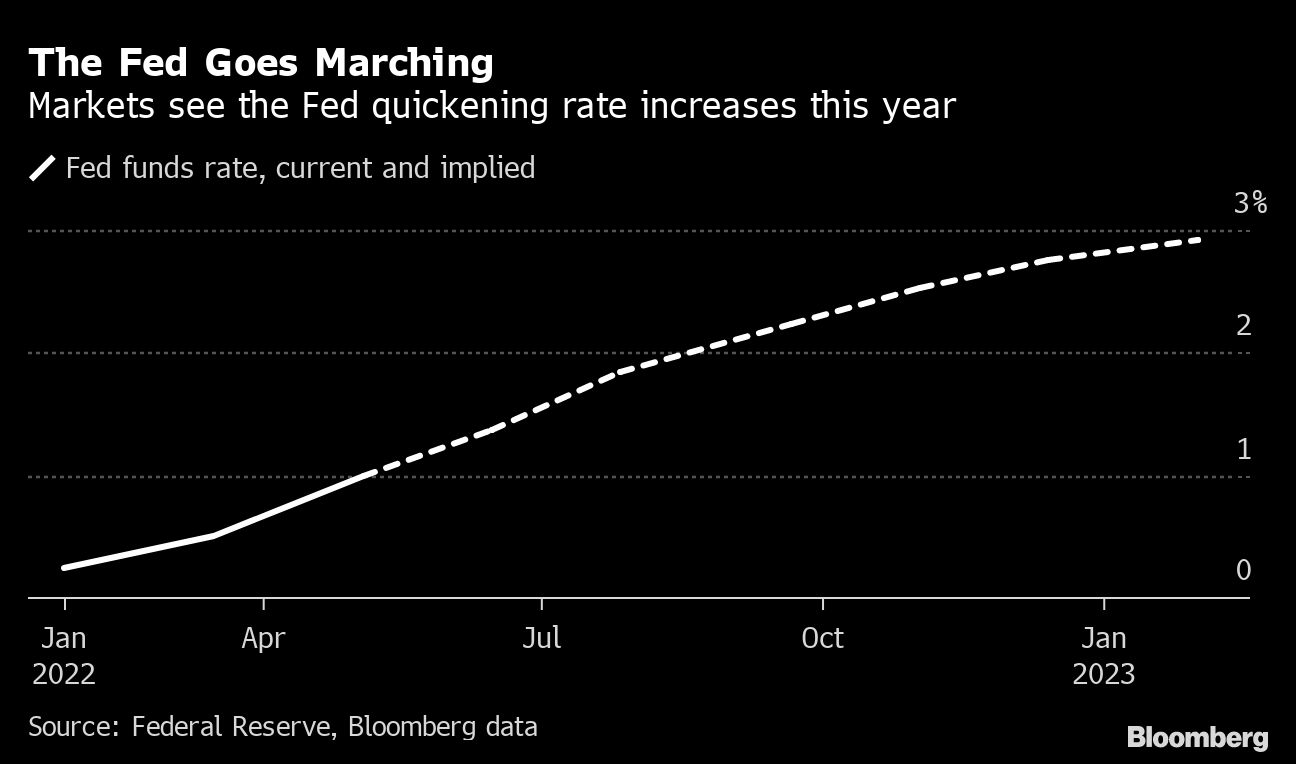
Federal Reserve officials face pressure for more aggressive action after a hotter-than-expected inflation reading for April, though so far officials are sticking with their strategy to keep raising interest rates by a half point at each of their next two meetings.
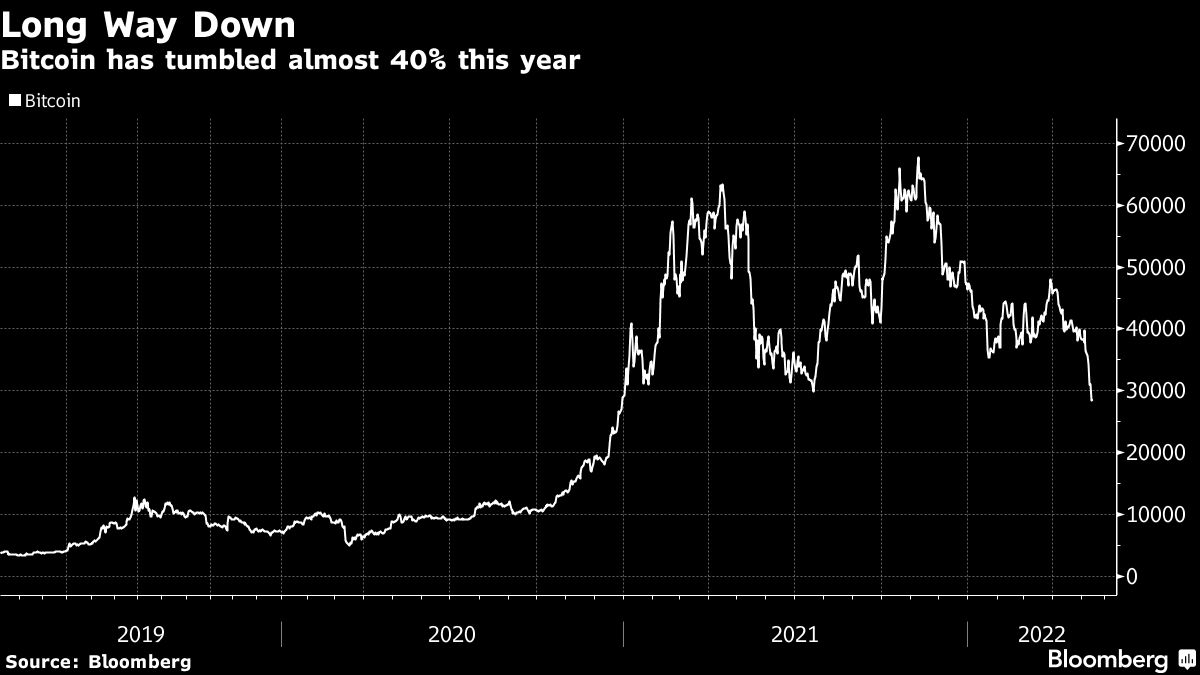
As markets slumped in unison on Thursday, traders pointed to the chaos in crypto as a focal point of their concern. Strategists are increasingly worried that small traders, already nursing losses from the meme stock craze, will be wiped out on their crypto holdings and sell everything else.
Feeling a bit cheated when you look down at your plate? It’s not just a figment of your imagination — portions at US restaurants are indeed getting smaller. Call it shrinkflation: when sizes shrink, but you’re paying the same price, or sometimes even more, for the meal or product.
ICYMI: In this roundup, we’re highlighting the five most popular pieces of content from the previous week.
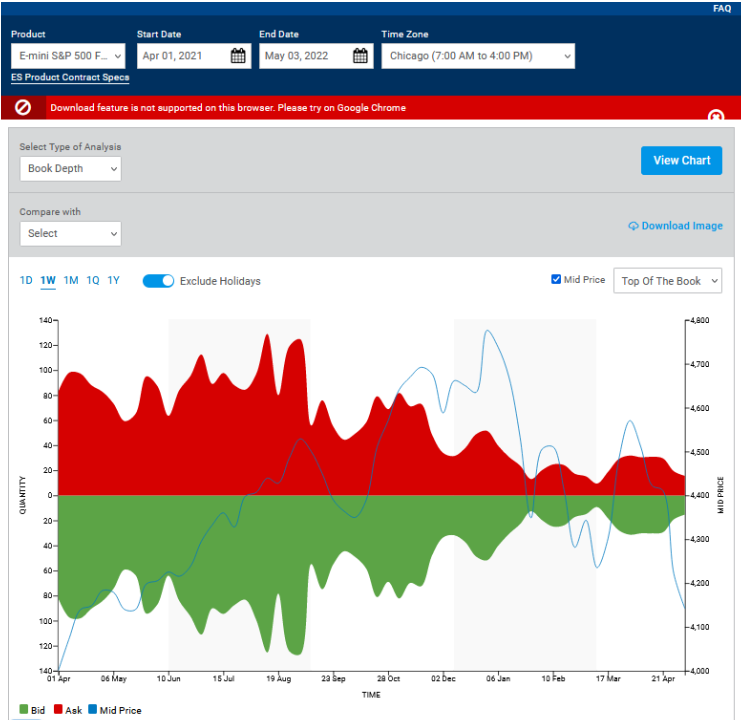
Liquidity is fading due to the Fed, and therefore volatility is on the rise. Illiquid and volatile markets are not conducive to long-term wealth generation.
At a time when New York towers are struggling with high vacancies and many workers are still remote, money managers are seeking to accommodate growing staff and encourage in-person collaboration with trendier digs. Along with tech companies, they’re helping to fill part of the void left from employers giving up space -- even as Manhattan’s office supply continues to grow faster than demand.
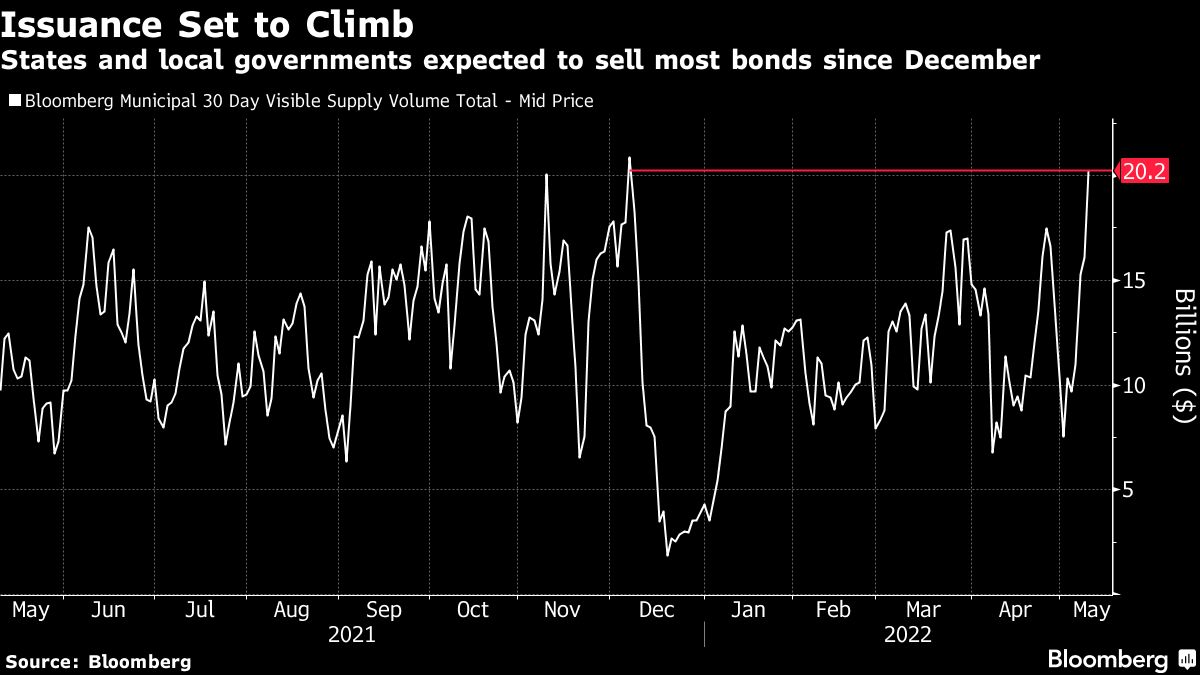
The nation’s local governments are expected to sell $20.2 billion of debt over the next month, the most since early December, according to a Bloomberg index that tracks municipal bond sales announced for the next 30 days. The gauge doesn’t represent the full tally of what actually hits the market, as many deals come with less than a month’s notice.
Problems occur when a market shift reduces investment opportunities after a period when investor capital has been scaled up. The current climate portends such a shift.
Since President Joe Biden was elected, millions of Americans with student loan debt have waited for him to fulfill a campaign promise of forgiving at least $10,000 per borrower. While Biden recently extended the payment moratorium for the loans until Aug. 31, pressure is mounting on the administration as the midterm elections approach.
For all the benefits of the democratization of finance that gave the masses access to the markets on the cheap, the unavoidable downside is that it is impossible to ignore the market’s flailings any more. In olden times, you had to use a “telephone” to speak with a “human” broker to check on your portfolio, if you weren’t willing to wait for the “postal service” to deliver your monthly or quarterly statement.
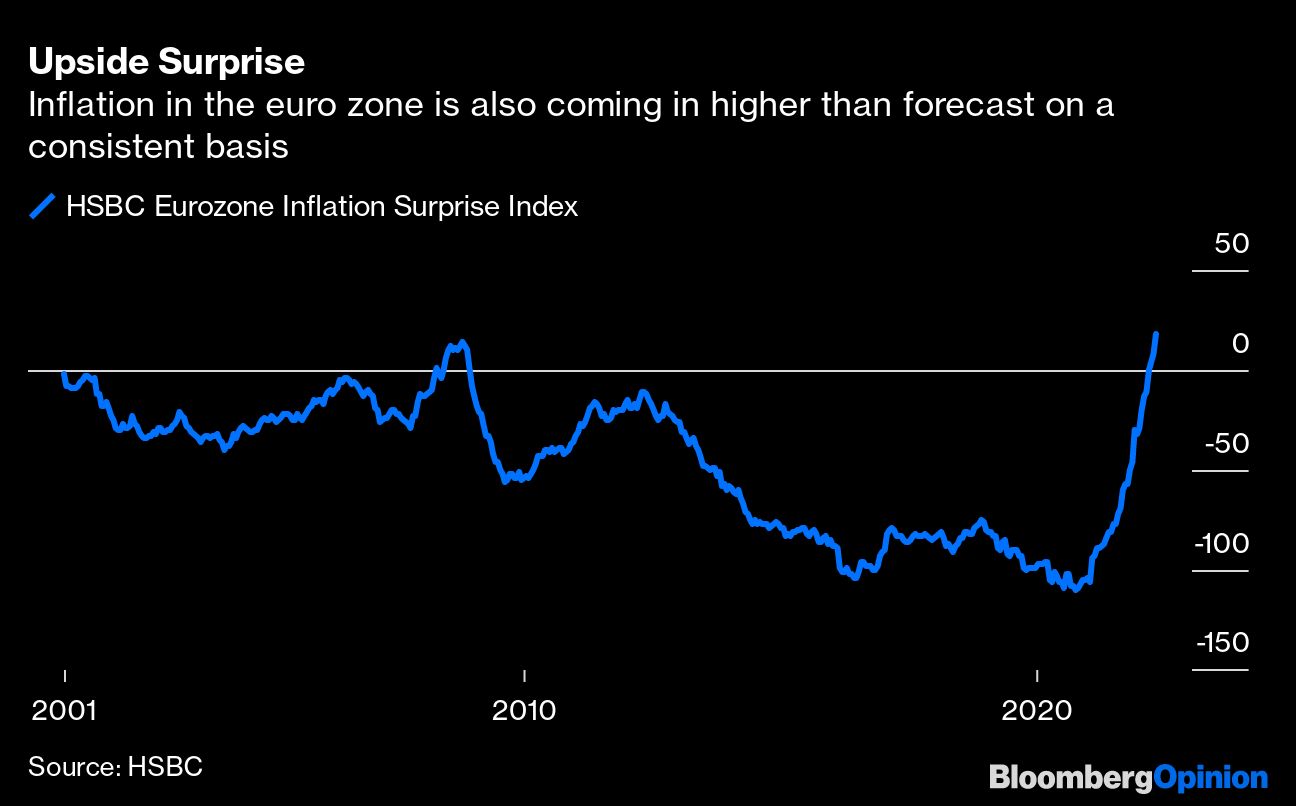
There was a time, some 12 years ago, when I bowed to no one in my enthusiasm for bonds. Longer-dated government debt yields had surged after the global financial crisis. Yet for various reasons, inflation was likely to remain subdued, I argued. US Treasuries and even German bunds yielded about 3.5% at the time. Although headline inflation waxed and waned, it consistently came in below forecasts for the next 10 years.
The issue is that she doesn’t listen. She interrupts clients.
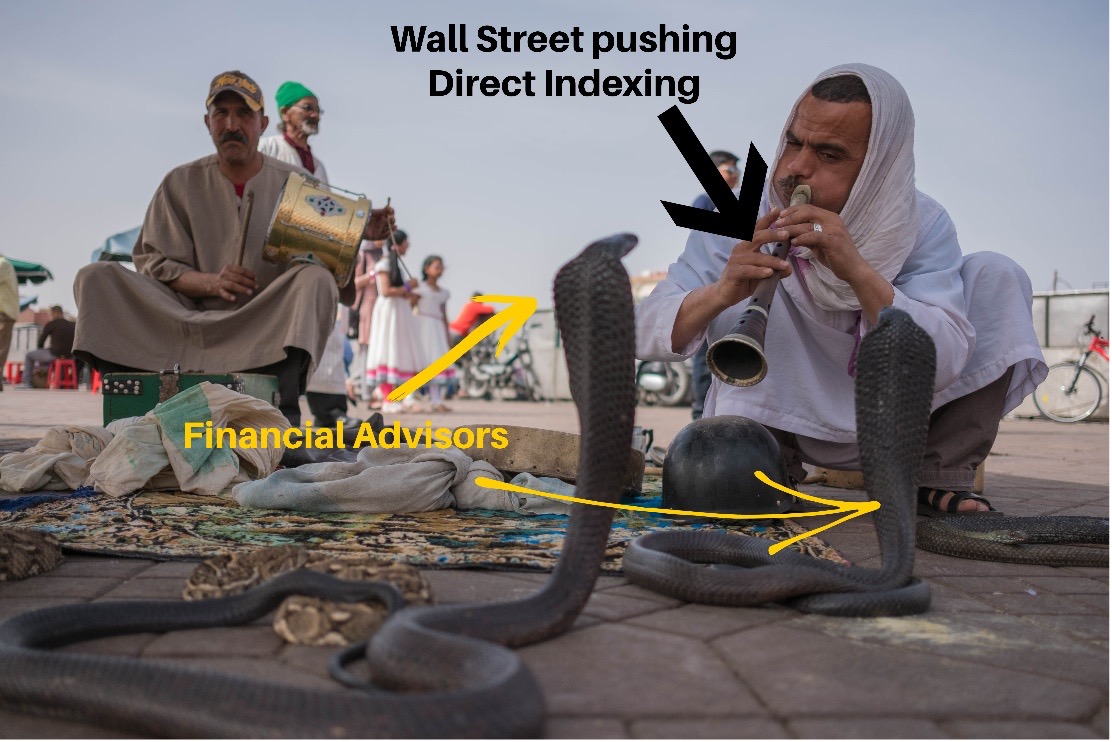
I don’t care how many PhDs are going to argue against me; direct indexing is Wall Street’s attempt at squeezing more fees out of the America public using advisors as the pawns.
You can have a transformative impact by simply asking the right question. Here are two examples based on my personal experience.
While I am not a practice management guru, an experience I had this past year warrants sharing. it led to adding value to your clients in a way few of you do.
The new Investment Advisor Rep CE requirement isn’t just more training required by regulators; it’s an opportunity for advisors to start or continue on the right path with clients.
The SEC staff thinks that fiduciary care is irrelevant. It has no more value to consumers investing retirement funds than it does when they buy clothes.
To achieve its mission of reducing inflation, the Fed will keep raising rates, according to Albert Edwards, and won’t stop before the S&P 500 hits 3,000.
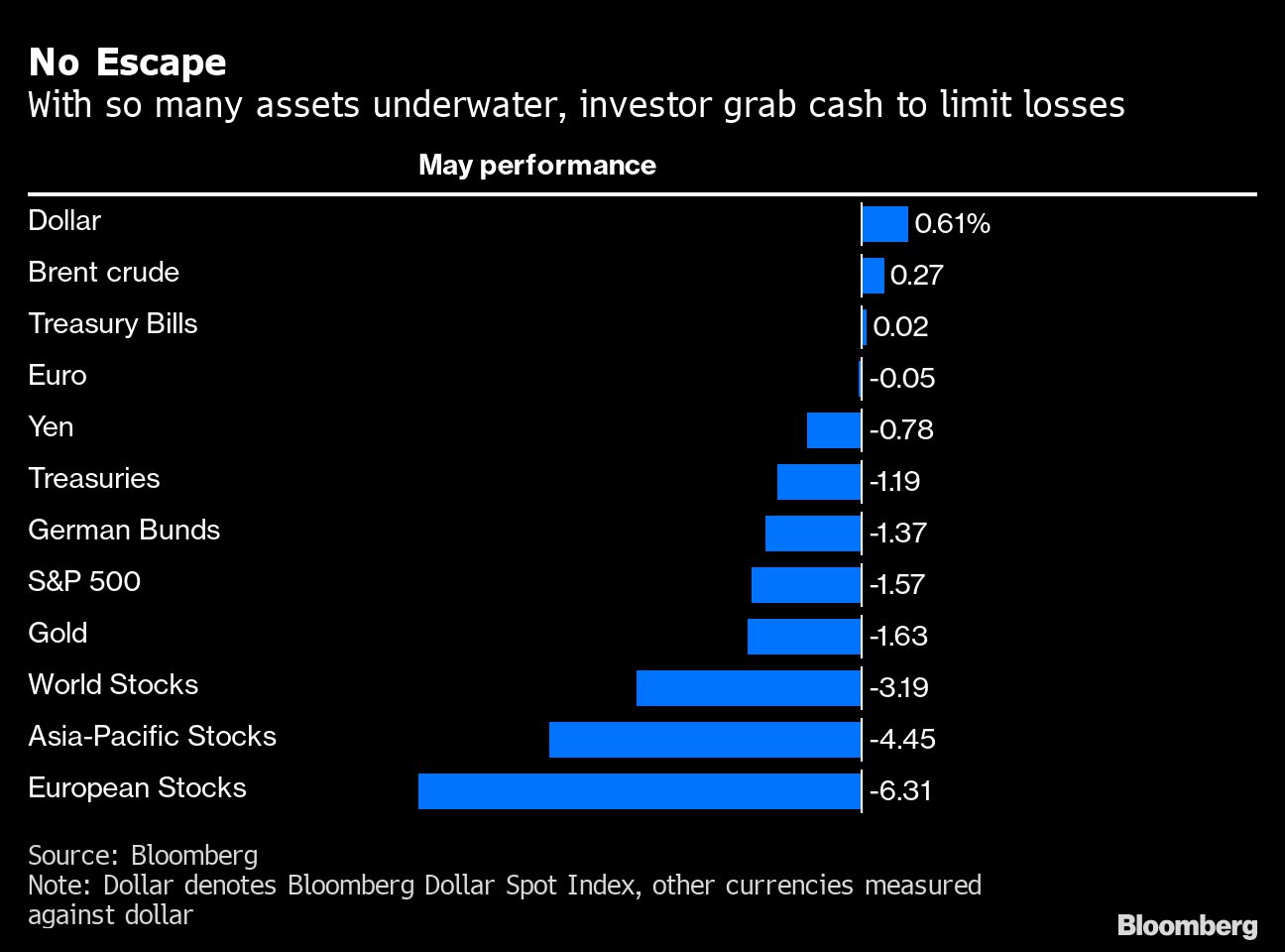
The Bloomberg Dollar Spot Index has trumped all other assets this month, notching a 0.6% advance at a time when stocks and bonds are tumbling. Investors have poured cash into an exchange-traded fund tracking Treasury bills for five weeks, clocking up the biggest inflows since 2020.
Stock markets continued to sink following last week’s recession worries, fueled by the Federal Reserve’s rate decision and the threat to global growth from China’s continued Covid lockdowns. The fear could be seen across asset classes, as traders offloaded equities and other risk assets in favor of cash.
If you’ve been paying attention to prices of gold and gold mining stocks the last few weeks, you probably noticed that they go up when the stock market goes up, and they go down when the stock market goes down, limiting the usefulness of gold as a hedge. This isn’t the first time this has happened.
With the average U.S. mortgage rate above 5% and home prices at record highs, homeownership feels increasingly out of reach, particularly for young, first-time buyers. To make it work, some are renting out rooms or basements and using the extra income to help offset their costs.
U.S. investment-grade debt sales have missed Wall Street estimates for two consecutive weeks with issuers choosing to sit on the sidelines instead of braving volatile markets. Bond sales were expected to pick up this week amid a growing backlog, but seven potential issuers opted to stand down amid broad volatility on Monday.
With Amazon.com Inc. down 33% this year and Meta Platforms Inc. tumbling over 40%, you might expect, or at least hope, the carnage in Big Tech is nearly over. You would probably be wrong, according to Dan Suzuki, deputy chief investment officer at Richard Bernstein Advisors.
What does meditation have to do with money? By becoming aware of our thoughts and feelings, we are more likely to make financial decisions that are consistent with our values, life aspirations, and authentic goals.
Does conducting your firm’s internal annual review have to cause annual stress, work overload, and a headache?
The historical data has shown that the value premium is smaller for large-cap securities than for small caps. But new research shows that large-cap investors can increase the premium by pursuing an equal-weighted strategy.
Larry Swedroe and Sam Adams’ new book, Your Essential Guide to Sustainable Investing, resolves the confusion in sustainable investing.
Unless RIAs modify their communications strategies, the failure to address the need for retirement income communications will be felt for years.
Advisor Perspectives has announced its Venerated Voices™ awards for commentaries published in Q1 2022.
Unless you create deep trust first, any qualification process will make your potential client feel you only want to know if they’ll buy your services.
Investors have had an unpleasant 2022, to put it mildly. Both stocks and bonds have dropped by more than 10%. On top of that, inflation rates at around 8.5% are the highest in four decades, reducing the purchasing power of whatever remains investors’ portfolios and promising big increases in interest rates by the Federal Reserve that threaten future investment returns.
Elon Musk, Marc Andreessen and Cathie Wood have spent the past few days on Twitter exchanging ideas about how investing and financial markets work — all in the name of liberating small-fry investors from elite giants that manage and peddle index funds.
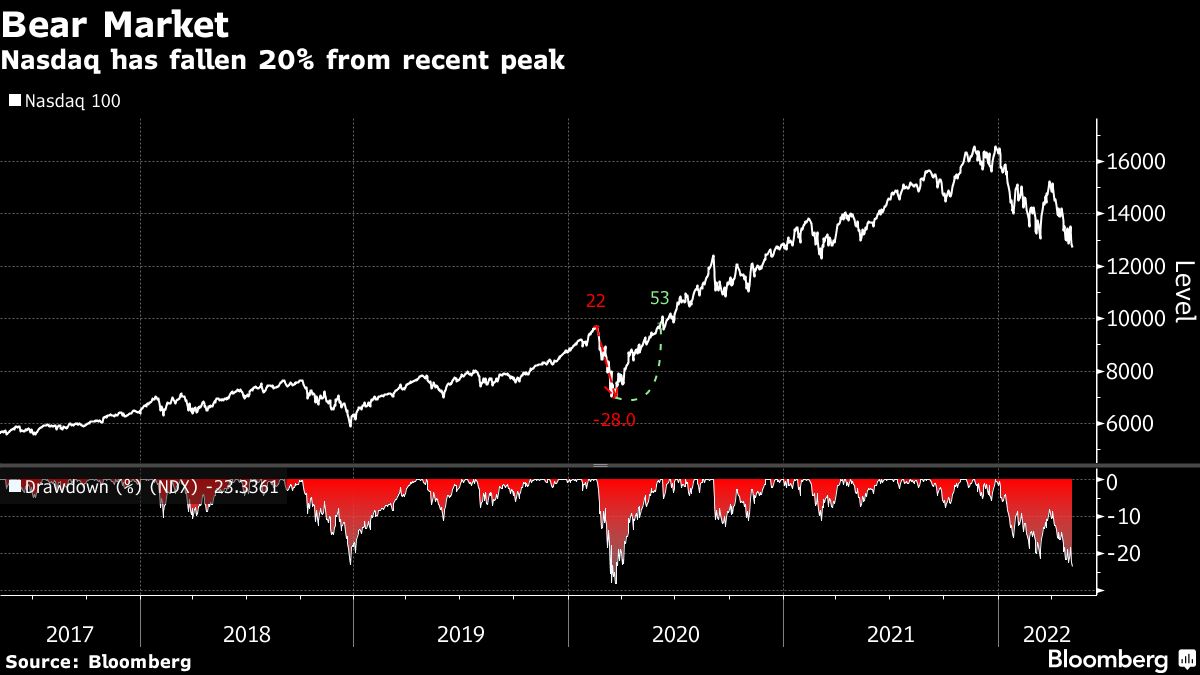
First it was a rout in the stay-at-home names that surged in the pandemic. Then speculative software makers with barely any earnings went south. Now the giant technology names whose sway on benchmarks has been decried by bears for years are dragging the market down.
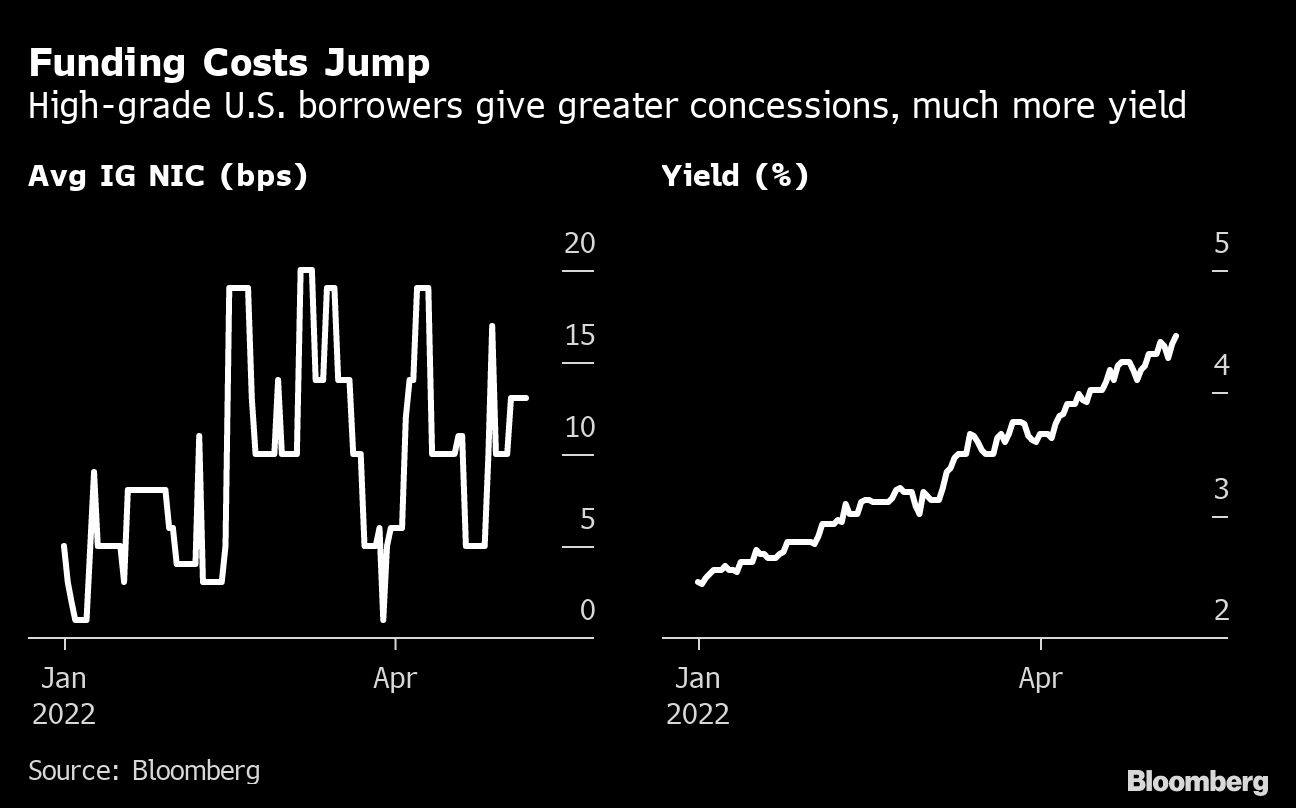
With volatile markets fraying investors’ nerves, companies are now paying the biggest premiums to sell new bonds since the height of the coronavirus pandemic two years ago.
When stocks are plunging, checking your investment accounts is risky business. The market turbulence is jarring for younger investors, who had gotten used to the idea that stocks always go up. And for those with a bit more experience, watching hard-earned money suddenly disappear is a terrible experience.
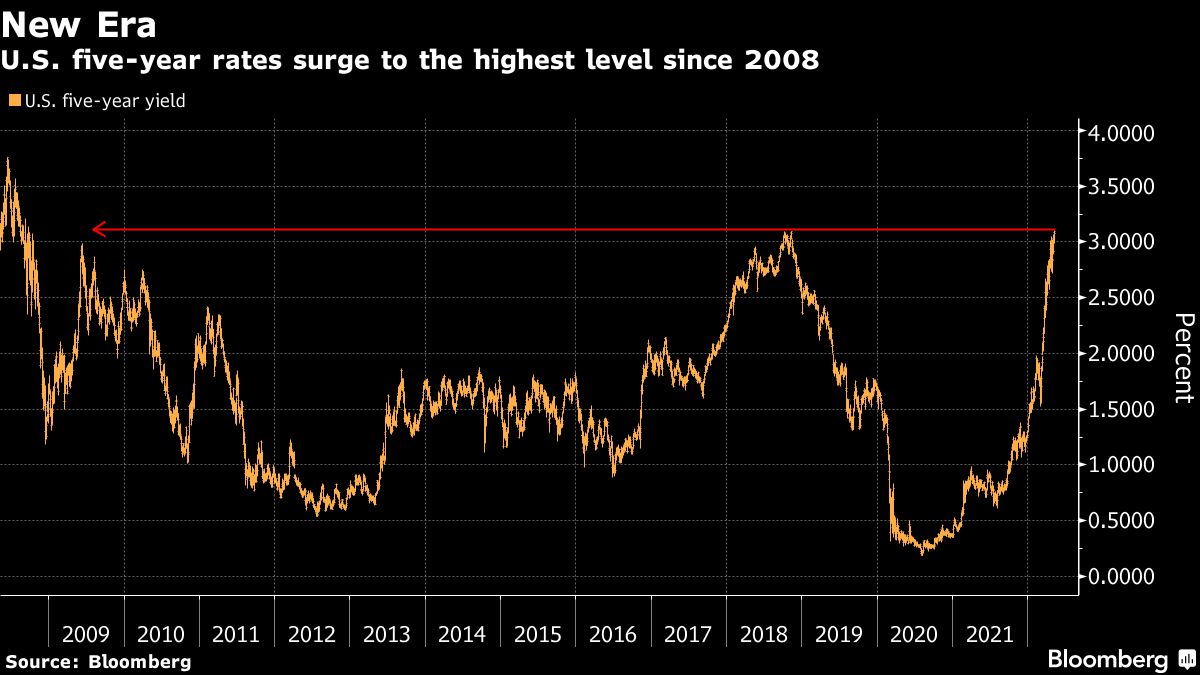
U.S. Treasuries tumbled Monday, driving the yield on five-year notes to the highest level since September 2008 amid speculation persistent inflation will prompt the Federal Reserve to tighten policy more aggressively.
The Fed is on a single-minded mission to fight inflation, according to Jim Bianco. To do that, it will crush stock prices and home values.
LinkedIn statistics show that members who include a professional photo receive 21x more profile views and up to 36x more messages.
When you say: “Hi, I’m just ‘following-up…” it sends the message that you care about making the sale more than solving their problem.
The ocean shipping industry, among the world’s biggest polluters, is asking a key regulator to overhaul its emissions directives so that all carriers are working off the same rulebook as they make the expensive changes needed to cut output of harmful carbons.
The Federal Reserve has finally started to get real. It increased the policy rate target Wednesday by 50 basis points. More rate hikes are expected as the Fed tries to bring down inflation. But will this be enough?
Consumers seem undaunted by higher prices of everything from luxury cars to beer, letting companies like Anheuser-Busch InBev NV and BMW AG boost profits despite economic threats ranging from inflation to war to China’s Covid flare-up.
Higher interest rates from the Federal Reserve's efforts to get a handle on inflation have contributed to the stock market's worst start to the year since 1939. That's bad news for investors, but the market signal being sent to corporate America is good news on the inflation front.
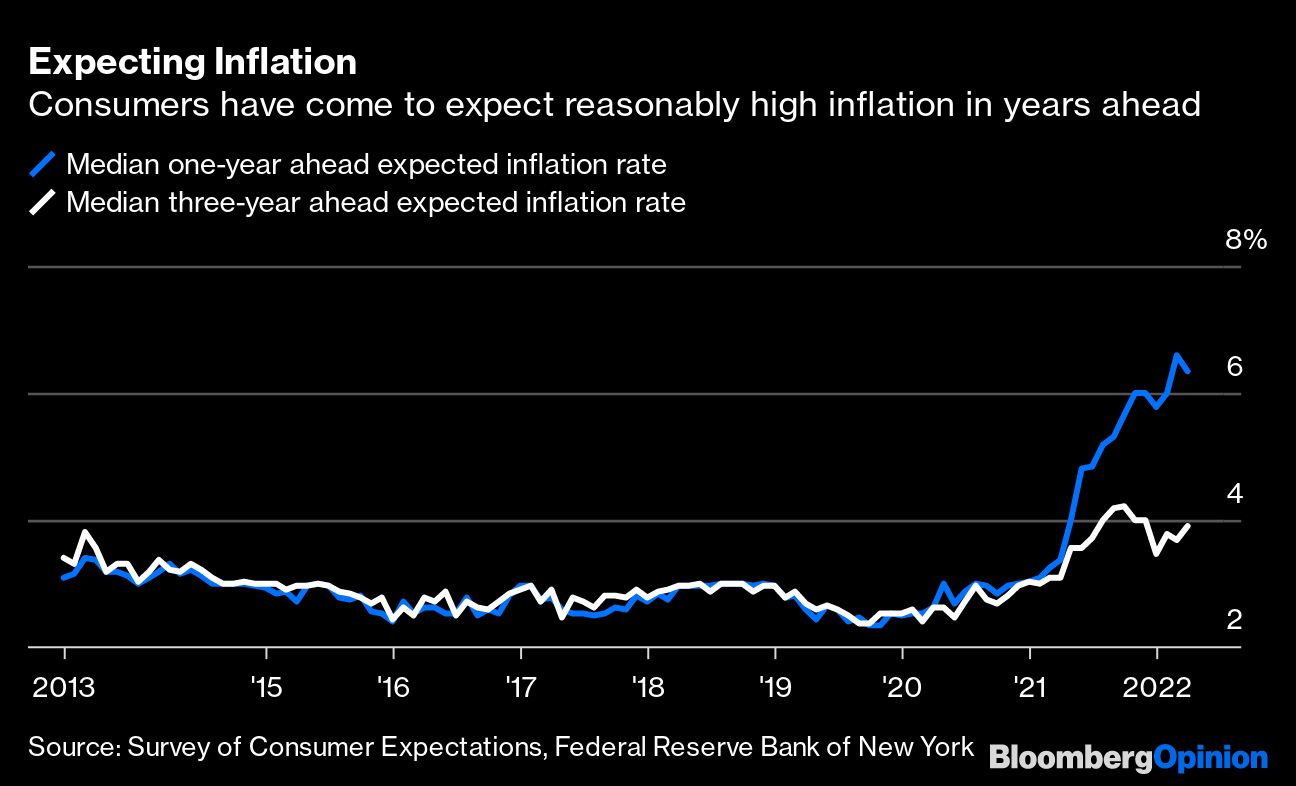
Economic policy seems especially susceptible to a certain dynamic. Ideas get fixed too firmly and for too long, so when they’re forced to change, the shift is violent. Narratives drive decisions, and stories shape events, rather than the other way round. The new account of inflation is an arresting example.
Federal Reserve Chair Jerome Powell assured Americans that policy makers will do what it takes to curb surging inflation, acknowledging this could cause “some pain” as the U.S. central bank deployed its most powerful policy tightening in decades.
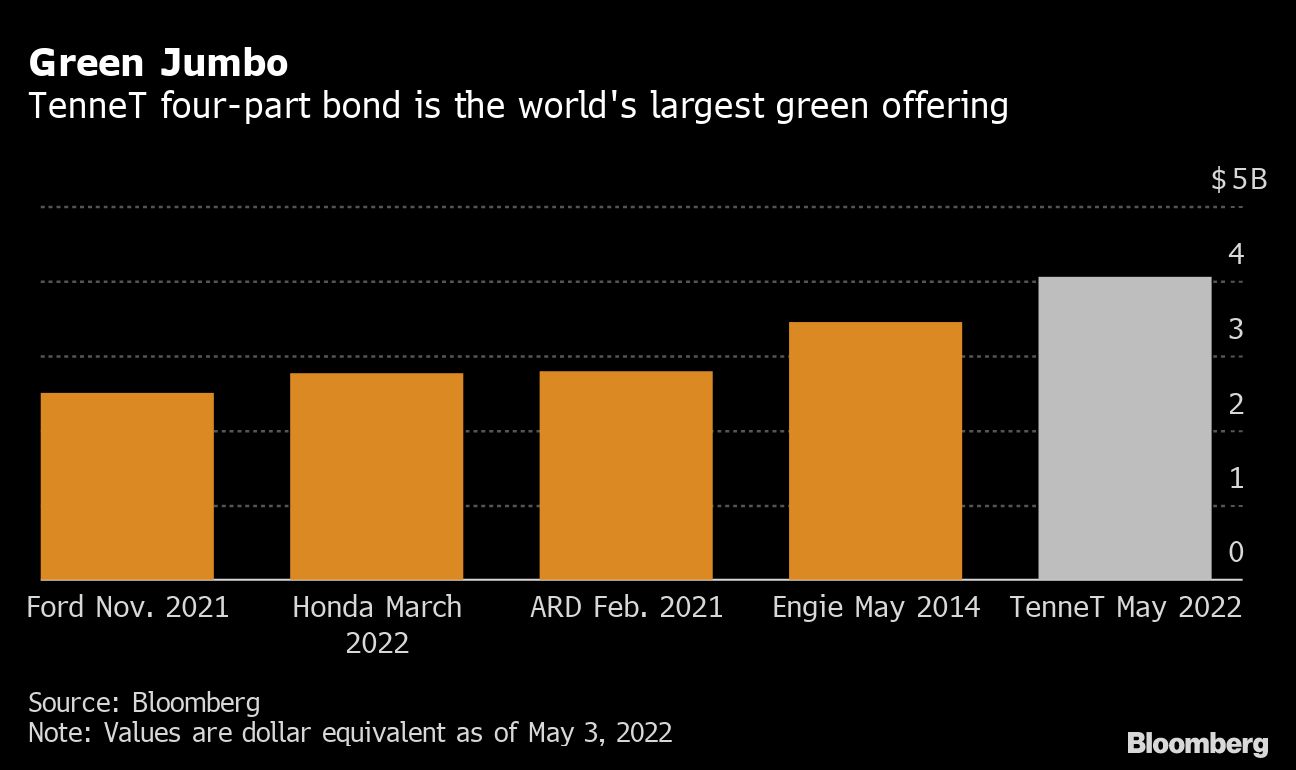
Dutch power company TenneT Holding BV sold 3.85 billion euros ($4.06 billion) of green debt across four maturities Tuesday, to fund greener electricity grids across Europe. It’s the largest deal for the environmental debt from a company, topping previous efforts from Honda Motor Co. and Engie SA, according to data compiled by Bloomberg.