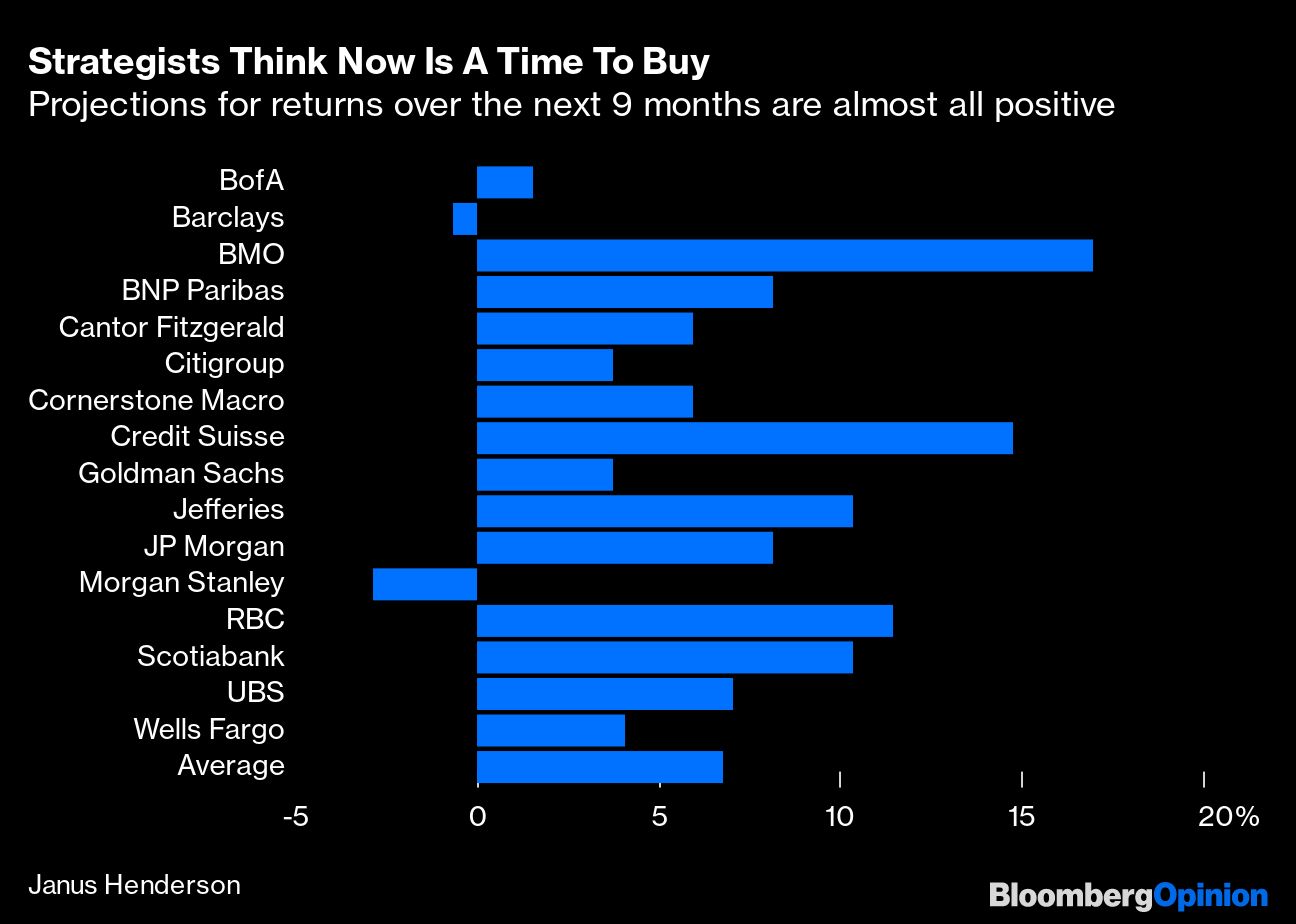
There is a genre of investment research that continuously predicts economic disaster that I call “macro doom.” It has become very popular. It seems that everyone is an expert in macroeconomics today, and they’re all predicting a bust of some kind.
The SEC staff has issued a statement saying to investment advisers that their fiduciary status is “extraneous.”
I hope the discomfort and pain you experience reading this piece are but a small fraction of what I experienced writing it. I keep reminding myself that most of our problems today are first-world problems that are generally trivial and insignificant compared to what people in Ukraine are going through.
Antti Ilmanen’s Investing Amid Low Expected Returns updates his 2011 Expected Returns, a volume considered by many the definitive work on the subject.
Rising rates are a direct shot at your bond portfolio. But there's a real opportunity to address your equities and position them optimally for a rising rate environment.
If investing can be compared to farming, then selecting stocks is analogous to choosing cows. When an investment fails to perform as expected, the question becomes, “Who spreads the manure?”
Because 529 plans are exempt from SEC oversight, they can charge higher fees and use that revenue in ways that do not benefit plan participants. New research shows some states are guilty of this abuse.
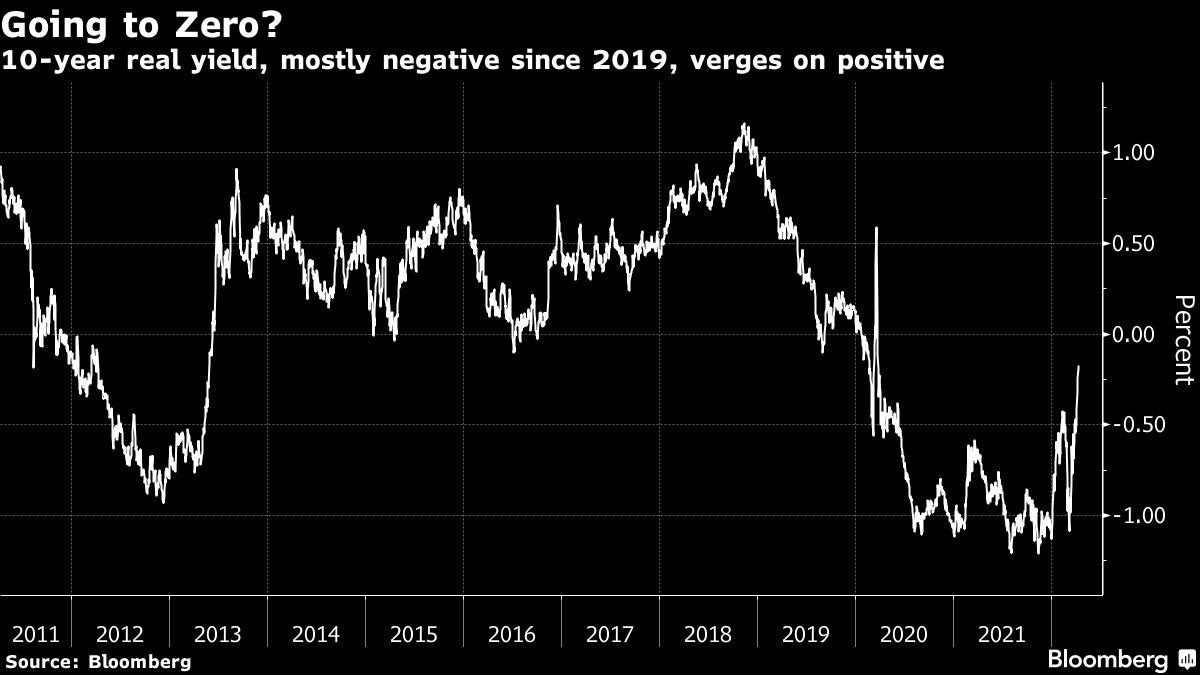
While all Treasury yields have climbed this year as the Fed began what’s expected to be an aggressive series of rate increases aimed throttling high inflation, in the past two weeks the baton has been passed to inflation-protected notes and bonds. Their yields are termed “real” because they represent the rates investors will accept as long as they are paired with extra payments to offset inflation.
The search for havens from the worst inflation in four decades feels like it’s about to get a lot more real. The bad news is that the task isn’t looking at all easy or straightforward, at least for individual investors whose choices are confined to the standard asset classes and who rely on a traditional 60-40 portfolio mix of equities and bonds to weather the ups and downs of market cycles.
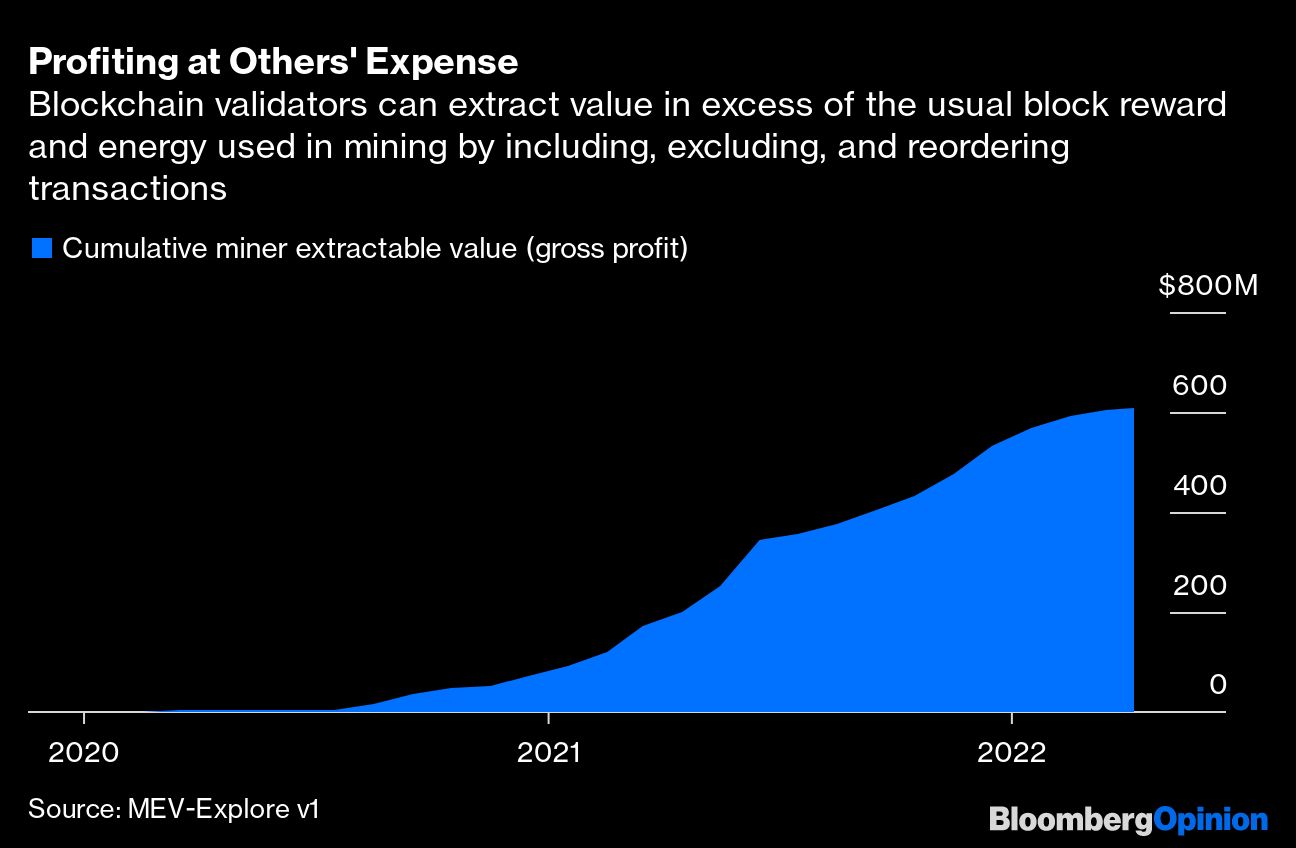
Much of what passes as DeFi today is just “decentralization theater,” as Fabian Schar, a University of Basel professor of blockchain, describes it. In theory, this hot new crypto corner wasn’t envisioned to be controlled by big-bulge intermediaries. The self-executing computer code deciding how digital assets would be lent or invested was supposed to be impervious to manipulation.
Federal student loan borrowers have been granted another reprieve, but for those who can afford it, the most prudent thing to do is to just fork over the money. Almost everyone has been taking advantage of the moratorium, which allows borrowers to press the pause button on payments without any interest accruing. Just 500,000 borrowers out of 43 million, or 1.1%, were still making payments a year after the freeze was initiated in March 2020 as part of pandemic relief efforts.
Most Americans say the most important problem facing the country is inflation — and President Joe Biden just made it worse. His administration announced last week it would extend yet again the emergency suspension of student loan repayments, even as his frenemies on the left are urging a program of complete forgiveness of all student debt.
The last three years have been so relentlessly dismal — a global pandemic followed by the invasion of Ukraine — that it is tempting to idealize the old days. Just as the survivors of World War I looked back on the Edwardian era as one long country house weekend (“Stands the church clock at ten to three? And is there honey still for tea?”), so we observers of Ukraine’s agonies may think of the pre-Wuhan world as one of peace and prosperity. Yet in fact it was an era of sustained disappointment punctuated by the occasional crisis.
When a potential client says to you the dreaded phrase, “We’ll get back to you,” understand... it’s not about you, it’s about them.
As dangerous as it is to simply extrapolate past returns into future expectations, an even bigger mistake is planning a financial future based on nominal gross returns, forgetting about how large bite expenses, taxes, and inflation will take from the bottom line. Use our premium membership service to forward this article to clients with your logo.
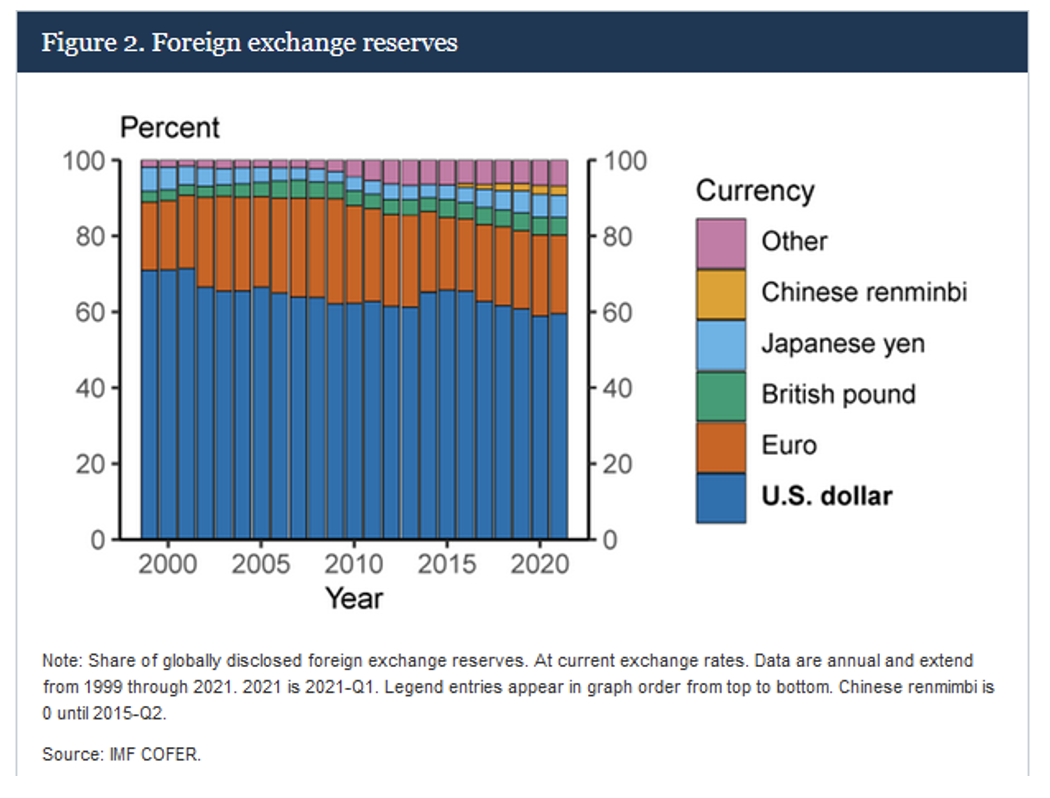
This article explores the problem vexing Russia and its trade partners. I explore how the threat and use of sanctions may force some countries to contemplate weaning off the world's reserve currency.
Banks earned record first-quarter fees from arranging green bond deals, while oil, gas and coal companies issued the lowest amount of debt in a decade.
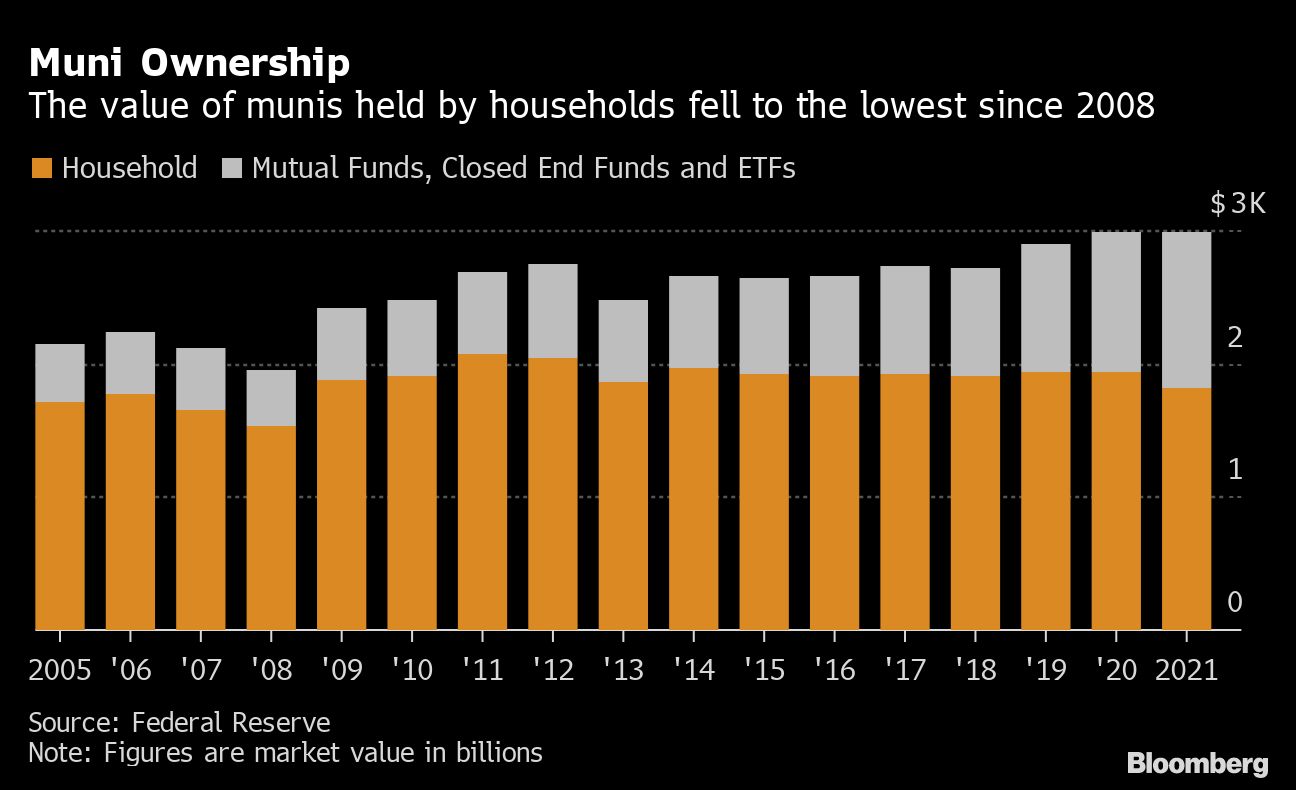
The value of bonds directly owned by households fell by $18 billion in the fourth quarter of 2021, dropping to the lowest level since 2008, according to Federal Reserve data. Instead, those buyers are moving toward mutual funds and exchange traded funds, which have roughly doubled their muni holdings over the last decade.
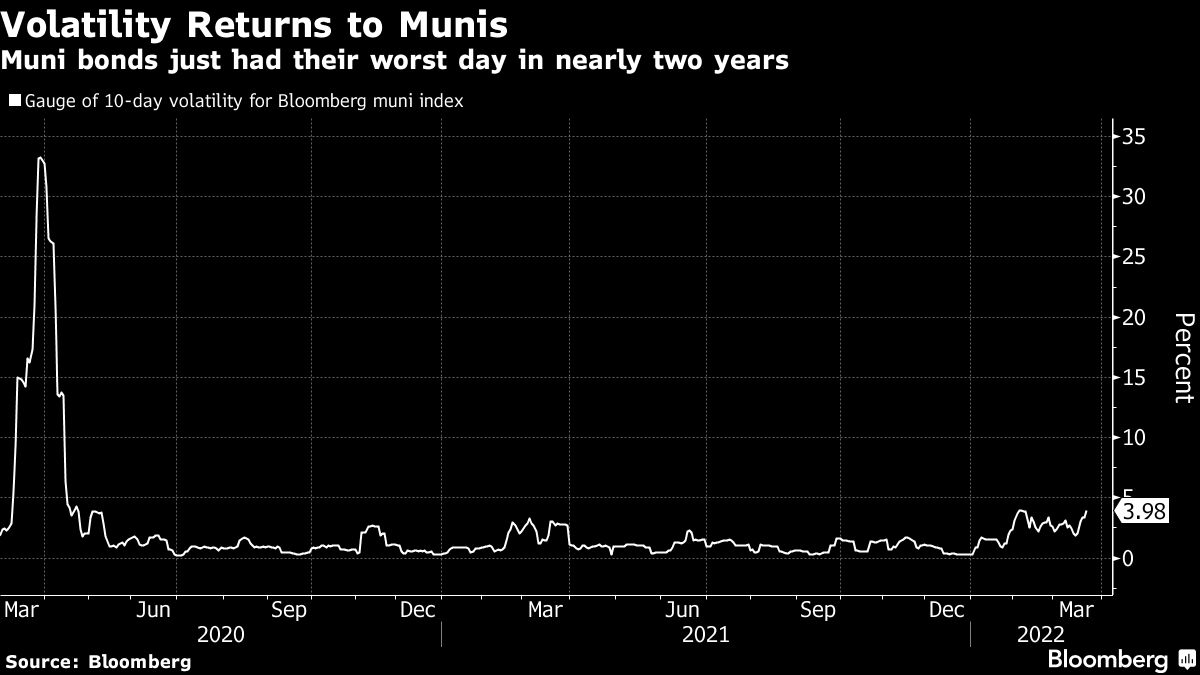
The $4 trillion state and local-debt market just logged its most volatile 10-day period since the early 2020 selloff, according to data compiled by Bloomberg. Benchmark yields rose as much as 11 basis points on Tuesday, driving the market to its worst day of performance since April 2020. AAA yields rose as much as 2 basis points as of 4 p.m. on Wednesday.
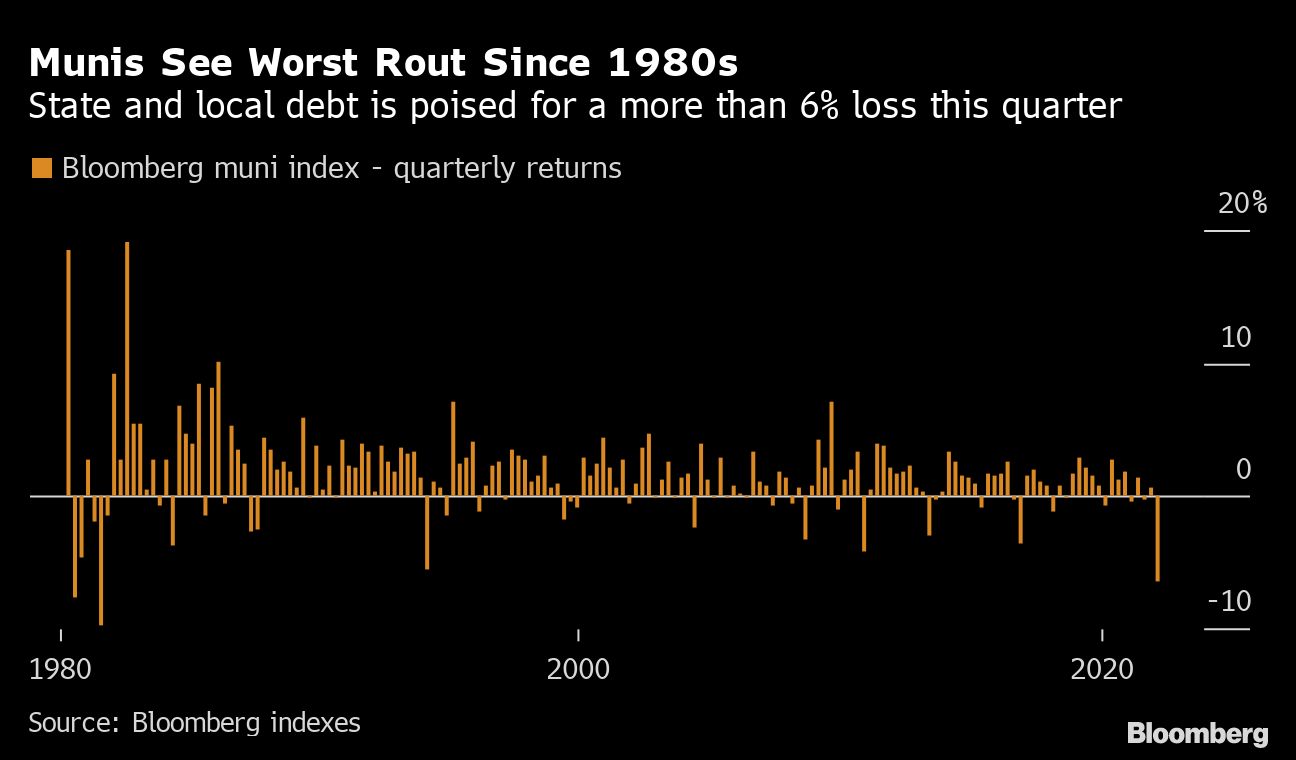
The municipal-bond market is ending its worst quarter in about 40 years with a 6.4% loss, a dramatic pullback for an asset class that investors favor for its stability. The loss so far this year is in line with bonds globally as central banks increase interest rates to combat the fastest inflation in decades. The municipal market is still underperforming U.S. Treasuries, heightening investor concern.
As a solar panel was raised onto the roof of their mud-brick home in a Tanzanian village in sight of Mount Kilimanjaro, Akida Saidi and his wife felt giddy at the prospect of entering a new era. In a place where most residents make do with pit latrines instead of toilets and till their fields of maize and pigeon peas with hoes, suddenly having electricity would catapult them into the 21st century.
High-profile attacks on the crypto “bridges” that support key activities, like transferring tokens from one blockchain to another or playing the popular game Axie Infinity, have siphoned off more than $1 billion to date. When customers need repaying, recent incidents have shown those platforms’ operators are turning to their wealthy investors for aid — a trend that perhaps signals a new chapter in tech dealmaking.
Almost 30 years on, the great bond massacre of 1994 still looms over Wall Street. So when Federal Reserve Chair Jerome Powell pitches 1994 as the model of what he’s trying to achieve in this interest-rate cycle, it’s enough to cause shivers on trading floors. “In three episodes,” he observed in a recent speech, “in 1965, 1984, and 1994 – the Fed raised the federal funds rate significantly in response to perceived overheating without precipitating a recession.”
The Walt Disney Co.-owned sports outlet is collaborating with Autograph, a Web3 brand co-founded by Tom Brady, and will feature the seven-time Super Bowl champion in its first NFT, based on the quarterback’s “Man in the Arena” series on ESPN+.
Europeans enduring an unseasonal April cold snap may be forgiven for thinking winter is back. But for the natural gas market, summer has arrived. April 1 marked the start of a new year in the energy calendar, moving the focus to injecting enough gas into storage during the coming low-demand months in preparation for next winter. It’s a race Europe cannot afford to lose, but one it will struggle to win following Russia’s invasion of Ukraine.
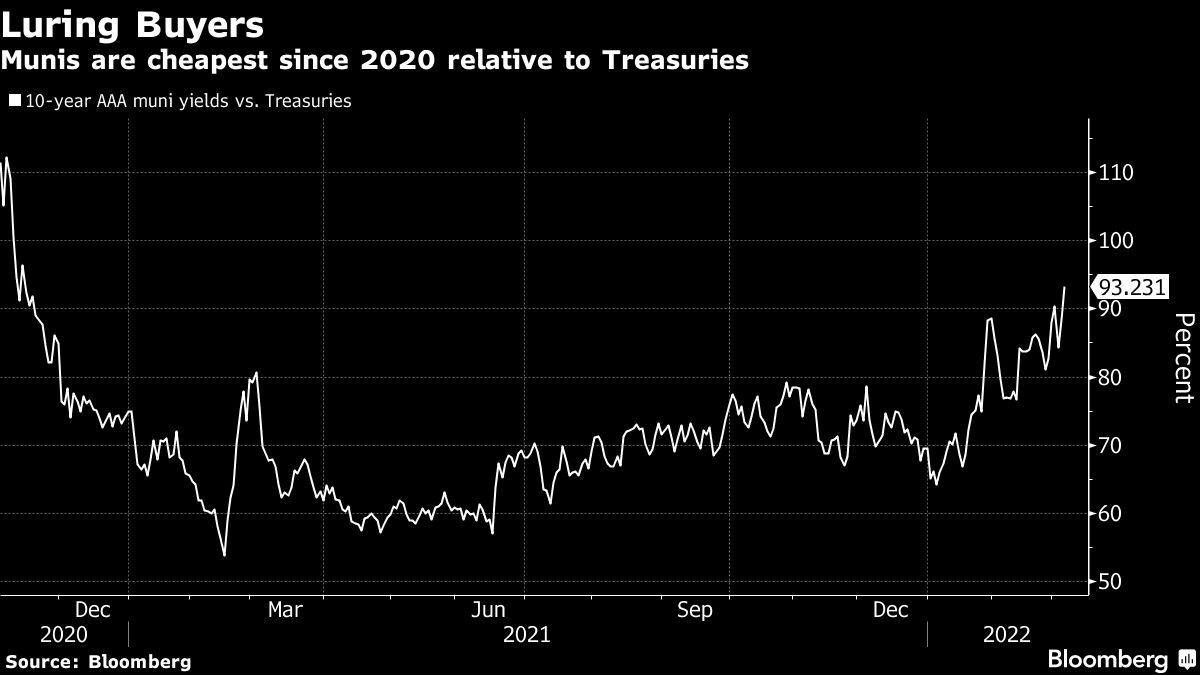
It’s been a bleak stretch in the $4 trillion municipal-bond market, with returns slumping, retail investors dumping bonds and volatility giving issuers pause. But some portfolio managers are jumping into the fray.
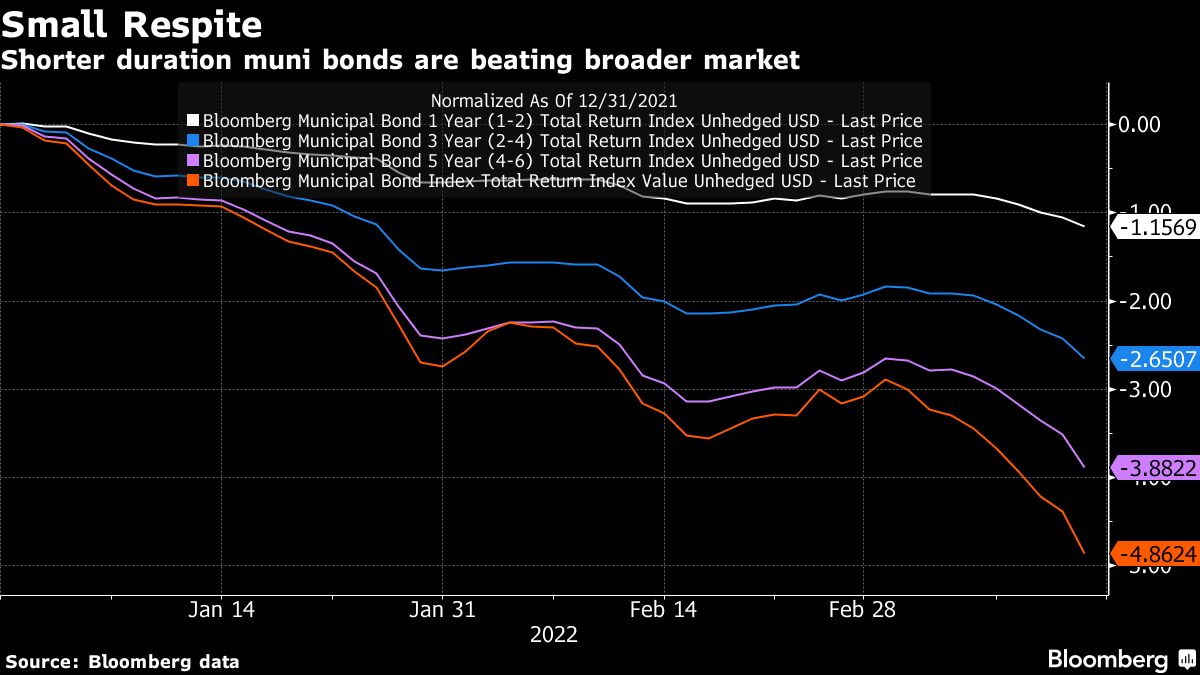
The muni market has posted a loss of 4.9% this year, with the 10-year benchmark yield hitting the highest mark since the pandemic-induced tumult of March 2020. But some market participants are seeking relief at the shorter end of the curve.
The number of business locations increased in almost three-quarters of U.S. counties over the two years through September 2021, according to new research from the Economic Innovation Group, a Washington think tank. The fastest growth was in the Southeast of the country and inland western regions.
The academic evidence shows that selecting investments, such as mutual funds or stocks, based on past performance is a terrible idea. Use our premium membership service to forward this article to clients with your logo.
Watch replays for CE credit. We recap the webinars presented at our Market Outlook Summit.
I discuss cultural and technical challenges and ideas that will lead to a successful client relationship when working with this group of great clients.
Watching hundreds of YouTube cooking videos revealed to me the secret to successfully managing your advisory firm.
Last week we looked at four "stinking thinking" cognitive biases that contribute to poor investment decisions. Here are six more.
Recently one of our best advisors gave notice. He said we don’t “value youth.”
While putting together a marketing plan is more complex than reading an article, here are three important pieces of advice to get female solo practitioners started.
I want to show you how to establish a system for getting client tax returns each year.
Here are the nine steps you need to take when entering a new niche market.
The prime targets for bad actors are companies buying others since they have the money and deep pockets.
Consider the upfront bonus checks often paid to advisors leaving one broker/dealer to join another. That “bonus” is not a bonus at all.
Last month, the Federal Reserve kicked off a campaign to increase interest rates to bring down the highest inflation the U.S. has experienced since the 1980s. Critics contend the Fed still isn’t doing enough, and the central bank seems to agree. Several high-ranking Fed officials, including Chair Jerome Powell, have said in recent days that interest rates may need to rise faster, and possibly higher, than initially planned.
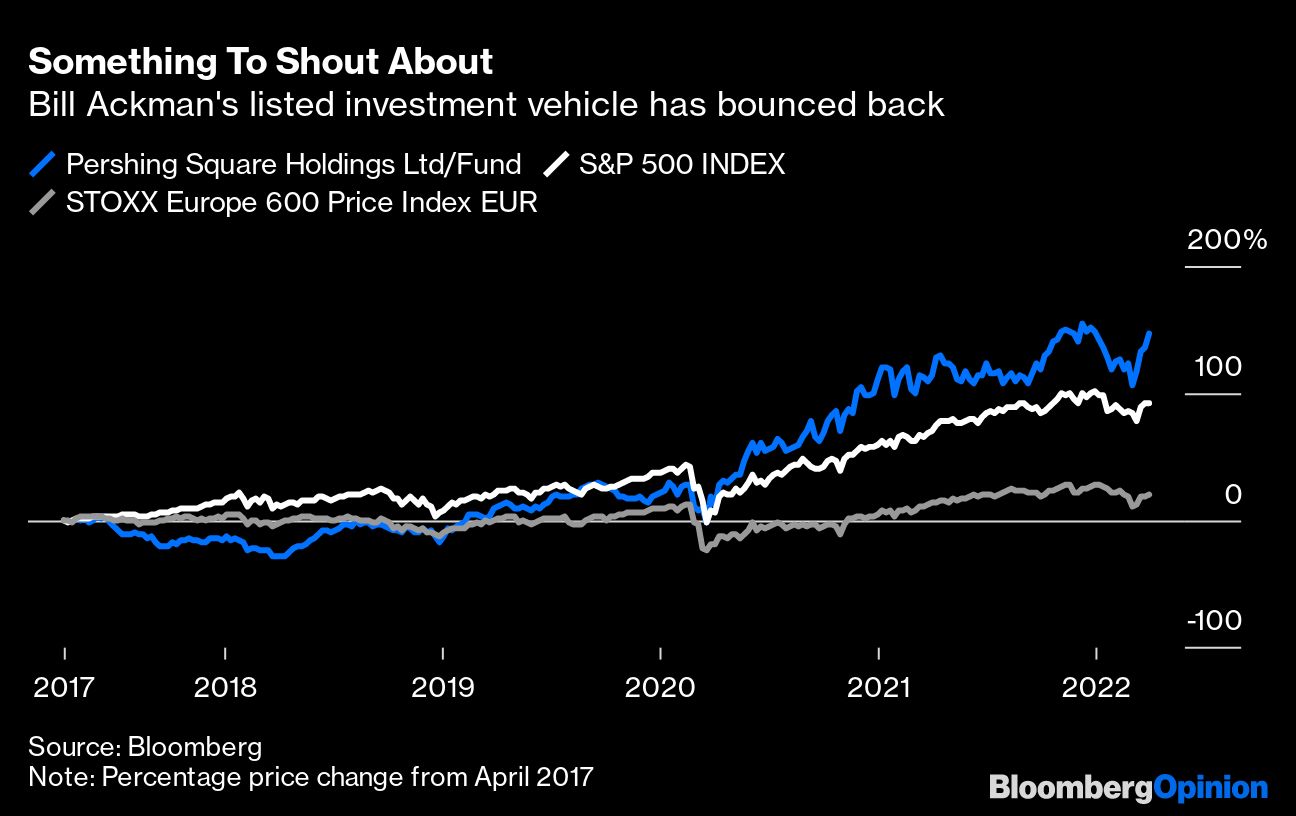
Poor-performing chief executives can sleep a little easier. Bill Ackman, one of the world’s best-known investors, has all but ruled out future activist campaigns in favor of a lower-key approach to influencing portfolio companies. That’s a commendable investment stance. But efficient capital markets still need the odd rabble rouser.
The U.S. Commerce Department announced on Thursday that consumer spending fell 0.4% in February from January after adjusting for inflation. This may not seem like much, but real spending has dropped in three of the last four months. Without strength in household outlays, the economic expansion is doomed.
While most of the world watches in horror as Vladimir Putin advances his military invasion of Ukraine, Russia’s congruent foray into Bitcoin, gold-linked rubles and central bank digital currencies is triggering a conflicted response from financial technology and crypto enthusiasts.
A closer look at the LooksRare platform that has quickly become the leading NFT marketplace by trading volume shows that most of the activity is actually users selling tokens to themselves to help earn rewards in the form of more coins.
The good news is that after months of internal debate, the Securities and Exchange Commission has finally proposed rules mandating that publicly traded corporations address climate change.
As quarters go, this was one for the record books. Taking three months, or a calendar year, to have any particular significance makes no sense, but it’s difficult to quell it. So, here is an attempt to summarize what’s changed in the last three months from the point of view of markets.
Federal Reserve Chair Jerome Powell and his colleagues are on the march to return ultra-loose monetary policy and accommodative financial conditions to more normal levels. The trouble is, their destination is uncertain and the terrain may be shifting as they forge forward with higher interest rates.
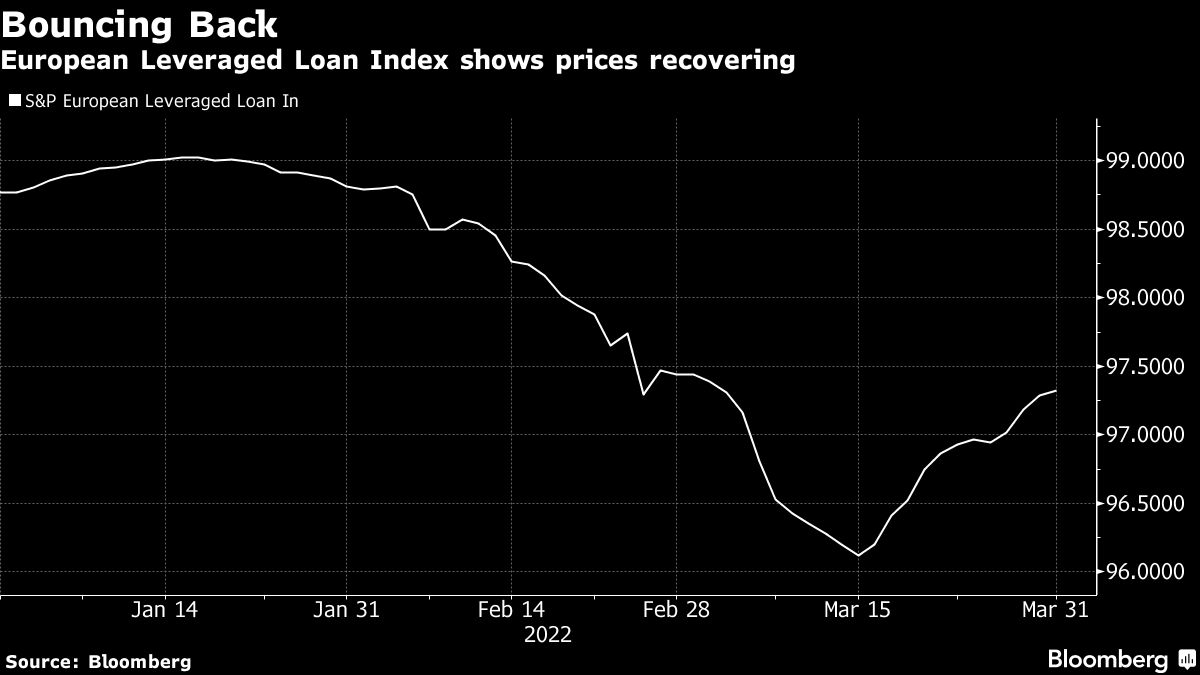
Banks are gearing up to offload billions of dollars in junk debt backing leveraged buyouts, counting on the nascent stability in the market to finally get rid of underwrites for businesses such as Wm Morrison Supermarkets Plc and Unilever Plc’s tea unit.
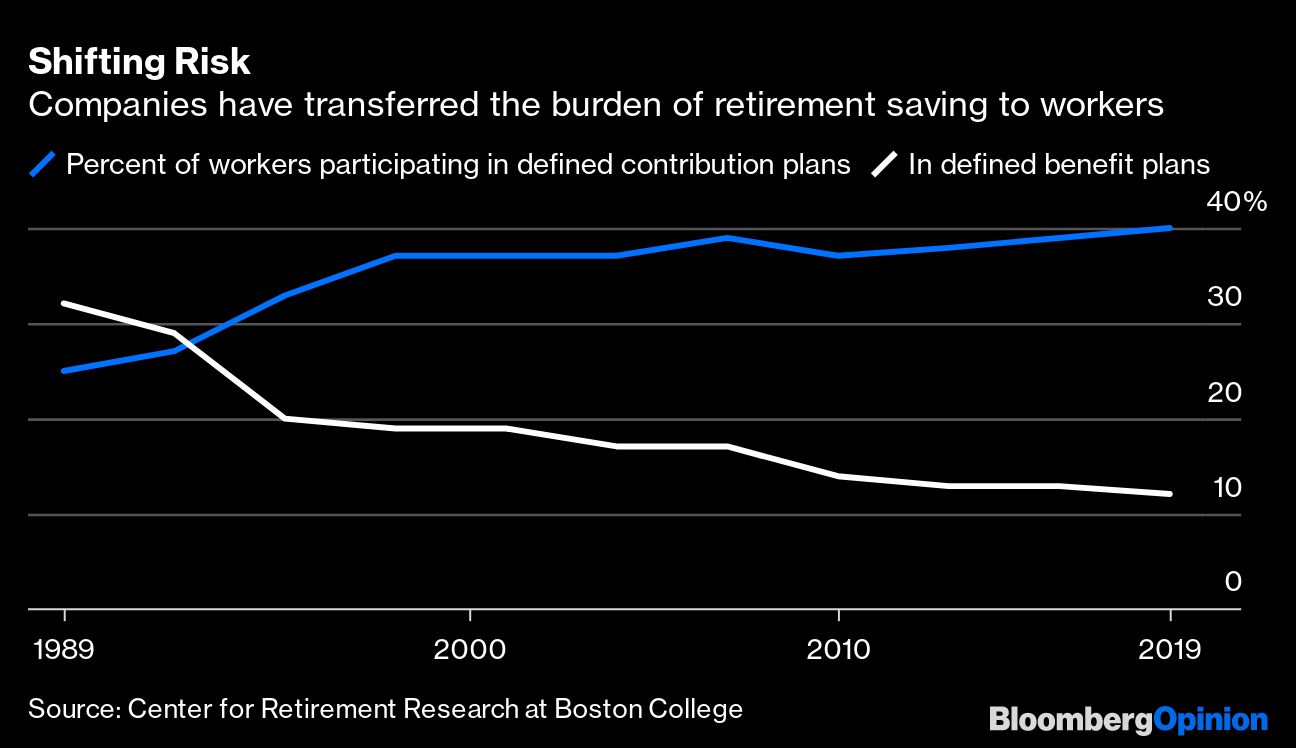
The U.S. government has long offered myriad contrivances and enticements to get Americans to save enough for a comfortable retirement — so far with woefully inadequate results. But why should it be involved at all? Why can’t people be responsible enough to prepare for an entirely foreseeable event?
For more than a quarter century, the U.S. government has been sending an unmistakable message to poor, single mothers: Get married. If America genuinely wants to address poverty and achieve gender equality, this has to change.