Filling out your March Madness bracket provides insight into how investors select assets, structure portfolios, and react during volatile market periods.
Americans are still benefiting from a raft of pandemic relief measures that are contributing to the biggest tax refunds seen at this point in the filing season in more than a decade.
Russia’s invasion of Ukraine has underlined the continent’s dependence on imported gas, and challenged its planners and politicians to consider where, how, and how quickly they might limit that dependence. Comparisons to 1970s oil-driven energy crises abound. Demand for oil and natural gas is integral to contemporary society, but that does not mean that both present the same challenges.
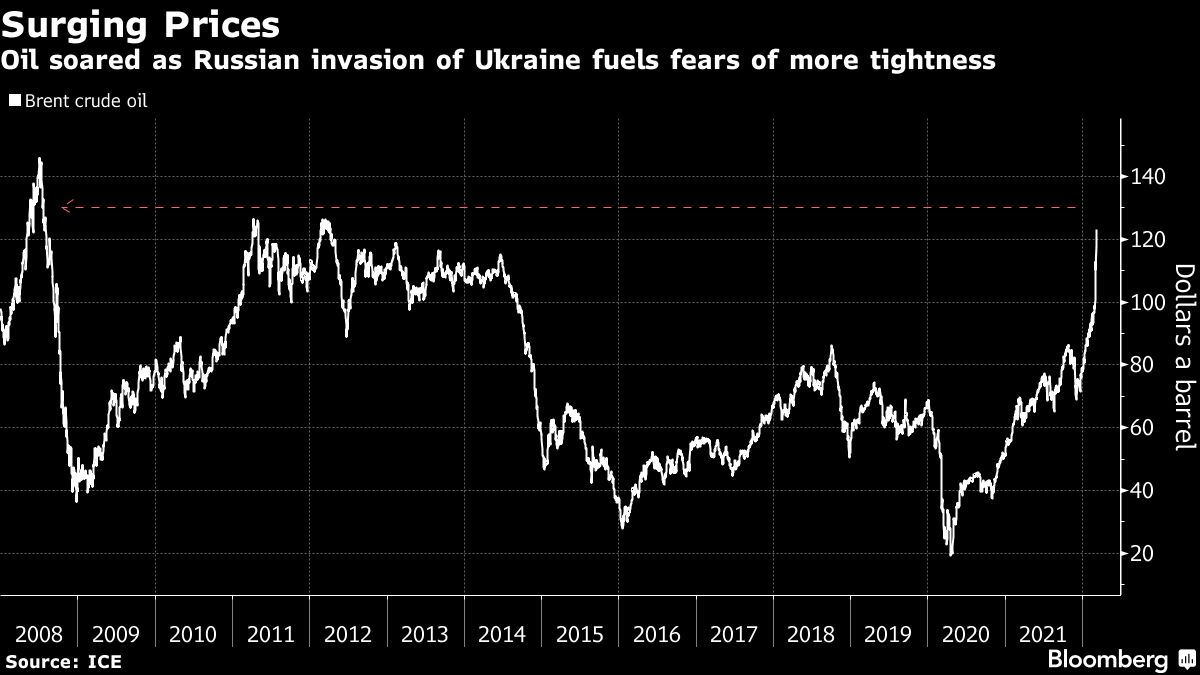
Oil fluctuated as investors weighed threats to supplies from the month-old war in Ukraine, with President Joe Biden set to address the crisis on a key trip to Europe that may see more sanctions imposed on Russia.
The financial strictures imposed on Russia have put a spotlight on cryptocurrencies. Could the Russian government, or sanctioned officials, use digital assets to hide and move their wealth, undermining efforts to punish President Vladimir Putin’s regime for its bloody war in Ukraine?
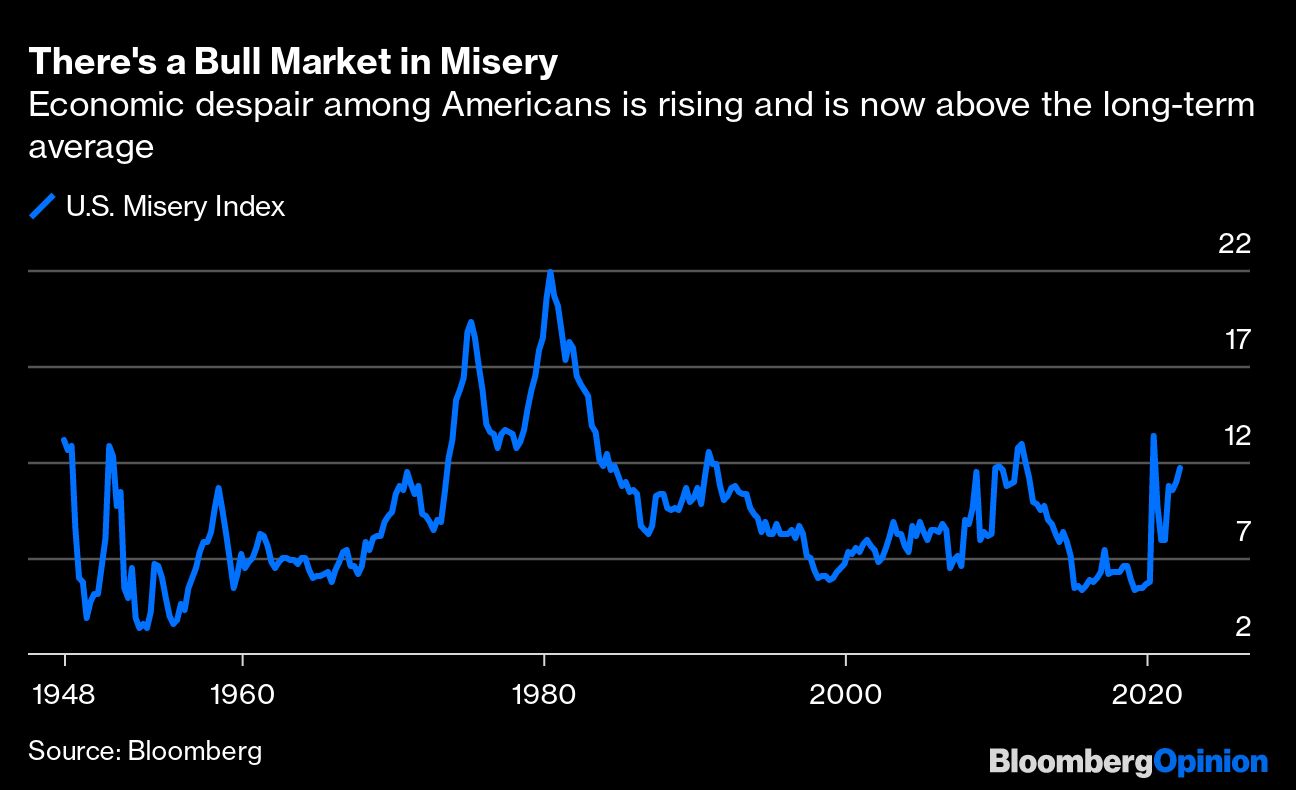
Financial assets such as stocks and bonds are things that we want. Hard assets, taken to mean things along the lines of fossil fuels oil, agricultural products and other commodities, are things that we need. When the price of the things that we need go up and the price of things that we want go down, it creates economic misery.
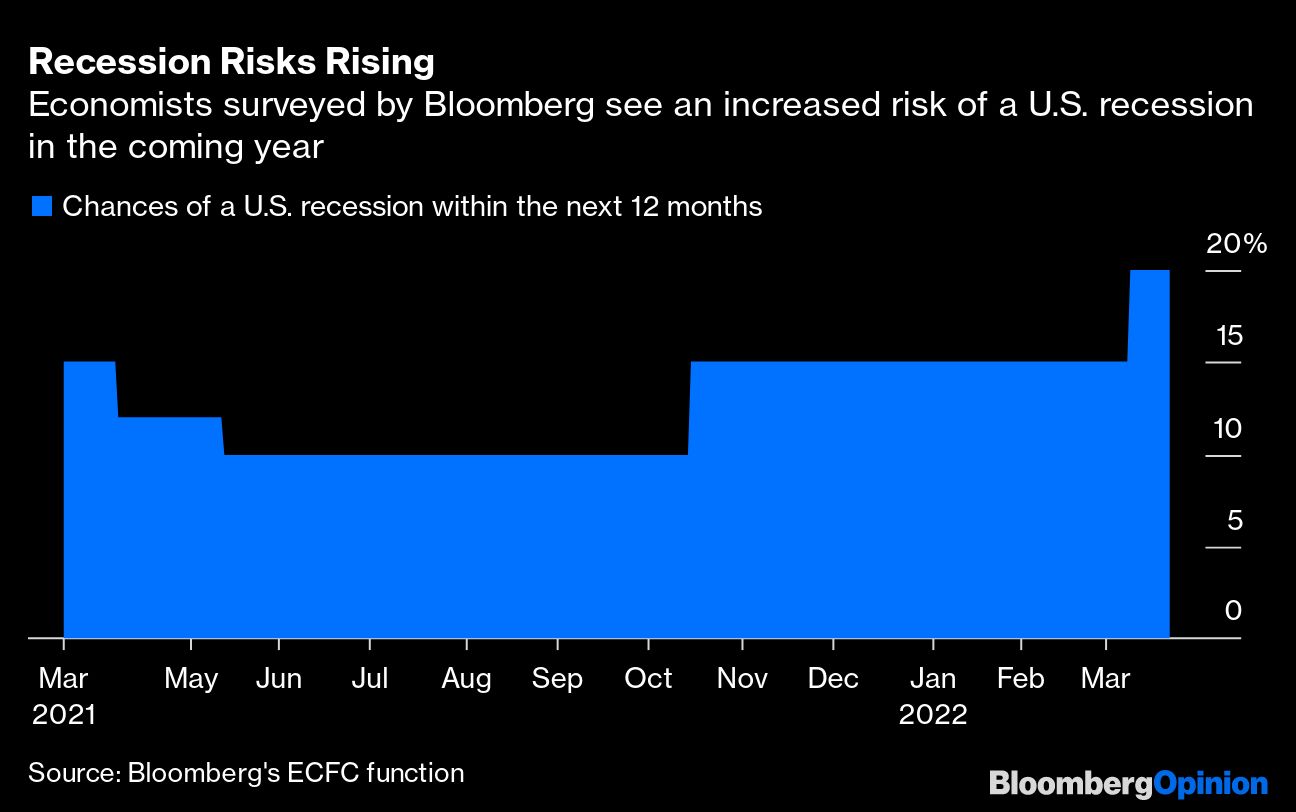
Hanging tough against Vladimir Putin was never going to be cost free. Energy prices are soaring, firms are pulling out of Russia and those that stay are at risk of nationalization. There’s concern about global food supplies. Recession chatter has started, even as the world economy is still mopping up from the last one.
For decades, financial experts like myself have implored clients to have a health care power of attorney. Now, some health care experts say you don’t need one because they don’t work.
Advisors tell me they don’t have time to focus on what they need (and often want) to do.
Does being busy equate with being productive?
Advisors with administrative support earn twice those without it.
Here’s what to do and what to avoid when writing email subject lines.
The Securities and Exchange Commission proposed rules on Monday that would require publicly traded companies to disclose a variety of climate-related risks and metrics, including greenhouse gas emissions. The reason is plain: Investors want more information about how companies are dealing with climate change, and it’s the SEC’s job to get it for them.
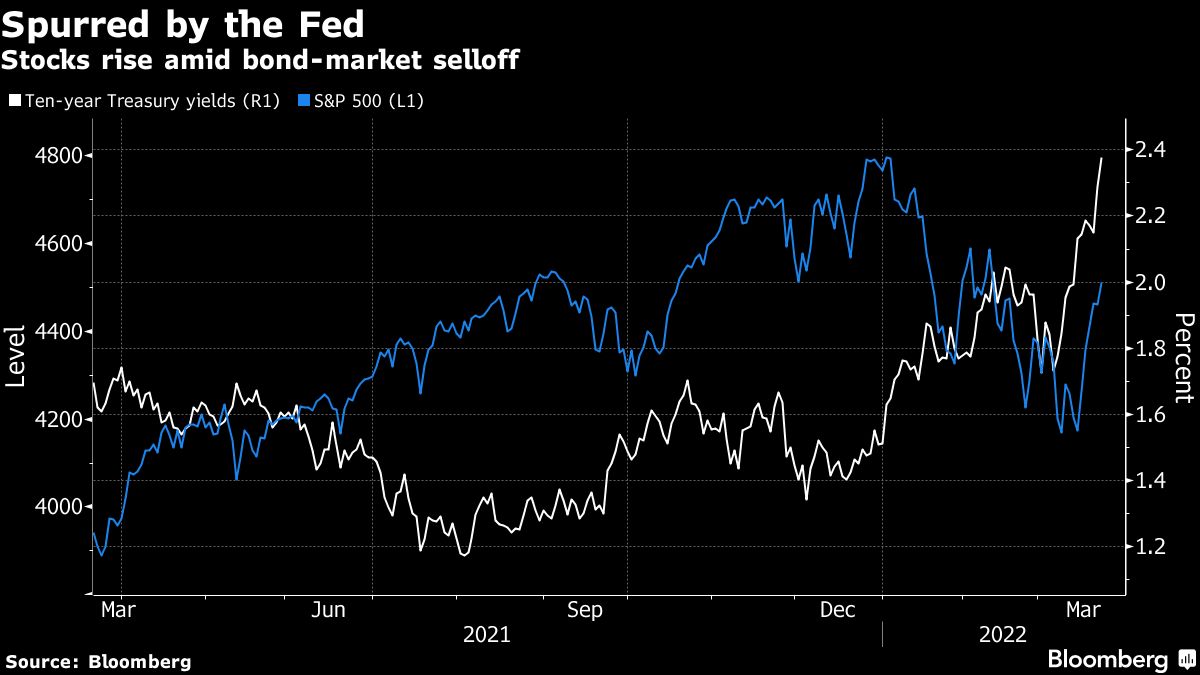
Call them brazen, call them naïve, but stock investors are giving no sign of being daunted by the hottest inflation in decades or the accompanying surge in bond yields. Their boldness has sent analysts in search of ways to explain how the S&P 500 Index has managed to rally in five of the last six sessions, even as the Federal Reserve promises higher rates while war rages in Europe and Treasury rates see the biggest two-day jump in two years.
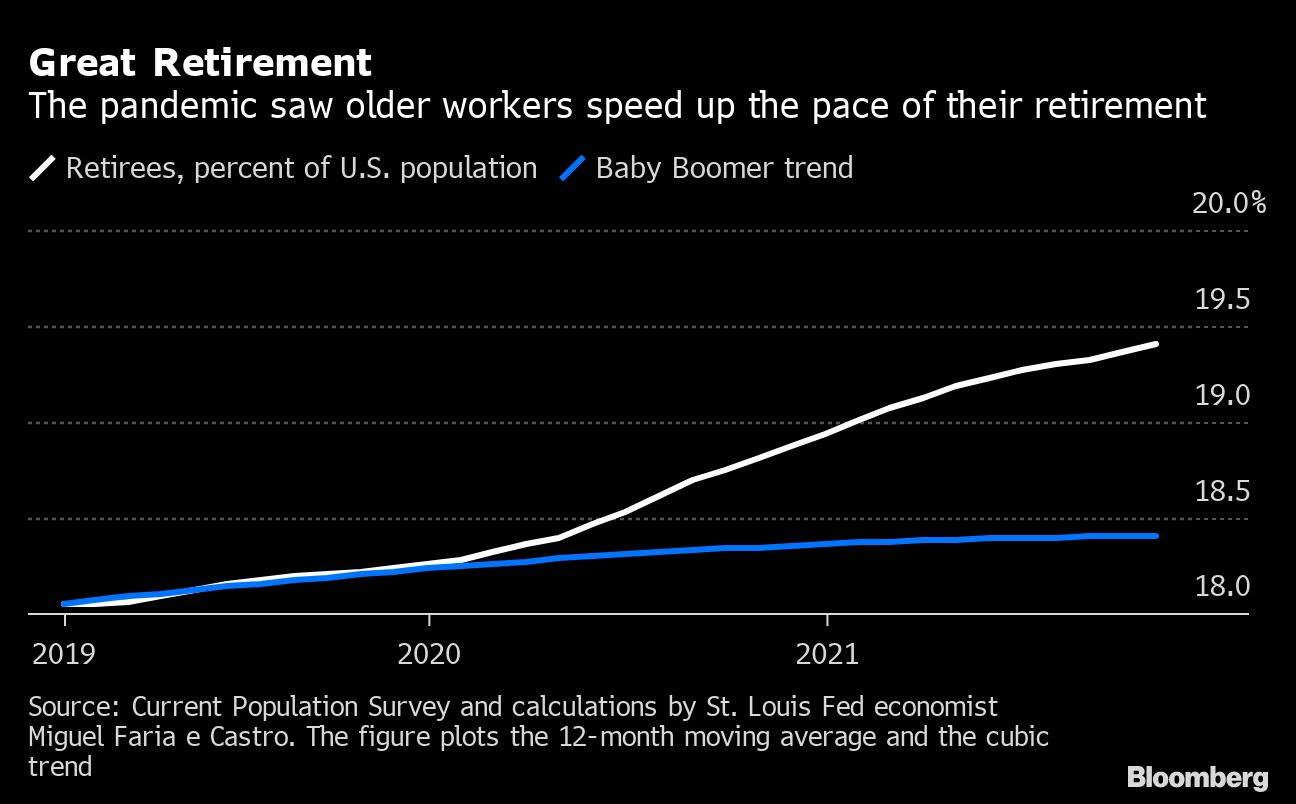
The pandemic pushed millions of older Americans out of the labor force. It should have spawned a surge in Social Security benefits applications — but it hasn’t. Perhaps because they aren’t retired.
In a Bloomberg Opinion column on Tuesday, the former chief executive officer of Pacific Investment Management Co. Mohamed El-Erian wrote how a recent swing toward tighter monetary policy after months of letting U.S. inflation accelerate to the highest since the 1980s has put the Fed in a terrible position.
Federal Reserve Chair Jerome Powell had his foghorn out on Tuesday blaring that there is nothing, repeat nothing, to stop policymakers from yanking interest rates up in half-point steps. His hawkishness prompted the yield curve to flatten to levels not seen since 2016, setting off alarm bells about a potential inversion - where shorter-dated levels rise above longer-term rates - signaling recession.
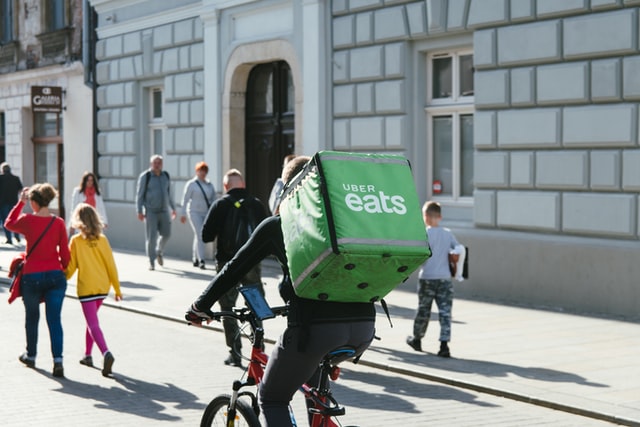
Whether choosing restaurant dinners delivered to their door or at-home meal kits, many Americans have prioritized convenience over cost for the past two years. Food delivery was a big beneficiary. Now accelerating inflation, combined with easing fears about eating in restaurants as Covid cases drop, threaten to deflate the delivery boom. I
ICYMI: In this roundup, we’re highlighting the five most popular pieces of content from the previous week.
In this video interview, Woody Brock explains why the supply and demand for capital have driven the secular decline in real interest rates. He also addresses the Ukrainian war from a game-theoretic perspective.
Here are five winning tactics to leverage immediately for more online introductions.
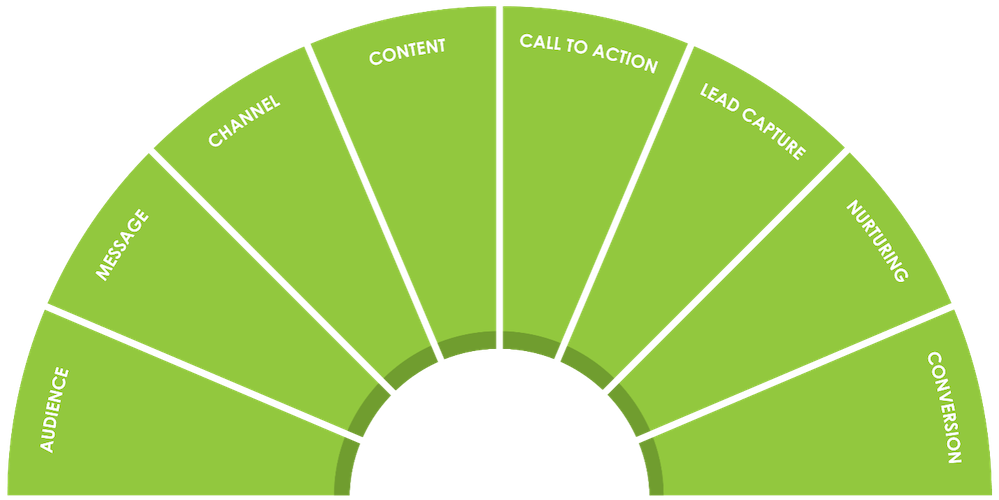
You can follow all the marketing best practices and still see your strategy fail. Rather than randomly implement new tactics, view your marketing as an arch that supports your business. Here are the specific areas of your arch to assess for weakness.
Here is how I overcame the problem of multi-tasking by creating rooms where team members can focus on critical tasks.
Warren Buffett is telegraphing his disdain for Wall Street bankers with an oddball price on his latest multibillion-dollar takeover. The $848.02 for every share that Alleghany Corp. stockholders get from Berkshire Hathaway Inc. is the result of Buffett balking at the banking fee being set aside by the target company -- in this case for Goldman Sachs Group Inc., which is advising the insurer.
Energy prices were rising even before Russia invaded Ukraine. Now, the war and resulting bans on Russian oil imports are sending crude skyrocketing, raising prices for everything from Uber rides to children’s toys.
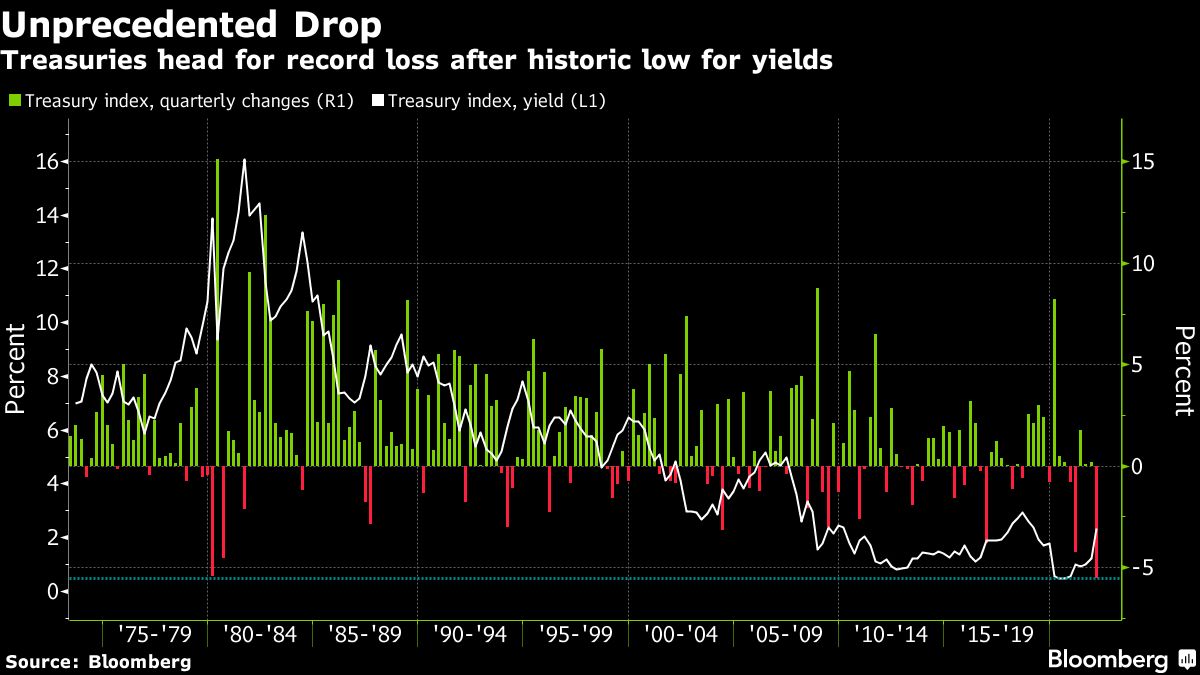
The U.S. bond market reeled further on Tuesday, extending Monday’s declines after Federal Reserve Chair Jerome Powell’s aggressive rate hike comments drove yields on short-dated Treasuries to one of their biggest daily jumps of the past decade.
The S&P 500 Index is coming off its best week since November 2020, having posted four consecutive days of more than 1% gains for just the fifth time in history, according to LPL Financial. Historically, that has been encouraging for the stock market, as each time it’s happened the S&P has climbed more than 20% over the ensuing year, with an average return of 28%.
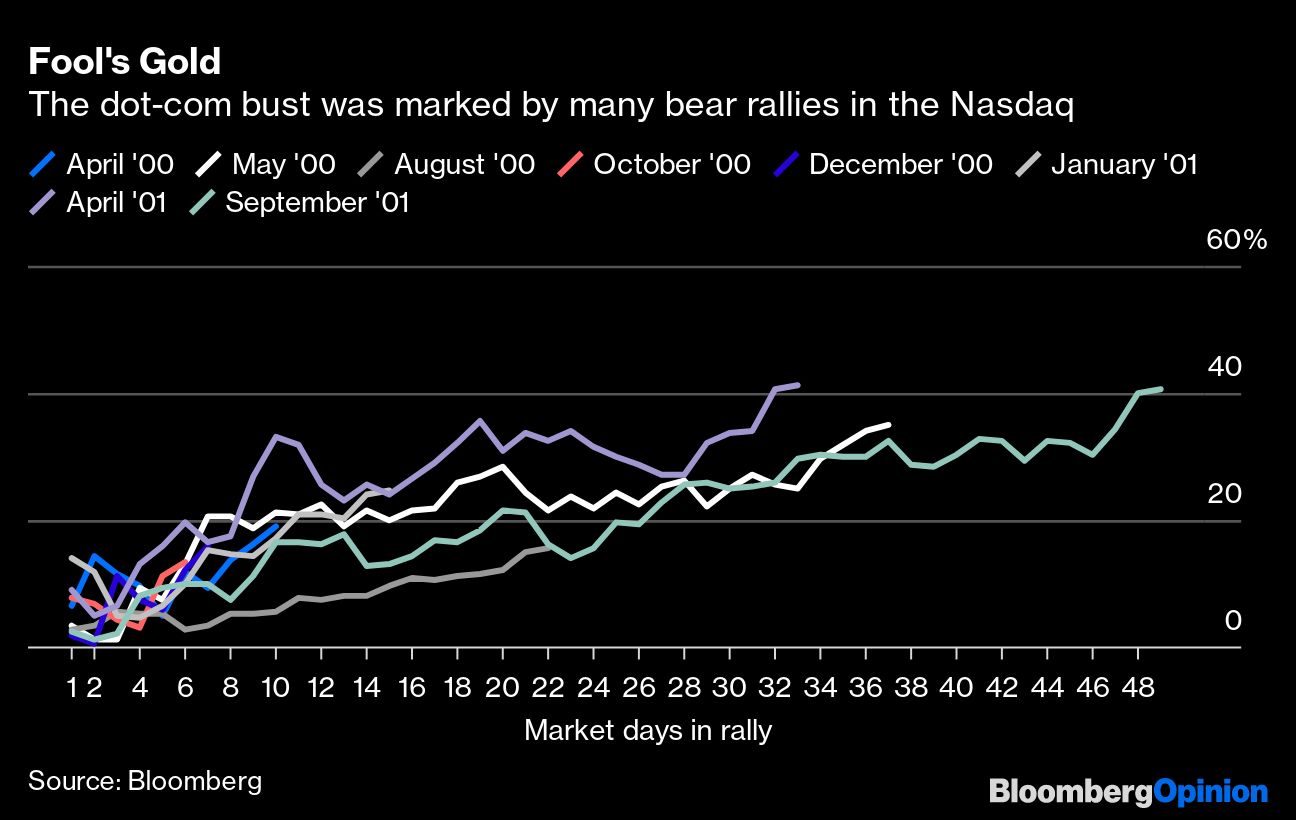
There are many ways to lose money in down markets, and buying fleeting rebounds is among the best. The Nasdaq Composite Index boomeranged 10% last week from its March 14 low, safety-trade gold posted its worst week since June 2021 and money poured into speculative exchange-traded funds including Cathie Wood’s ARK Innovation ETF.
Judging from price movements on Monday, the Federal Reserve risks slipping further into a no-win interaction with markets that is more familiar to developing countries that lack policy credibility than to a systemically important central bank — let alone the world’s most powerful one.
The world has never seen sanctions like this. But ironically, those sanctions may give Putin even more power.
The Belkin BR2 Report is designed for the Registered Investment Advisor community. The work is posted weekly and emailed to subscribers.
Actively managed global allocation funds claim that skilled investment managers can produce a superior rate of return compared to traditional index funds. But the reality does not match the hype.
DeFi is creating a new financial system that doesn’t rely on traditional intermediaries like banks or insurance brokers, providing more freedom and creativity.
The much-awaited easing of Covid cases and restrictions is coinciding with a jump in jet-fuel costs, as Russia’s invasion of Ukraine prompted the U.S. to ban imports of Russian crude and pushed oil prices as high as $130 a barrel. That, plus higher demand for trips, means airline-ticket costs are increasing for consumers, many of whom are already facing higher prices in areas like groceries, gas and rent payments.
You may not feel it yet, but if you're an American homeowner you're probably a good bit richer after the dizzying run-up in housing prices last year. But how do you tap into your newfound wealth? And should you?
Electric car giant Tesla Inc. is the latest big name firm to scrap financing plans, as it postponed a $1 billion offering of bonds backed by leases on its vehicles last week. Almost 80 companies, nearly half from the U.S., have put at least $25 billion of deals on hold since the start of the war nearly a month ago.
The Federal Reserve embarked last week on its long-advertised monetary tightening: a quarter-point increase in interest rates, with the suggestion of six more by the end of the year, and a plan to run down its stock of government debt (details to follow). This was widely expected and essentially a non-event.
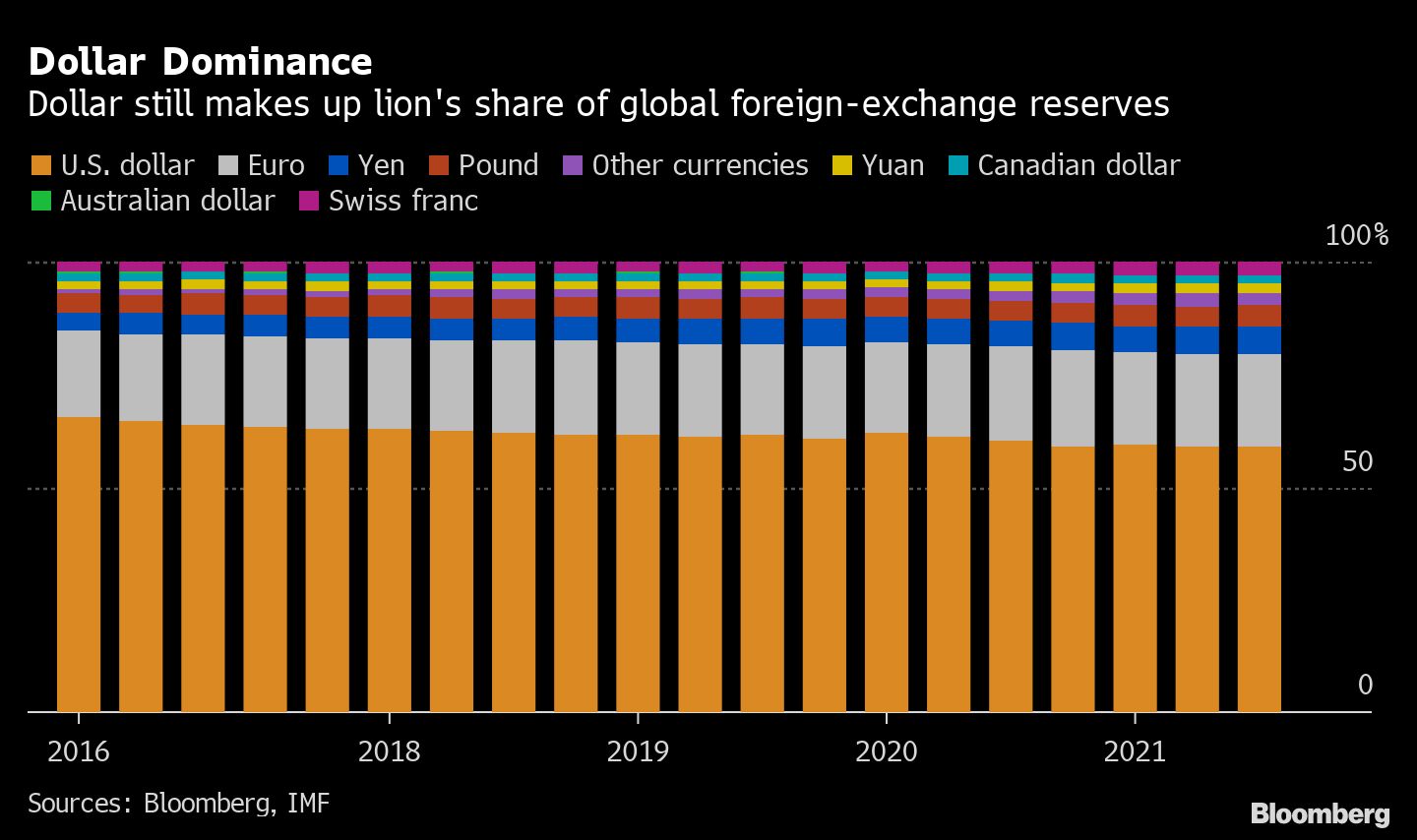
Dethroning the dollar is easier said than done. That’s the conclusion of investors after Washington’s freeze of Russia’s dollar holdings created fresh impetus among central bankers to rethink the security of access to foreign-exchange reserves. The move fueled speculation that countries such as China could redouble efforts to unshackle itself from greenback-denominated financial systems and look for alternatives.
The collapse of Sarah Bloom Raskin’s candidacy to head banking supervision at the Federal Reserve represents a major setback for financial policy in the U.S. Given how important the position is for the country’s financial stability, and given how politicized the effort to fill it has become, I see one way forward: Depoliticize the process by nominating a longtime Fed staffer.
The Windfall Profits Tax Bill doesn’t penalize energy companies. It punishes consumers with more inflation. Further, it uses a faulty assumption to help gain support from the public.
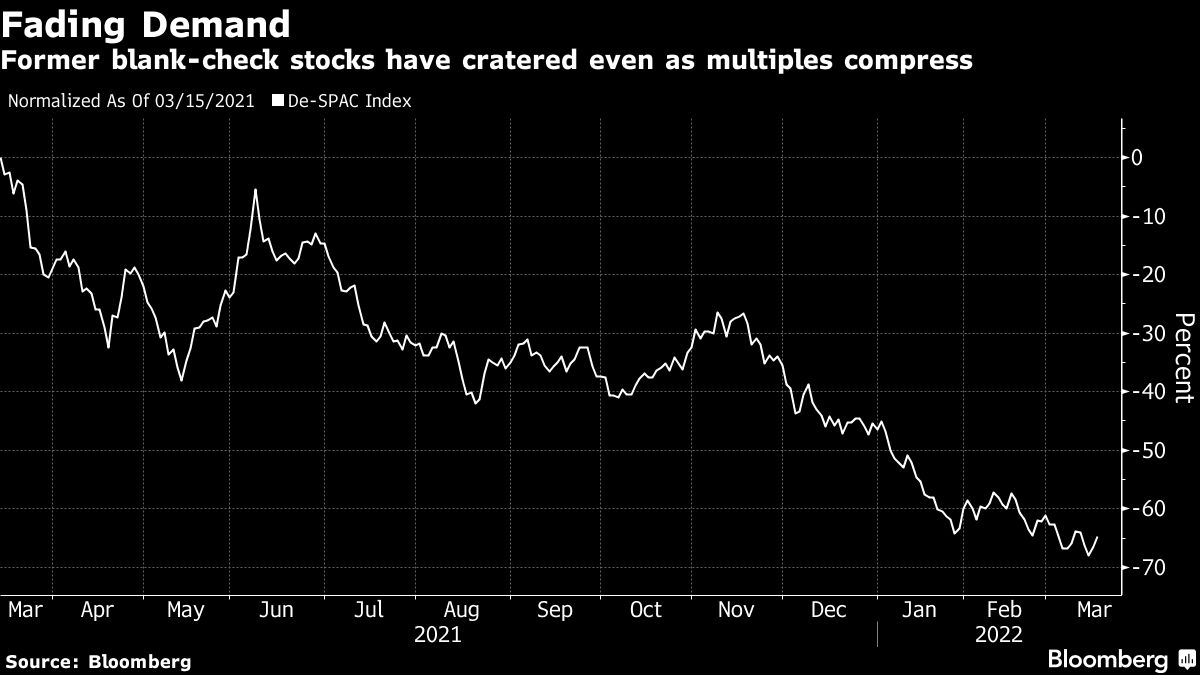
Investors grabbing shares in beaten-down companies after a merger with blank-check firms aren’t getting much of a bargain. In most cases, they’re still paying dearly for promises of revenue and profits that remain years away.
Russia’s invasion of Ukraine and the resulting oil market tumult are prompting a global rethink of fossil fuel reliance that progressive Democrats want to seize for a renewable energy “moonshot.” But some of the party’s climate hawks also recognize that the U.S. may have to do something they find abhorrent: increase drilling.
America’s central bank increased its benchmark interest rate on Wednesday, pushing it up by a quarter percentage point. The hike — the first since 2018 — was widely expected. But at a time when Russia’s war in Ukraine has roiled global markets, U.S. inflation is at its highest level since the 1980s and Covid-19 cases are increasing in some parts of the world, consumers and investors are contending with the prospect of rates going even higher.
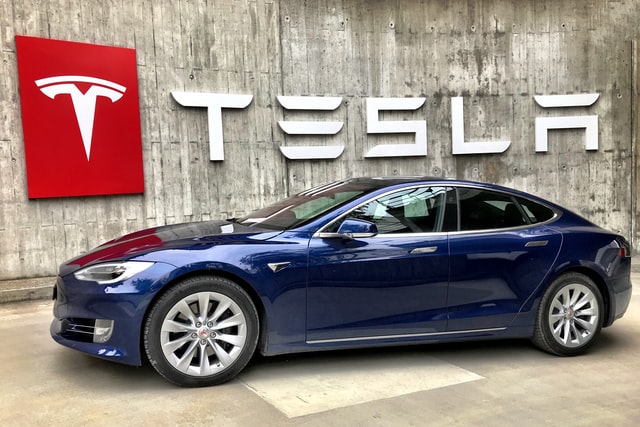
Tesla Inc. delayed a more than $1 billion offering of bonds backed by leases on its electric vehicles, the third issuer in the past week to halt a sale amid market turbulence, according to people with knowledge of the matter.
The recent surge in gasoline prices suggests we might see a reversal in consumers’ years-long shift towards trucks or sports-utility vehicles back to more modest, fuel-efficient vehicles. But don't expect automakers to go along.
Apple Inc. is a $2.5 trillion company. To significantly boost that bottom line, the company has only so many opportunities it can pursue. Self-driving cars and mixed-reality glasses come to mind (as much as I love the Ted Lasso cinematic universe, it won’t move the needle). There’s another massive opportunity that the iPhone maker has been fairly mum on: crypto.
Do you know someone who is financially dependent on an advisor who views themself as a financial guru, has "the answers," demands loyalty and compliance to their recommendations, willingly takes charge of their financial life, and craves the attention and adoration of their clients? For the financially dependent, it's a match made in heaven – until it isn't.
Why do we still refer to so many firms in the advisory profession as broker/dealers?
Amy Bloom’s thought-provoking book, In Love, tells the story of the “accompanied” suicide of her husband, Brian Ameche. There are several life lessons from this book, some of which I doubt the author intended to convey.
For American consumers wondering who's profiting from the run-up in food prices, it’s instructive to spend a few hours at Rob Tate’s Minnesota farm. Because he wants everyone to know that it sure isn’t him.