The combination of high U.S. inflation and Russia’s invasion of Ukraine has discombobulated U.S. markets. From Friday to Monday, traders effectively reduced the number of expected rate increases by the Federal Reserve to six from seven by next February, even though, by most accounts, the inflation outlook has only worsened.
Central banks have been a powerful tool to steady the global economy in crises past. Their ability — and willingness — to do so now is constrained. The terrain is tougher and the costs of a rescue are higher.
Canada is registering more and more ETFs each month, rapidly expanding offerings in a market where the average fund is roughly a 10th the size of its U.S. counterpart. Newfangled funds -- not least those pegged to Bitcoin -- are responsible for some of the glut as Toronto upholds its mantle as an industry laboratory.
Inject targeted marketing content in a stepwise approach and be patient while the relationship builds as marketing prospects see and consume your content.
Gauges of money market stress remain elevated after hitting their highest since 2020, though bank strategists don’t see the turbulence escalating into a full-blown crisis.
If there ever were a strategy to come close to being a sliver bullet for marketing, it’s texting. Before you click away from this screen, hear me out.
Here are some creative features to add to lazy, unappealing job postings so you can poach talent from your competitors.
Interest-only variable annuity policies have zero commissions, no surrender charges and low annual M&E and admin fees plus various subaccounts that span traditional and alternative investment strategies.
The Rest of the Story was a radio show that aired from 1942-2008. Host Paul Harvey revealed little known facts that were previously not reported. The rest of the Federal Reserve story is that it is just pretending to be in control, and the rest of the Russian invasion story is about China and the U.S. dollar.
Though there are 1 million donor-advised fund (DAF) accounts in the country, many clients are still not aware of how they can help them in their desire to support the charities and causes that are important to them.
In the immortal words of Jerry Seinfeld: “You don’t even know what a write-off is.”
Investment professionals liken trading against small, uninformed investors to shooting fish in a barrel. With the GameStop saga in late 2020, however, the fish started shooting back.
Mohamed El-Erian, who last year predicted inflation would be the problem it is now, says investors should “just be humble and have humility” to navigate the heightened geopolitical uncertainties after Russia’s invasion of Ukraine.
Tragically, life has been upended for those who were living in a peaceful Ukraine only a few days ago. Now their country is under intense military attack and creeping occupation. Many fear for their lives. Others have become refugees.
Wartime reporting typically focuses on troops in combat, civilians in the crossfire or, sometimes, the effect of sanctions. But behind the scenes more decentralized mechanisms are exerting their influence, often based on economic logic. These forces are mostly working against Russia and for Ukraine.
As of the end of last week, markets were in an emphatic “risk-on” phase. After the initial shock of Russia’s invasion of Ukraine, the S&P 500 had regained a stunning 6.6% in two days’ trading. I argued that the market was working on the assumption that Vladimir Putin would get what he wanted, and that the world could live with this.
With oil again surging as governments step up sanctions on Russia, yield curves signaling growing apprehension over growth and concerns mounting about 2008-style liquidity crunches as the dollar surges, pressure on economies is rising. Should it result in a full-blown downturn, it will become much harder for equities to stay resilient.
Gold climbed as Western nations escalated sanctions on Russia for the invasion of Ukraine, heightening fears of a hit to global economic growth.
This article, which is written for clients, explains that direct indexing portfolios are broadly diversified with individual stocks that are personalized to meet the needs, values, and preferences of an investor.
The academic evidence against active management is mounting. New research shows that information is incorporated into security pricing far too quickly for investors to profit from it.
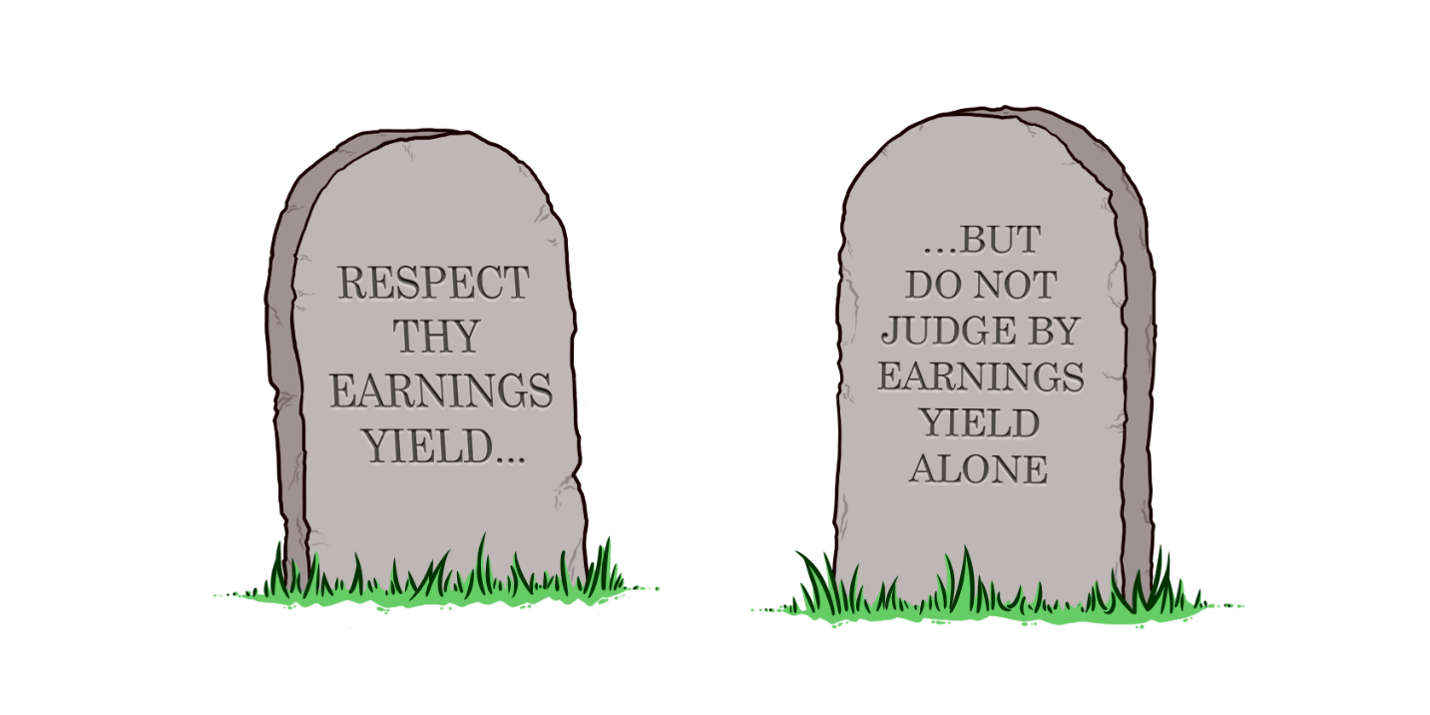
Yale Professor Robert Shiller’s Cyclically Adjusted Price-to-Earnings ratio (CAPE) is a respectable predictor of the future real return of the stock market, but it underwhelms when used on its own to set stock exposure. We examine a better way of using CAPE, with much better results.
On Wednesday, Musk claimed he’s been “building a case” against the U.S. Securities and Exchange Commission, which he accused of starting a fight with him that he will finish. The SEC likely would beg to differ with this retelling and point to Musk’s August 2018 tweets about taking Tesla private, which the agency alleged amounted to securities fraud.
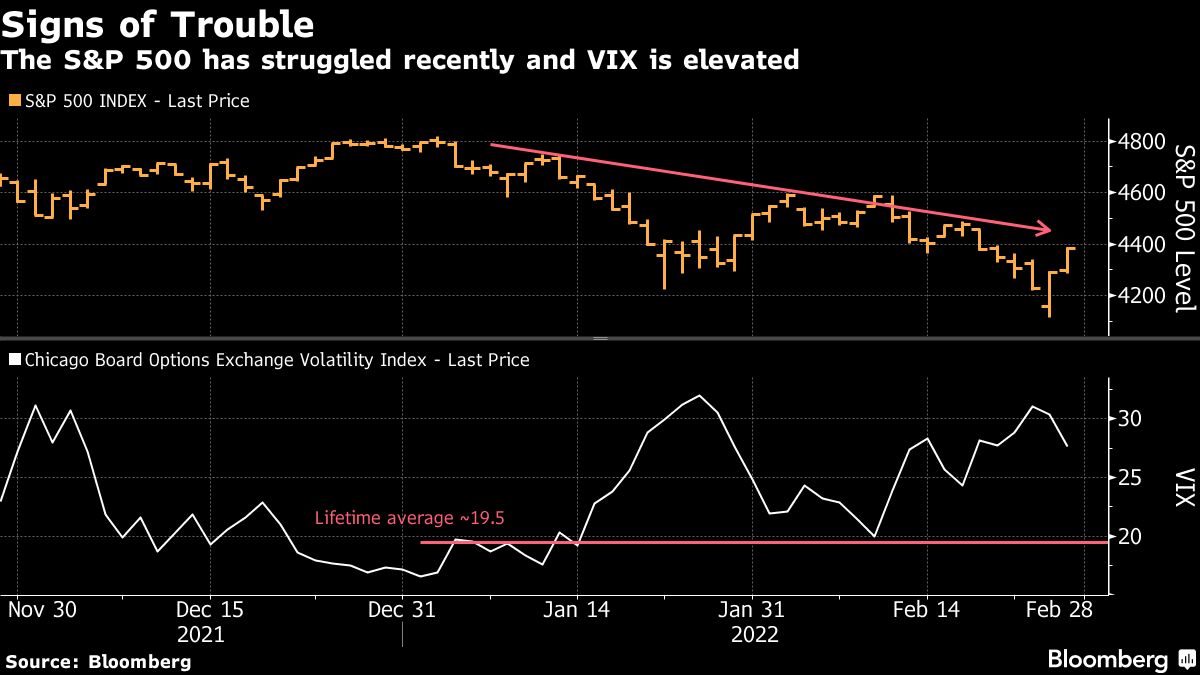
The S&P 500 Index officially fell into a correction on Tuesday, tumbling 10% from its record high on Jan. 3. The benchmark for U.S. stocks extended its decline on Wednesday, dropping as much as 1.8%. The word “correction” implies something was “wrong” with stocks.
Oil’s surge to $100 a barrel for the first time since 2014 represents a double-blow to the world economy by further denting growth prospects and driving up inflation. That’s a worrying combination for the U.S. Federal Reserve and fellow central banks as they seek to contain the strongest price pressures in decades without derailing recoveries from the pandemic.
Gold surged to the highest since 2020 after Russian forces attacked targets across Ukraine, triggering the worst security crisis in Europe since World War II and crushing risk sentiment.
The unfettered boom in ESG debt has created some accounting concerns that are in urgent need of regulatory attention, according to Europe’s markets watchdog.
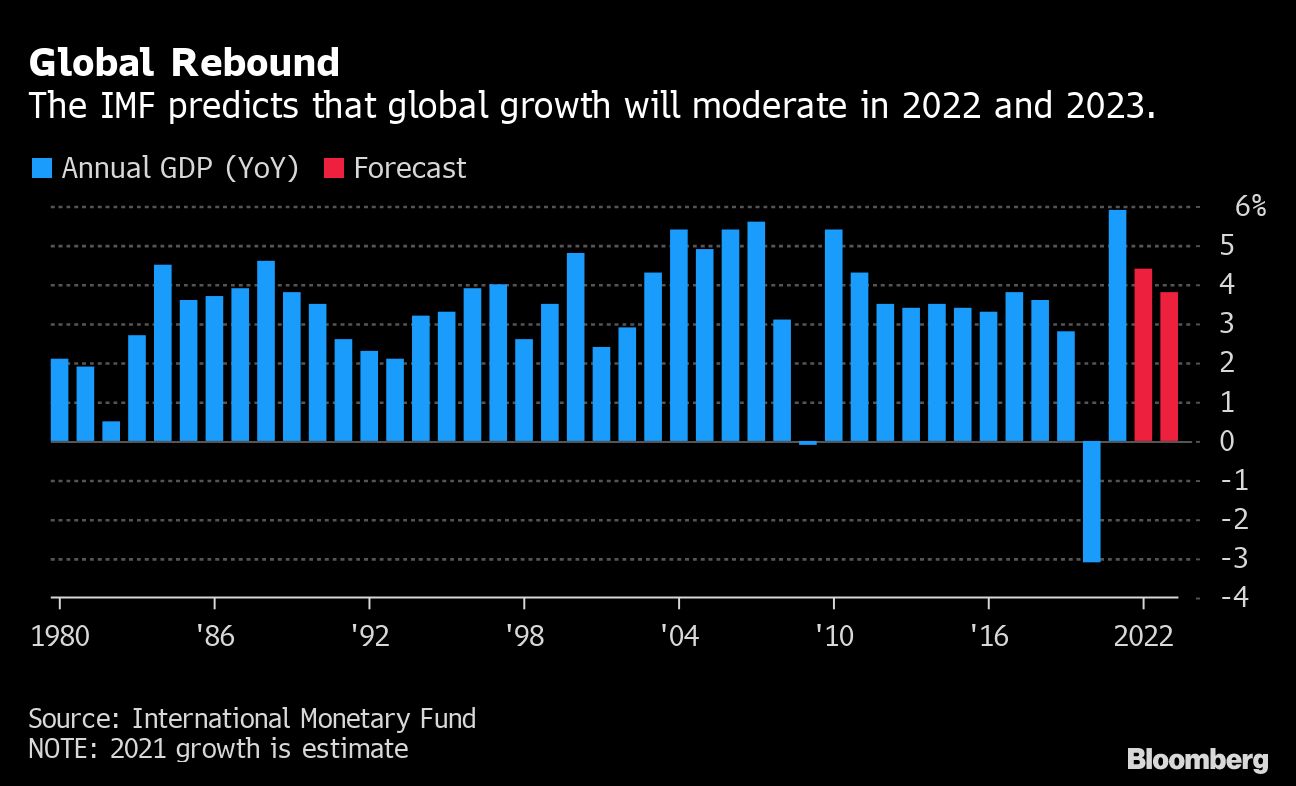
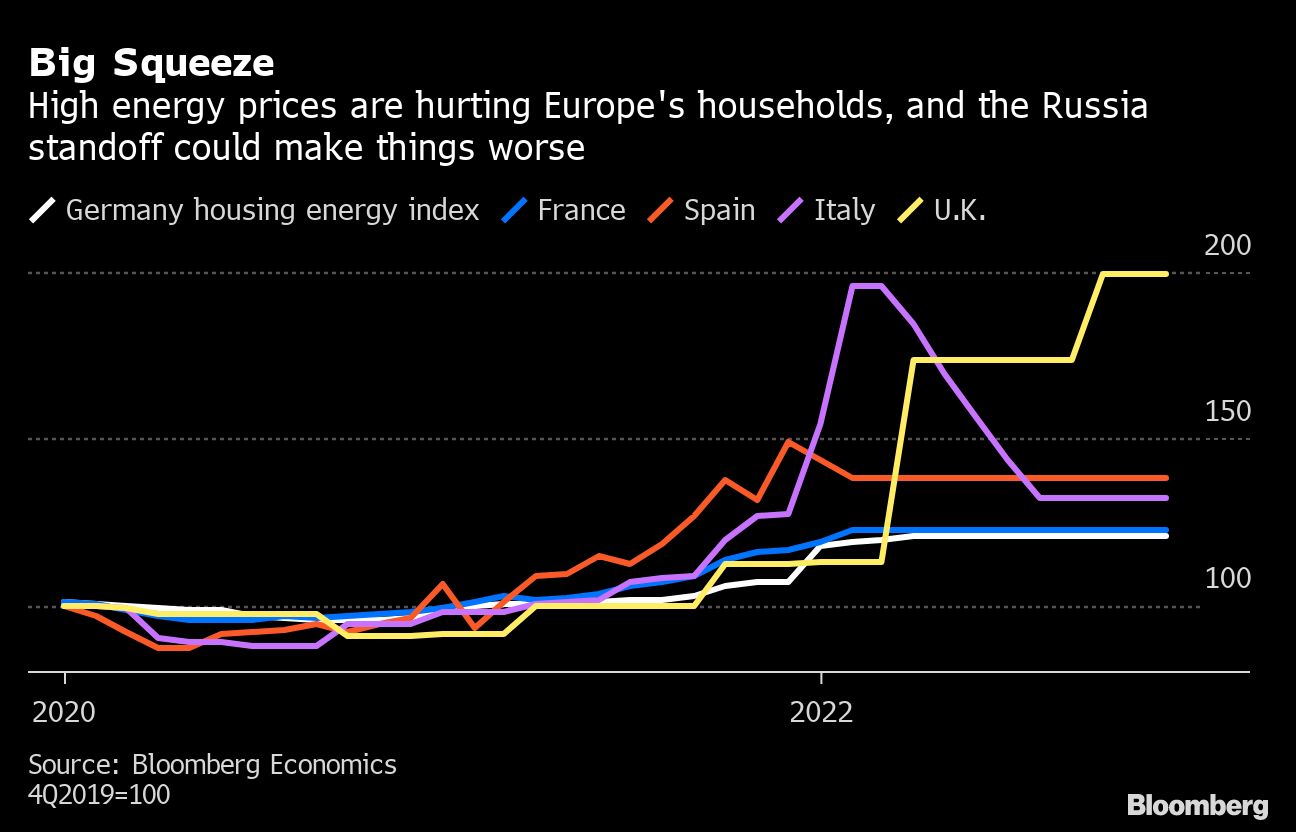
A world economy that’s still recovering from Covid-19 faces new risks from an energy-price spike as the standoff between the West and Russia escalates.
Bill Hench is head of the small-cap team at First Eagle Investments and portfolio manager of its small-cap strategy. The First Eagle Small Cap Opportunity Fund (FESCX) was established April 27, 2021.
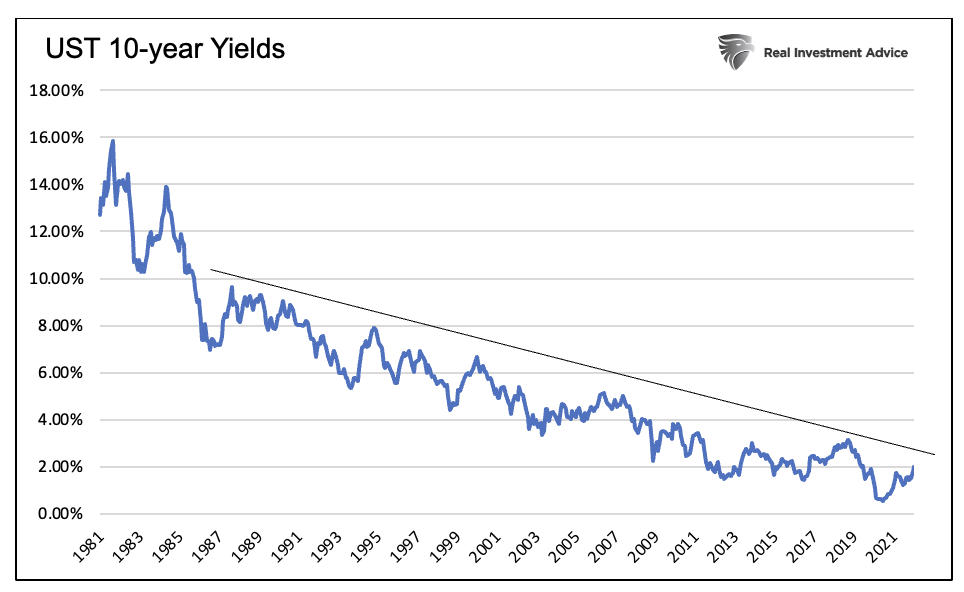
I propose a strategy that can produce larger price gains or losses than bonds and higher yields than traditional bond funds or ETFs. If yields decline soon, investors can expect double-digit returns in a relatively short period.
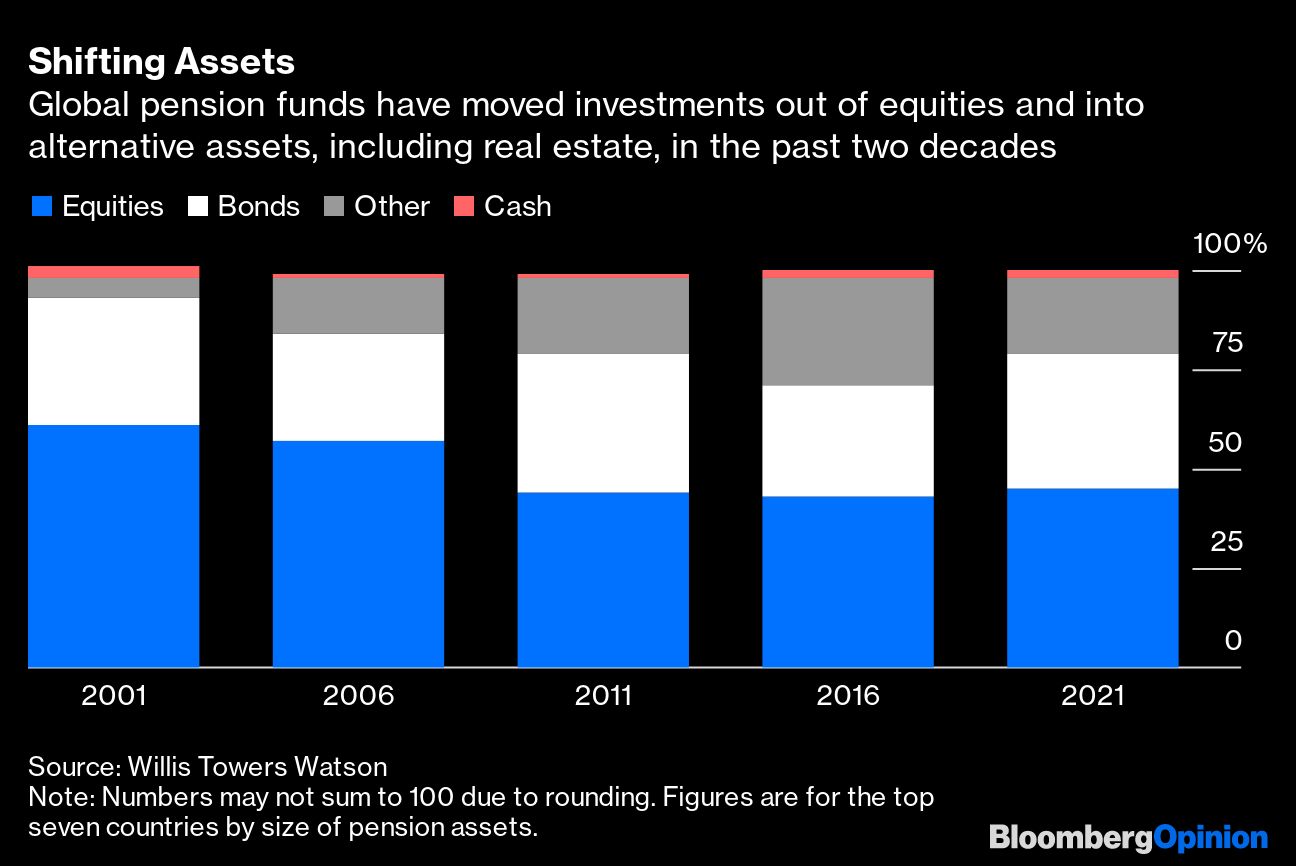
The world’s pension funds are growing as an ageing population puts more money aside to pay for retirement. The global total has doubled in the past decade to almost $57 trillion. But the biggest pool of savings risks missing out on both diversification and returns by restricting its investments to its domestic markets.
There's understandably a lot of concern about inflation — and consumers want to know who to blame for it. U.S. companies are showing that they've got pricing power and know how to use it in this environment. That makes them an easy target for consumers — and politicians' — ire.
With the expectation that the Federal Reserve is on the cusp of raising interest rates, we’re hearing all sorts of predictions about how this will affect the red-hot U.S. housing market, which just registered record-high increases for 2021.
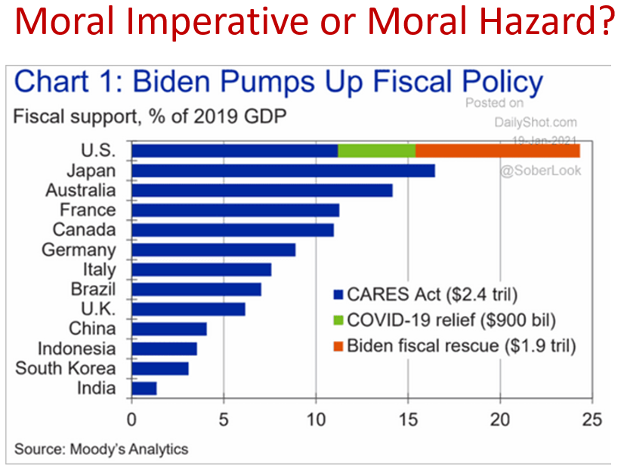
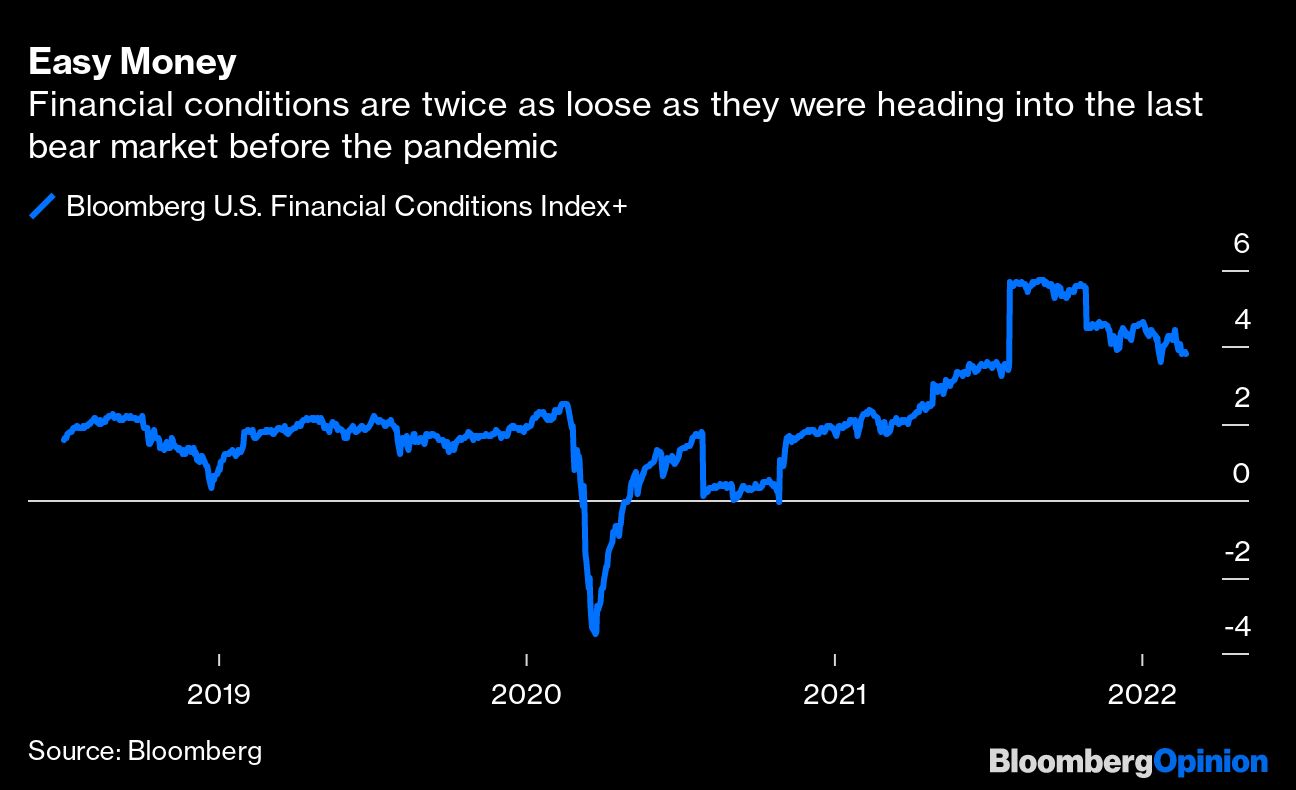
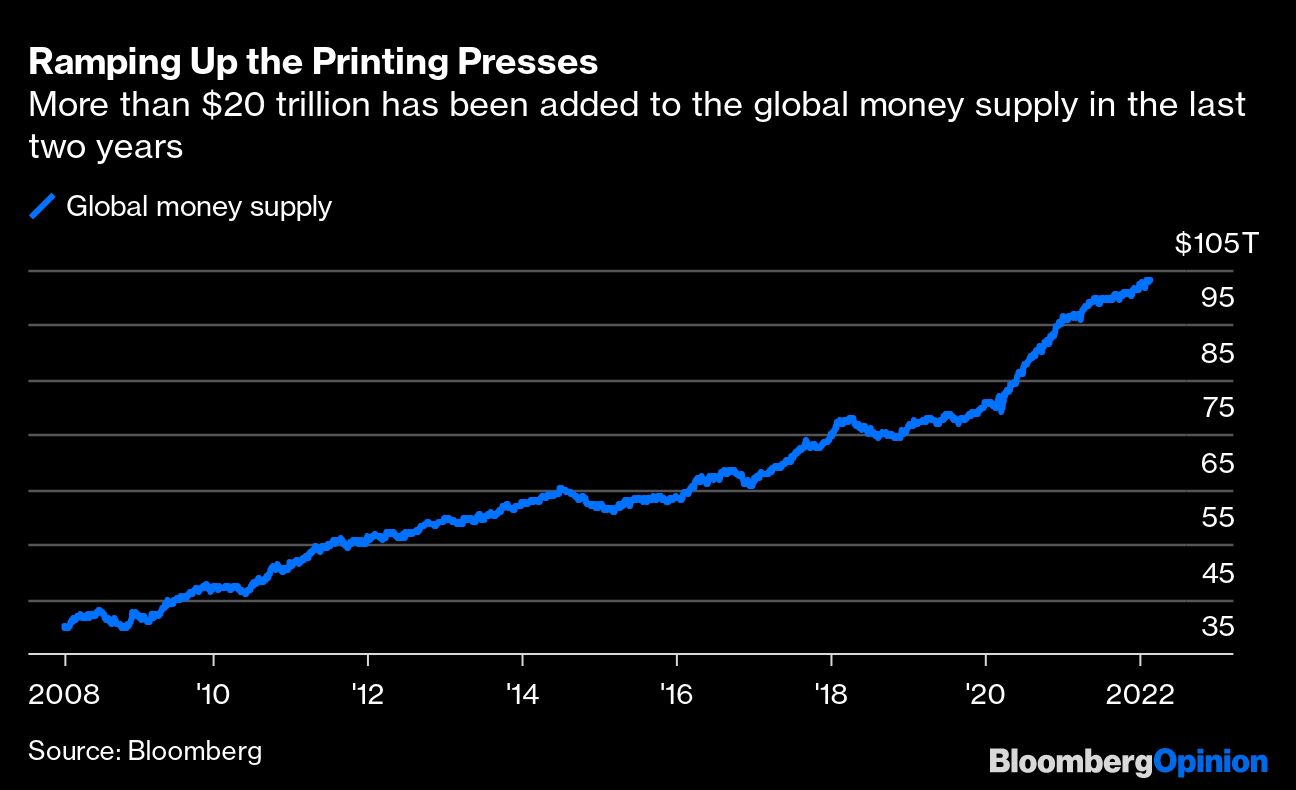
The Federal Reserve, European Central Bank and others have created so much money to go along with unprecedented support from governments to combat the Covid-19 pandemic that the world is awash in liquidity.
It has been a rough several months for U.S. stocks. While broad market averages are down, they obscure the extent of the wreckage. Not even the technology-heavy Nasdaq Composite Index, which has tumbled more than the better-known S&P 500 Index and Dow Jones Industrial Average, tells the whole story.
Oil jumped with traders keeping a close eye on ongoing geopolitical tensions as Ukraine said several government and bank websites were hit by cyberattacks.
ICYMI: In this roundup, we’re highlighting the five most popular pieces of content from the previous week.
Here are five ways the right partner can help you become more efficient in independence.
We have the new program installed, but no one is using it.
I came across an inspiring book, If I Could Tell You Just One Thing, by Richard Reed. He met with 49 remarkable people (some well-known, others not) and asked them to share their most valuable advice.
I’ve learned a lot running my digital marketing companies over the past five years. You may find these six lessons helpful.
Here’s rough justice: FINRA’s February 9 disgraceful report on broker-dealer breaches of Reg BI came out just as the Winter Olympics was tarnished by the politics of the IOC.
For years, Mercedes-Benz Group AG’s profits failed to match the desirability of its luxury vehicles. Now, semiconductor shortages have given it the perfect cover to hike prices and prioritize production of its most expensive high-performance models.
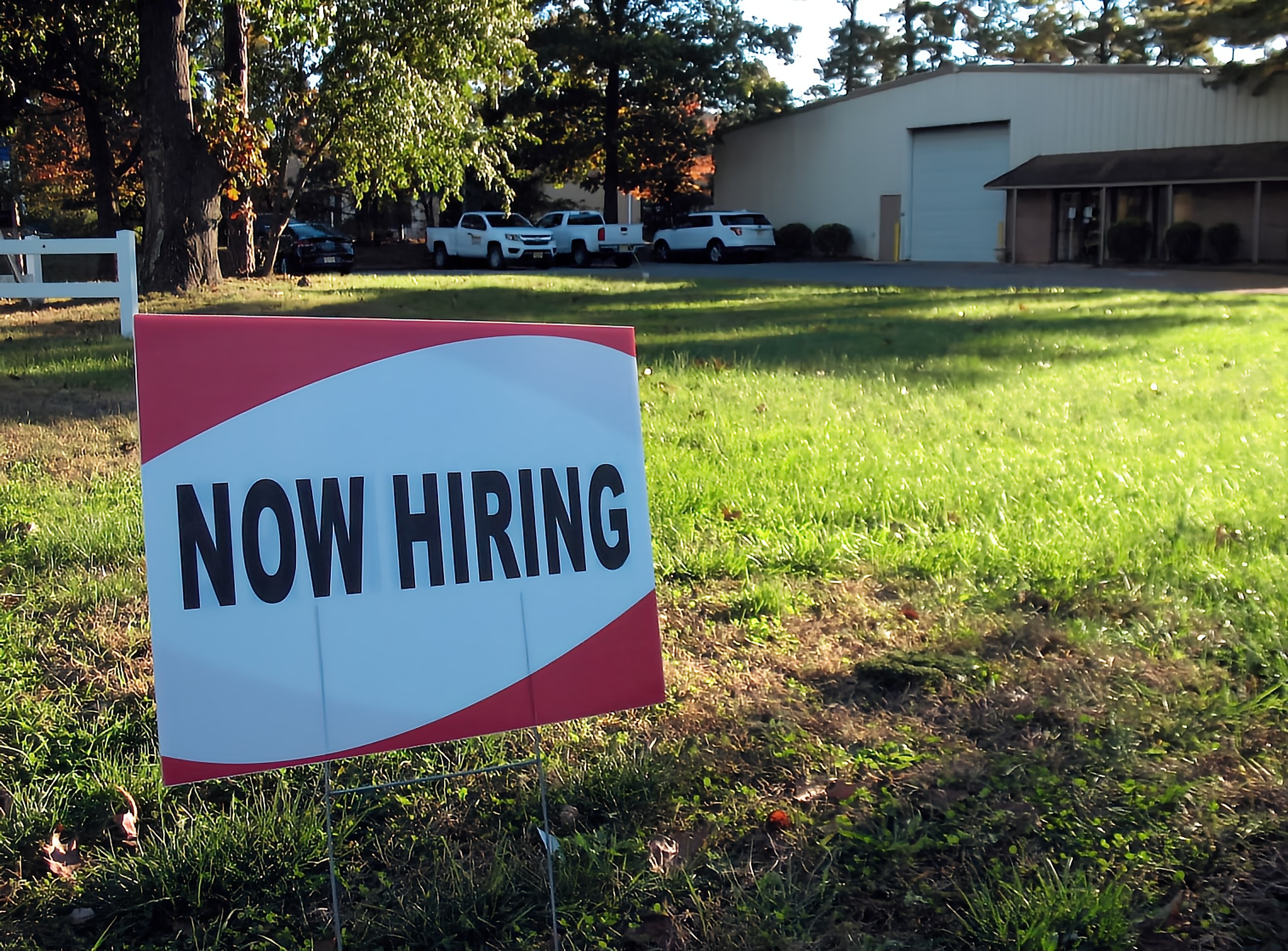
U.S. home mortgage lenders have spent much of the last two years hiring. Now they might have to spend the coming months laying workers off.
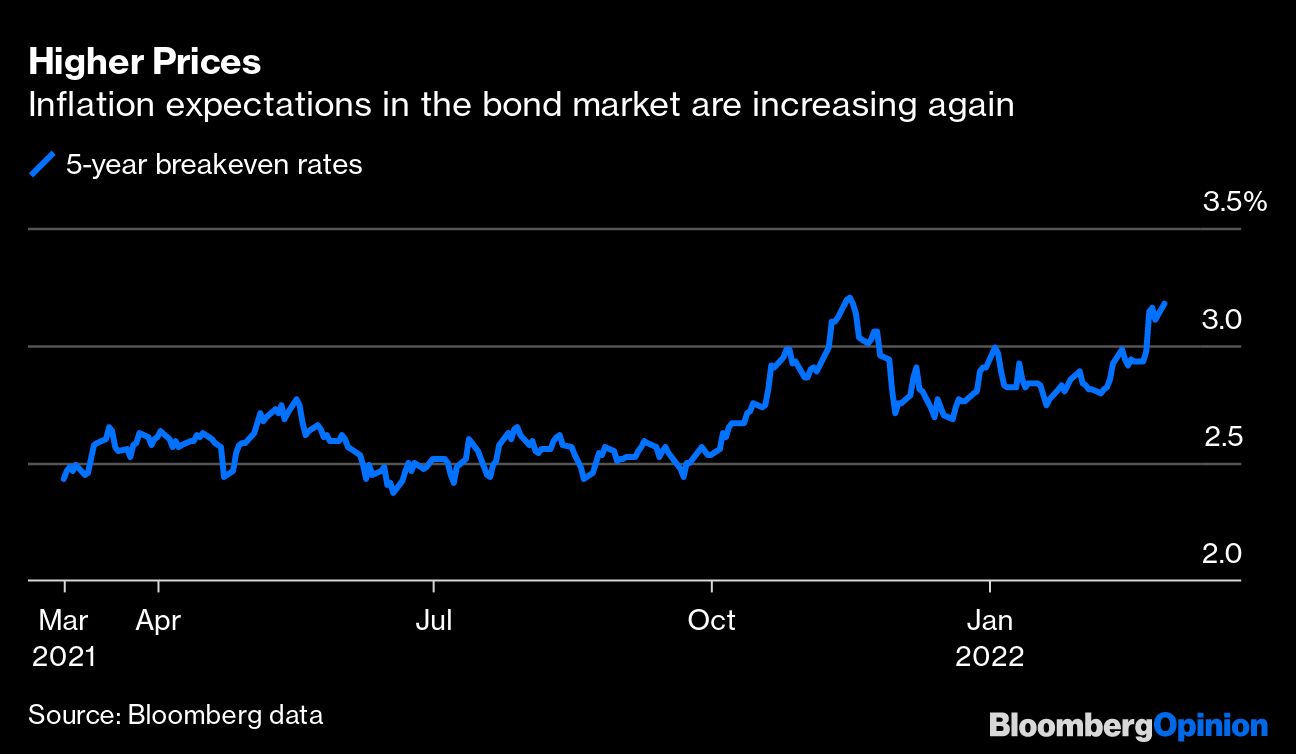
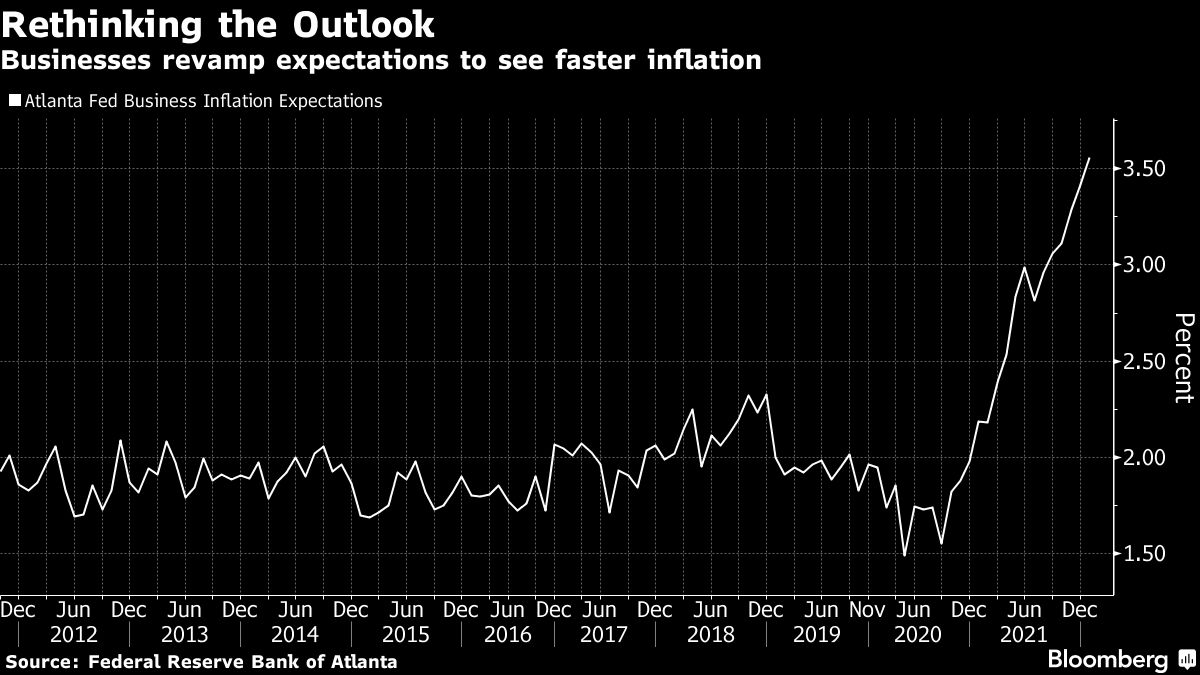
As U.S. businesses and consumers weather the highest inflation in four decades, some firms are already betting those cost increases will be around for longer than many economists are predicting.
When it comes to investment returns, most people, including those who work in financial markets, only consider nominal numbers. For example, they look at the price of the S&P 500 Index now, where it was a year ago and work out what the total return was including dividends in that period.
Cryptocurrencies may be all the rage, but good luck figuring out how they fit in a portfolio.
Jasmin and Ryan recently exchanged ideas about trading apps and new software that can help educate investors about key investment principles.
Is "the grind" as outdated as the Boomers that came up with the saying?
The global economy has less policy flexibility to deal with a possible stagflationary shock, and central banks have few good options to counter possible financial market malfunction that would amplify economic challenges.
It's called social media for a reason. Most people get the media part. They share links back to their website, blog, or podcast. But they forget about the social part.