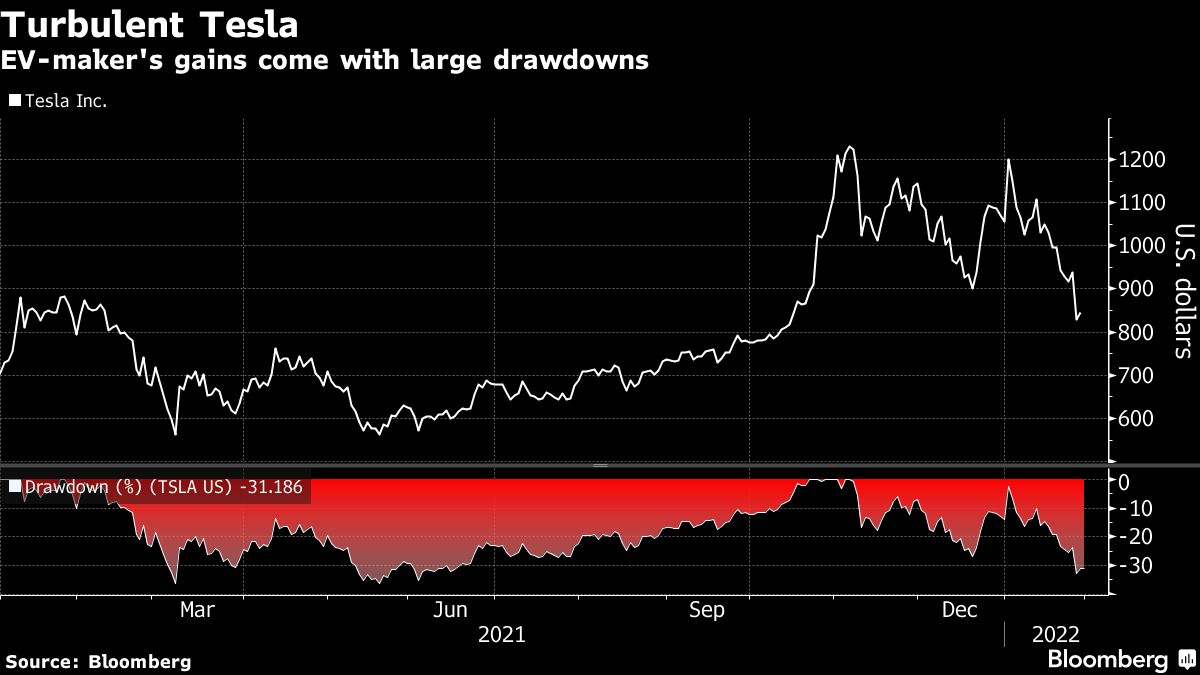
Looking to tap into Tesla Inc. gains while avoiding its white-knuckle volatility? A planned exchange-traded fund wants to do precisely that, just as the Elon Musk-loving retail mob gets tested in the tech market turmoil.
Flush from soaring stock markets and surging cryptocurrencies, the U.S. was the surprise leader of the luxury sector last year, as people splashed out on everything from Cartier jewelry to Christian Dior handbags.
Europe’s stricter environmental, social and governance rules might be forcing companies in more controversial sectors to look across the Atlantic for funding.
John Legend is starting an NFT platform for musicians and entertainers who are trying to navigate the frenzy around digital collectibles.
U.S. lenders issued more credit cards than ever last year, with a growing share of them going to consumers with lower credit scores.
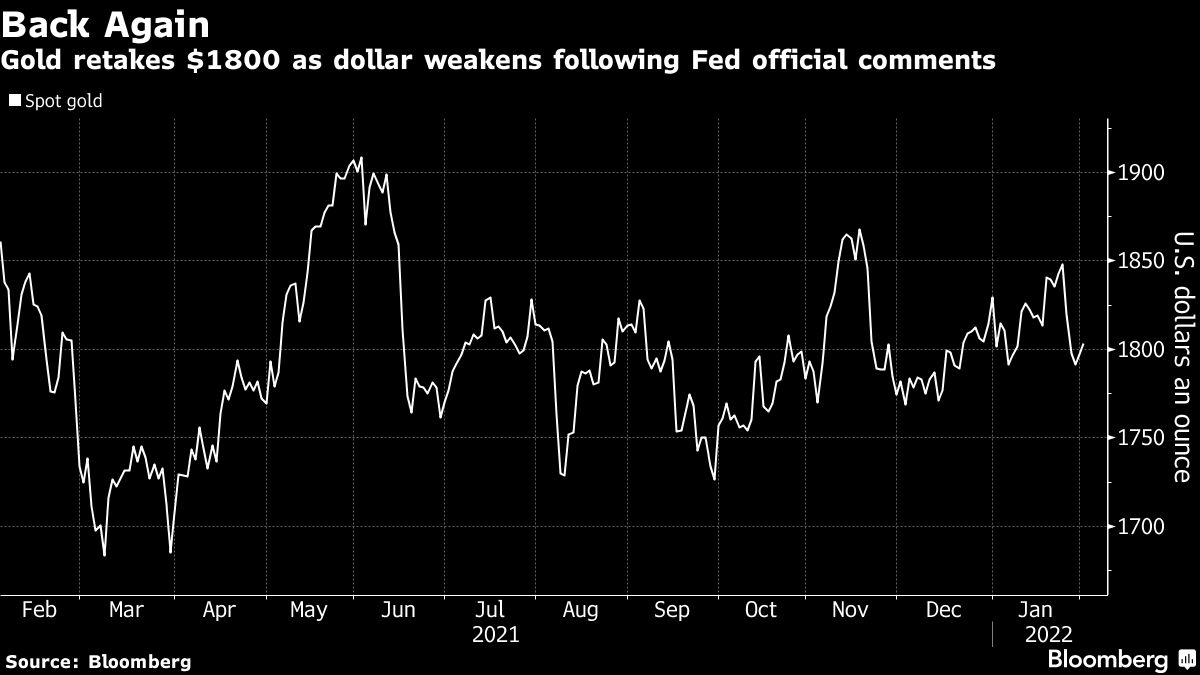
Gold advanced and the dollar pushed lower after economic data showed the U.S. unexpectedly shedding jobs last month.
UBS made a huge investment in acquiring the robo-advisor Wealthfront. But neither this investment nor any other robo pose a threat to traditional financial advice.
I don’t know if we should downsize and move into a smaller space, give people the option to WFH and then lose the great camaraderie that has always made us so great.
There are pros and cons to hiring a motivational speaker. While there are reasons to do so, here’s a secret they don’t want you to know…
How would you answer this question, “What makes you different and unique from everyone else who does what you do?”
ICYMI: In this roundup, we’re highlighting the five most popular pieces of content from the previous week.
They might ease our fears or satisfy an inner need, but predictions about the markets or the economy are useless to our clients.
I examine two biases that often handcuff investors and push them to make the wrong decisions at the wrong time.
Supply-chain problems became the almighty boogeyman in 2021 alongside Covid, and now its partner in crime, inflation, is the thing causing anxiety. The Consumer Price Index rose to 7% in December 2021, which is the highest it’s been since the early ’80s. But should the typical consumer be worried about inflation?
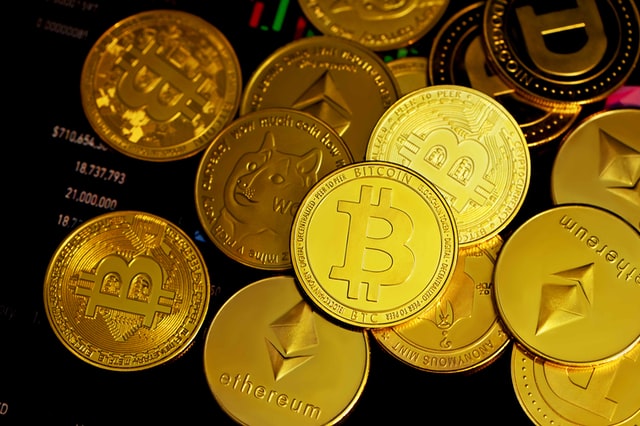
The largest cryptocurrency by market value has notched only about a dozen up days this month, according to data compiled by Bloomberg, with the rest of the time mired in a decline. Other digital assets have also suffered, with No. 2 token Ether down roughly 30% since the end of December.
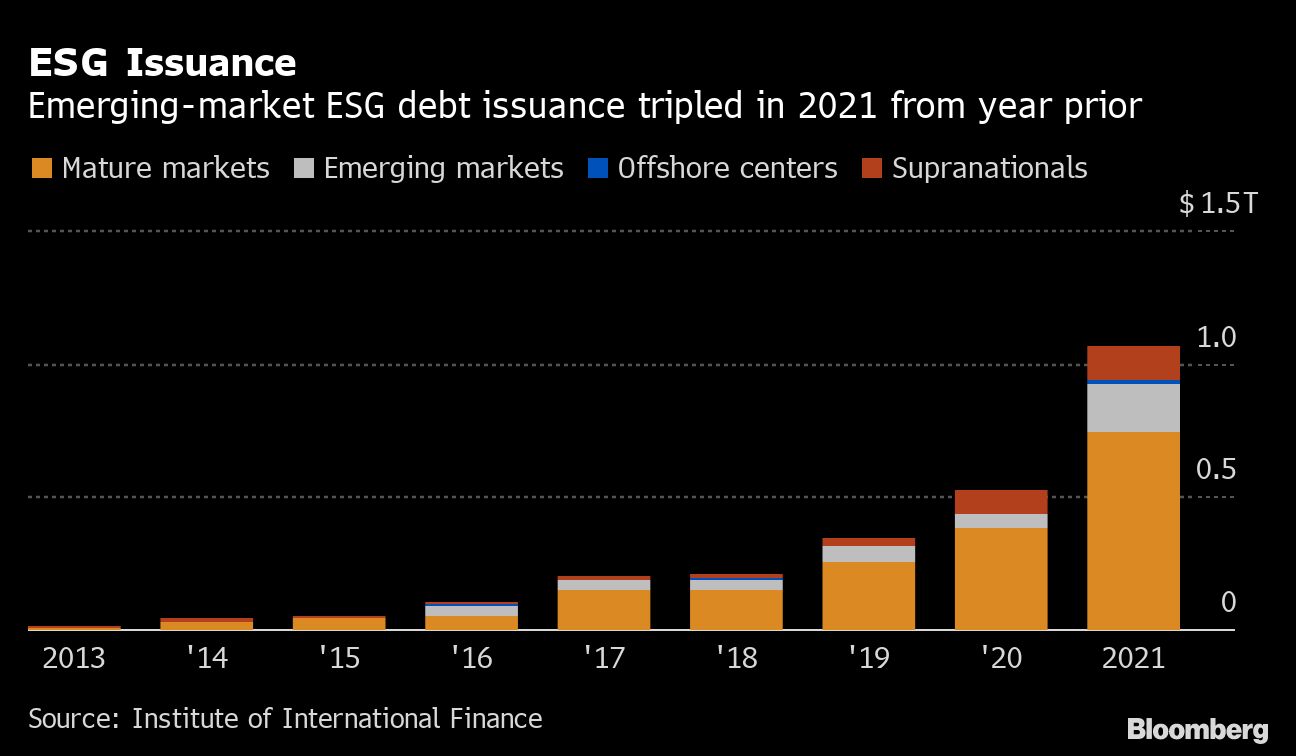
A tsunami of socially conscious debt has emerged from the developing world, flooding global markets like never before with investments that claim to make the world a better place.
For all the money that companies and governments are raising in the green-bond market to fund environmental projects globally, there’s still a long way to go to adequately fund the fight against climate change, according to the Climate Bonds Initiative.
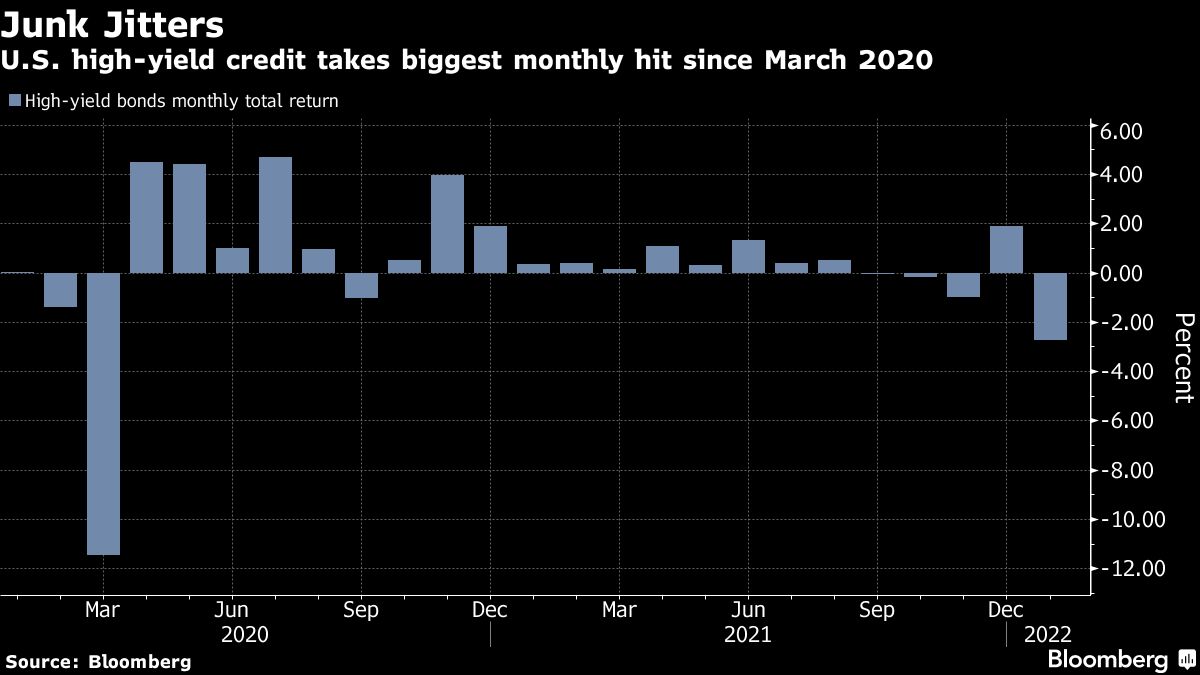
U.S. junk bonds just posted their worst start to a year ever, and their dour performance last month made them a potentially surprising victim of the Federal Reserve’s looming rate-hike campaign.
The Biden administration will share more details about its work on an economic framework agreement with Asian nations in the coming weeks, according to a top trade official.
Here are four signs that you should cancel all your client meetings.
There are a lot of things advisors do (or don’t do) with their marketing that are the same as using a leaky bucket.
Personal finance is like a pot of simmering chicken soup on the back burner. They know it’s there and they know it’s savory, but they also know it will not require much attention until they eat it.
What would you guess the average American worker makes in a year? This is the question Nina Strohminger, professor of legal studies and business ethics at University of Pennsylvania’s Wharton School of Business, asked her business students recently.
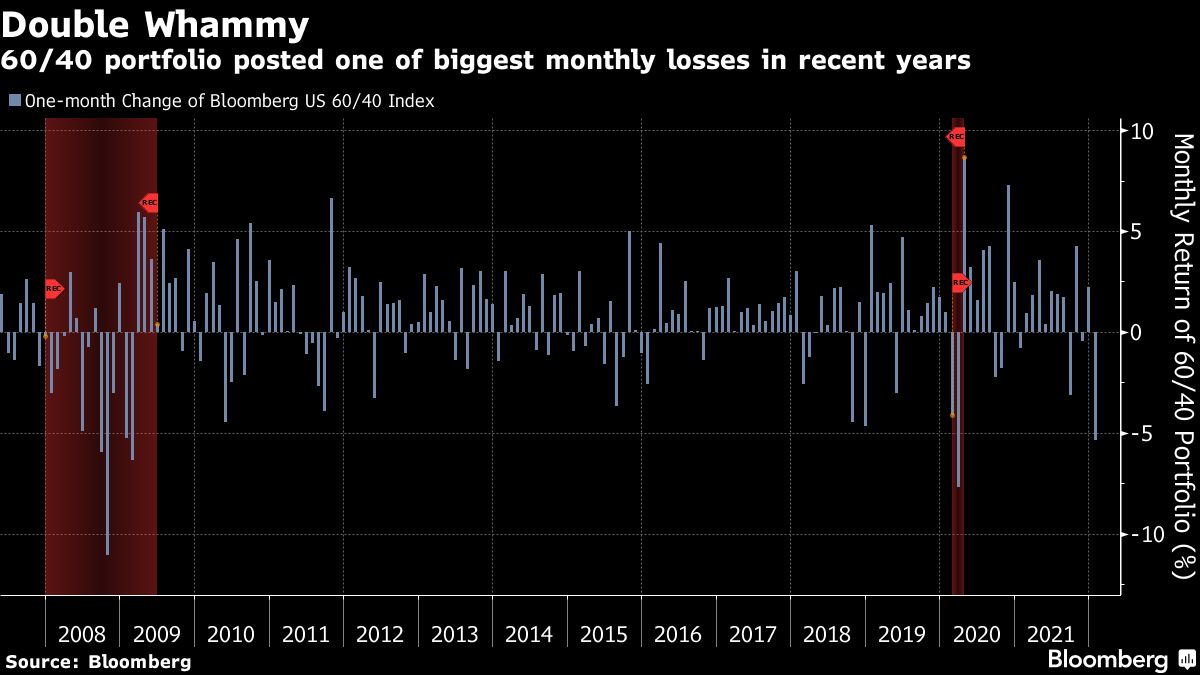
A bedrock of long-term investing, a portfolio split 60/40 between equities and high-quality bonds, is set for its worst monthly slide since the market meltdown in the early days of the pandemic.
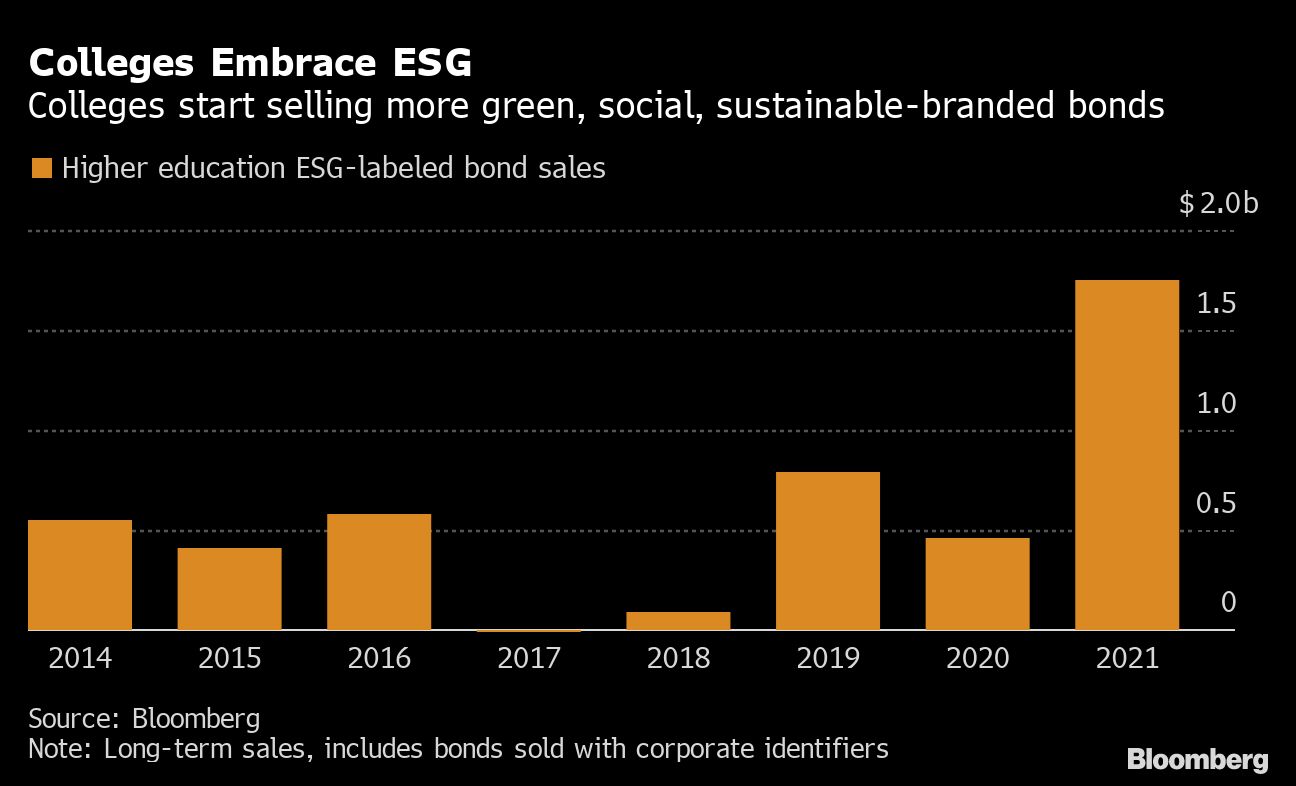
Eager to show their commitment to mitigate climate change, U.S. colleges are touting their efforts in the bond market with a trendy financing tool.
A group of Democratic lawmakers led by U.S. Senator Elizabeth Warren is demanding details from six of the world’s biggest Bitcoin miners about their electricity consumption and greenhouse-gas emissions, a warning shot that comes amid growing concern over the cryptocurrency industry’s environmental impact.
American families are feeling the financial squeeze of soaring inflation and a persistent pandemic as fractious Democrats return to Washington this week no closer to a deal on a tax and spending bill party leaders hoped would by now provide relief.
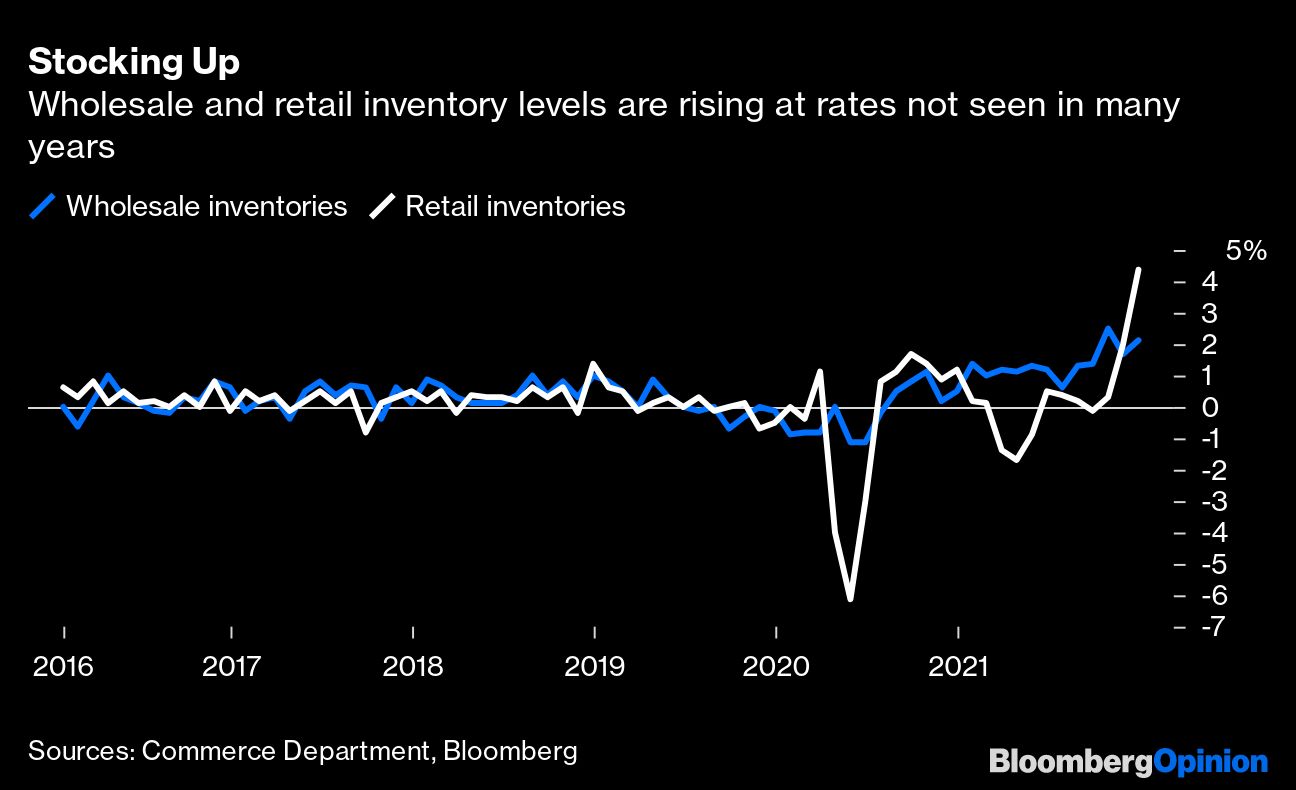
Don’t be fooled by the Commerce Department report Thursday showing the U.S. economy grew at a faster-than-expected annualized rate of 6.9% in the fourth quarter. Look under the hood of the gross domestic product report and it’s clear that there’s a big inventory cycle unfolding in the economy as consumer demand wanes following a large buildup in the supply of goods.
Lunar New Year treats like sponge cakes and pineapple tarts are more costly to make than ever after drought in the U.S. slashed harvests of a specialty wheat that’s a key ingredient.
Is inflation “transitory?” Not if one looks at the historical pattern of inflation clusters.
So-called “green” stocks that have a good environmental, social and governance (ESG) profile have lower expected returns. But new research shows that they also have less risk and similar risk-adjusted returns to “brown” stocks.
We shouldn’t read too much into pop sociology, especially when investing other people’s money. William Strauss and Neil Howe built a following by studying substantive differences among generations: Baby Boomers, Millennials, Gen X and so forth. But that view is mistaken, according to Bobby Duffy.
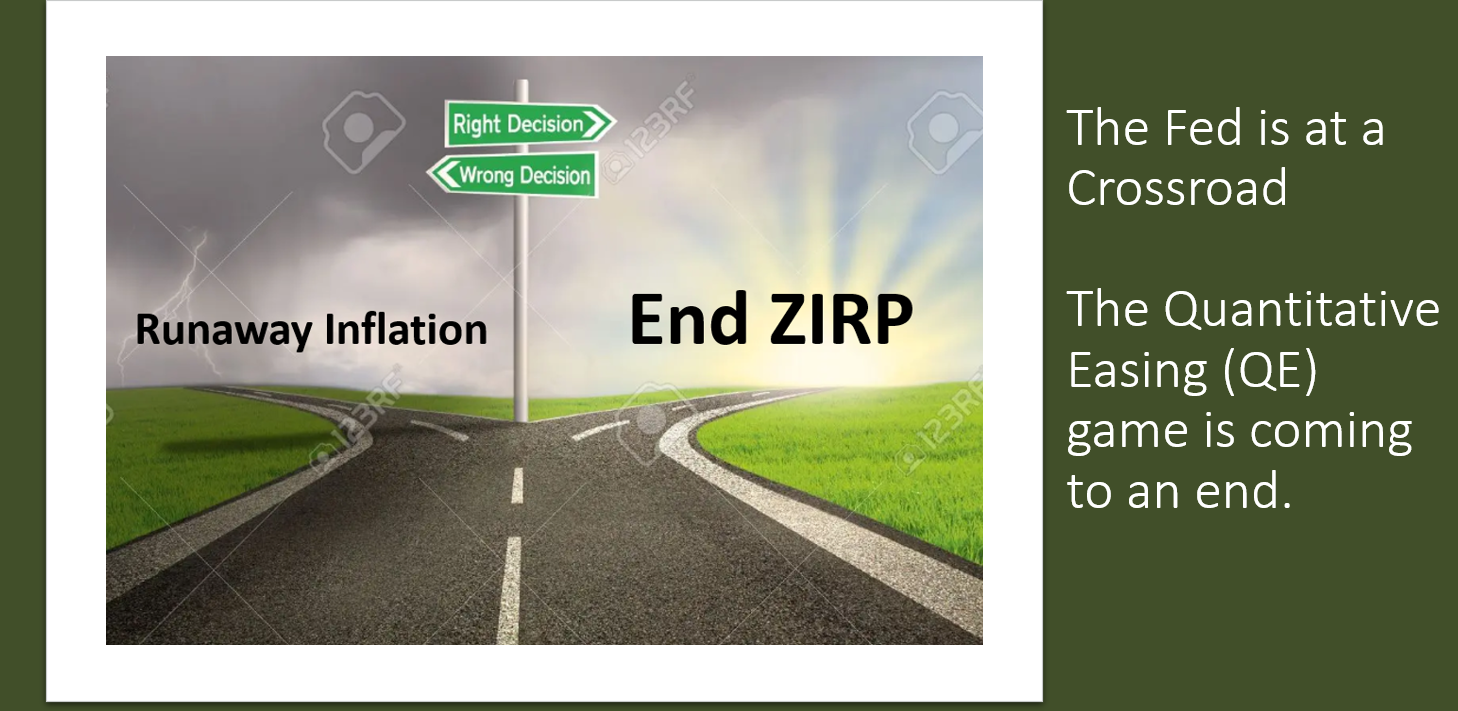
Interest rate manipulation has been achieved through massive money printing that is causing inflation. To control inflation, bond manipulation must stop. When the manipulation ends, bond prices will plummet, and stock prices will follow.
When assets get overvalued and get into crazy territory, explaining their overvaluation feels like playing this “infinity times infinity” game. But at least, if we line up different crazy valuations next to each other, it is going to be easier to distinguish levels of craziness.
The decade-long bull market has infected advisors and their clients – especially those in or nearing retirement – with a dose of complacency that hides the perilous outcomes most consider impossible.
How do you know when it’s time to pivot your marketing?
The Nasdaq will go into bear market territory and the S&P 500 will suffer a correction, according to Jeremy Siegel.
Crypto prices are tumbling. By one account, crypto assets have lost about $1.35 trillion globally since November, with some falling in price by 80% or more. Many investors feel a real pinch.
Energy transition investment follows familiar patterns in global capital markets. Large, established financial institutions supply hundreds of billions of dollars a year to finance construction of long-lived assets using familiar zero-carbon technologies — i.e., deployment.
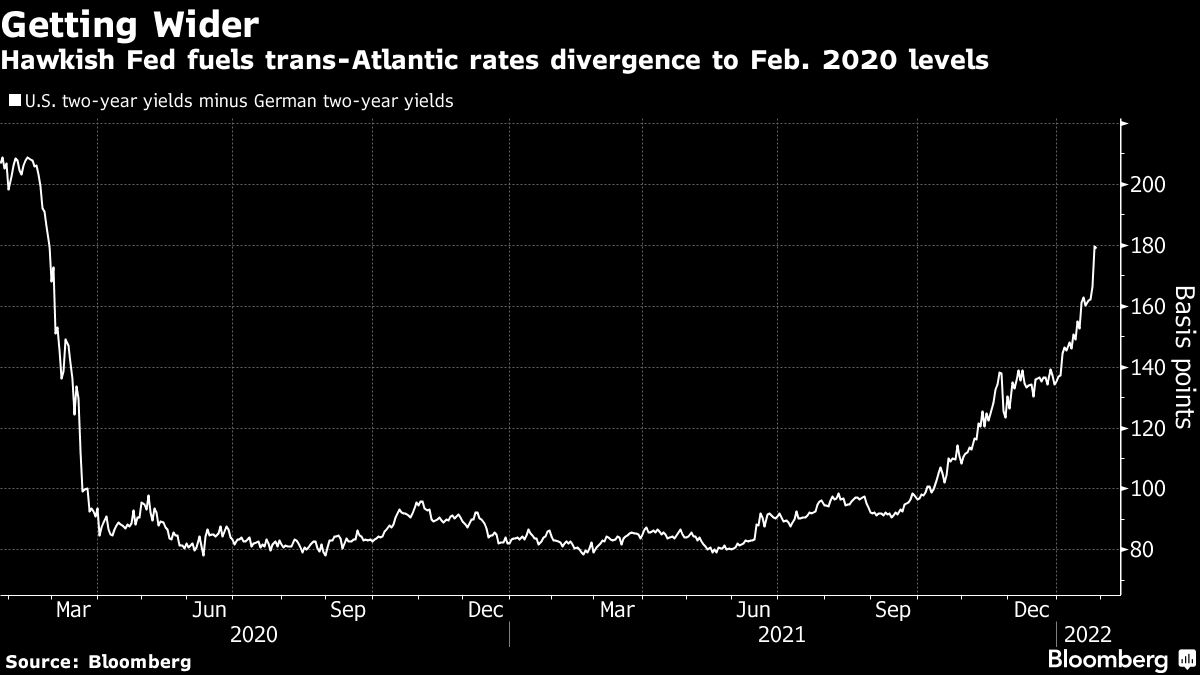
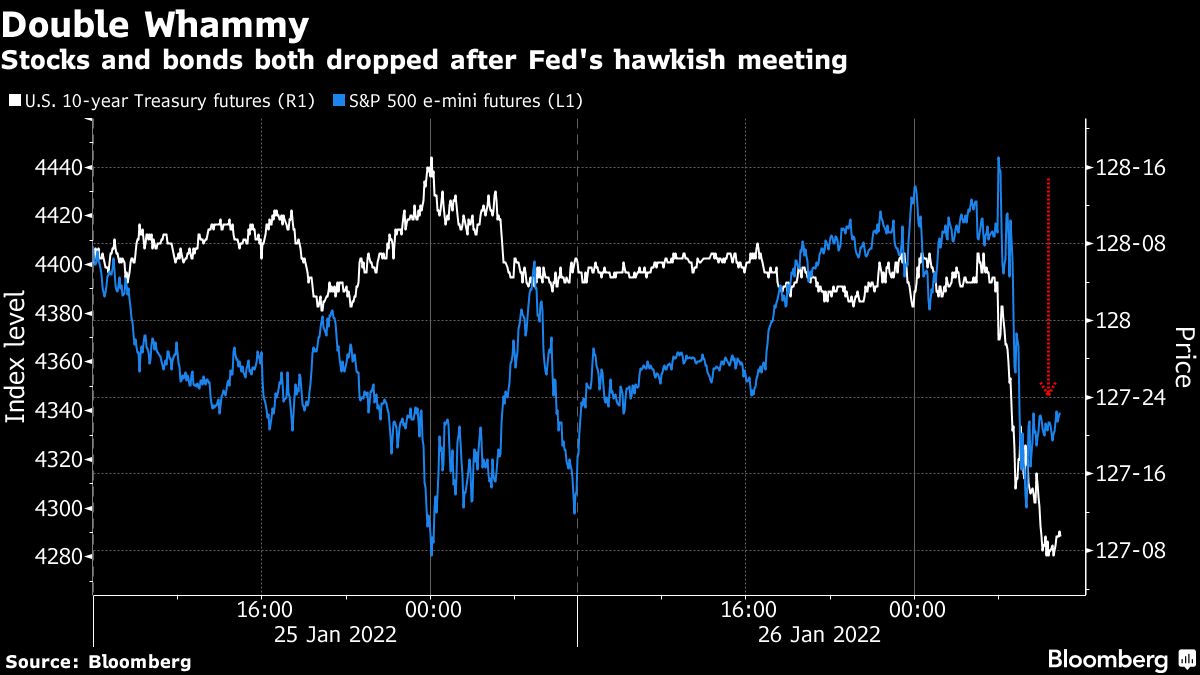
Bonds tumbled across the world on Thursday after Federal Reserve Chairman Jerome Powell’s latest hawkish pivot, with yields from Wellington to London breaching multi-year highs.
Strategists are mapping out their best trade ideas after Federal Reserve Chair Jerome Powell set the stage for raising interest rates to combat the highest inflation since 1982.
U.S. economic growth accelerated by more than forecast in the final three months of last year, fueled by the rebuilding of inventories and a pickup in consumer spending.
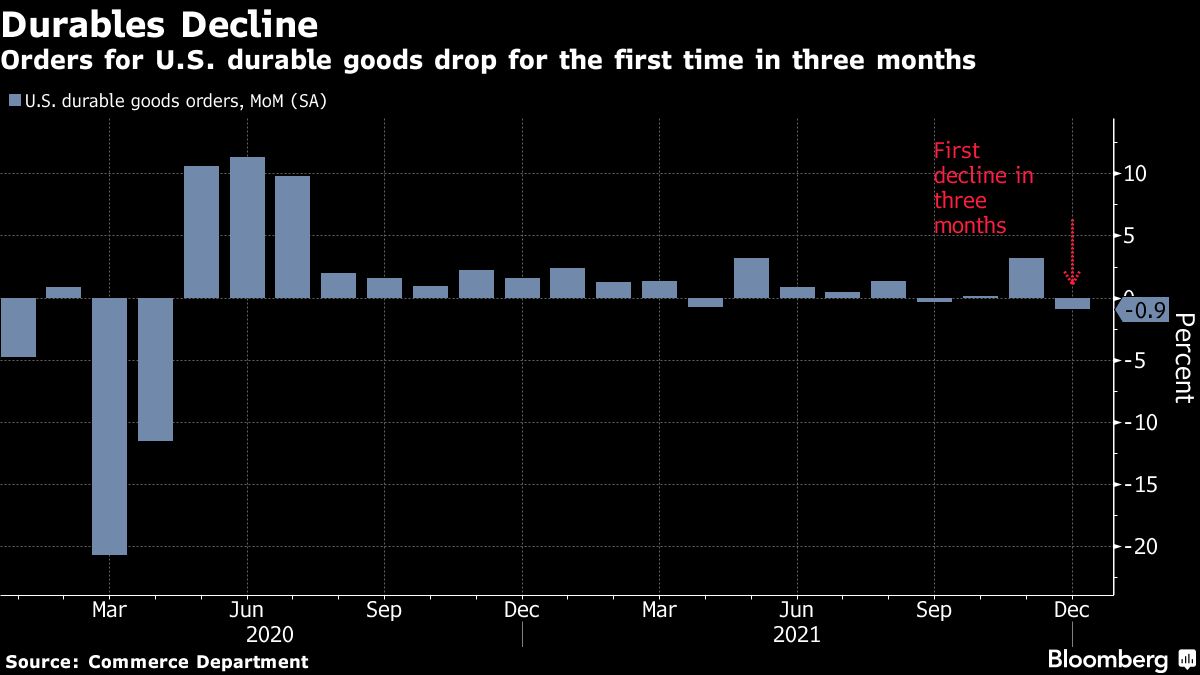
Orders placed with U.S. factories for durable goods fell in December for the first time in three months, pointing to a pause in capital investment at the close of the fourth quarter.
The yearly paying out of lump sums to reward top talent is such a standard, established practice, questioning it may seem a little quaint. More than three-quarters of U.S. companies use performance incentives of some kind. Yet the fact remains, we don’t really know how well they work. Do they encourage people to work harder and smarter?
A hefty debate is underway in the crypto space about whether Bitcoin is mired in a drawn-out bear market. Proponents of the notoriously volatile token say a bounce could be around the corner after it shed half its value from an all-time high in November. But a few industry metrics suggest a crypto winter is already here, according to market-intelligence firm Glassnode.
IRS criminal investigators see cryptocurrencies and nonfungible tokens as ripe for fraud, including money laundering, market manipulation and tax evasion -- and even celebrities could get caught up in the agency’s probes.
Large hedge funds and private-equity firms may soon have to start reporting steep losses, major redemptions and other extraordinary events in near real-time to the U.S. Securities and Exchange Commission -- a change that the regulator says will help it protect the financial system during meltdowns and wild swings like the meme stock mania that roiled markets a year ago.
Last year, shareholder activists teamed up with environmental and socially-minded investors in record numbers. The most successful campaign was arguably hedge fund Engine No. 1’s push to add three climate-conscious directors to the board of fossil-fuel behemoth Exxon Mobil Corp. Other notable initiatives included investor Dan Loeb’s attempt to break up Royal Dutch Shell Plc and Bluebell Capital Partners’s push for a management shakeup at GlaxoSmithKline Plc.
Four prominent economists are imploring the White House to rethink a critical lever for policymaking that they call “insufficient to deliver the climate targets set in the Paris Agreement and by the Biden administration.”