Wall Street had a lot riding on whether this week’s big-tech earnings would meet increasingly high expectations. By and large, the companies delivered.
Swiss stocks dropped as the market reopened after a holiday, on worries about the impact from US President Donald Trump’s punitive 39% export tariff and a push for drugmakers to lower prices.
For years, equity research has struggled to develop a sustainable revenue model. The spectacular growth in private markets may provide the opening that Wall Street analysts have been groping for.
Many portfolios consist of highly appreciated, concentrated positions. Investors are hesitant to rebalance these portfolios due to concerns about paying capital gains taxes. Such hesitancy is often unwarranted.
I will point out that one particular oft-overlooked capability will most likely determine the dominant currency in the future — the ability of a currency to preserve and protect the value of intangible assets into the future.
Investors in US Treasuries will scour employment data Friday for clearer evidence of a hiring slowdown that could open the door to the Federal Reserve cutting interest rates in September.
Four months after Donald Trump shocked the world and roiled markets by unveiling a placard full of tariff rates at the White House Rose Garden, his revisions unveiled Thursday generated a more subdued response among investors.
The nimbleness of corporate America is on full display this earnings season, with a little assist from fiscal policy.
We are entering a Golden Age of big business. Or, depending on how you look at it, a Dark Age for small business.
Did tariffs help Apple Inc. to a blowout quarter?
President Donald Trump has put the Indian prime minister in a tight corner. The 25% tariff that he says he’ll impose on US imports from the most-populous nation isn’t significantly higher than the rates he has announced for Southeast Asian countries like Vietnam, Indonesia and the Philippines.
In a May report on alternative scenarios for the long-term US budget outlook, the Congressional Budget Office estimated the impact of productivity growth that was faster or slower than the 1% annual average in its baseline forecast. It made a big difference.
The Federal Reserve kept benchmark interest rates unchanged on Wednesday but edged closer to a resumption of cuts, perhaps as soon as the next monetary policy meeting in mid-September.
Consider the humble bank note. Wrinkled and torn as it may be, it’s the only government-issued legal tender — the only direct obligation of a central bank — to which most people have access.
On Wednesday, Mark Zuckerberg addressed every constituency that mattered.
This week’s column is devoted to the advisors over the years who have shared stories with me that have stuck with me. These anecdotes have reminded me we can’t take anything for granted and being safe is better than sorry.
Meeting AI is no longer a nice-to-have — it’s become a core part of the advisor tech stack almost overnight.
A good RIA will focus on the “mechanical” parts of post-M&A integration. But great RIAs will pay just as much attention to the human side of integration.
US buyers have been coming for the UK’s top companies, and now they are coming for its bankers. You can see why London-based boutique Robey Warshaw is selling itself. For New York-based buyer Evercore Inc., it’s more a calculated gamble.
China’s current AI frenzy represents the best and worst of classic capitalism: The competition propels innovation at a rapid clip, but not all of the companies will survive over the next five or 10 years.
Coders who use artificial intelligence to help them write software are facing a growing problem, and Amazon.com Inc. is the latest company to fall victim.
UnitedHealth Group Inc. tumbled after warning its annual profit would be hit harder than Wall Street was expecting, the latest in a series of disappointments from an insurer once known for its reliable growth and predictability.
Whether the White House “won” its trade negotiations with the European Union is debatable: Americans will now pay more for French wine and German cars, while Europeans get a tax cut on US goods.
Most sales conversations fail because they’re built on outdated tactics that create pressure instead of connection.
There’s a movement underway to improve retirement investments through personalization, but it will do more harm than good in the next stock market crash because it uses the wrong information for defaulted participants.
Integrating tax expertise into your practice not only mitigates this risk but also transforms the way you serve your clients. Here are three compelling reasons to partner with a tax firm this year.
Some 15 Super Bowls ago, Chrysler wowed the viewing public with a long car commercial starring Eminem that featured the tagline “Imported From Detroit”.
Trying to do too much without a focused strategy reaps negligible results over time — it also causes burnout.
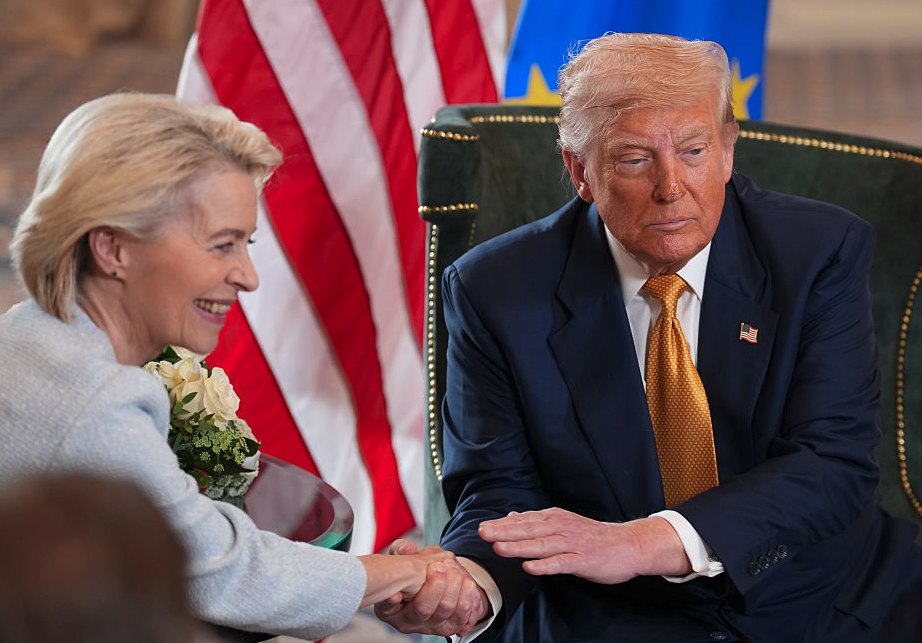
Donald Trump’s world tour of arm-twisting on trade has landed its latest deal: A 15% baseline tariff on European Union goods, lowered from the recently threatened 30%, in return for an apparent smorgasbord of continental investments into the US and huge purchases of energy and military equipment.
With 2 billion monthly users in 200 countries, Google’s AI Overviews can claim to be the most popular generative artificial-intelligence product yet released to the public.
A challenging housing market is pulling builders away from metros they’ve long favored to smaller cities, where it’s easier to construct the kinds of homes Americans can afford.
When it comes to investing, I’ve learned that common sense isn’t all that common. In fact, I’ve seen brilliant people lose millions of dollars on investments without using one ounce of common sense.
AI is rapidly increasing the speed and accuracy needed for financial market research and trade execution.
“Everyone knows” falling interest rates are good and rising interest rates are bad for bond investors. But “everyone” is generally wrong.
The outcomes resulting from headline items in 2025, such as inflation, monetary policy, and tariffs, remain unknown. However, staying disciplined and following a plan through a robust asset allocation is key.
One idea unites the left and right lately: a zero-sum view of the world. Unfortunately, nice as it would be to hail a rare instance of ideological harmony, both sides are very much mistaken.
The world’s hottest postcode for oil exploration is Namibia, attracting a who’s who of the petroleum industry.
The US and European Union agreed on a hard-fought deal that will see the bloc face 15% tariffs on most of its exports, including automobiles, staving off a trade war that could have delivered a hammer blow to the global economy.
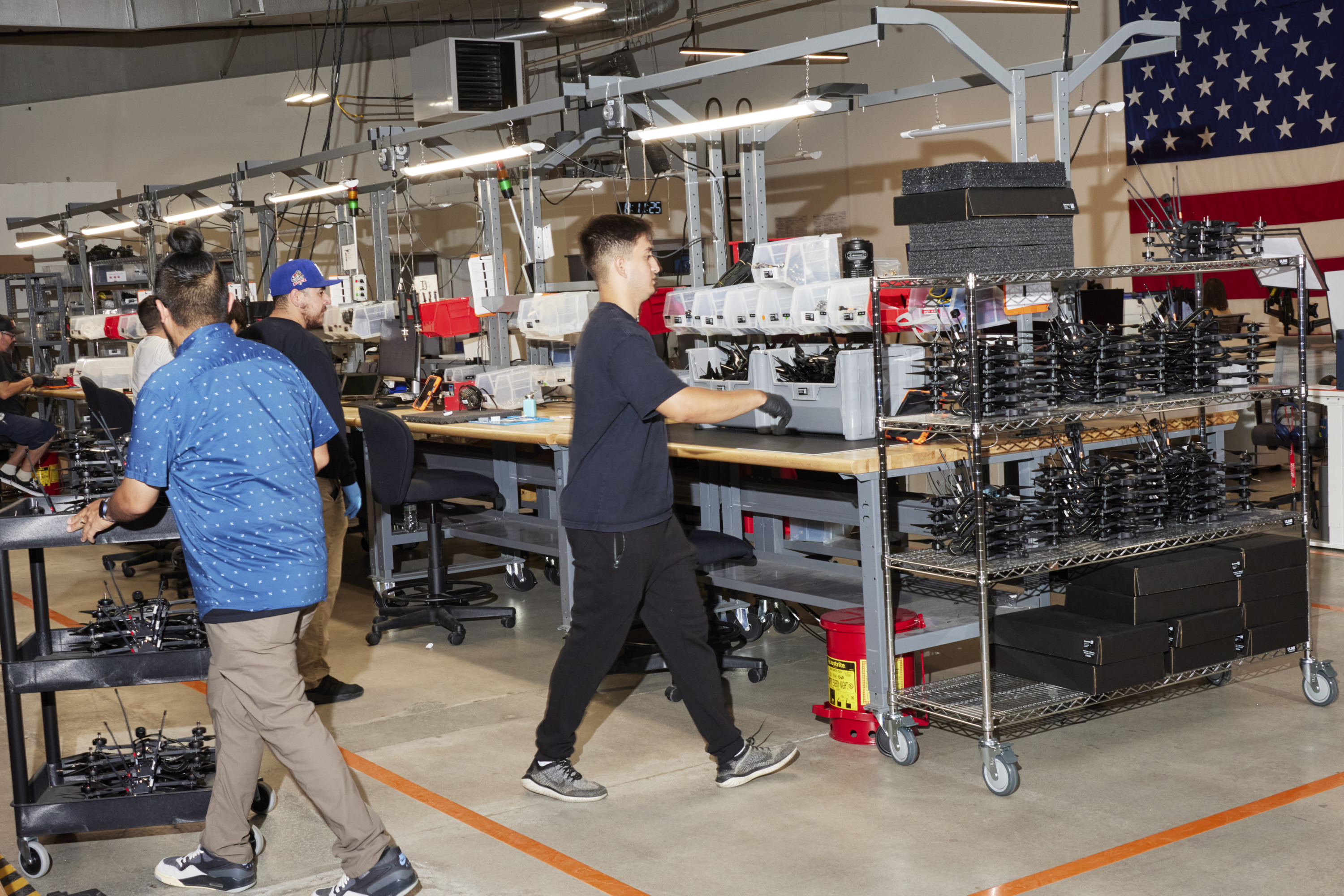
Every month Neros Inc. makes hundreds of drones designed to drop warheads on adversaries.
A solid earnings season shows Corporate America’s profit engine is humming along, potentially easing worries that the record-setting rally in US stocks is starting to overheat.
Star founders, Beijing officials and deep-pocketed financiers converge on Shanghai by the thousands this weekend to attend China’s most important AI summit. At the top of the agenda: how to propel Beijing’s ambitions to leapfrog the US in artificial intelligence — and profit off that drive.
Ordinary investors have won the battle of fees. The challenge will be holding on to that victory as Wall Street mounts a counteroffensive.
Much of the history of the modern corporation could be written in terms of two slogans: Ford’s “from mine to finished car: one organization,” and Apple’s “designed in California, assembled in China.”
Paramount Global’s merger with Skydance Media was approved by the US Federal Communications Commission, which backed the deal after the Trump administration extracted concessions on the news and entertainment company’s political coverage and diversity practices.
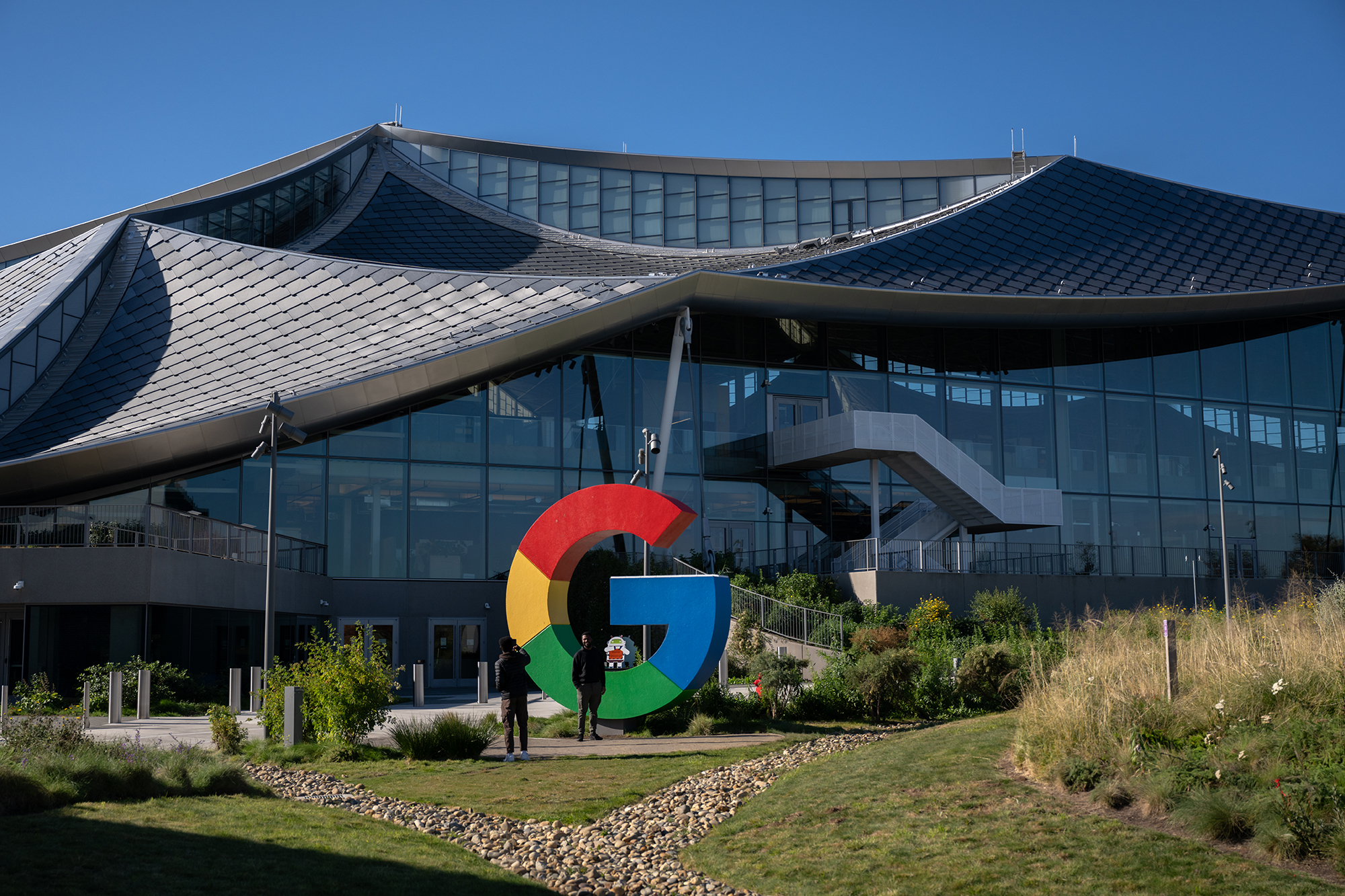
Alphabet Inc. said demand for artificial intelligence products boosted quarterly sales, and now requires an extreme increase in capital spending — heightening pressure on the company to justify the cost of keeping up in the AI race.
Blackstone Inc. reported a 25% jump in distributable earnings for the second quarter, buoyed by profits from its retail and evergreen funds.
Ever since he picked up a trombone in middle school, Jackson Spellman has wanted to pursue a career in music.
The US economy hasn’t seen tariffs like these in around 80 years.
The secret to getting a trillion-dollar valuation on a struggling car company is to convince everyone that you are not in fact a car company.
There are times you can’t get someone to see something that might actually be in their own best interest. All you can do is share your viewpoint.