Northern Trust

The Business Of The World Cup

Productivity is an essential component of economic success. It allows for growth without inflation; compensates for demographic deficits; and helps nations attract investment.
Should The Fed Look Forward?
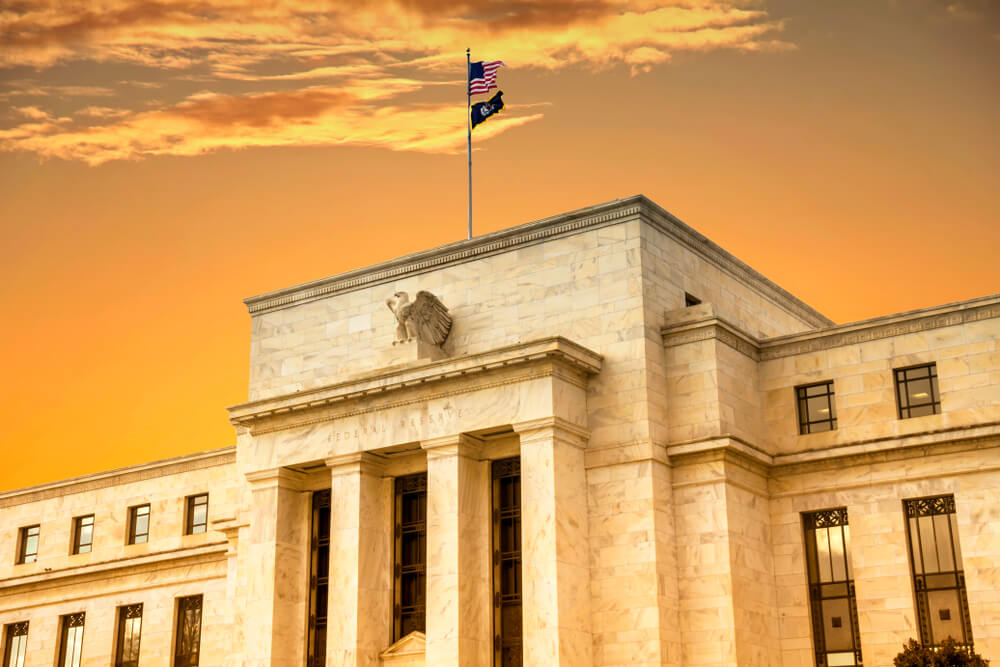
Former Fed Chair Alan Greenspan’s passing has brought a stream of retrospectives on his approaches to managing the economy. He erred on the side of parsimony, favoring short public statements. Greenspan’s vague communication style offered little clarity over the future path of interest rates.
Straitening Out

While the Middle East is still far from calm, it does appear the worst of the volatility in the region is in the past. The U.S.-Iran ceasefire is in place, with negotiations underway for a more durable peace.
Mid-Year Themes

Circumstances since 2020 have repeatedly demonstrated how adaptable the economy is in the face of new challenges. We see no reason for that resilience to fade in the balance of the year.
Is AI Inflationary or Deflationary?
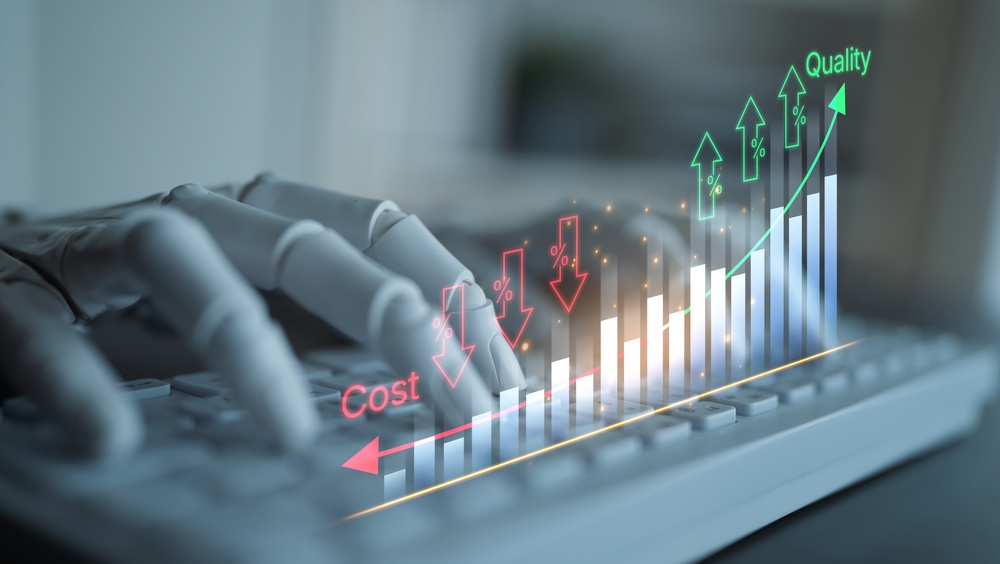
The AI boom goes from strength to strength. Big technology companies are pouring hundreds of billions of dollars into chips, data centers and power-hungry infrastructure. One estimate puts annual AI infrastructure investment above $650 billion in 2025 and potentially over $800 billion in 2026..
North America’s Trade Test

The ongoing World Cup showcases three countries working together. The USMCA review will reveal whether that cooperation extends beyond sport. A shared platform can continue to deliver strong outcomes, but only if the rules remain clear, stable and broadly accepted.
Truce In The Middle East

The announcement of an extended ceasefire in the Middle East is welcome news. The accord, which is scheduled to be signed late this week, reduces a source of geopolitical uncertainty that has hovered over the global economy. But significant risks remain.
AI Downsides Dominate Discourse

At graduation ceremonies, audiences are often reminded to limit their audible reactions and hold applause, so that all graduates’ names can be heard. But a few viral videos this year showed a new disturbance to be managed: graduating students booing speakers if they extolled the virtues of artificial intelligence (AI).

Fertilizer and Food

Fertilizers sit at the center of this transmission mechanism. As much as a third of the global supply of these commodities passes through the Strait of Hormuz, which has largely been closed for three months. This has triggered shortages and a price spike.
Trimming Inflation

An increasing number of our neighbors are now retired. As they have made that transition, their sensitivity to the costs of living has increased, as has their skepticism over the way that inflation is measured. A common refrain: “I don’t care what the numbers say…things are REALLY expensive these days!”
Trying Tango

Economies around the world aren’t just reliant on AI investments for growth. The appreciation of AI stocks has supported spending, which is following “K-shaped” patterns. A significant correction to the valuations of tech leaders would therefore be even more likely to result in recession.
Knocking at the Door

An unexpected rap on your front door is sometimes cause for anxiety. You are not sure who or what is out there, wanting to get in.
Gilt-y As Charged

Contrary to what legal television series portray, verdicts rarely turn on a single moment of drama. They take shape gradually, as evidence accumulates and a broader narrative comes into focus.
Bank Deregulation Taking Shape

This week marked the passing of former Massachusetts Congressman Barney Frank. His signature legislation, the Dodd-Frank Act of 2010, was the most recent increment in a long-running history of tighter financial regulation. Some of those rules are now coming under scrutiny, with the goal of making bank lending more competitive.
Cuba Libre

During the American cigar craze of the 1990s, a couple of my neighbors purchased humidors and began collecting. The holy grail for them was Cuban Cohibas, banned from import by longstanding U.S. sanctions.
Oil Prices Spill Over

Nineteenth-century oil processing plants used simple, column distillation of crude oil to produce kerosene, which was in high demand for lighting lamps. The process also yielded a dangerously flammable byproduct called gasoline which had no obvious use.
Wanted: Buyers for Treasury Debt

Kevin Warsh was confirmed this week as the next Chair of the Federal Reserve’s Board of Governors. As we discussed in a recent article, his transition comes at a delicate time; inflation is rising, and questions about the Fed’s independence are pressing. The honeymoon period will be brief.
Climbing With Caution

The United States has not felt the greatest costs of the Iran conflict, but challenges are becoming visible. Energy prices have risen, with limited prospects for relief. Inflation measures are poised to spread to other product and service categories. Inventories that helped to blunt the impact are depleting; supply chain distortions are accumulating.
‘Quiet Defaults’ Are Driving a More Compelling Backdrop for Opportunistic Credit

Stock markets have been hitting all-time highs and credit spreads remain low, yet higher interest rates and mounting floating-rate debt are straining lower-rated borrowers. This tension is surfacing first in leveraged loans as “quiet defaults” become more common — opening up a dynamic set of opportunities for investors specialized in stressed and distressed assets.
Resolving the Trade Emergency

A tariff is a tax on the value of an imported good, paid by the importer at the time the good is taken from an entry port. The tariff is absorbed in some combination of price concessions by the exporter, lower margins for the importer or higher final prices.
Powell's Legacy

With those simple words, Jerome Powell departed his final press conference as Federal Reserve Chair. Powell’s eight years at the helm have been anything but simple, however. A review of his tenure includes some hits, some misses, and some important lessons in leadership.
AI: The Good, the Bad and the Ugly

Artificial intelligence unknowns are creating stress in the market, and we don’t see that ending any time soon. For long-term investors, these stressors can create opportunities.
OPEC Loses a Key Player

Students of game theory often start with a lesson in the prisoner’s dilemma: two agents would gain a better collective outcome by cooperating, but each has an individual incentive to take action that is at their partner’s expense.
Stagflation Suspense

Automotive enthusiasts have coined the phrase malaise era to describe U.S. vehicles made from roughly 1973 to the early 1980s. New emissions and safety standards, plus high gasoline prices following the 1973 oil crisis, permanently reshaped the market.
Not So Strait-Forward

Global risks have tilted against both growth and price stability. The ceasefire in the Middle East has brought a measure of calm to financial markets, but it has not resolved the underlying economic shock. With the Strait of Hormuz effectively shut, supply constraints continue to ripple through energy markets and are increasingly spilling over into downstream sectors.
Currency Pegs Raise Dollar Tensions

One of the most important decisions anyone will make in their lives is whether, and whom, to marry. A well-chosen partnership can lead to a happy steady state and help to weather downturns. But even the best long term partnerships can have their ups and downs. For currencies that are wedded to the U.S. dollar, the war in Iran has put some stress into their relationships.
Hormuz Reopening Won't Mean Immediate Normalization

The Middle East war has entered a fragile ceasefire, offering tentative relief to energy and financial markets. Oil prices have eased and volatility has subsided, feeding hopes that the worst disruptions may be passing.
The Gulf May Need New Vision

Leaders often have trouble focusing on the longer-term. In the corporate arena, pressure to produce quarterly earnings can truncate planning horizons. In public life, popular opinion and election cycles can impose myopia. It takes a unique set of ingredients to set, and stick to, a lasting vision.
The Outlook From, and For, the IMF

Each spring, the International Monetary Fund (IMF) releases its World Economic Outlook (WEO), a review of global growth, and the key challenges confronting the world economy. This year’s edition followed the Fund’s usual structure, but the circumstances underneath it had shifted. ]
Reduced Energy Intensity Reduces Risk

Every employee has heard calls to be more efficient: “Work smarter, not harder.” “Do more with less.” “Don't reinvent the wheel.” These platitudes are not only applicable at the micro level: the modern economy has continually become more efficient. Our use of energy tells the story clearly, and serves as a source of resilience during today’s supply disruptions.
More Supply Chain Stress

I was working in one of our regional offices this week when the network on our floor experienced a brief outage. People were clearly not prepared for a return to an analog world, and grew increasingly anxious as the minutes ticked by.
The Two Faces Of Cross-Border Travel

Over the past several years, those patterns have been changing. The evolving flows of both tourists and emigrees will have important economic effects.
Helium Is Elementary

Beyond keeping party balloons aloft, helium plays a far more serious role in the modern economy. Extracted as a by‑product of natural gas production, it is an essential input across semiconductors, medical imaging, aerospace and defense systems.
Middle Powers In A Fragmented World

The middle is typically not where you want to be. In American sports, teams in the middle of the standings aren’t contenders for either a championship or a high draft choice. The middle seat on an airplane, subject to incursions from either side, is not very comfortable. The middle manager is accountable in every direction, empowered in none.
The War in Iran Will Stress National Budgets
The war in Iran has been costly, in a number of ways. First and foremost, the humanitarian consequences have been substantial: the price paid by those in harm’s way is immeasurable.
The Quest for Energy Independence

During the pandemic, my wife lived in constant fear that we would run short of paper products, disinfectants and other essentials. I was frequently sent out on reconnaissance missions to replenish supplies.
Tax Refunds Supporting U.S. Households

Rationally, no one should feel happy about an income tax refund. The refund is a correction of a tax overpayment; the recipient effectively gave the government an interest-free loan over the course of the prior year.
Energy Policy Support And Its Fiscal Price

Sharp moves in energy prices rarely arrive at a convenient moment for policymakers. When shocks occur, governments are left juggling two competing imperatives: cushioning households from rising costs while preserving fiscal credibility. T
A New Chapter

The Iran conflict has changed the paths for inflation and central bank actions.
Fertilizers And Food At Risk

While agricultural best practices have moved on to other resources, the Guano Wars teach us that nations are willing to go to great lengths to sustain their crops.
The Role And Limits Of Strategic Oil Reserves

The ongoing Middle East war has once again underscored oil’s strategic importance. Vital resources warrant buffers against disruptions in the form of a strategic reserve.
Watching The Smoke

“Smoke on the Water, Fire in the Sky,” the iconic Deep Purple refrain, endures because it captures a familiar dynamic: threats appear on the horizon before the heat arrives.

AI: Vibe Coding and Vibe Shifting

Kitty Hawk, North Carolina is known as the birthplace of aviation. Success did not come overnight. The Wright Brothers spent three years on the Outer Banks experimenting. While they ultimately took flight, the potential downsides of their endeavor were of constant concern.
War In The Middle East: Economic Implications

The opening months of 2026 have been hectic. A partial inventory of major developments during the year to date would include the removal of Venezuela’s leader; a government investigation into the Chairman of the Federal Reserve; tension with Europe over Greenland; and a broad swath of U.S. tariffs stricken down by the Supreme Court. It’s been a lot to digest.
Tariffs: A Lost Year
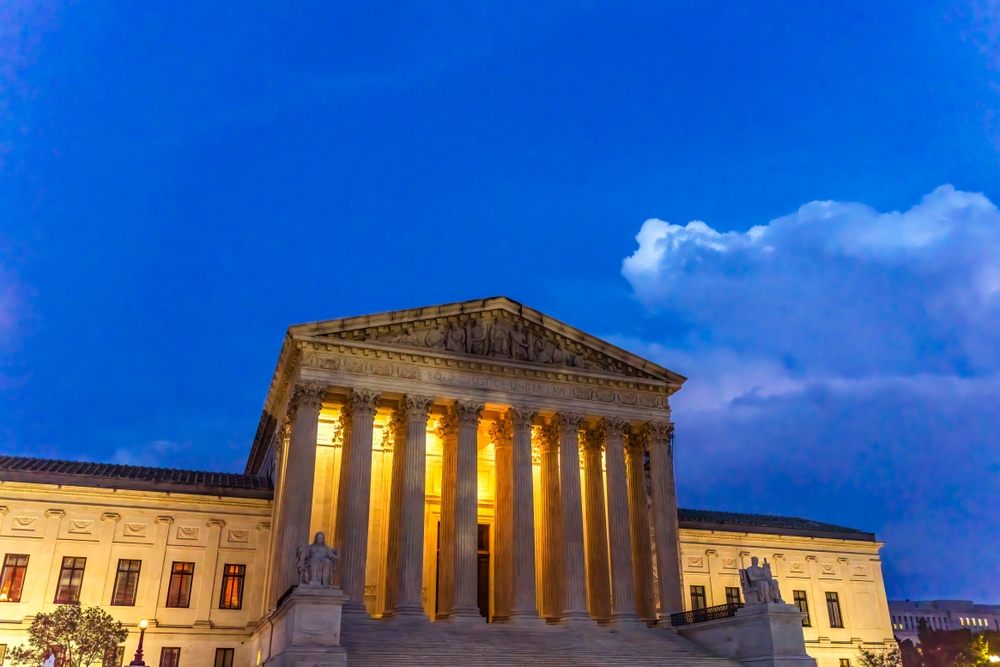
Last week’s Supreme Court ruling has prompted a re-set of U.S. tariff policy. As an updated strategy is being formulated, it is worth assessing whether the effort is worth sustaining. A high level review suggests that American trade policy over the last year has detracted from economic performance, and should be re-thought.
A Fight Without A Finish

If trade policy were like a boxing match, the U.S. had hoped tariffs would be a decisive, knockout blow. While many of America’s trading partners reeled, they stayed on their feet and are wearing down their opponent.
Thawing Out

The year got off to a cold start in the U.S., with many regions experiencing unusually freezing temperatures and precipitation. February has brought relief in both the weather and in economic reports.
U.S. Fiscal Situation: Still Sliding

Routine physical checkups are an important component of healthcare. A doctor can identify potential problems and coach the patient toward making healthier choices.
AI Is Placing Stress On Water Supplies

The U.S. economy is all in on artificial intelligence (AI). But there are some natural limitations to progress which will have to be carefully managed.
Japan-China: Bound, Not Just By Geography

With growth in both economies underpinned by trade, neither side has much appetite for a large‑scale economic confrontation. That reality should push both capitals toward calibrated responses rather than actions that sharply raise the costs of retaliation.
U.S. Housing Market: A Fixer-Upper

Browsing real-estate listings is a popular hobby. Home data portals provide hours of free entertainment. Some listings feature bizarre or ostentatious decoration; some are time capsules, preserving a bygone era. Most entries share one shocking feature: the price.
Are Prediction Markets Telling Us Something?

A financial innovation brings new insights and new risks.
Europe's Long-Delayed Trade Pivot

After more than two decades of talks, the EU has reached a free trade deal with Mercosur, the South American common market that includes Brazil, Argentina, Uruguay and Paraguay. More recently, Europe concluded an agreement with India, an accord nearly twenty years in the making.
Dollar Deceleration

Prices in efficient markets will rapidly adjust to reflect new risks and developments. The year has started with a flurry of geopolitical events, which have created significant volatility in the markets for currencies and commodities.
Will Kevin Warsh Rebalance the Fed?

At the start of my career, the Federal Reserve was content to operate in the shadows. Today, by contrast, the Fed is a much more public entity. And so the fact that the derby to become the next Chairman played out so vividly in the media was not surprising.
Health Care Headaches

Affordability and the cost of living have become frequent topics of conversation. Costs rose, but incomes did not immediately keep pace. The rate of inflation has moderated, but consumers remain sensitive to high prices, worried they are falling behind.
The EU’s Energy Situation Remains Unsettled

Climatically, Europe has been fortunate: its winter has been moderate so far. But Europe’s need for fuel remains substantial, and the cooling of relations between the U.S. and the European Union (EU) may make it more difficult to keep EU homes and the EU economy warm.

When More Means Less: Navigating The Risks of a U.S. Productivity Boom

A sharp productivity jump shows firms doing more with fewer workers. But the upside surprise also highlights growing risks about how these gains affect the workforce.
New Tracks For Tariffs

New 25% tariffs will be placed on a small set of advanced semiconductors. The list of exemptions was long, allowing free imports of chips bound for data centers, research, startups and the public sector. The new tariff does not apply to finished products that use these chips, like laptops and smartphones.
Drama in Davos

What appeared just months ago to be a stable and predictable transatlantic trade environment now looks conditional. The ground underneath transatlantic trade relations is once again shifting…even though critical portions of it are covered by permafrost.
Are Bubbles Brewing?

Classical economics suggests that information is readily available, and is assimilated quickly and accurately. Reality is not that neat: the discipline of behavioral economics has consistently demonstrated that human beings are prone to a series of biases and miscalculations.
Jet-Lagged Recovery

Long trips rarely end at the airport. We arrive, but our internal clocks lag behind; the first day back is spent acclimating to the new landscape. The global economy enters 2026 in much the same way. Shifting rules of commerce, political stoppages and patchy data have left decision makers disoriented.
The New North Atlantic Calculus

Greenland has reemerged as a center of geopolitical attention. Its location midway between Washington and Moscow, combined with its position along maritime routes linking the Arctic and Atlantic Oceans, has long made it a focal point for trade.
Is Another Great Moderation at Hand?

We are in the midst of a tech-led investment boom supporting what some think is a transformational technology. The annualized pace of U.S. productivity growth was 5% in the third quarter of last year, well above the long-term average.
Make-Up Work

Taking time away due to illness is never ideal. Upon return to school or work, we are greeted with all the tasks we did not complete while incapacitated. The recovery may feel worse than the disease.
Auto Loans Show Consumer Strains

Defaults among auto loans are noteworthy because these had been seen as a safe form of lending. Living without a car is impossible in much of the United States; in the GFC, borrowers were more likely to surrender their home than their car.
The New South American Calculus

Mao Zedong once warned that power grows out of the barrel of a gun. In recent decades, global institutions and markets that make kinetic interventions less common. But when those mechanisms fail, power will fill the void.
The World Depends on Wealth Effects

We just closed another banner year for asset prices. The S&P 500 was up 16% in 2025, and many overseas exchanges saw gains of more than 25%. Bond prices rose, and most housing markets held onto high values. There were even some signs of recovery in commercial real estate.
Market Implications and Investment Outlook

From an investment perspective, the financial ramifications operate on two levels — direct and indirect effects. The most direct effect is visible in the distressed debt market. Bonds issued by PDVSA, Venezuela’s state-run oil company, remain in technical default but had already begun a sharp rally in mid-December. Investors, anticipating an increased likelihood of regime change, have now seen that thesis validated.
The Golden Ascent

We examine what’s driving gold’s ascent — from central bank reserves to portfolio hedging — and why it can play a strategic role for investors.
What We Got Wrong In 2025

Reflections on the unexpected outcomes of an unpredictable year.

Will Power Limit U.S. Growth?

U.S. consumers are seeing a tangible rise in their monthly utility bills, with the average residential cost increasing to $142 in 2024, double the general inflation rate.
International Power Plays

With great power comes great responsibility. But in the age of artificial intelligence (AI), power means megawatts, not metaphors.
Bringing AI Down to Earth

The rapid expansion of Artificial Intelligence (AI), while promising increased productivity, is creating a significant and often overlooked strain on the global power grid.
Bubble Talk

Equity markets reached new record highs over the past month, reigniting debate over whether we’re in bubble territory. Heightened U.S. equity valuations and concentrated market leadership fuel this concern — but context matters. Markets rarely move in straight lines, and short-term pullbacks, while uncomfortable, are a normal part of the cycle.
Woe, Canada

The trade dispute with the U.S. is proving to be a 'full-blown blizzard' for Canada, threatening to freeze cross-border commerce in a deeply integrated relationship. Despite the majority of goods remaining duty-free, new tariffs—reaching 35% in key sectors—have caused a sharp decline in Canadian exports, pushing the nation toward recession.
Easy to Criticize, Hard to Change
This article reviews historical and contemporary attempts by world leaders—from Nixon's price controls to European energy subsidies—to contain costs, ultimately illustrating the limits of policy intervention in combating inflation. While some measures provided temporary relief, the persistent challenge of high prices remains a central political concern.
2026 Global Investment Outlook: Resiliency with Complexity

We enter 2026 after a year of robust global stock gains on AI optimism, falling interest rates and a resilient world economy. Beneath this stability, however, lies a more fragile environment.
Facts Not Feelings

In times of uncertainty — whether in sport or in markets — the ability to separate fact from feeling — or ideology — is critical. This principle applies across leadership, investing and even today’s AI-driven economy.
Are We in a Stock Market Bubble?

We examine valuations in historical context, how today’s market compare to the tech bubble of the 1990s and what’s driving stock gains now.
Closing The Books On U.S. Fiscal 2025

Closing the books on fiscal year 2025, the U.S. ran a deficit of $1.77 trillion, a slight improvement from $1.83 trillion in 2024. But a peacetime deficit exceeding 6% of gross domestic product (GDP) is still cause for worry.
How Governments Can Repress Debt

Capital controls can be used to keep investors at home. Bank reserve and liquidity requirements can also be employed for this purpose: U.S. banks hold $2 trillion more in government debt than they did six years ago.
Should We Party Like It’s 1999?

The prime-age labor force participation rate of 84.6% in January 1999 is still a record high. But the pace of hiring distinguishes the two eras. In the 1990s, anyone with marginal tech skills could readily find work. Information sector employment grew over 27% from 1995 to 2000, while total nonfarm employment gained 12%.
Should We Party Like It’s 1999?

Looking back to the 1990s need not be just a matter of nostalgia. Those too young to have lived it envy the fortunes made as technology firms grew. Seasoned investors who worked through the cycle can warn us of the pain of a correction. Along the way, the cycle taught useful lessons.


Can Housing Be Healed?

Before we started some recent home renovations, neighbors offered advice: stay patient. Construction projects feature weeks that feel like no progress has been made, and days that feel like everything has changed at once.
China: Reluctance to Pivot

Every innovation follows a lifecycle, from breakthrough to ubiquity to obsolescence. The Edison bulb once lit up the world, transforming how we lived and worked. But it was ultimately replaced by more efficient and sustainable alternatives.
The Cost of the U.S. Government Shutdown

The U.S. government shutdown is about to enter its second month. We did not rush to comment on it, because we didn’t think that it would have much of an economic impact. But the risk that lasting damage will be done is rising.
Look Both Ways

While many lessons have evolved over time, one maxim has never changed for children: look both ways before crossing the street. I reinforced with my children to then look again. We might not see everything on a quick glance, and traffic can change quickly.
Tariffs and Trade Winds

Two weeks ago, the International Monetary Fund (IMF) issued an updated World Economic Outlook. In it, the IMF edged up its global growth forecast for 2025, suggesting that U.S. tariffs haven’t turned out to be as damaging as the Fund anticipated in April.
Fed Balance Sheet: Leveling Off

These shifts are not signs of stress; shortfalls have been minor, and relief systems are working as intended. However, we can be certain the era of excess liquidity has ended. Fed speakers have characterized the pandemic-stimulated economy as one of “abundant reserves,” with bank reserves elevated beyond their natural level.
Credit Markets Are Being Tested

Global equity markets have surged this year, in spite of moderate economic growth and an accumulating series of risks. This has led some to worry that valuations have been stretched a little too far. The same can be said of credit markets, which have seen spreads fall to levels last seen in 2007.
The AI Rally’s Achilles Heel

U.S.-China frictions continue, highlighting that greater volatility is likely not a bug of the current trade stand-off but a feature of the emerging geopolitical landscape.
Low Volatility, Elevated Strategy

Not all low volatility strategies are created equal. The goal may be simple — smoother returns with less risk — but execution determines success. Portfolios built only on historical volatility can leave investors vulnerable.
Sprint to Stroll

After an extended period of surprisingly resilient economic activity, marked by buoyant consumer spending and robust labor market gains, the U.S. economy is shifting gears. The sprint phase, characterized by fiscal tailwinds and pent-up demand, is giving way to a more measured pace.
U.S. Spending Divergence

Broad measures of the U.S. economy are strong. Stock market indices have set new record highs this year.
Another U.S.-China Flare-Up

In high-stakes negotiations, there are usually a series of threats and retreats before the final handshake. Each side uses bargaining chips to shape the outcome of the discussions. But bargaining chips don’t always lead to bargains.
Tough Pill To Swallow

So while there is a lot of focus on drug prices, measures taken to date are unlikely to make a meaningful impact on costs paid by the U.S. and its citizens. More fundamental reform would likely take an act of Congress, which would be hotly contested by lobbyists. There is no end in sight for debate on this front.


Stablecoins: Mint Conditions

The GENIUS Act shows the way forward for payment stablecoins.
Data Deprivation

With the U.S. government shut down, the Labor Department was unable to release the monthly employment report on October 3. You could almost sense the economics community experiencing a kind of withdrawal, not sure of how to cope with the deprivation of data.
The Strategic Role of Private Equity Secondaries

Private equity secondaries transactions likely will surge to a record in 2025. Learn what’s driving institutional investors to use them.

Office Property on the Upswing?

The office real estate sector is working through a difficult cycle.
Staying Long Electrons — and the Things That Produce Them

Powering intelligence: the molecules, metals, and markets behind AI.
Market Strain: What’s at Stake When the U.S. Government Shuts Down

How the shutdown may impact the Federal Reserve, the economy, stocks and bond yields.
Balancing Acts

Central banks are walking a tightrope, carefully fine-tuning their next moves as they face lingering inflation and subdued growth.
Oil Prices on the Way Down

Oil prices are notoriously difficult to forecast. Production can be volatile, and the global oil supply chain is complex.
Your Questions About Tariffs, Answered

Back in the day, the arrival of the postman was a big deal. E-mail and texting existed only in the dreams of technologists, so people communicated with one another by writing letters.
Markets on the Front Foot: Are Expectations Outpacing Reality?

Investors are increasingly confident that the U.S. Federal Reserve will cut interest rates several times through mid-2026, signaling a more aggressive easing cycle.
Brighter Picture

Clearer policy and lower rates are favorable for growth.



A “Risk-Management” Cut and A “Meeting-by-Meeting Situation”

The Fed lowered rates by a quarter of a percentage point (0.25%) at its September meeting, citing increased risks to employment; Powell emphasized ongoing inflation and a divided Committee, with future moves dependent on incoming data.
Fed Preview: How Low Can You Go?

Cuts are in store, but decisions will be weighed carefully.
Volatility is the New Normal—Are you Ready?

Today, volatility isn’t a blip on your radar; it’s the landscape. The question isn’t if, but when the next market shaking event will hit your portfolio. So, are you equipped—or exposed?
Scarcity, Security, and the Search for Real Return

Gold, digital gold (blockchain-backed gold), and critical minerals are drawing interest as money supply grows and certain resources become scarcer.
Municipal Bonds: Fiscal 2026 State Outlook

The U.S. economy has thus far avoided recession, yet growth has decelerated and economic risks persist.
The Threat to Fed Independence
Independent central banks are a relatively recent concept.
Beyond Brexit: The State of U.K.-EU Trade Relations

Relations across the English Channel have stabilized.
Jackson Hole Recap

Powell’s speech seemed to give an all-clear signal for a cut in September. The speech started with a focus on the softening labor market, concluding it is in a “curious kind of balance” with rising risks of layoffs.
Is Another Great Moderation at Hand?

Radical policy changes can launch new economic eras.
Dust is Settling

The year to date has been complicated by a cloud of uncertainty as a new U.S. administration took the world economy by storm.
Powell’s Jackson Hole Pivot: Signaling Rate Cuts amid Rising Downside Risks to Employment

Fed Chair Jerome Powell’s comments at Jackson Hole shifts the outlook for interest rates.
Transshipment: Asia Gets Caught In The Crossfire

China’s economy has propagated itself through branches like trade, finance and infrastructure. But supply chains are where its roots have thickened into trunks, particularly across Southeast Asia.
Janet Yellen's Legacy

Few have accomplished as much as Janet Yellen during the course of their careers. She broke two significant glass ceilings, becoming the first woman to serve as the Chairman of the Federal Reserve and as U.S. Treasury secretary.


The Case of the Missing Prices

Limited price collection will complicate estimates of inflation.

Downshift

The U.S. economy is like a finely tuned sports car—powerful, tough, and built for speed. It has managed to climb steep inclines in recent years, competently maneuvering past multiple roadblocks.

Trade Deals: Better Than No Deals?

Trade deals demonstrate that tariffs are here to stay.
Weak U.S. Jobs Report and Revisions Introduce Fed and Market Risks

A sharp shift in Fed expectations may trigger bond-market volatility while concerns about the economy may impact equities.

Looking Back on Made in China 2025

An ambitious policy yielded great gains and high debts.
Japanese Trade Deal: Worth Its Starch?

Trade negotiations will reveal a nation's favored sectors.
Hot and Sour

Constant threats are souring U.S. relations with its trading partners. Stop-gap deals of the kind agreed recently will not mark the end of the trade war, as the pacts leave high tariffs in place.
Federal Reserve: Tension Building

The Marriner Eccles Building, home to the Federal Reserve Board, is an imposing structure that fronts the National Mall in Washington D.C. It was constructed in the wake of the Banking Act of 1935, which created clear separation between the Treasury Department and the central bank.
Hot Seat

Trade-dependent Asia-Pacific (APAC) economies are at great risk from the U.S. reciprocal tariff plan. After a three-month deferral, a new series of letters from the White House suggests that the levies will go into force on August 1.


Trade War: New Countdown Begins

U.S. trade policy movements are starting to resemble a soap opera. Following a series of threats, escalations and suspensions, President Trump has extended the tariff deadline to August 1.
AI Is Powering Productivity

Everything that our team publishes has been through peer review. We candidly call out every opportunity we see to improve each other’s writing, from quibbling over word choices to challenging an essay’s entire premise.

Neither Here Nor There

Uncertainty has not impaired overall economic performance.
Mid-Year Themes

Tariffs have been the dominant theme in economic policy this year. While President Trump has long held protectionist views, his administration’s approach to international commerce has been more belligerent than was seen in his first term.

Rethinking U.S. Infrastructure Investment

Only a subset of subsidies will be rolled back.
Simmering Down

Growth is expected to decelerate, but not come crashing down.
NATO Puts a Price on Peace

NATO's new spending pledge eases security concerns but adds to fiscal pressures.
Continued Risk to Both Sides of the Dual Mandate
The Fed left rates unchanged and signaled it’s still in wait-and-see mode, even as inflation risks and policy uncertainty persist.

Back to the Supply Side
The current round of budget discussions in Washington will have a significant impact on America’s fiscal trajectory decades into the future. A key underpinning of this year’s debate has roots that go decades into the past.
Dog Days Ahead
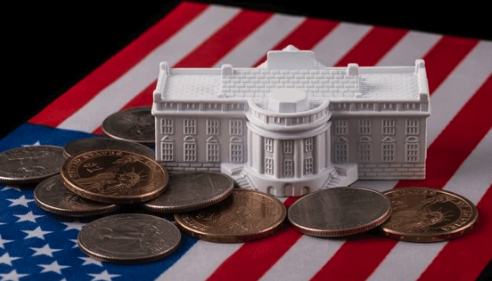
The U.S. economy is growing accustomed to elevated uncertainty.
Treasury Tax Tension

The draft of the One Big Beautiful Bill Act (OBBBA) runs more than 1,000 pages. Analysis of the legislation has focused primarily on its impact on the U.S. federal deficit: the Congressional Budget Office estimates that passage would add almost $3 trillion to the national debt over the coming decade.
Trading Away From The U.S.?

To anyone going through a breakup, just remember this lyric from Bernadette Peters: “If I’m patient the break will mend and one fine morning the hurt will end.”
The View From The Far East

I spent the last two weeks of May catching up with partners and clients in Malaysia, Singapore, China, and Hong Kong. Following are some reflections on those conversations.


China’s Growing Reach in Shipping

An "end-to-end" approach in process management means handling a task or product from its initial planning stages to the finishing point or delivery, without relying on intermediaries for specific steps. No nation does this better than China.
Housing Reforms On The Horizon?

Some of the most useful financial advice has a homespun tone, like to make hay while the sun is shining or save up for a rainy day. I recently encountered another helpful idea in that vein: Think of your house like a family member who is always sick.
Lights, Camera…Tariffs?

Few leading men of the 1960s and 1970s were more dashing than Clint Eastwood. He played a series of gritty heroes, trying to do right in a world gone wrong.
Trade Tariffs: What History Teaches Us to Mitigate Their Impact

A KEY PLANK of the new administration’s economic policy has been to embrace tariffs, a sharp reversal of decades of free market trade.
Tariff U-Turn; Lingering Doubts

Markets rallied after a surprise tariff rollback, but with valuations stretched and policy signals still mixed, investors appear to be leaning toward flexibility, fundamentals, and selective exposure.
A New Dawn?

Trade pacts with America will not mean a return to the old normal.
The Friendshoring Dilemma

In the aftermath of the 2018 trade skirmishes with China and the pandemic, nearshoring and friendshoring quickly became buzzwords. But like many other catch phrases, these two may soon fade from usage and memory.
Student Debt Default Deluge

Debt collectors have been unpopular since ancient times, but they play a necessary role in the lending lifecycle. Their jobs are not easy: I recall one collector noting that there are few ways to communicate with defaulted borrowers.

Goods Trade: Delayed Aggravation

China has been a focal point of American trade policy for many years, but tensions were escalated early in the second Trump term.
The Link Between Tariffs and The U.S. Federal Budget

Tariff talk has been at a fever pitch for the past three months. Its dominance of the news cycle has crowded out discussion of other important economic issues, such as the sustainability of America’s national debt.
Increased Risks to Both Sides of the Dual Mandate

At Wednesday’s press conference, Chair Jay Powell signaled a wait-and-see approach, as the Fed keeps a close eye on inflation pressures and the job market.
Gold Has Many Buyers

Most economists and portfolio managers are cautious when discussing gold. Its handling and transaction costs are high, and it pays no interest or dividends.
Criticism of The Fed: Rule, Not Exception

In recent times, central bank independence has been taken as gospel. Political pressure for easy money contributed to extremes of inflation in the 1970s.
U.S. Treasuries Falling Out of Favor?

For decades, U.S. Treasuries have been universally regarded as a benchmark and a safe haven asset during periods of turmoil.
Energy Prices Are Not Well Grounded

Many American consumers recently endured their first inflationary cycle, and recent trade headlines have elevated fears of a another bout with higher costs. While not impacted by tariffs, energy markets may play a critical role in driving the price level during the balance of this year.
Rare Earth Restrictions

After the U.S. imposed substantial tariffs on China, Beijing responded with tariffs of its own and with restrictions on exports of seven rare earth minerals. The latter action will be a particular hindrance to American manufacturers.
The Trials and Tribulations of Trade

American leaders are now engaged in an effort to reverse the loss of manufacturing. The hope is to restore a path to prosperity for struggling regions and their residents. Tariffs are being employed liberally as a means to this end.
Bracing for Impact

Unexpected wider and larger-scope tariff announcements have sent tremors through bond and equity markets, resulting in a brisk sell-off that signals investors’ caution.
It’s Complicated

Asia-Pacific will likely be the hardest hit region from a steep increase in U.S. tariffs.
The Great Wall

President Trump has been a vocal admirer of China’s Great Wall, built by the country’s emperors to protect their territory from outside aggression. In his first term, he compared his plan to build a border wall with that historic structure.
Oh, Canada

To say that it has been a tumultuous year in Canada would be an understatement. The country’s business model, which relies heavily on commerce with the United States, has been put under severe stress by the American administration.
The “Soft” Data Gets Softer

A divide has recently developed between soft and hard economic data. At a time when conditions are changing rapidly, understanding the difference between the two is terribly important.


A Week of Whiplash

The reciprocal reprieve does not alter the tectonic shift in the trade outlook.
Tariff Shock: Managing a Portfolio Through the Turmoil

With uncertainty in abundance, we think investors should avoid drastic moves.
Recalibrating for Higher Risk Without Overcorrecting

We’re adjusting our stance in response to rising risk while maintaining a disciplined view on long-term strategy.
The Price of Protectionism - Tariffs Toll On Growth

We reexamine our macroeconomic outlook in light of newly announced tariffs, which have exceeded market expectations and prompted us to update our assumptions and analysis.
Trump's Reciprocal Tariffs: No Fooling Around
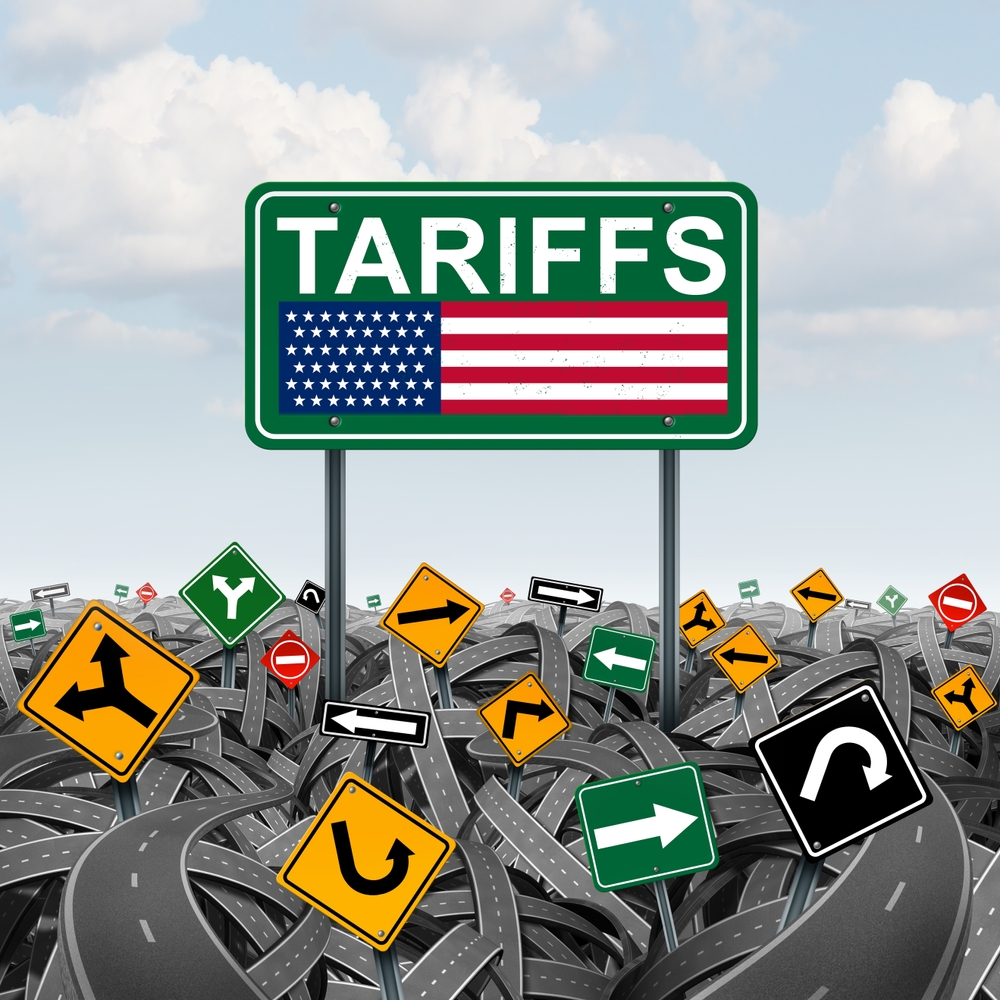
The 10% across-the-board (ad valorem) tariff and specific reciprocal tariffs on most U.S. trading partners went well beyond what most were expecting.
Navigating Tariff Complexities

We examine the April 2 tariff announcement from President Trump, outlining key proposals and the potential implications for trade and market sentiment.
Is Another Currency Accord Ahead?

The last time the dollar needed policy intervention was in 1985. The dollar was ascendant, and that put American exports at a disadvantage.
A View From the Foreign Exchange Desk

We call upon an expert for the latest on foreign exchange markets.
Believe It or Not

The substantial shift in U.S. trade policy will put a significant dent in growth in major markets.
More Questions (and Answers) on Tariffs

We’ve written quite a bit on tariffs already this year, and appropriately so. Developments on this front have been significant and are of global consequence.

Quantitative Tightening Nearly Terminated

The time is right to let the Fed's balance sheet level off.
Tariff Tantrum

As policy uncertainty grows, we consider how tariffs and other government actions might impact inflation, interest rates, and market sentiment.


China Stimulus: Better Luck Next Year

Two Sessions, or Lianghui, is the popular name for the annual meeting of China’s top legislative and consultative bodies. These gatherings are closely watched by overseas observers as they provide key insight into China’s political landscape, economic priorities and overall policy direction.

Sustaining Economic Statistics

When breakthroughs occur, researchers get the lion’s share of the credit. But they owe a big debt of gratitude to those who collect and organize the data with which insight is manufactured.


Southeast Asia Tries To Preserve Trade

Many ASEAN members punch above their economic weight in international trade. But their power may also make them targets in the mounting global trade battle.


Two Policy Risks in the Spotlight

Looming U.S. and global policy shifts may potentially rattle markets, but a tactical and flexible approach could help investors navigate risks and opportunities regardless of how events play out.
Tariff-fied

An aggressive U.S. tariff regime will come down hard on major economies.
Long and Variable Lags

The economy can grow through policy changes.
Looking Back on the Tax Cuts and Jobs Act

The greatest benefits of TCJA were deep in its details.
Seasonal Challenges With Economic Data

At this time of year, those of us who live in the Northern hemisphere are looking forward to a change of season. Statistically, every February week in Chicago should see the daily high temperature rise by 2-3 degrees Fahrenheit, but conditions can vary significantly from expectations.

A New Transatlantic Trade War Looms

Europe has real risks and real bargaining tools in a trade confrontation.
The Return of Steel and Aluminum Tariffs

U.S. dependence on metal imports could prove costly.
China and the U.S. Trade…Tariffs

An escalation seems more likely than diffusion in the U.S.-China trade battle.
Exploiting the Benefits of Artificial Intelligence for Factor Investors

Our research shows how artificial intelligence can potentially enhance performance of equity investing.

What the U.S. Tariffs Mean for Investors

We analyze the impact of U.S. tariff proposals on markets and how investors can manage their portfolios accordingly.
How Is China Dodging U.S. Tariffs?

The costs and revenue of U.S. tariffs are being blunted by evasion.

China’s Transitory Rebound

China will struggle to maintain momentum without addressing deeply-rooted problems.
Tariffs: A Case Study

The market for washing machines offers lessons for future trade actions.
Washington Gets to Work on a Budget

Tax and spending cuts will face Congressional roadblocks.
The Price of Progress

We explore how evolving priorities under the new U.S. administration may influence markets and investor outlooks.
Fasten Your Seat Belts

The Northern Trust Economics team shares its outlook for key APAC markets.


2025 Municipal Bond Sector Outlook: Stability and Resiliency

Outlooks for higher education and healthcare are the weakest while transportation and essential utilities are the strongest. Resiliency to withstand an economic downturn is strong for all sectors.
US Economic Outlook: Pre-Season Prospects

The Northern Trust Economics team shares an outlook for U.S. growth, inflation, employment and interest rates.
Europe Moves Further Away From Russian Gas

Most of us like to ring in the new year with fresh energy. The Europeans appear to have made good on this resolution.


Random Thoughts

To clear our notebooks entering 2025, here are quick perspectives on a range of topics.
High Hopes, Solid Grounds

We prefer equities over fixed income, in particular U.S. equities as the outlook for the U.S. economy is solid and promising.
Reflections on 2024

We look back on six themes that defined another eventful year.
Is Fed Independence at Risk of Presidential Influence?

We believe that there are several guardrails in place that considerably limit the extent of presidential influence over monetary policy decisions.
Tracking Contingent Workers

As the year comes to a busy conclusion, we’re still catching up with news that didn’t make the front page. In the first week of November, the U.S. Bureau of Labor Statistics published a data release that’s even less frequent than the four year presidential election cycle.
Liberté, éGalité, Austérité

Last weekend, the Cathedral of Notre Dame reopened after being severely damaged in a fire five years ago. It took thousands of craftsmen and a reported €840 million to restore the iconic structure.
Is India Gaining From China’s Decline?

International commerce often follows the simple rule: one nation’s loss can result in another’s gain. China’s loss from escalating trade tensions with the U.S. is generating gains for several Asian economies, but India is not one of them.


Bond Market Opportunities for Investors in 2025

We examine how a potentially complex bond market in 2025 could still offer opportunities in high-yield bonds, municipal bonds, and inflation-protected securities.
Chaotic Commitments at COP29

We are prone to animal analogies when describing disorderly situations: like herding cats, like a barrel full of monkeys, like a dog’s breakfast.

The Latest on Washington, From Washington

New ideas are never as easy as they sound in campaigns.
Myths and Reality

Sticky underlying price pressures could prevent a faster return to neutral monetary policy.
What’s Ahead for the Fed

Lost in the excitement of election week was a meeting of the Federal Reserve. At its conclusion, interest rates were lowered by another quarter-point. But where they are heading from here is a matter of increasing uncertainty.
Overseas Consequences of the U.S. Election

In sport, play is limited by time or innings. Lineups are set, rules are fixed and boundaries are defined. Winners are determined objectively.
Never a Dull Moment

The Northern Trust Economics team shares its outlook for U.S. growth, employment, inflation and interest rates.
Reflections on the 2024 Election

The people have spoken. While there are still some unknowns, the contours of the American government that will be seated next January are reasonably clear.
A Steady Ship

Western economies are inching towards soft landings, and their central banks are reducing interest rates. These developments will be helpful to economies in the Asia-Pacific region as they conclude 2024 and look forward to next year. However, the outlook for China remains a central concern.

The World Isn’t Ready For Reform

Enthusiasm for structural reforms is only going to wane.
Closing The Year Well

The Northern Trust Economics team shares its outlook for growth, inflation and interest rates in major markets.


Local Finances, Challenging Choices

State and municipal budgets are adjusting to life after pandemic interventions.
The Election And The Fed

An independent central bank supports better economic and market outcomes.
U.S. Election 2024: An Analysis of the Tax Scenarios for Investors

With the election looming, investors should prepare for potential changes in tax policies, particularly given the impending sunset of the 2017 Tax Cuts and Jobs Act.
The Role of Regulation

The regulatory outlook is a question of direction more than extent.

Tough Choices for Energy Policy

Energy policy decisions today will have long-lasting implications.
A Steady Ship

Asia-Pacific economies will benefit from soft landings and easier monetary conditions.
Soft Landing Takes Shape

The Northern Trust Economics team shares its outlook for U.S. growth, employment, inflation and interest rates.
Big Flow of Small Businesses

New business formations have held up, but closures are also rising.
Europe Is Following the U.S. Election Closely

The election could alter the thriving relations between the U.S. and Europe.

S&P 500 Index Rebalance: Steady Preference for Technology

The latest S&P 500 rebalance introduced Dell and Palantir to the index, and Apple’s weight grew with annual float changes, signaling technology’s ongoing influence.
How Stocks Historically Performed During Fed Rate Cut Cycles

Our research shows that on average U.S. stocks performed well a year after the start of a Federal Reserve rate cut cycle.



S&P 500 Earnings Breadth Broadens
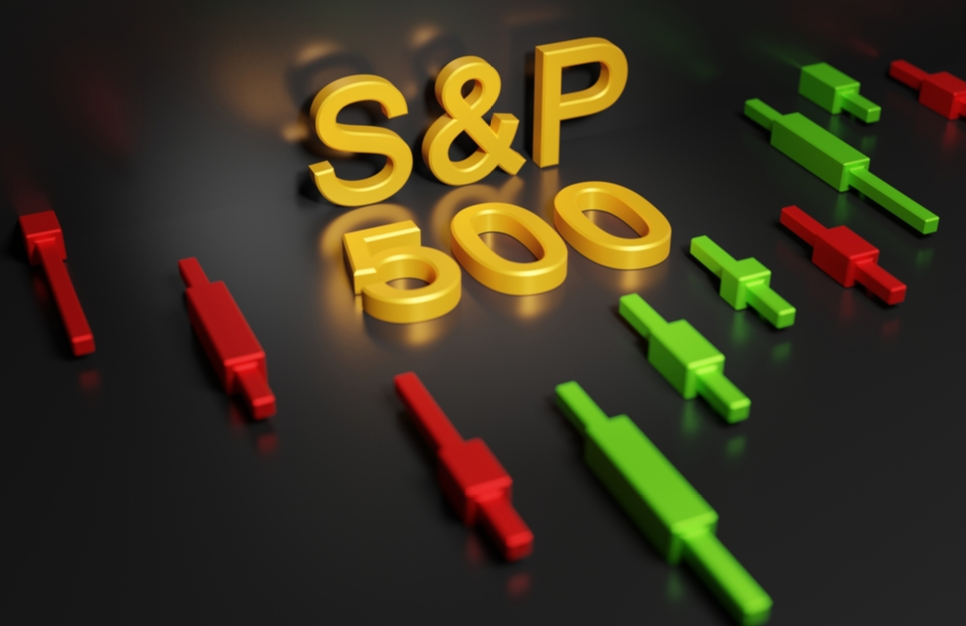
Our experts explore the implications of wider S&P 500 earnings growth, potential Fed rate cuts, and the outlook for global equities and bonds amidst ongoing economic shifts.
Global Economic Outlook: Fall Has Arrived

The Northern Trust Economics team shares its outlook for growth, inflation and interest rates in major markets.
Tax Policy: A New Course Is Required

Tax cuts are popular but not affordable for most nations.
The Debate Over Debt and Deficits

Fiscal responsibility is not a priority in this election.
Considering Moving Out of T-bills? A Guide to Determine What’s Next in Your Portfolio

Since mid-2022, when the Federal Reserve was in the midst of its aggressive hiking cycle, investors piled over $1.6 trillion into money market funds, which include Treasury bills.
No Half Measures

The Northern Trust Economics team reacts to the Fed's decision and shares its outlook for U.S. growth, employment and inflation.
MSCI Index Rebalances: China’s Weight Continues Decline

MSCI boosted India’s weighting in the MSCI Emerging Markets Index and reduced China’s in its latest quarterly rebalance, continuing long-term trends.
Seizing the Opportunity in Emerging Markets

With attractive valuations, emerging market equities look like a good opportunity. A factor investing strategy, designed well, may enhance performance and help manage some key risks.

Municipal Bonds: Fiscal 2025 State Outlook

States enter fiscal 2025 maintaining stable reserves and moderating fixed costs, yet we expect many will need to make modest spending cuts due to exhaustion of federal pandemic aid.
Index Investing as an Active Decision: Implications for Fixed Income Investors

Passive fixed income index investing has evolved significantly over the previous decade, offering investors the flexibility to align risk requirements and investment goals. Learn more from our experts.


A BRICS Alternative to SWIFT?

The BRICS Pay initiative aims to better integrate currencies for trade and facilitate cross-border transactions among its members.
Volatility Strikes in September: Our Thoughts

We think the decline in the S&P 500 Index on Tuesday may be more technical than fundamental.

China’s Bond Market Rally

A bright spot in Chinese investment could spell trouble for its financial institutions.
Reinforcing Economic Foundations

The case for infrastructure investment is rising, but so are its costs.
Fundamentals Matter

While short-term fluctuations and sudden selloffs have tested the markets, key indicators such as corporate profits, employment data, and economic resilience have held firm.
Analysis of Fed Chair Powell’s Comments: September Cut Likely, but What After?

We analyze Federal Reserve Chair Jay Powell’s comments about the potential for rate cuts in September and beyond.

Global Tourism Regains Lost Ground

The 19th Century American author Mark Twain once said: “Travel is fatal to prejudice, bigotry, and narrow-mindedness, and many of our people need it sorely on these accounts. Broad, wholesome, charitable views of men and things cannot be acquired by vegetating in one little corner of the earth all one’s lifetime.”
Getting to the Bottom of “Greedflation”

That anthem was characteristic of the era. After two decades of economic frustration, free market policies had prompted a surge of growth and a bull market for stocks. The captains of industry were corporate raiders, who purchased companies, slashed expenses, pushed up prices and reaped outsized rewards.
High-Yield Bonds: Exploring Opportunities in a Volatile Market

We explore how strong fundamentals and a resilient economy may position high-yield bonds as a potentially compelling choice in today’s fluctuating market.
Why Is Housing Still Expensive?

Last week, we explored the old economic rules that falsely predicted an imminent recession. Losing those guideposts has complicated our efforts to craft an outlook.
A Script for Jackson Hole

Powell will hint at normalizing monetary policy, but at a measured pace.


Hot Summer, Cool Data

Slower employment cements the case for the Fed to start a series of rate cuts.
Reflecting on the Impact of the USMCA

North American trade is booming, but gains have been uneven.

Global Economic Outlook: Staying Focused

The Northern Trust Economics team shares its outlook for growth, inflation and interest rates in major markets.
Index Investing as an Active Decision: Implications for Equity Investors

Today’s passive index investing requires active choices, as customization and innovations in index funds have resulted in new considerations for investors and the potential for greater control.
The View From Canada
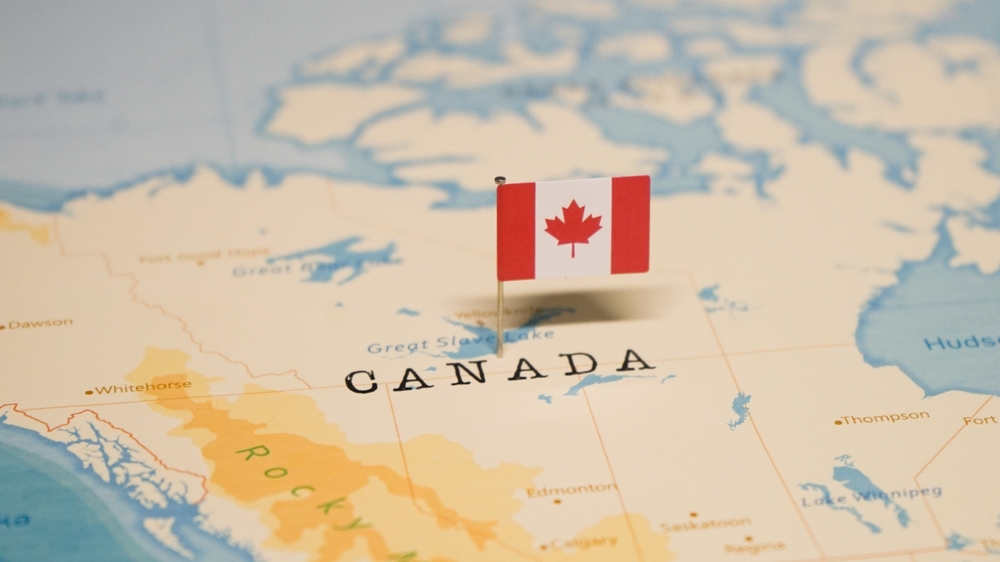
I chaired an international economics conference in Canada earlier this month. Delegates from all over the world attended to discuss the issues of the day. Following is an abridged version of the meeting summary that I offered during the closing session.
Western Influence

Western demand and monetary policy are having an important impact on economic prospects for the Asia-Pacific region.
Are U.S. Consumers Tapped Out?

Slower spending is a part of the return to normal economic conditions.
The U.S. Tries to Close a Trade Loophole

Metals from Mexico may have a much further point of origin.
The Value of Economic Data
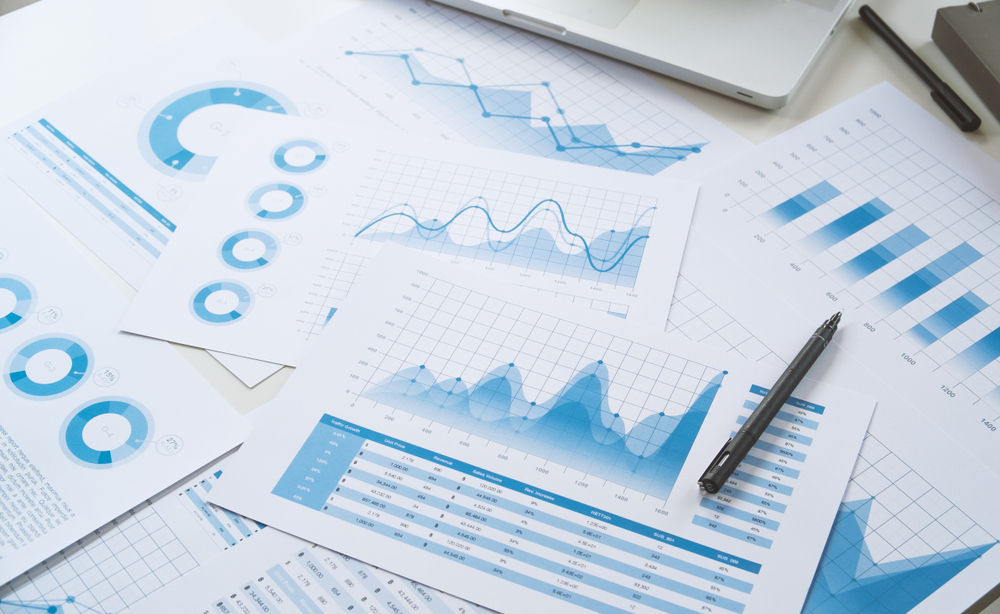
Analysts periodically construct elegant algorithms that produce interesting conclusions, only to learn that the underlying information is flawed.
The Final Descent

The Federal Reserve is in the pilot’s seat as the American economy approaches a soft landing. The runway is in sight, but some careful maneuvering will still be needed.
Europe Is Dealing With Deficits

The initiation of the excessive deficit procedure will hinder European unity.


Russell 1000 Index Annual Rebalance: Tech Leads Weighting Gains

The addition of Dell Technologies and Super Micro boosted the weighting to the technology sector. We also analyze changes to the value and growth indexes.

Summer Index Rebalances: How They Work and Why They Matter

Rebalancing events help ensure benchmarks maintain exposure to companies within their targeted asset class or markets, but the rebalancing can also impact investment portfolios.

Rate Cuts Begin

Initial rate cuts by the European Central Bank and Bank of Canada may signal a transformative trend toward monetary easing.
Transitioning to T+1 Settlement Cycles: The Advantage of Firm Expertise

Adapting to the new cycles requires swift operational changes, making the guidance of experienced managers crucial.
The Summer Solstice

The Northern Trust Economics team shares its outlook for major markets, with a spotlight on the eurozone.
Inflation’s Permutations

Chief U.S. Economist Ryan Boyle explains why measures of inflation don't match feelings about prices.

The Rise of the China Plus One Strategy

The allure of China as a global manufacturing hub is unlikely to fade anytime soon.

Britain Goes to the Ballot Box

The health of the British economy is top of mind for voters in this election.
Cross-Checking Employment Reports

An array of data sources show a labor market that still has plenty of strength.


U.S. Economic Outlook: Trust the Process

The Northern Trust Economics team shares its outlook for U.S. growth, employment, interest rates and inflation.
Fed's Conservative Inflation Projections Could Mean Two Rate Cuts

Despite a seemingly Hawkish stance, a closer look suggests the Fed’s conservative inflation estimates could lead to more rate cuts than anticipated.

The ECB Pulls the Trigger

European disinflation allowed for a first cut, but the pace from here will be gradual.
Treasury Auctions Are Becoming Hard Sales

I will never forget the first auction I witnessed. It took place during one of the many summers that I spent on a farm. The auctioneer talked exceedingly quickly, but those in the crowd seemed to understand everything he said.
Long-Term Opportunities in European Value Stocks

European value stocks offer a compelling case for short- and long-term investment opportunities, supported by strong fundamentals, attractive valuations, and favorable market conditions.
Prospects for Teenage Workers

Summer hiring promises more than just monetary rewards for teens.

The Changing Landscape of Foreign Direct Investment

Investors are reconsidering long-term capital commitments.


Long-Term Opportunities in European Value Stocks

European value stocks offer a compelling case for short- and long-term investment opportunities, supported by strong fundamentals, attractive valuations, and favorable market conditions.
Blooming Not Booming

The Northern Trust Economics team shares its outlook for growth, employment, inflation and interest rates in major markets.


Shedding Light on Private Credit

Will the rapid growth of private credit impair financial stability?
Upgrading Equities Over Bonds

We explore how stabilization and growth of global markets may potentially shift preferences toward equities relative to bonds.
Good Is the Enemy of Great

The Northern Trust Economics team shares its outlook for U.S. growth, employment, interest rates and inflation.

Inflation’s Signal and Noise

Skepticism is warranted when inflation stories exclude bad news.

Is Hong Kong Losing Its Sheen?

Hong Kong's prospects are closely linked to the outlook for China.
The Fed and the Ballot Box

The FOMC has enough factors to consider without adding politics to the mix.
Dollar Gains

The stronger U.S. dollar is benefiting America, but creating troubles in other geographies.
U.S. Private Credit: What the Markets Are Missing About Attractive Risk-Reward Tradeoff

There are attractive investment opportunities in private credit against a backdrop of a U.S. economy that continues to outpace the eurozone and the U.K.
Fed Chair Powell Lays Out Macroeconomic Scenarios

We saw a dovish slant to Powell’s remarks at yesterday’s press conference, with no rate hikes in sight.
Navigating Small Caps: The Importance of Sidestepping Low Quality

For investors considering adding small-cap stocks to their equity portfolios, we suggest they do it selectively, steering clear of more speculative investments.


Financial Sector Stability

Financial stability is much improved since last year's stress.
Widening the Gap: High Yield Bonds and Market Dispersion

Amid economic challenges, increased dispersion in high yield bonds suggests opportunities for selective investment choices versus broad sector-based strategies.
Resilience and Divergence

The Northern Trust Economics team shares its outlook for growth, employment, inflation and interest rates in major markets.

The Sovereign Debt Problem

Debt distress is rising fast, but restructuring is becoming more complex.

Seeking Stability

The Northern Trust Economics team shares its outlook for key APAC markets.
Plot Twist

The Northern Trust Economics team shares its outlook for U.S. growth, employment, interest rates and inflation.
China's Currency Challenge

The Chinese yuan is softening in line with the nation's economic outlook.
Higher for Longer

We had expected the Federal Reserve to start cutting rates in June. But as more of our audiences asked why, we saw the case was not strong. This week’s inflation reading seals the deal: we now expect the easing cycle to start in September.
Keys to Fixing the U.S. Budget

We’ve covered some of the issues related to America’s fiscal crisis in recent months.
First Quarter Checkpoint: 2024 Market Performance

Analysis of Q1 2024’s equity market reveals the stage is likely set for a favorable equities market for the remainder of 2024.
The Economics of Water

Water raises the risks of conflict, civil unrest and economic pain in many parts of the world.

Signs of Stretched Consumers

Evidence of overstretched households is emerging, which could threaten the soft landing scenario.
A Look Back at the Negative Interest Rate Era

Negative interest rates have more cons than clear pros.
The Federal Budget Gets a Failing Score

We need a much more conservative approach to projecting budget outcomes.
Bank of Japan's Return to Policy Orthodoxy

The negative rate experiment has ended. What comes next?
Europe: Struggling to Keep Pace

Cautious investment is holding back the outlook for European nations.
U.S. EV Sales Need a Boost

More charging stations and lower prices can break EV sales out of their slump.
Sit Tight

The Northern Trust Economics team shares its outlook for major markets, with a spotlight on China.

NATO by the Numbers

Europe needs to boost defense spending while managing stretched fiscal positions.
Global Tax Deal: Unfinished Business

Corporate taxes illustrate the complexity of global policy coordination.


The WTO Fights To Remain Relevant

The World Trade Organization is struggling to settle international tensions.
Will China Follow Japan’s Past?

Japan's prolonged downturn has lessons for other nations at inflection points.


Good Deflation

One of the pleasant surprises of 2023 was how quickly inflation decelerated in major economies. Most of the good news came from falling goods prices.

Credit Cards Showing Strains

When consumers fall behind, the credit card bill goes unpaid.
The Power of Productivity

Over the past two years, we have had to revise a lot of numbers upward: the Fed hiked rates more than we expected, inflation has been sticky and growth has far exceeded expectations.
Eurozone: A Slow Recovery in the Making

As the U.S economy continues to expand at a nice rate of speed, the eurozone is stuck in a pitstop. Though the common currency region was able to avoid a technical recession last year, preliminary estimates show that activity stagnated in the fourth quarter of 2023.
China’s Equity Market Downturn

Gross domestic product (GDP) is often considered the most important indicator of the health of an economy. But there are other measures that provide different perspectives, which can be more timely and impartial. The level of equity markets is one such indicator that provides a window into what’s going on.
Small Businesses Tell A Big Story

Small businesses are a vital part of the American economy. The U.S. Small Business Administration estimates that they represent over 46% of employment and account for the majority of new job creation. Small business openings are an expression of optimism in an entrepreneur’s ability and support from their community.
Saving Grace

Saving rates rose immensely across economies during the pandemic period. Government support programs, many designed to stimulate demand, elevated household incomes.

Much To Discuss at Davos

This week saw the annual World Economic Forum (WEF) in Davos, Switzerland. Top researchers join public and private sector leaders to explore the issues facing the world. Every year features an outlook for key risks; this year, the risks felt less hypothetical than they might have in calmer times.


Fretting Over Freight

The likelihood of another severe bout of inflation from higher shipping costs alone is low.
Energy: Stability Despite Shocks

The higher level of U.S. oil production is helping to keep global prices contained.
EU Agrees to Reform Its Fiscal Architecture

EU nations have compromised on paths toward fiscal balance.
Government Shutdowns: New Year, Same Story
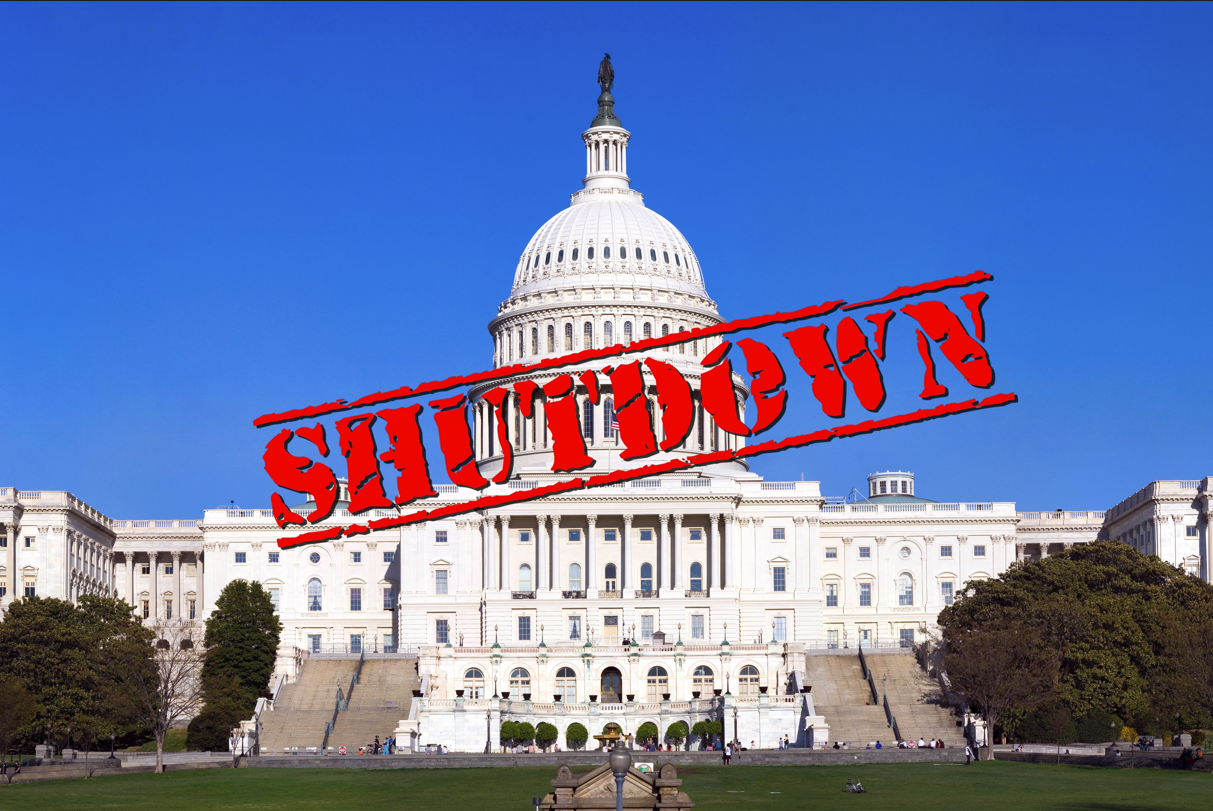
Progress on a 2024 U.S. federal budget has been limited.


Top Themes of 2023

The economics teams looks back at the most significant stories we covered during 2023.
ECB Preview: Caution Is Warranted

The ECB will pivot in 2024, but probably not as early or swiftly as markets predict.
Navigating To Neutral

The secular forces that held down rates for forty years have not entirely changed.
‘Tis The Spending Season

American consumers are becoming more frugal this holiday season.
Loosening Labor

Both supply and demand of workers will prevent a surge in unemployment rates.
Weighty Matters for Canada

The Canadian economy is buckling under the weight of higher interest rates, household debt and immigration.


U.S. Economic Outlook, November 2023

The Northern Trust Economics team shares its outlook for U.S. growth, employment, interest rates and inflation.

High Rates Are Pinching The World's Homeowners

Housing markets are cooling but unlikely to end in a bust.
Private Credit Boom

Financial flows have shifted this year. In the credit arena, bank lending has been moribund throughout the year, as standards tightened and interest rates rose. But borrowers still need capital, and private lenders are increasingly meeting their needs.
Financial Stability: Cloudy, With A Chance Of Showers

The banking system has stabilized, but latent threats remain.
Survey of Consumer Finances: Consumers Are Fine

Households are better off today than before the pandemic.
Global Economic Outlook: Expect the Unexpected

Forecasting economic outcomes is a challenging exercise, even under steady conditions. Geopolitical events have only added to the complexity facing economies worldwide.
A Deep Dive Into U.S. Debt

The longer the U.S. debt is left to grow, the harder it will be to correct.
U.S. Economic Outlook, October 2023

The U.S. economy’s remarkable resilience is complicating the lives of investors and the Federal Reserve. Despite war-disrupted commodity markets and one of the most aggressive monetary tightening phases in modern history, economic activity has remained strong.
Higher Uncertainty Around Higher Yields

Higher long-term bond yields will allow the Fed to do less on short rates.
Gender Studies Earn The Nobel Prize

Women are still underrepresented among economics majors and in a range of professions.
A Return To The EU’s Old Ways
Reverting to old fiscal rules will create a strong economic headwind for Europe.
Uneasy Un-Retirements

Older workers can still be a source of relief for tight labor markets.


What’s Holding Back India’s Economy?

India will need to think beyond physical assets to continue its growth.
Energy Prices Are Creating Discomfort

Resurgent energy prices could contribute to higher for longer monetary policy.
Walking Out On The Auto Industry

The strike comes at an inflection point for automotive production.
Shifting Foreign Holdings of U.S. Debt

Evidence of China's slowdown is appearing in unexpected places.
Global Economic Outlook: China Casts a Shadow in the East…and West

The Northern Trust Economics team shares its outlook for major markets in the months ahead.
Fed Preview: Done, Or More To Be Done?
The FOMC will make some close calls and tough decisions.
U.S. Economic Outlook, September 2023
The Northern Trust Economics team shares its outlook for U.S. growth, employment, interest rates and inflation.
Measuring The Cost Of Healthcare

Measuring, anticipating and controlling the cost of healthcare are all difficult.



Checking The Health Of Consumers

Credit balances are not the only consumer indicator running high.
What's Ahead For The Fed's Balance Sheet?

The Fed's asset portfolio is on an uncharted course.


Inflation: Great Expectations

Holding expectations low will help the battle against high prices.

Productivity: Earning Our Keep

Better productivity is easing employers' burden of higher wages.
U.S. Economic Outlook, August 2023
The Northern Trust Economics team shares its outlook for U.S. growth, employment, interest rates and inflation.
The Great Remote Work Debate

Return to office mandates are growing, but workers are hesitant to give up flexibility.
Putting Young People To Work

Young workers are struggling to find jobs, despite labor shortages.


Not Making The Grade

The nation's complex and contentious fiscal processes are deemed a credit risk.



Inflation: Better But Not Good

A favorable inflation report is just one step in a long journey.

U.S. Economic Outlook, July 2023

The Northern Trust Economics team shares its outlook for U.S. growth, employment, interest rates and inflation.
Hotter Summers Ahead

El Niño will test the resilience of both infrastructure and food supply chains.
Seller's Inflation

Corporate profits are being challenged by market forces, diminishing pricing power.

Rebuilding Housing

An upturn in residential activity may be the next inflation challenge.
What's Next for Student Debt?

Income-driven repayment will ease the burden of resuming student loan payments.

Global Economic Outlook: Hawk-Eyed

There is renewed anxiety among central bankers in the face of sticky inflation.


U.S. Economic Outlook, June 2023

The Northern Trust Economics team shares its outlook for U.S. growth, employment, interest rates, and inflation.
Commodities: No Longer A Crude Shock

Volatile input prices have been a major inflationary force.

Fragmented Globalization

A perennial challenge faced by all big or small, developed or developing economies is achieving sustainable economic growth that boosts standards of living and financial stability. Globalization has been the road that brought economies to that destination.
The Global Economy Is Suffering From Long COVID

In many respects, COVID-19 was not a temporary disruption.

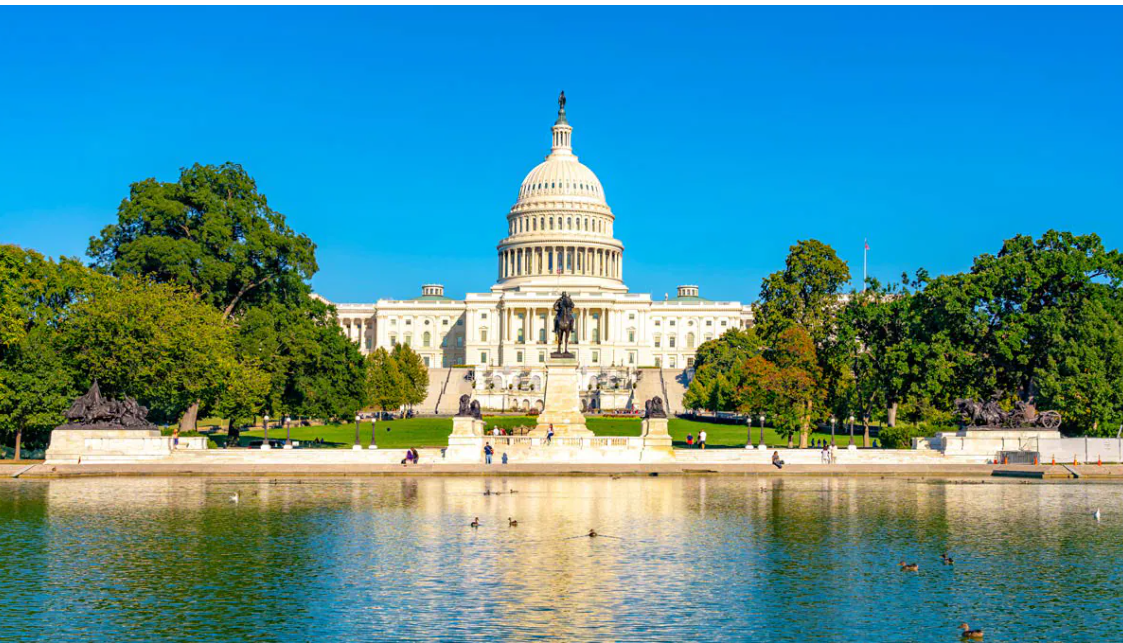
Mass Transit Is Facing Massive Challenges

Transit has not made a complete recovery from the pandemic.
Risks to Growth Are Ample but May Prove Surmountable

The Northern Trust Economics team shares its outlook for major markets in the months ahead.
Hong Kong Struggles To Balance East And West

Hong Kong’s currency and financial stability are not under immediate threat.
The View From China

Both domestic and external forces may limit China's growth prospects.

U.S. Economic Outlook, May 2023
The Northern Trust Economics team shares its outlook for U.S. growth, employment, interest rates, and inflation.
Global Tourism: An Incomplete Recovery

Macroeconomic and geopolitical hurdles are slowing the full recovery of tourism.
Debt Ceiling: High Risk, Low Reward

What follows a technical default? We hope we will not need to find out.
Dissection of European Inflation

A wage-price spiral isn't imminent in Europe, but inflation may take a while to descend.
Is The Fed Draining Deposits?
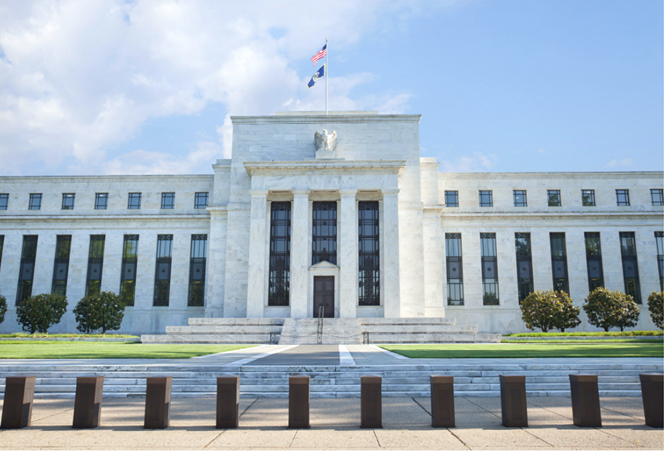
The Fed's tools for managing interest rates are adding to deposit competition.
Inventories: The Other Stock Volatility

The 2011 U.S. reality television show Doomsday Preppers showed an uncommon side of life, spotlighting families that prepared to survive extreme, potentially fatal scenarios. Their plans included accumulating a surplus of food, fuel, and other essentials, all of which came at a cost.
Fed Preview: The End is Near

The Fed is likely to lay the groundwork for a pause, and push back against an early pivot.
Approaching Stall Speed

We favor high yield bonds and natural resource stocks as inflation still shows persistence, earnings expectations deteriorate and worries mount over a stalling U.S. economy.
Emerging Market Vulnerabilities

The latest IMF reports shows the mounting risks facing emerging markets.

Bank Stress and Lending Standards

How will tighter lending standards become evident in the economy?
Higher for Longer

Financial volatility continues to moderate amid settling in the banking sector. Economic data in much of the world has remained positive. But a slowdown is in store. Businesses and households will have a harder time borrowing as credit conditions tighten further. Financial risks have risen.


Intermittent Storms

The Northern Trust Economics team shares its outlook for U.S. growth, employment, interest rates and inflation.
The Digital Dollar's Difficulties

The case for a central bank digital currency has many shortcomings.
Money Market Funds: Any Port In A Storm

Money market funds are attracting deposits for more reasons than just SVB.


Banking Stresses the Outlook

The Northern Trust Economics team shares its outlook for growth, inflation, employment, and interest rates.
The Consequences of Credit Suisse

The demise of a major bank illustrates the global tensions in the financial sector.

Silicon Valley: The Consequences of a Bank's Failure

The full story of SVB is still unfolding, but we offer some initial reactions.
Are Job Openings Overstated?

Elevated job openings may not give an accurate view of labor market conditions.
Central Bank Portfolios Are Underwater

If marked to market, assets purchased during quantitative easing are in the red.
India Seeks More Manufacturing

Can India capitalize on supply chain realignment to build its manufacturing sector?
Hard to Achieve a Soft Landing

History shows a high risk of recession when central banks fight inflation.
The New Brexit Protocol
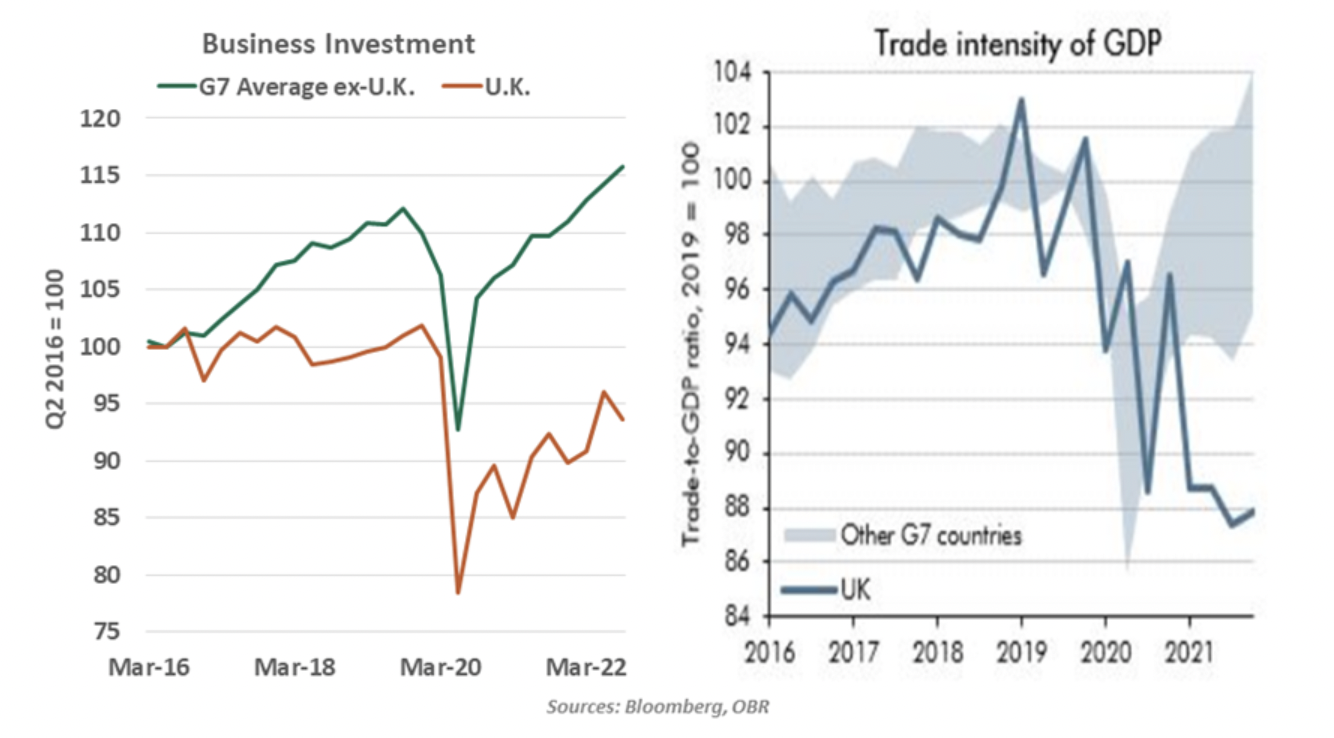
A revised approach to Northern Ireland will lower trade tensions in Europe.

Finding the Will to Refill the Strategic Petroleum Reserve
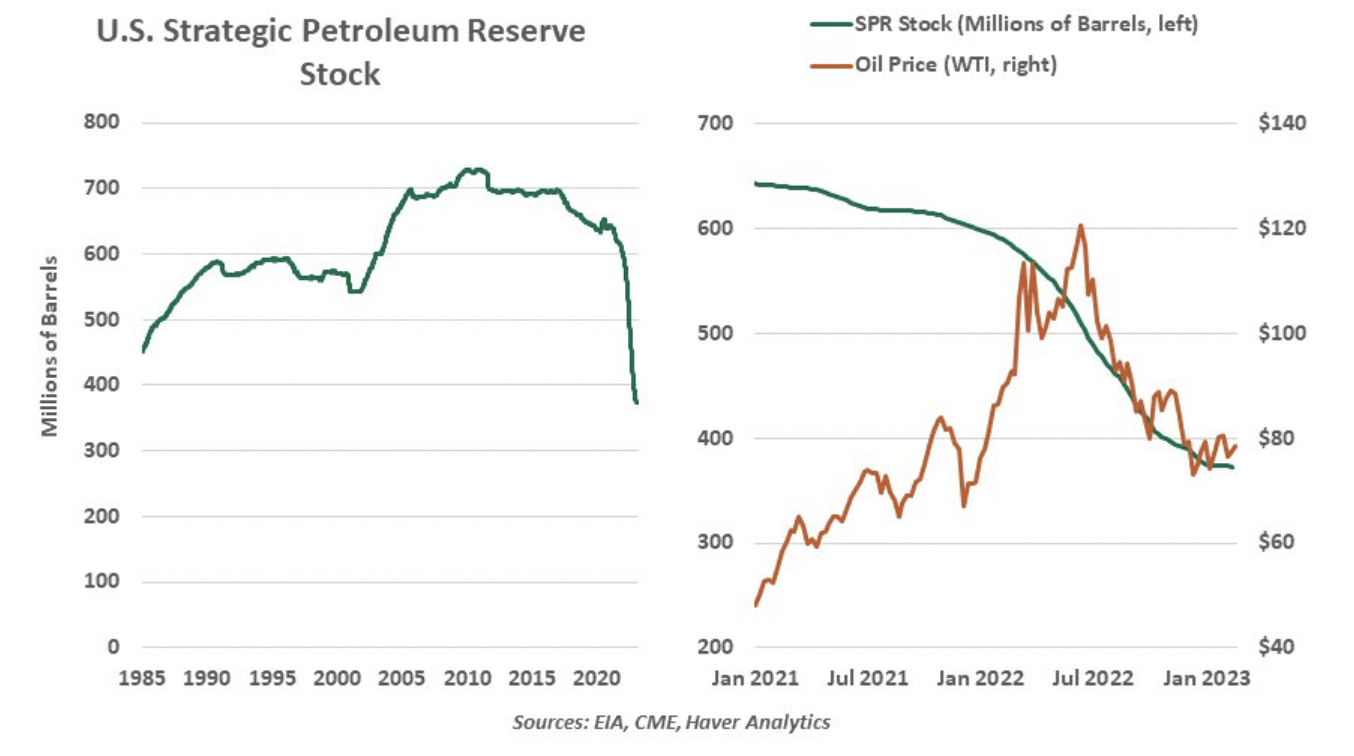
A drawdown to fight energy inflation has left the SPR at a new low.
Central Bank Portfolios Are Underwater
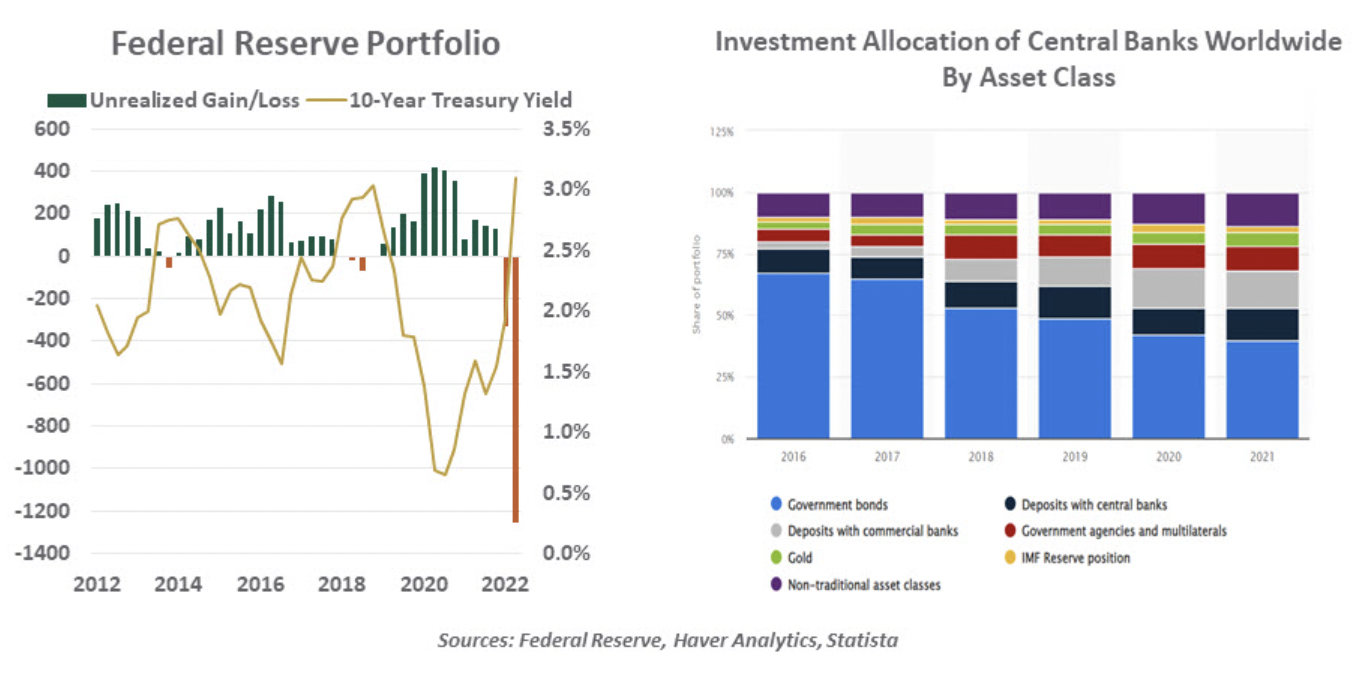
If marked to market, assets purchased during quantitative easing are in the red.


Driving Change

The auto industry is navigating through shifting conditions in trade, policy, and preferences.
Don't Count Your Chickens

The Northern Trust Economics team shares its outlook for U.S. growth, employment, interest rates and inflation.
The Pandemic Did A Number On Schoolkids
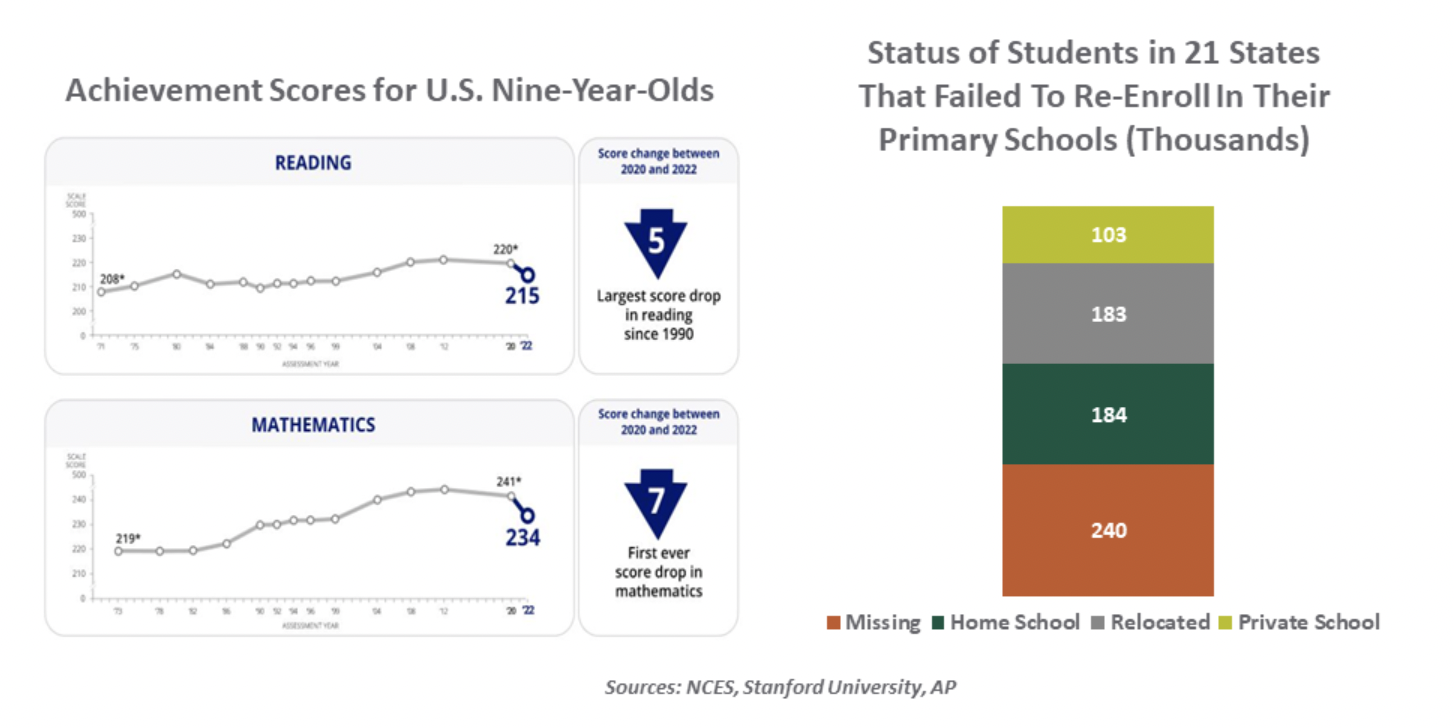
Time out of school is still weighing on student performance.

Argentina and Brazil's 'Sur'real Joint Currency Plan

Differing economic cycles and limited trade links will make the sur unfeasible.

Central Banks vs. Financial Conditions

Markets are no longer shocked by central bank tightening.
The Fed Is Focused On Service Prices
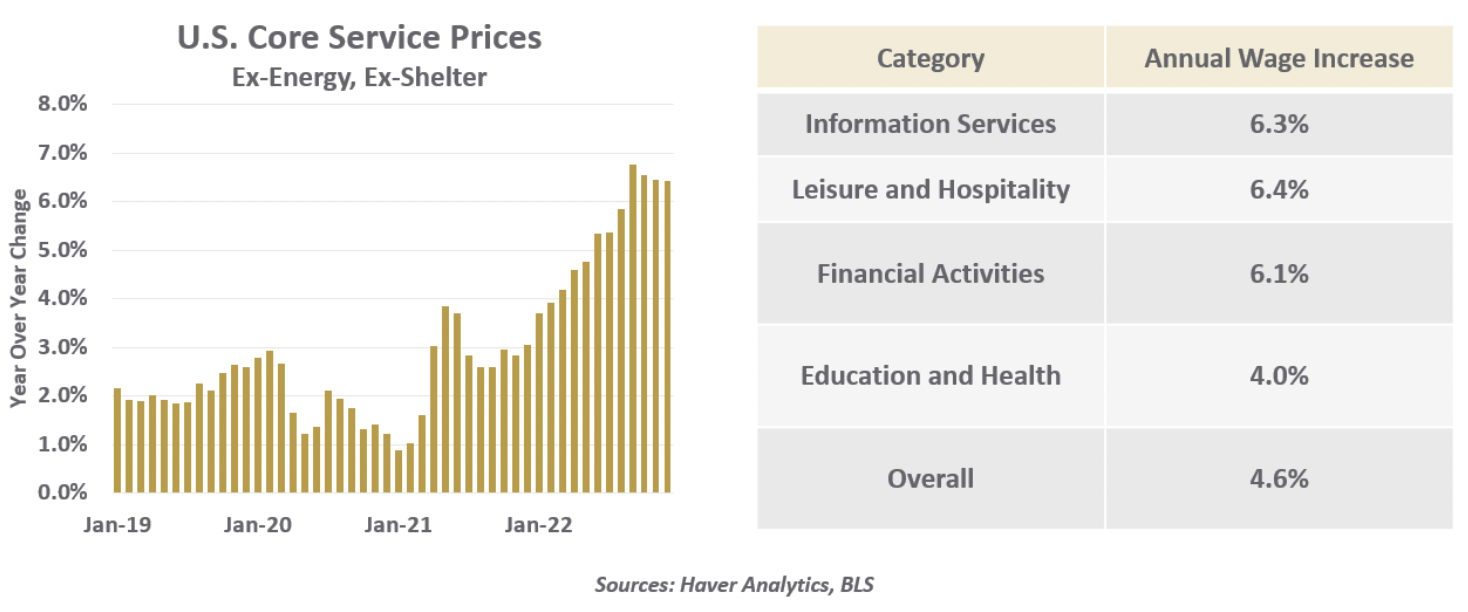
Inflation is a mixed picture, with services staying hot.
Are Inflation Targets Still On Point?

Now is not the time to consider changing inflation targets.
Are Inflation Targets Still On Point?
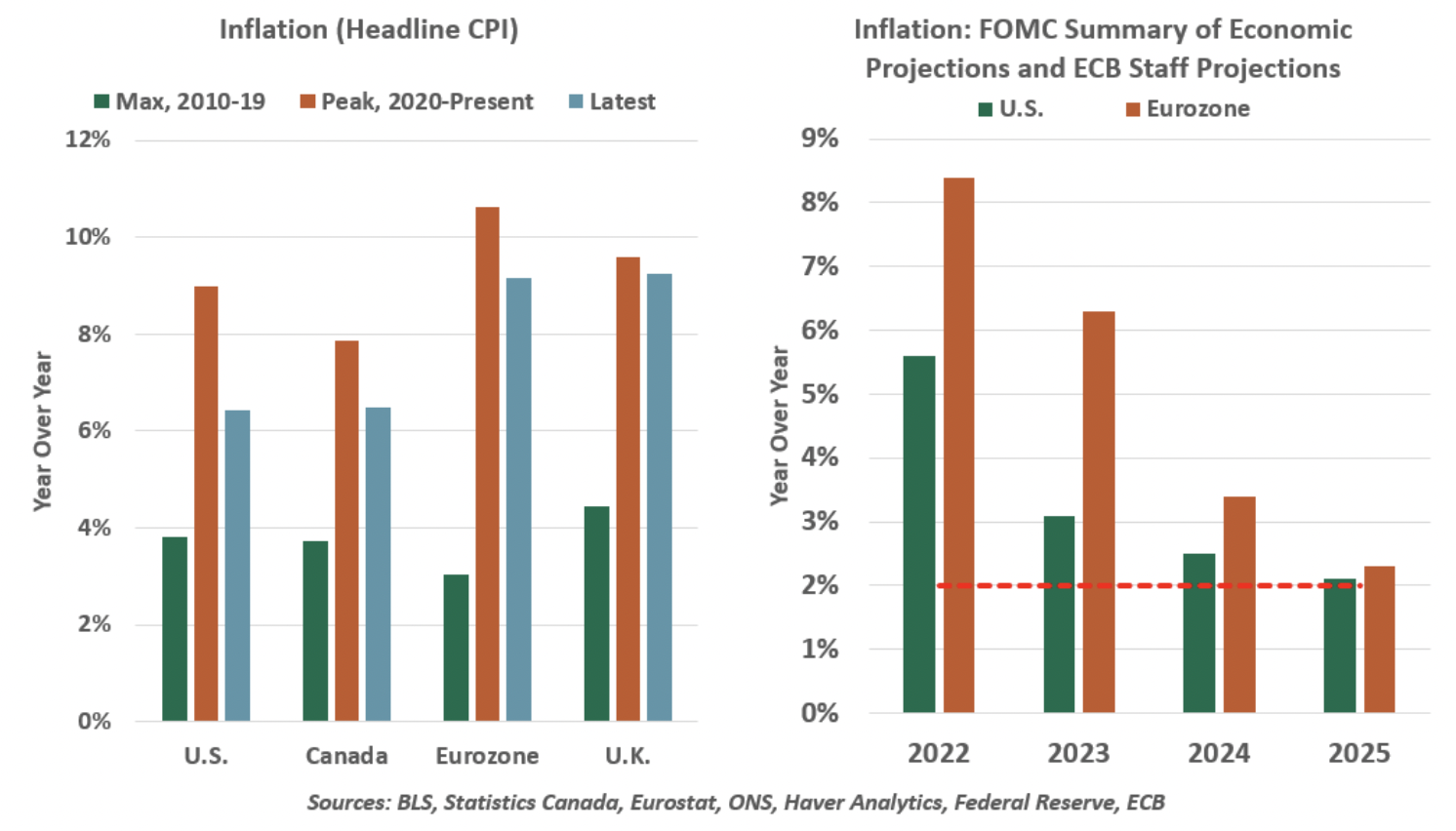
Now is not the time to consider changing inflation targets.
Global Economic Outlook: Run-of-the-Mill
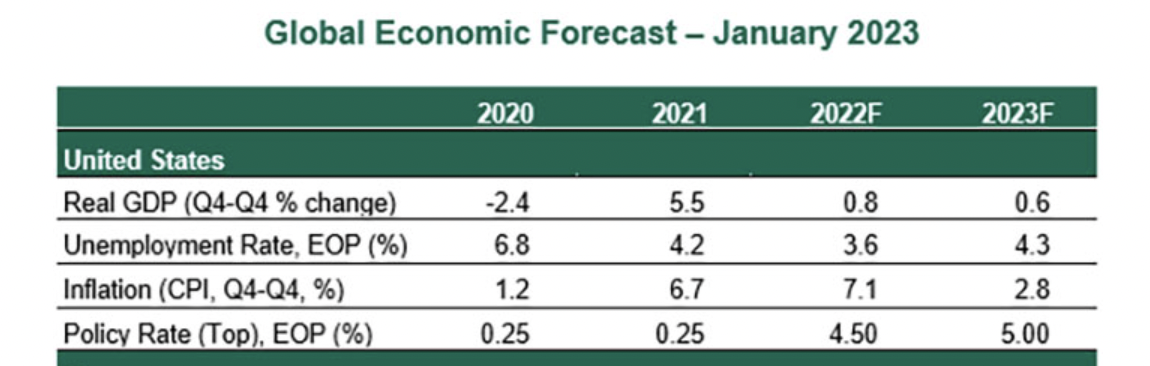
The Northern Trust Economics team shares its outlook for key markets in the month ahead.
From Inflation Reduction To Trade Friction

America's subsidies for domestic EVs have created new tensions with Europe.
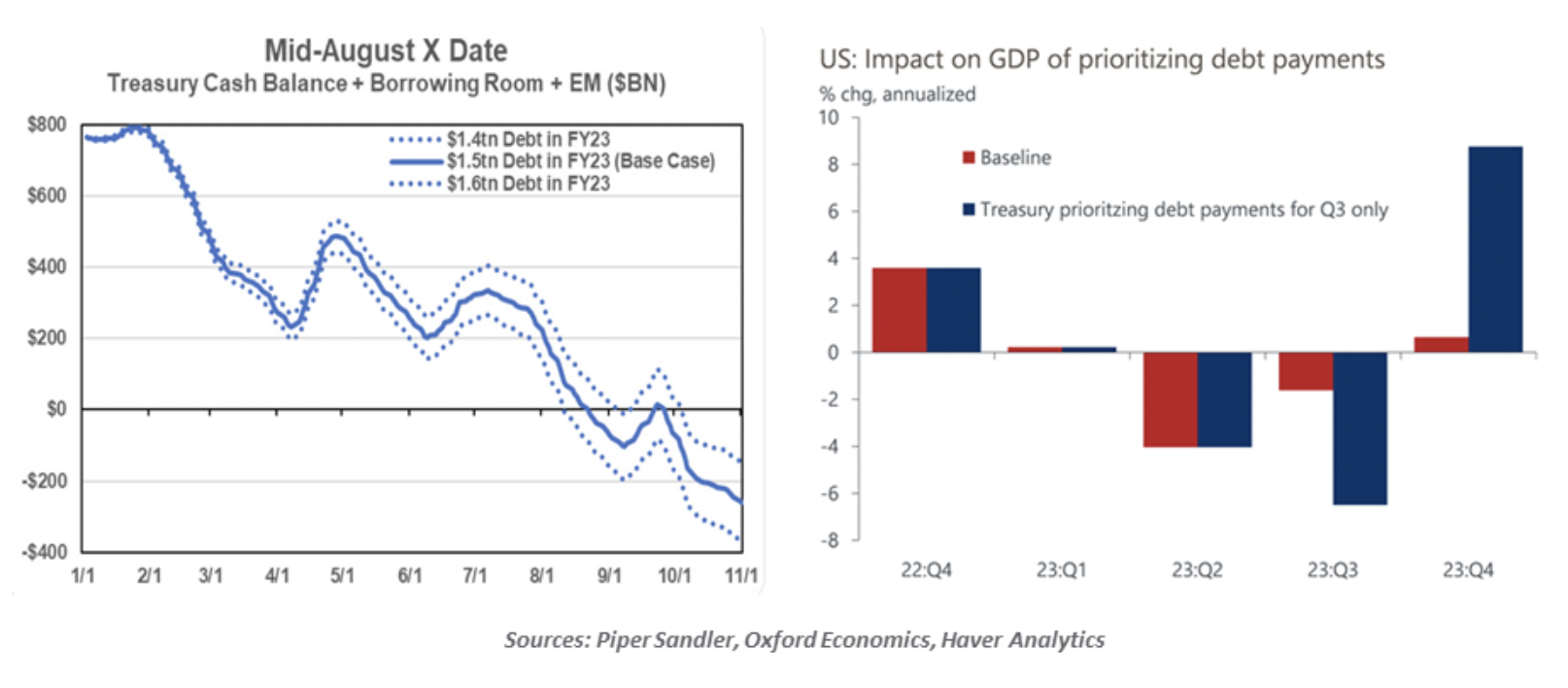


Breaking the RTO Plateau
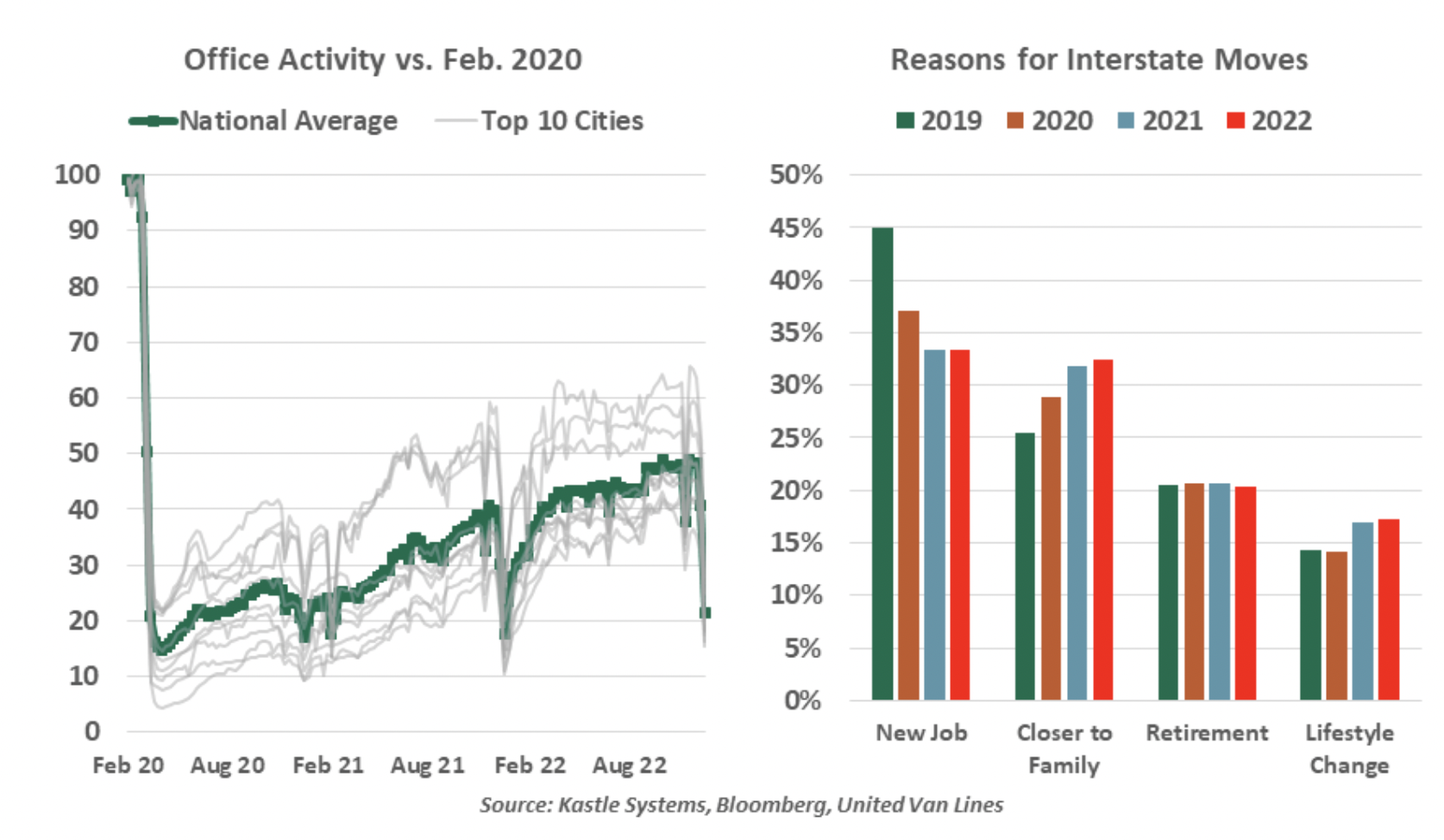
Workers and managers are in a tug-of-war over return to office policies.
Holiday Shopping Season: What Recession?

U.S. consumers did not slow their spending over the holidays.
Did The Bank Of Japan Join The Tightening Club?

A surprising shift in Japan's monetary policy.
Themes From A Busy Year

The economics teams looks back at the most significant stories we covered during 2022.
Slower Growth, Slower Hikes
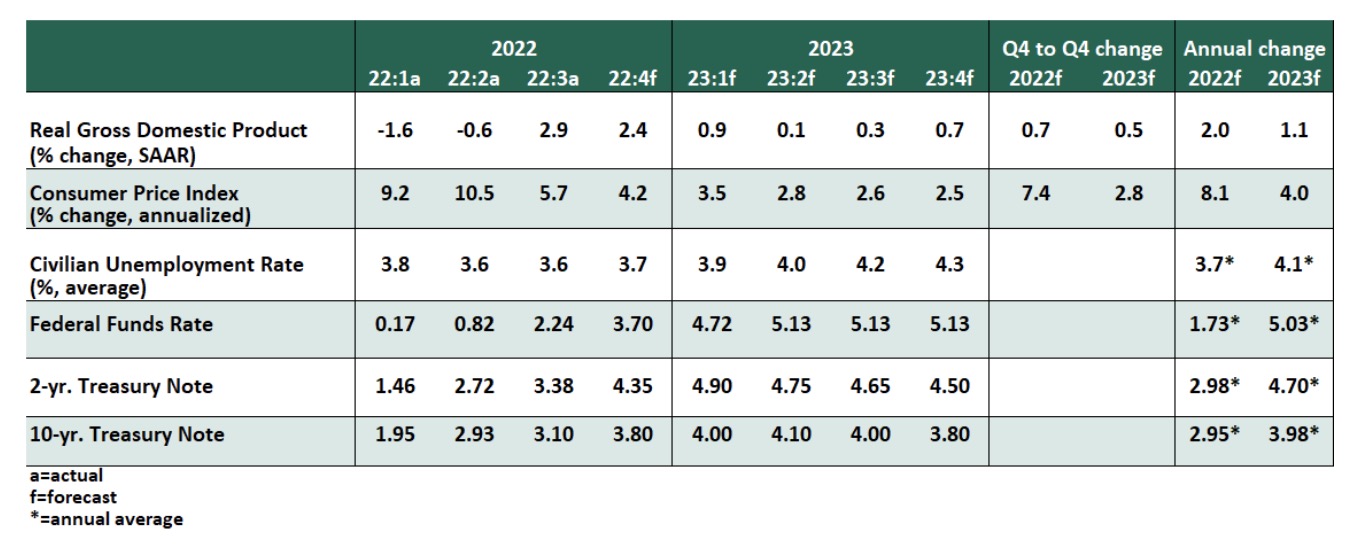
The Northern Trust Economics team shares its outlook for inflation, growth, employment and interest rates.

Mortgages May Force Central Banks To Back Off

The recent escalation in interest rates is squeezing household budgets.
Flexible Work Helps Disabled Workers

Disabled workers are helping close the labor gap thanks to remote work.
Europe Tries To Get Its Finances Back In Order

Europe needs higher investments, which will only be possible with an overhaul of its fiscal rules.
Thanksgiving Is Getting To Be An Expensive Habit

Inflation has spread to our holiday celebrations.

Election 2022: A Recipe For Gridlock

A split government will limit aggressive agendas and progress on important longer-term issues.
Slower for Longer

The Northern Trust Economics team shares its outlook for inflation, growth, employment and interest rates.

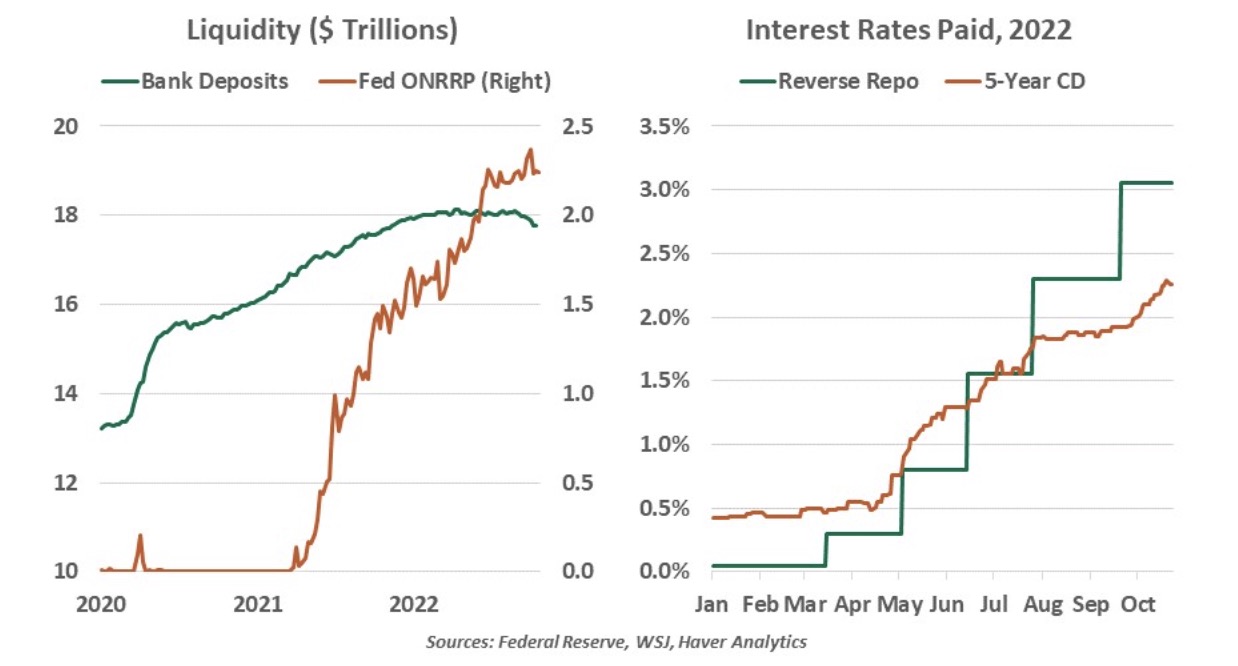
Reflections On The U.K. Meltdown

Governments will have to resist the temptation to address stagflation with stimulus.
A Deep Dive Into The Chinese Economy

Internal priorities and external circumstances have brought China's growth to an inflection point.
Global Economic Outlook: Doom and Gloom

After a strong rebound from the pandemic in 2021, it’s been all downhill for the global economy this year. Economic activity is being hindered as policymakers cope with the hottest inflation in decades, impairments from the Ukraine war, and China’s prolonged lockdowns. Recession fears are starting to come true.
Another Supply Shock For Oil

Renewed increases in energy prices come at a bad time in the battle against inflation.
Close Call

The Northern Trust Economics team shares its outlook for growth, employment, inflation and interest rates.
Hurricane Ian’s Economic Impact

Hurricane Ian has laid bare the challenges facing Florida’s insurance industry.

A Balance Sheet For The U.S. Economy

A path remains in sight for the U.S. to avoid a recession.
Europe: Bracing For A Cold Winter

Policy responses to shortages are not always effective.
Rising Rates Are Complicating Fiscal Policy

The pandemic drove up debt, and higher interest rates are adding to the burden.
The Decline of Demographics

Populations are aging, and the economic consequences will be substantial.
Holding Up

The Northern Trust Economics team shares its outlook for growth, inflation and interest rates.
Partial Student Debt Forgiveness: A Half Measure

Writing off a portion of student debt does not fix the core challenges of paying for higher education.


High Turnover, Low Productivity

Workers take time to reach their full potential in new jobs.
Reshoring Realities

Scarcity and trade frictions are leading to major supply chain realignments.
Inflation Reduction Act: What's In A Name?

A long negotiation cycle yields green investment, a smaller deficit and higher corporate taxes.
International Tourism: The Long Journey To Recovery

The tourism industry remains vulnerable to macroeconomic, public health and geopolitical risks.
Balance Sheets Are Barriers Against Contagion

Household, corporate and bank balance sheets are more resilient today than during past crises.
Running Out of Gas

The Northern Trust Economics team shares its outlook for key markets in the month ahead.
Updating Our Labor Dashboard

Labor force participation is the greatest shortfall in an otherwise thriving labor market.
Emerging Markets: Tested By The Fed

Major EMs are more resilient to U.S. interest rate hikes today than they were in past cycles.
Pain Relief

The Northern Trust Economics team shares its outlook for growth, inflation and interest rates.
Costs and Benefits of Sanctions

A more integrated global economy is making sanctions less effective.
Central Business Districts: Out of Office

Office spaces still have a role in the future of work.
Supply Chains Are Slowly Mending

The availability of goods and cost of shipping are improving.

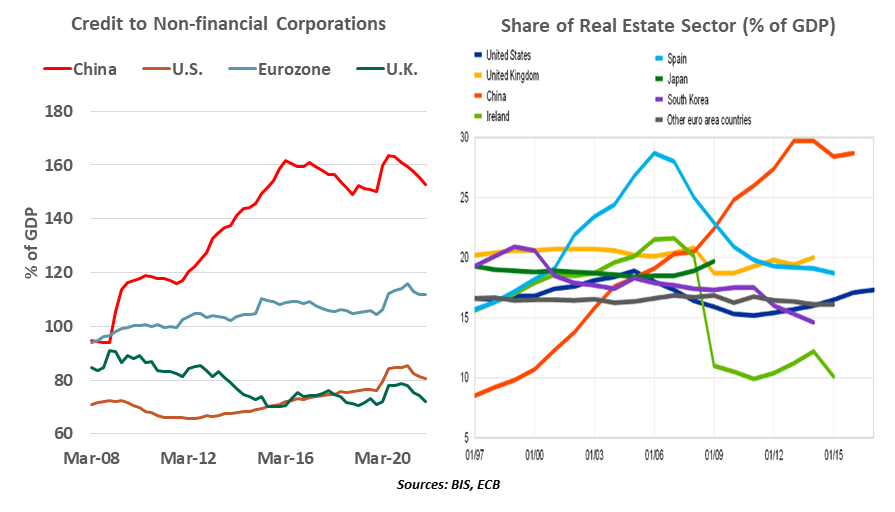

Pressure Testing

The Northern Trust Economics team shares its outlook for growth, inflation and interest rates.
Abenomics Lives On

Shinzo Abe's policies had a substantial impact both in Japan and around the world.
More Money Supply, More Problems

Reducing the money supply will help to curtail inflation.

Our Latest Views On Recession

Though risks are rising, strong hiring and purchase activity suggest that the economy can keep growing.
Municipal Bonds: 2023 U.S. States Outlook
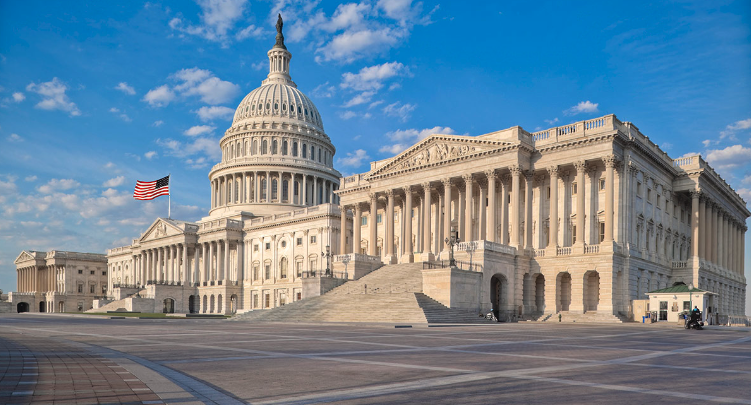
Revenue above expectations, pandemic federal aid and reserves have strengthened states' financial outlook. But states will need to prepare as pandemic aid winds down and the economy slows.
Mid-Year Themes
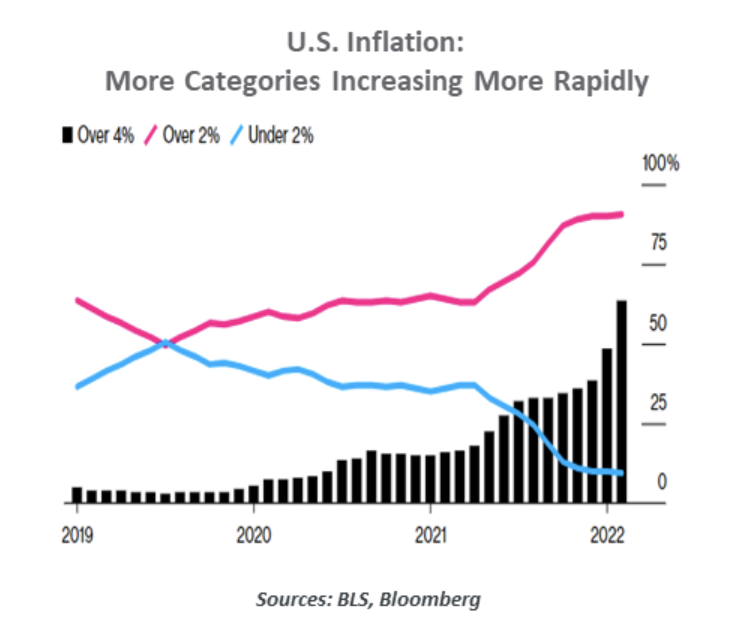
Inflation, China, Russia, Central Banks, Labor, Recession: It's been quite a year thus far.
Somber Summer
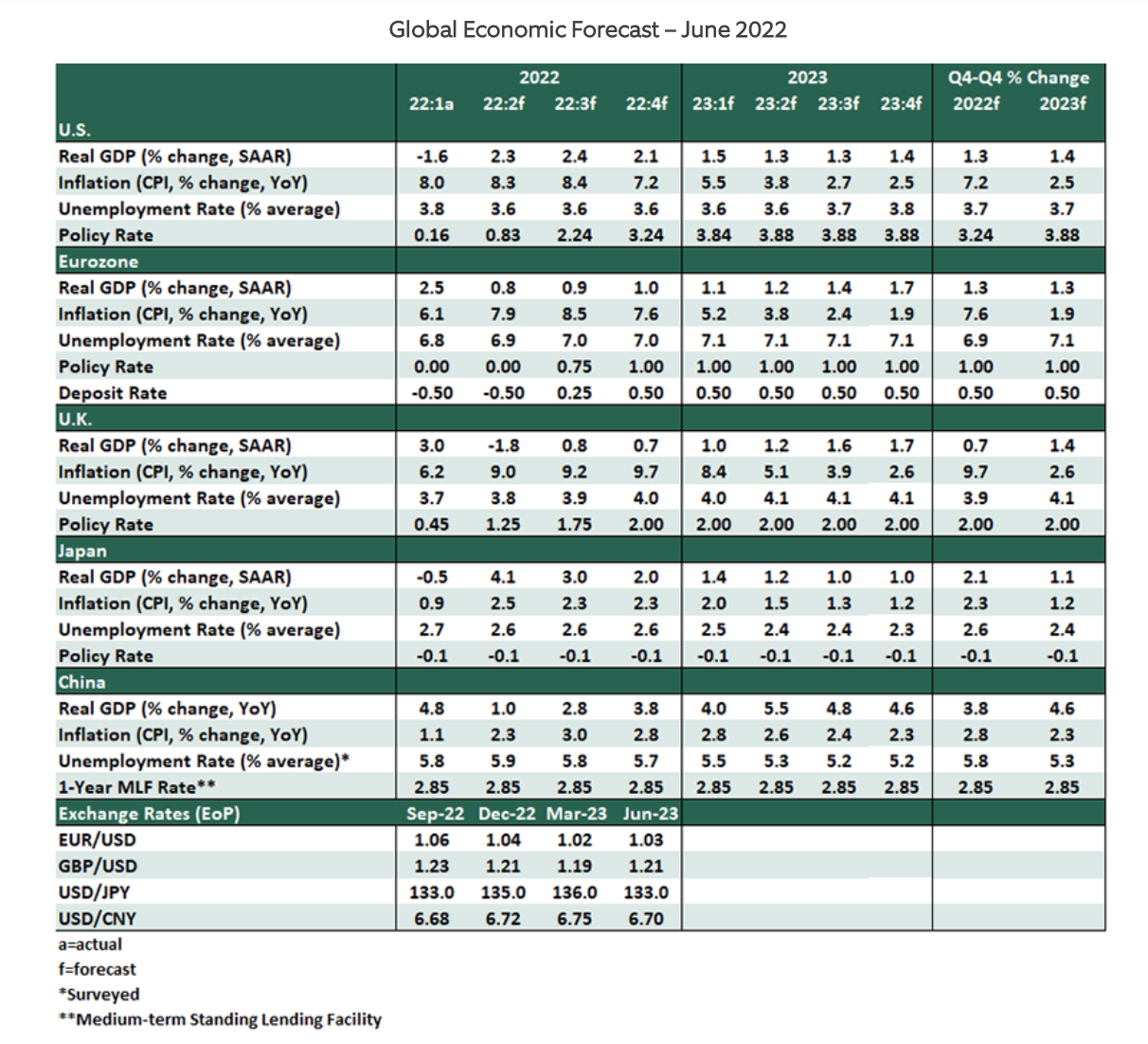
The Northern Trust Economics team shares its outlook for key markets in the month ahead.
Of War And ESG

Sustainable investing needs to adapt to new realities without compromising its core principles.
Heating and Cooling

The Northern Trust Economics team shares its outlook for growth, inflation and interest rates.

An Active Week For Central Banks

How high do interest rates have to go to control inflation?


Recession Talk Is Exaggerated

Strong employment and spending will help the economy grow through current shocks.
Getting Hitched Is Getting More Expensive
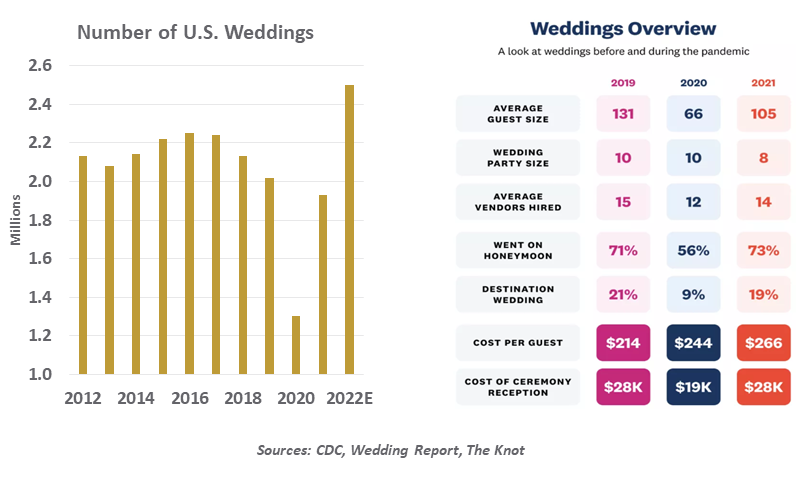
Wedding costs reflect the myriad forces that have driven inflation upward.
How Inflation Went From Dormant To Dominant

Policymakers and forecasters were slow to change their mindset about inflation.
Global Economic Outlook: Tightening Up

The Northern Trust Economics team shares its outlook for key markets in the month ahead.

Expeditious
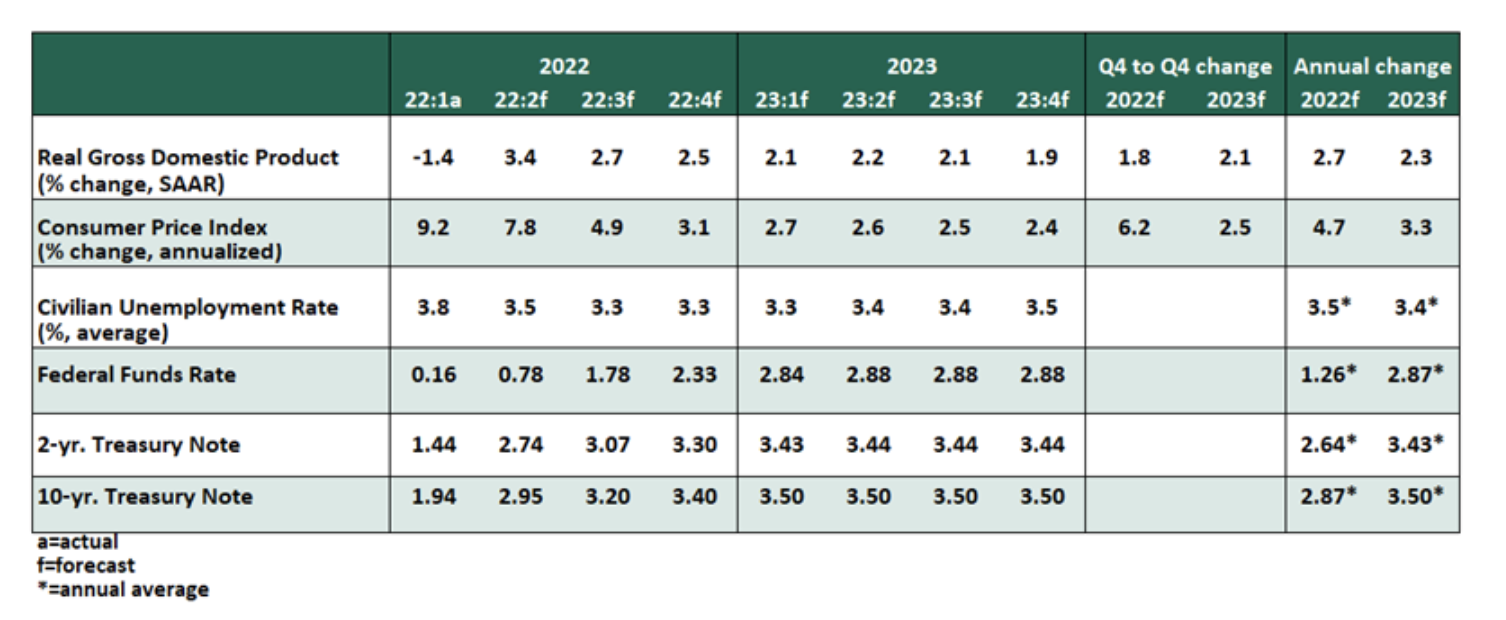
The Northern Trust Economics team shares its outlook for growth, inflation and interest rates.
China’s Renminbi Depreciation: Red Flag?

RMB depreciation won't offer much support to Chinese growth.

Can We Repeat The 1994 Soft Landing?

The Fed will need some luck on its side to deliver another soft landing.
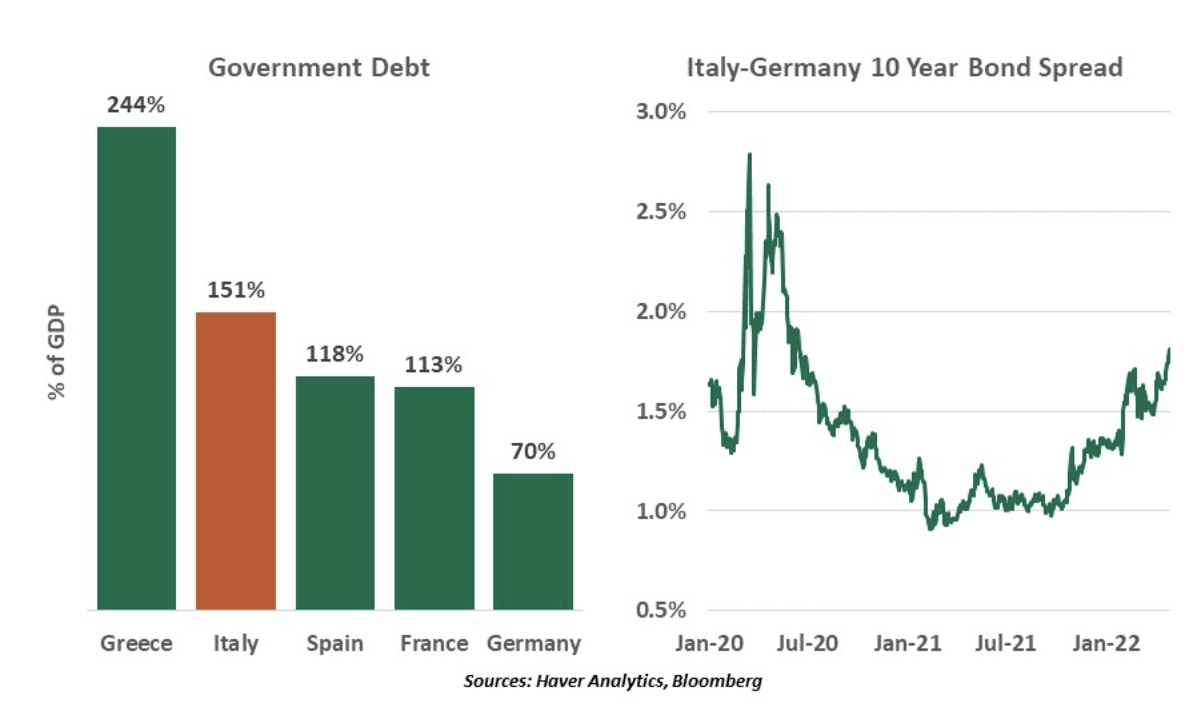
Drugs and Long COVID Prevent Full Employment

Drug abuse and long-haul COVID are obstacles to getting back to work.
Recession Risks: False Precision

The risk of an imminent recession is low, but next year is anyone's guess.


The Latest Supply Chain Complication
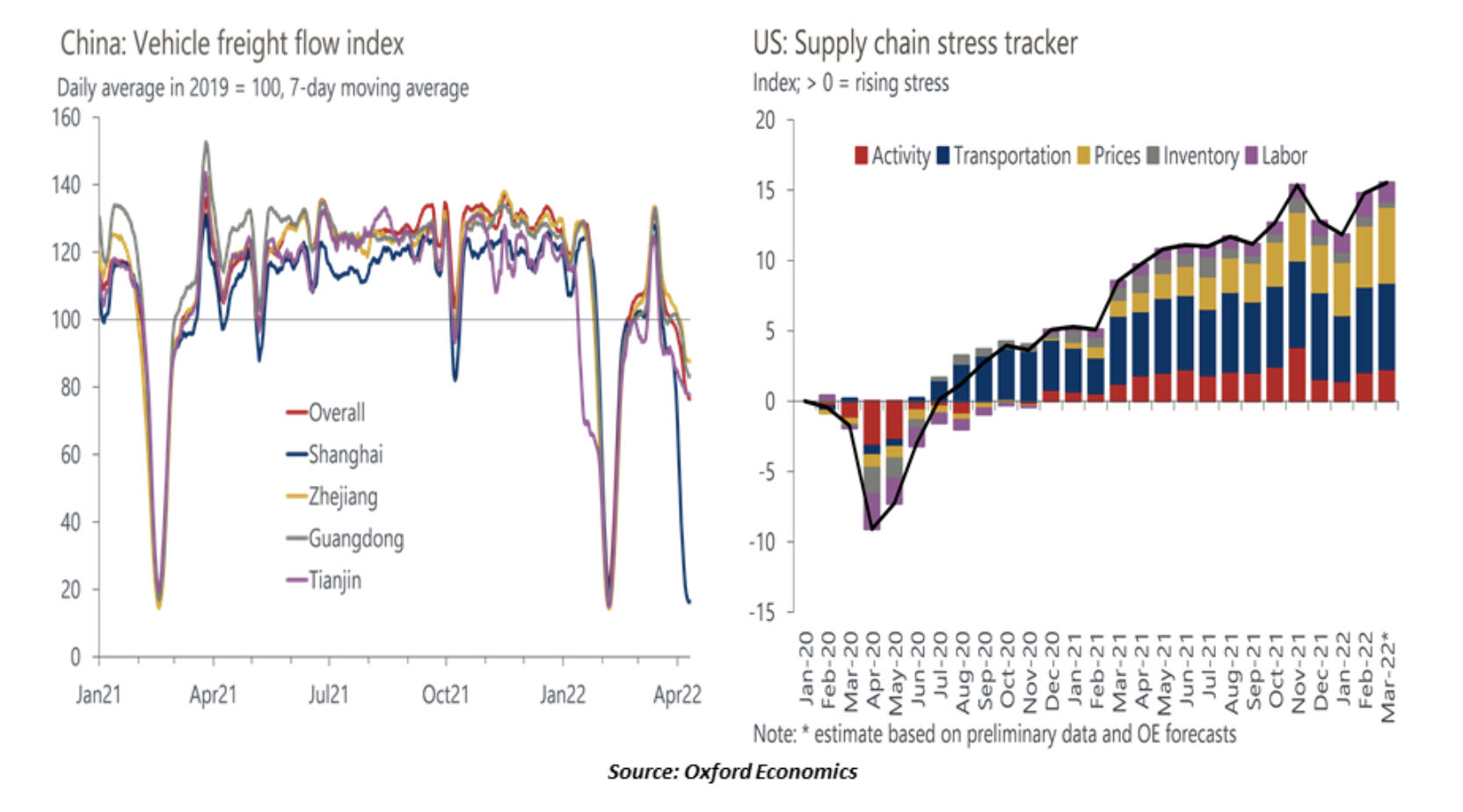
China's zero-COVID approach will undermine its position as the supply chain hub of the world.
A New Phase of Recovery

The Northern Trust Economics team shares its outlook for growth, inflation and interest rates.
Emission Disclosures: Sunlight on Climate Risks

What role do financial statements play in climate change?
Quarterly Report: The War to End All Wars

The first quarter of 2022 brought violence that rocked communities – and markets – internationally. We look at what aftershocks may still be yet to come.
Oil Intensity: Return on Investment

Output is not falling, but the amount of energy required to fuel that activity is diminishing.
Why High Dividend Stocks Make Sense Amid Bond Volatility
The Federal Reserve’s first rate hike in years has sparked bond volatility, pushing investors to search for yield elsewhere.
Should the Fed Fear the Yield Curve?

The yield curve's movements are unlikely to change the Fed's course.
Consequences for India from the Russia-Ukraine War

India's economic links with Russia leave it in a delicate position.
Global Economic Outlook: War-Fare

The Northern Trust Economics team shares its outlook for key markets in the month ahead.


Tight Oil

The Northern Trust Economics team shares its outlook for growth and interest rates in a context of high inflation.
Investment Perspective: Less Growth, More Inflation

With no end to Russia’s attack on Ukraine in sight, energy and agriculture are feeling the strain.


SWIFT Thinking

What are the consequences of taking Russia's international payments offline?
Update On The Russian Conflict: Economic Combat Begins

Russia's actions will have immediate and long-term ramifications.
Ukraine-Russia: A Crude Shock

This week's biggest news adds to the complications in energy markets.
Global Economic Outlook: Prices And Peacemaking

The Northern Trust Economics team shares its outlook for key markets in the month ahead.
Consumer Credit Growing

Consumer spending and borrowing have rebounded, and delinquencies have not.


Investment Strategy Commentary: Geopolitics

As tensions between Russia and Ukraine mount, so too does market volatility.
Inflated Expectations

The Northern Trust Economics team shares its outlook for inflation and how the Federal Reserve will react.
Unwinding Quantitative Easing Won't Be Easy

The size and timing of QT will depend on financial conditions and the evolution of inflation.
No Pivot Yet For The ECB

The macroeconomic picture still doesn't support the case for monetary tightening in the eurozone.
Labor's Love Lost: A Deep Dive Into "The Great Resignation"

Ongoing labor market shifts are a risk to economic growth.
Global Economic Outlook: Touch And Go

The Northern Trust Economics team shares its outlook for key markets in the month ahead.


Last Year's Saving Is This Year’s Spending

The flow of excess cash has returned to normal, but the stock is still quite elevated.
In Like A Lion

The Northern Trust Economics team shares its outlook for the Federal Reserve and the U.S. economy.
Too Much Cash Is Not A Good Thing

Excess cash has accumulated in every corner of the economy.


The Fed Picks Up The Pace

The Fed has made a sharp pivot by accelerating the tapering of its asset purchases.
Themes of 2021

The economics teams reflects on six themes that defined an extraordinary year.
The Fed's Taper: Accelerando
High inflation and strong economic data may make the Fed hurry to conclude asset purchases.
U.S. Economic Outlook, December 2021: There Arose Such A Clatter

The Northern Trust Economics team shares its outlook for the U.S. economy.
Cooperation at COP26

The latest climate pledges are encouraging, but fulfilling them will be a challenge.

COVID-19 Threatens Europe’s Recovery

The deteriorating health situation in Europe threatens to send the recovery into reverse.


In Need Of A Boost

Boosting confidence in public health is essential to a durable economic recovery.
Global Economic Outlook for 2022

In this special report, the Northern Trust Economics team shares its outlook for growth, inflation, employment and interest rates in the year ahead.
U.S. Economic Outlook, November 2021: Working Through It

The Northern Trust Economics team shares its outlook for the U.S. economy.
Labor: Strike While the Iron Is Hot

Strikes and quits show workers are feeling emboldened.
Central Banks Try To Stay Ahead of the Curve

The phrase “behind the curve” originates from aviation. The “power curve” maps an airplane’s speed to the thrust applied by the engine. This relationship varies with conditions; being behind the power curve can risk stalling or damaging the plane.
Talking Turkey

With Turkey’s central bankers being shown the door, foreign investors are likely to follow.
Case Studies In COVID-19 Control

There is no one-size-fits-all approach to dealing with COVID-19.
Tomorrow’s Green Energy Is No Help Today

The higher the costs of conventional energy, the greater the case for investment in clean energy sources.
Award-Winning Remarks

Global themes we are tracking: public health, de-globalization, policy retreat, technology and the East and West divide.
Global Economic Outlook: Fourth Quarter Comeback

The outlook for the fourth quarter and beyond is positive, but the recovery remains uneven. The Northern Trust Economics team shares its outlook for key markets in the month ahead.
The Fed’s Ethics Are Being Tested

Personal trading could undermine public trust in the Federal Reserve.
Testing Times For Multilateralism

Unilateralism is not a remedy for multilateral institutions.
The Fed’s Ethics Are Being Tested

Personal trading could undermine public trust in the Federal Reserve.
The Big Short(ages)

The Delta variant’s impact on supply chains and domestic spending slowed economic activity in the third quarter. Consumer confidence dipped noticeably, and businesses’ outlook dimmed somewhat. Rising inflation, the product of goods and labor shortages, has been a concern.

Revisiting Inflation Expectations

Are inflation forecasts reliable enough to shape policy?
Top Economic Risks For The Fourth Quarter

Several events will have major influences on the global economy in the months ahead.
Canada Elections: Back To Square One

Canada's election yielded no changes, leaving housing as the key risk to watch.

China Confronts Minsky And Moral Hazard

The spillover from the property sector to the broader economy could be significant.
The Initial Acceleration Stage Of The Recovery Is Behind Us

The Delta variant and supply constraints are the biggest worries for the global outlook.
Fed Preview: Time To Taper

The Fed governors will soon decide when and how to taper asset purchases.
U.S. Economic Outlook, September 2021

The Northern Trust Economics team shares its outlook for the U.S. economy.
What Next for Europe’s Fiscal Rules?
Europe still needs fiscal support to preserve stability and growth.
Fiscal Policy: A September To Remember

The U.S. Congress faces major financial deadlines in the month ahead.
China's Debts Are Coming Due

Evergrande is an example of the risk of debt defaults to China's financial stability.
This Expansion Doesn't Get A Lot Of Credit

Household savings and central bank policies have reduced the need for credit.
Trucking Is In The Slow Lane

Trucks are a vital link in supply chains, but there aren't enough people to drive them.


Global Economic Outlook: Delta Changes The Outlook

Measures aimed at containing COVID-19 will suppress growth and stress inflation.
The Global Economy Has An Inventory Problem

New virus outbreaks in supplier nations are adding to inventory problems.
Fasten Your Seatbelts

The recovery has had its ups and downs, but the economy is moving in the right direction.
The Return of Industrial Policy

Governments are finding their place in supporting development.

Pushing for Productivity

The debate over post-pandemic scheduling often centers on productivity.
Global Economic Outlook: Dog Days Of Delta

A firm economic recovery is well underway, but the fast-spreading Delta variant is clouding the outlook.
Delta Force, ECB's Strategy Review, State of the States

Delta has the potential to alter the path of recovery; central banks are rising to face heavy challenges; and U.S. states have survived a major stress event.
View from the Peak

The Northern Trust Economics team shares its outlook for the U.S. economy.
The "Summer of Labor", Latin Lethargy and Sweden's Light Lockdowns

Workers have the upper hand, but not for long; Latin America stagflates; and Sweden provides a case study in COVID-19 response.
Economic Commentary: Themes of the First Half of 2021

Reflecting on a busy six months of vaccines, inflation, trade relations, supply chains, and policy challenges.
Economic Commentary: Brexit, Restaurants, Boeing and Airbus

Brexit is as complicated as we expected, but restaurants are reviving and aircraft tariffs are suspended.
Global Economic Outlook: Summer Boom

Many economies are now in advanced stages of economic reopening, but some are still struggling.


Getting Sorted

The Northern Trust Economics team shares its outlook for the U.S. economy.
Economic Commentary: Productivity, Australia, Returning to Work

Crisis investments may yield a lasting boost to productivity, while Australia's restrictions pose a lingering risk.
Economic Commentary: Inflation's Past, Present and Future

From base effects to bottlenecks, wages to pricing power, inflation questions abound.
Economic Commentary: China's Recovery, U.S. Trade Deficit, Household Well-Being

China was the first nation to enter recovery, and high U.S. import demand has helped it.
Global Economic Outlook: Uneven

Advanced economies are doing better than emerging markets.
Economic Commentary: Biden Goes Big, U.S. Debt Ceiling, Scotland Elections

Biden pushes more spending just as the U.S. debt ceiling returns from hiatus, while Scotland's standing in the U.K. is uncertain.

Fed's Patience Tested, Slow Labor Markets, India's COVID Crisis

Labor markets are changing course. When will the Fed do the same? India's second wave will disrupt activity elsewhere.
Economic Commentary: "Buy American," Economics of Sports, Tax Evasion

"Buy American:" easier said than done. Sports leagues are still struggling, and tax evasion is costly.
Economic Commentary: Worker Retraining, India's Second Wave, Evidence of Recovery

Human capital needs renewal; COVID-19 sweeps through India again, while the U.S. economy springs back to life.
Economic Commentary: Corporate Taxes, Labor Market Slack, Chip Shortages

National corporate tax policies need global coordination; U.S. unemployment rates don't tell the full story.
Global Economic Outlook: Upward Together

The Northern Trust Economics team shares its outlook for global growth in this year of reopening.
Economic Commentary on Infrastructure: U.S. Proposal, Global Gap, Digital Divide

Infrastructure merits more investment, everywhere; we look at the specifics of the U.S. proposal.


Economic Commentary on Inflation: Base Effects, Supply Chain Disruptions and Aging Populations

Addressing technical, idiosyncratic and structural aspects of inflation.
Global Economic Outlook: Elusive Immunity

Failure to boost vaccination programs could hurt the eurozone economy.
Economic Commentary: A Year of COVID-19, Child Benefits, Democracies

Reflecting on the anniversary of the pandemic, revamped child benefits and how democracy fosters economic growth.

Rapid Thaw

Over the past month, the expectations of growth in the year ahead have surged, with fixed income markets repricing and investors shifting allocations in anticipation of growth.
Evolving Risks, School Reopenings, Long-Term Rates

How does risk management work when risks change rapidly?
Economic Commentary: Long-Term Growth, Tourism, Bankruptcies

How long will the effects of COVID be felt in potential growth, the tourism sector and bankruptcy filings?
Vaccine Nationalism, Minimum Wage, Rising Energy Prices

Weighing the costs of global vaccine access, minimum wage and the energy rally.
Emerging From The Shadows

A strong economic rebound is expected towards the middle of the year, followed by a return to more normal growth in 2022.
Student Loan Forgiveness, Super-Sized Stimulus, China-Australia Trade Tensions

Are proposed fiscal policies and student debt forgiveness too much of a good thing?
U.S. Economic Outlook, February 2021

The Northern Trust Economics team shares its outlook for the U.S. economy.
Inflation Concerns, Italy's Battered Economy, Low Rental Demand

Any surge in inflation will likely not last for long, but Italy's economic troubles and the shift in rental markets may endure.
Emerging Market Debt Problems, Fed Exploring Climate Change, Bitcoin Skepticism

Emerging markets seek a sustainable solution to debts, and the Fed takes a step toward sustainability.


Dark Before The Dawn

Policymakers around the world share the challenges of containing the renewed outbreak and supporting those affected by it.
Big Data for a Big Year

A variety of data sources show we are closer to normal, but not fully recovered.
Looking Back at 2020

From global responses to local lockdowns, we all witnessed dramatic changes in 2020.
The Global Economy Will Likely Find Firmer Footing After the First Quarter of 2021

Promising developments surrounding vaccination give us hope that 2021 will be a better than year than the one that is about to end.
Slow Brexit, Overloaded Shippers, Growing Fed Balance Sheet
Brexit negotiations had another unproductive week. Parcel shipping volumes are breaking records. And when and why might the Fed alter its asset purchases?
U.S. Economic Outlook: Brighter Days Will Return

While some indicators are slowing, we are optimistic for a better year ahead.
Janet Yellen, Consumer Spending, RCEP

Yellen is a good candidate for a tough job, and we review the outlooks for U.S. holiday spending and trade in Asia.
No Single Story to the COVID Recovery
Recovery from COVID-19 has been a mix of successes and setbacks.
U.S.-China Outlook, Fed’s Programs Ending, Presidential Authority

Fair trade over free trade will remain the theme in Washington.
Humbling Outbreak
The Northern Trust Economics team reviews the outlook for developed markets facing COVID-19.
Post-Election Projections

The Northern Trust Economics team forecasts the U.S. economy’s continued recovery.
Election Reflections, State and Local Struggles, Liquidity Traps
The 2020 election dims the outlook for major legislation and aid to local governments, while central banks face the risk of a liquidity trap.
Investments in the Future: Infrastructure and Education

Our election 2020 coverage concludes with a look at the nation’s physical and human capital.

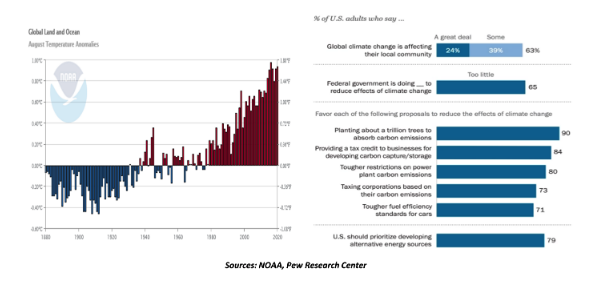
Recovery Changes Seasons

With COVID-19 cases rising and policy support fading, the recovery faces many risks.
U.S. Healthcare, Child Care, Recovery from Debt

U.S. Healthcare Reform Proposals, Childcare Needed to Support Workers, Past U.S. Debt Recovery Won’t Repeat.
U.S. Fiscal Debates, China’s Slowing FDI, and Legislative Stalemates

Our election 2020 coverage begins with fiscal policy, security risks that are slowing foreign investment, and legislative standstills.
U.S. Fiscal Debates, China’s Slowing FDI, and Legislative Stalemates

Our election 2020 coverage begins with fiscal policy, security risks that are slowing foreign investment, and legislative standstills.
Brexit, Fed’s Lending Programs, Young Adults Come Home

Brexit takes an uncertain turn, while the Fed seeks loan borrowers and parents welcome adult children back home.
Northern Trust Capital Market Assumptions Five-Year Outlook: 2021 Edition

In recent years, global equities had slightly outpaced market forecasts for lower equity returns. Then the COVID-19 pandemic hit the global economy, putting an end to the 10-year bull market. Equity markets have now started to recover, but the pandemic introduced and exacerbated challenges that we expect to subdue financial market returns over the next five years.
Inflation Outlook Stays Low, National Champions In Favor, Unemployment Rate Surprises

Breakout inflation is not our top concern. Europe explores support for national champions, and the U.S. unemployment rate masks some fragility.
Recovering, but Not Recovered
The Northern Trust Economics team forecasts the U.S. economy’s recovery from COVID-19.
Monetary Policy Research Review, Emerging Markets At Risk, Complicated Measurements
The Fed’s strategic review added to a bevy of policy research revealed last week.
Monetary Policy Research Review, Emerging Markets At Risk, Complicated Measurements

The Kansas City Fed’s annual Monetary Policy Symposium at Jackson Hole is a signature event for those of us who follow central banks. The conference typically doesn’t generate much front-page news: the subject matter is usually more technical and conceptual than a broad audience would appreciate. But 2020 is not a typical year.
The Fed’s New View on Inflation, Japan’s Struggles, and Housing’s Health
The Fed’s new take on inflation was a long time coming, while Japan’s downturn drags on and U.S. housing stays strong.
Hotel Blues, Eviction Risk, and Argentina’s Debt Dealings
The lodging industry illustrates a panoply of pandemic problems; and keeping people in their homes will be key to economic recovery.
Fiscal Negotiations Stuck, Metal Tariffs Return, and Schools Make Hard Choices
Washington’s inaction on a fiscal deal and action on tariffs are both perplexing, while schools face complicated choices.


How COVID-19 Will Change Our Daily Lives
How will our lives change during and after the pandemic? Let’s start with a look at education, medicine, automation, broadband access, city living and cash.
The Role of Gold; A Less Than Perfect Inflation Hedge.

Gold has been on a tear over the last year, rising 32% while global equities have languished. A common objective of gold is to hedge against some type of risk. This paper shows how gold can reduce downside risk during big down markets, but isn’t the most effective inflation hedge.
How to Aid States, China Recovers from COVID-19, Mortgage Rates Falling Slowly
The U.S. and EU deliberate how to disburse aid, China’s recovery carries risks, and U.S. mortgage rates find a floor.
Automatic Stabilizers, Public Transit, and Money Supply React to COVID-19
Automatic stabilizers prevented an economic breakdown, while trains are running empty and money stays parked.
Growth Prospects and Challenges Ahead for the U.S., U.K., Eurozone, China, and Japan

The first wave of the economic recovery has generally exceeded expectations, but the recent surges in COVID-19 cases could deliver a setback.
Spreading Setbacks, The Paradox of Thrift, and Sports Interrupted

COVID-19’s path is evident everywhere we look: spending, saving, staffing, sentiment, and sports.
On the Mend
The journey to a full recovery will be a long one, but at least we’ve taken some initial steps.
Trade in a COVID-19 World, Unemployment Support, Bank Stress Tests
The challenges keep mounting for global trade, unemployed workers, and banks.
U.S. Coronavirus Cases Rise, Commercial Properties Challenged, and Tourism Lapses
More infections lead to more worry, while the commercial real estate and tourism sectors are put to the test.
Banks Are Put To the Test, Smartphones Measure Movement, and the Poorest Are Hit Hardest
Banks undergo a true stress test, smartphones measure movement, and poverty may rise.
Adding Up Employment, Brexit Marches On, Food Supply Gets Stuck
Why did unemployment fall? Why is Brexit proceeding? And why did so much food go to waste?
Past the Bottom?
Economic data shows mild improvement, but the road to recovery will be a long one.
Roots of Recent Discontent, Shifting Global Production, and Controlling the Yield Curve
Economic factors are motivating recent protests and changes to supply chains.
Lives and Livelihoods - May 2020
Major economies are easing restrictions to reboot economic activity. Unfortunately, they are faced with a difficult tradeoff between lives and livelihoods.
Recovery From the Pandemic Will Follow Four Curves
The absence of a “V-shaped” recovery means trouble for policy makers, mortgage finance, and emerging markets.
Surveying the Damage
The Northern Trust Economics team gives a perspective on a tough outlook for U.S. growth and employment this year.
Big Questions for Monetary Policy, New Ways Gauge the Decline, and the Fed Lends Dollars Around the
Will inflation soar? Will monetary policies work as intended, and what precedent are they setting?
Examining China’s Recovery, the Auto Market, and Mexico’s Response
China’s recovery and Mexico’s policy choices can be questioned, but the automotive sector’s slump is not in doubt.
Small Businesses and Oil Market Shocked by COVID-19, but Don’t Rush Reopening
SMEs and oil are feeling the demand decline, leading to calls for reopening businesses.
Getting Paid to Lower Your Risk
Using low volatility strategies to lower risk and capture alpha.
Charting New Territory in Monetary Policy, Unemployment Aid, and Australia
Policy measures to aid financial markets and labor forces through the crisis are wide-ranging.
Uncharted Waters - April 2020
Economic activity is expected to recover in the second half of the year, but the shocks in some parts of the world could last for longer.
Policies Try to Keep Pace with the Pandemic, Coronabonds Test Europe, Paycheck Protection Pandemoniu
Economic activity descended in an elevator and will climb back up on the stairs.
Coronavirus Risks for U.S. Consumers and India
Many consumers entered the crisis with no cushion.
Free Falling
Decisive measures taken today should help to keep the crisis from causing prolonged damage.
COVID-19 Brings Policy Responses, Risks to Emerging Markets, and Hoarding
Growing policy responses reflect greater estimates of the costs of COVID-19.
Major Fiscal Action Needed to Avoid a Downturn, Travelers Stay Put, Oil Adds to Stress
Substantial fiscal policy is the best economic prescription for COVID-19.
Coronavirus Clouds the Outlook
Economic news will get worse before it gets better, but we expect the U.S. economy to pull through.
Central Banks Spring Into Action While Coronavirus Adds To Europe’s Ailments
Can policymakers minimize economic disruptions from COVID-19?
Is An Economic Pandemic At Hand?
We’ve been closely watching developments related to COVID-19 for the past several weeks. While we have hesitated to make significant changes to our outlook until evidence is clearer, we now expect the economic damage done by the outbreak will be more significant than initially thought.
Growth Prospects and Challenges Ahead for the U.S., U.K., Eurozone, China, and Japan
The coronavirus outbreak is sending ripples through global supply chains and disrupting businesses.
A Tale of Tail Risks
The U.S. economy has been resilient in the face of uncertainty, but risks are growing.
The Lowdown on Low Inflation
A deep dive into the factors that brought inflation down and are keeping it low.
Making Everyone Count, Coronavirus Goes Viral, Davos Debates
The U.S. Census is a vital research tool; the coronavirus is a vital risk.
U.S. and China Sign a Deal, Inequality Eludes Measurement, Canada Leads with Fiscal Policy
Phase One: A limited deal is better than none.
Inequality: We can’t manage what we can’t measure.
Canada: Taking the lead with fiscal policy.
U.S. Consumer Outlook, Pension Protests in France, and Australia’s Wildfire
A strong economy will help U.S. consumers meet their financial resolutions in the new year, while residents of France and Australia have bigger worries.
Tail Risks Rising, Iran’s Economic Misery, and 737 MAX/Min
Tensions between Iran and the United States brings a stressful start to 2020.
Growth Prospects and Challenges Ahead for the U.S., U.K., Eurozone, China, and Japan
Continued modest global growth in 2020 may be the best we can hope for.
Closing Strong
The Northern Trust Economics team shares its outlook for U.S. economic growth, inflation, unemployment and interest rates.
Ending a Busy Year for the Federal Reserve
Rate cuts and overnight operations were important developments this year. Where will the Fed go from here?
Quick Takes
From freight volume to flight delays and real estate to recession risk, we share quick thoughts on a variety of economic subjects.
A Smarter Way to Invest in Small Cap Value (Duration 30 minutes)
Overloaded with infinite choices when investing in small caps? Join us to cut through the noise and learn how to determine which fund is the best fit for your client’s portfolio.
In this session, veteran portfolio manager, Robert Bergson, CFA will draw on his own investment strategies to walk you through the importance of small cap value in today’s uncertain market and his approach to the small cap universe.
You will learn:
- Why small caps make sense in uncertain market environments
- Ways to improve the efficiency of your small cap allocations
- How to separate good/compensated risks and bad/uncompensated risks within small cap stocks
Negative Rates, Payment Systems, and Protests
In the bond market, staying positive is easier said than done.
China’s Slower Growth, the Laffer Curve, and Rate Cuts in Australia
China’s economy is slowing by any measure, while Australia’s central bank takes rates to record lows.
November Global Economic Outlook
Growth Prospects and Challenges Ahead for the U.S., U.K., Eurozone, China, and Japan.
Wealth Tax Proposed, Resilient Energy Market, EU Exports Taxed
Wealth taxes are politically resonant but difficult to enact. Oil prices are steady despite disruptions, while the EU’s food exports face tariffs.
U.S. Economic Outlook
The Northern Trust Economics team shares its outlook for U.S. economic growth, inflation, unemployment and interest rates.
Government Borrowing Grows, Fed Rate Outlook Is Steady
This week’s Fed meeting started a pause in overnight rate cuts. But what will happen if yields on the long end move up?
Brexit Progress At Last, Ireland’s History Comes Back to Life, Reform for Fannie and Freddie
Are the latest Brexit and GSE proposals the end of the beginning or the beginning of the end?
A Long Road to a Limited Trade Deal, Canada’s Economy Will Decide Elections, ‘Nobel’ Ways of F
Deep U.S.-China divisions make a ‘phased’ deal our best hope for trade progress.
PMI Worries, Puerto Rico’s Turnaround, and Social Impact Bonds
Exploring the survey that is the current cause for concern.
October Global Economic Outlook
October will be a telling month for Brexit, the eurozone economy and the U.S.-China trade war.
Labor Market Disrupted, Overnight Funding Pinched, Japan Raises Taxes
- Automation will squeeze the middle of the labor market.
- Overnight lending markets are finding their equilibrium.
- Japan planned its tax increase to minimize disruption.
The Fed’s Dilemma, Draghi’s Parting Gift, Mortgage Rate Meltdown
Fed is set to ease, ECB eases and mortgage refinancing takes off.
Past Peak Season
The Northern Trust Economics team shares its outlook for U.S. economic growth, inflation, unemployment and interest rates.
More Brexit News, Strong U.S. Labor Force, and Mixed Results from Sanctions
What fueled the rise in U.S. employment, and can we sustain it?
September Global Economic Outlook
The Northern Trust Economics team shares its growth outlook for the U.S., U.K., Eurozone, Japan and China.
Europe Flirts With Recession
Global trade tensions are taking their toll, leaving Europe struggling for solutions.
Understanding Hong Kong, Monetary Easing, and Negative Rates
Unrest in Hong Kong and limitations of monetary policy have no easy solutions.
Challenging China’s Measurements and Exploring Confidence Measures
U.S. consumer confidence is high, but confidence in China’s economic measurements is not.
Short-Lived China Truce Gives Way To Greater Risk
What shifts from tariffs to currency mean in the US-China trade war.
A Long, Hot Summer
The Northern Trust Economics team shares its outlook for U.S. economic growth, inflation, unemployment and interest rates.
Weekly Economic Commentary: Regime Change
Change can threaten, but it can create opportunity if we adapt.
Global Economic Outlook - August 2019
The Northern Trust Economics team shares its growth outlook for the U.S., U.K., Eurozone, Japan and China.
Auto Markets the U.S., Germany and China
Demand for cars is both slowing and shifting. How will automakers adapt?
India Confronts Its Challenges, China Shows Restraint, and a New ECB Leader Is Named
The decade of the 1990s in India was an era of rapid change. The sudden rise of new choices and shifts in consumer preferences was stunning, in hindsight.
U.S. Economic Outlook
The Northern Trust Economics team shares its outlook for U.S. economic growth, inflation, unemployment and interest rates.
China Trade Truce, Vietnam in the Spotlight
Talks are back on, but success is far from assured.
Growth Prospects and Challenges Ahead for the U.S., U.K., Eurozone, China, and Japan
A change to global uncertainty will require a concrete settlement of key issues . While downside risks to the global outlook have not increased, they haven’t declined, either.
Taking a Pulse of 2019
Trade tensions are felt around the world. Cautious central banks and flat yields don't stop a rally in equities. And more observations from a busy half year.
The Consequences of Aging Populations
The march of demographics may be slow, but it is sure. And while the consequences of aging may seem far off into the future, they will be substantial. Unless we address them now, they will become much less manageable later.
Previewing Next Week’s FOMC Meeting
How much longer can the Fed stay patient? We see a change coming.
Gale-Force Trade Winds
The Northern Trust Economics team shares its outlook for U.S. economic growth, inflation, unemployment and interest rates.
Tracking Trade Conflicts in Asia and Mexico
China and Mexico thought they made progress toward U.S. trade deals. No longer.
Growth Prospects and Challenges Ahead for the U.S., U.K., Eurozone, China, and Japan
The sudden escalation of trade tensions that have originated from Washington is casting doubt over the outlook. If the escalation continues, the global economy will continue to decelerate and recession risks will rise.
Risks From International Tensions Continue to Grow
Europeans went to the polls, and the results reveal continental divisions. U.S. businesses’ patience for tariffs won’t last. And what do tariffs do to prices?
A Deep Dive Into Productivity
Productivity growth is vital to the economy and for our well-being. We take a look at recent and long-run trends, marvel at the progress of artificial intelligence, and explore diverging growth among nations.
Stretching Our Legs
Rumors of a contraction to start the year were overblown. Since March, a string of positive economic headlines have helped soothe investor sentiment and maintain economic momentum. We are still in a growth cycle with room to run.
Germany, Startups, and Inflation
Wie Gehts mit Deutschland?; Jump-Starting U.S. Startups; Big Data Is Changing Inflation
Growth Prospects and Challenges Ahead for the U.S., U.K., Eurozone, China, and Japan
The economic slowdown that began in late 2018 has started to stabilize. Trade tensions and policy uncertainty took a toll on confidence and financial markets late last year, but both seem less threatening today. Financial conditions have eased as major central banks maintain a fairly accommodative stance amid a subdued inflation outlook.
Negotiation and Ratification: Hurdles Remain for China Talks and the USMCA
We expect the USMCA to be ratified eventually. But it could take longer than anticipated, and the political environment across North America creates substantial uncertainty.
Tracking Public Costs: Fiscal Follies, the Strong Dollar, and Incarceration
Today’s government finances add to tomorrow’s problems; The strong U.S. dollar is a mixed blessing; Prisons are expensive for both taxpayers and inmates
Fed Candidates Cross a Line; Illinois Finds Its Way
The proposed nominations of Stephen Moore and Herman Cain to the board of governors threaten to compromise the Fed’s strong character. Both have been major fundraisers for the president, and both have pledged to use their posts on the Board to support the White House program. They seem intent on bringing a political agenda into a forum that tries to operate without one.
The Days Are Getting Longer
The Northern Trust Economics team shares its outlook for U.S. economic growth, inflation, unemployment and interest rates.
Uneven Recovery Brings New Attention to Old Ideas
Despite its name, MMT is not modern. It is the latest iteration of the idea of monetizing the debt, relying on a central bank to create demand for a country’s bonds. The Bank of Japan routinely buys all Japanese government bonds on the open market, keeping borrowing costs near zero despite a massive government debt. Japan has not imploded under this debt burden, but it has stagnated. Government intervention reduced a crisis, but did not unlock growth.
Global Economic Outlook - April 2019
Northern Trust’s Economic Research team shares its monthly perspective on the growth prospects and challenges ahead for the U.S., U.K., Eurozone, China, and Japan.
Global Growth Slows, Yield Curve Inverts, and Latin America Feels the Pinch
The Expansion’s Endgame?; Latin America: Caught In The Middle; What The Yield Curve Is (And Isn’t) Telling Us
Brexit Gets a Red Card, and the Fed Flattens its Dots
Brexit May-hem; Is the Dot Plot Shot?; Getting Kids to Finish College
Fed's Balance Sheet Runoff Will End, but ECB Isn't Finished
A New Normal For The Fed Balance Sheet; How Tariffs Work…and Don't Work; The ECB Goes Back To The TLTRO Well
Inconsistent Readings Reflect an Economy in Transition
The Northern Trust Economics team shares our view on growth, inflation, unemployment, and interest rates.
Climate Change Matters to Investors and Leaders
I was born too early to benefit much from Sesame Street, but I still loved The Muppets. Kermit the Frog was my favorite character; alternatively in full control and overwhelmed, Kermit struggled to make sense of the nonsensical. To this day, there are times that I feel confronted with the same challenge.
Shifting Strategies in Site Selection, China Trade Negotiations, and Inflation Targeting
Amazon HQ2 shows the limits of local economic development incentives; China and the U.S. break through a wall in negotiations; and The Fed ponders new approaches to inflation targeting
Fannie and Freddie Face Their Fates
GSE reform is in sight, China’s stimulus falls short, and bank mergers are back.
A Soft Landing
The Economics team explores a smooth economic slowdown, elevated consumer confidence, and troubles in Italy.
Was It All a Bad Dream?
The U.S. economy is finding its rhythm after an uncertain start to the year.
Taxes Are a Divisive Issue for Europe, Tax Returns After Tax Reform, Sympathy for the IRS
As we enter tax season, we explore the collection and use of individual income taxes.
Global Economic Outlook - February 2019
Northern Trust’s Economic Research team shares its monthly perspective on the growth prospects and challenges ahead for the U.S., U.K., Eurozone, China, and Japan.
Monetary Policy Versus Markets, Eurozone Growth Anxieties, The U.S. Government Shutdown: Month 2
Central banks face a difficult year. Eurozone economies are slowing. And the U.S. government shutdown can’t be ignored.
China Hits A Soft Patch, Brexit: The End Of The Beginning, Figuring Out Financial Conditions
Weakness in the Chinese economy is becoming clearer, while the way forward for Brexit is anything but clear. And what exactly does "tighter financial conditions" mean?
Making Sense of the Markets and Shutdown Shock
Markets struggle to price new risks, and the U.S. government shutdown grows in severity.
Global Economic Outlook - January 2019
Major economies are positioned to keep growing in the year ahead, but risks are mounting.
Tough times for the Fed, China negotiators, and Brexit
Several years into the recovery from the global economic crisis, the jobs of central banks have only become more difficult. How are indebtedness, inequality, inflation and instability contributing to their problems, and what can we expect from future interest rate decisions?
Gear Up for Lower Gear
The global economy looks set to move into a lower gear as both advanced and emerging economies will find it hard to extend their recent robust economic performance into 2019.
An Educated Look At Student Debt
Senior Economist Ryan Boyle looks at how America accumulated so many student loans, and how best to deal with them going forward.
Brexit Drama Reaches A Fever Pitch
Dramatic events surrounding Brexit left Theresa May’s government balancing on a precipice. What are the economic implications? Later in the column, we examine U.S. drug prices and possible solutions to exploding costs.
Is The WTO Losing Relevance?
The World Trade Organization plays a crucial role in global trade. How essential is it, and what can we expect as trade tensions rise?
The Policy Effects of the U.S. Midterm Election
How will the results of the U.S. midterm elections be reflected in trade agreements, legislation and international relations?
Looking Past The Election
With unemployment low and wages rising as we enter the holiday season, consumer spending will continue to lead economic growth.
The Next Five Years
This week, we evaluate the potential near-term futures of nationalism, inflation, demographic shifts, emerging markets and the effects of prosperity. What trends can we expect to encounter?
What’s the Value of the IMF?
Is the International Monetary Fund a useful tool in preventing economic dysfunction? Or, as the nationalists claim, are there more appropriate uses of capital?
A Closer Look at Global Trade Agreements
With USMCA and Brexit negotiations, nations are reworking the world’s most fundamental trade agreements. How will these new treaties affect global relations?
The Costs of Change
What do a Nobel Prize, oil prices and employee compensation have in common? Change. The Nobel committee tipped its hat to the importance of recognizing climate change with its prize for Economic Sciences. But changes in oil’s global role and compensation vs. wages are also on our minds
Bull Steepening
Long-term bond yields are rising amid positive economic data and rising inflation.
A Closer Look at the Fiscal Woes of Illinois and Brazil
Both the U.S. state of Illinois and the nation of Brazil suffer from fiscal deficits that have been years in the making. How can these trends be reversed, and will the upcoming elections for each government contribute to a solution?
Global Economic Outlook - October 2018
Until this year, the global economy had been characterized by three years of strong, synchronized growth with subdued inflation—the “not too hot, not too cold” characteristics of a “Goldilocks” economy. Though global growth is still relatively resilient, inflation risk is clearly on the rise, driven by high commodity prices and tight labor markets.
Learnings from Lehman Brothers
Reflecting on ten years since the Lehman Brothers bankruptcy: Households have reduced their borrowing, but governments haven’t. Debates over the response to the financial crisis may never end. Non-bank lenders have thrived while managing their risks.
Really Ready for Retirement?
In the span of human history, retirement is a fairly new idea. Only a few generations ago, most of our ancestors could expect to work until the end of their lives. We are happy to report this is no longer the case. Improving longevity brings the opportunity for retirement, but also the responsibility for preparing. Unfortunately, many Americans have not handled this responsibility very well at all.
Global Economic Outlook - September 2018
Northern Trust’s Economic Research team shares its monthly perspective on the growth prospects and challenges ahead for the U.S., U.K., Eurozone, China, and Japan.
A Testing Time For Inflation Targeting
The Federal Reserve recently conducted its annual conference in Jackson Hole, Wyoming. Prominent on the agenda were discussions of inflation, or the lack thereof. Many central banks around the world have inflation targets, and have been frustrated by their inability to reach them.
Infrastructure Remains a Missed Opportunity
Infrastructure investment promises are politically popular, but actual funding has been slow to follow. Italy’s bridge collapse illustrates the real risks of putting off infrastructure projects. The shortage of truck drivers in the U.S. is driving inflation, and this labor market gap looks likely to last.
Turkey’s Month of Reckoning
This week, the NT Economic team covers the following topics:
- Turkey’s Troubles
- Should countries try to control capital?
- Labor markets work best when there are no guarantees
No Dog Days This Summer
The U.S. economy is going through a hot summer, but will cool off later this year.
India Works To Unlock Its Potential
The Northern Trust economics team explores India, recaps revisions to U.S. economic measurements, and gauges potential future economic growth.
Global Economic Outlook - August 2018
The Northern Trust Economics team shares its monthly perspective on the growth prospects and challenges ahead for key markets.
Preserve The Federal Reserve’s Independence
The Northern Trust Economics team tracks China’s fiscal policies and exchange rate volatility, and reacts to recent comments that undermine the Fed’s independence
The Fed's Balance Sheet May Remain Larger for Longer
The Northern Trust Economics team shares its outlook on the Fed’s balance sheet, the world's persistent preference for cash, and the challenge of measuring the gig economy.
Agriculture Around the World
The Northern Trust economics team explores agriculture markets globally and in the United States.
Global Economic Outlook - July 2018
The Northern Trust Economics team shares its outlook for growth, employment, inflation, and interest rates in the U.S., U.K., E.U., Japan and China.
Trade Battles: Who Will Blink First?
The economics team surveys a variety of upcoming events: Mexican elections this weekend, trade battles in the coming months, and LIBOR sunsetting in the years ahead.
Trade Battles: Who Will Blink First?
The economics team surveys a variety of upcoming events: Mexican elections this weekend, trade battles in the coming months, and LIBOR sunsetting in the years ahead.
Viewing Trade Barriers From Both Sides
China is in focus this week as the economics team considers the country’s trade practices and defaults in its bond market.
The Fed Pursues Net Neutrality
What happened at the Fed and the ECB meetings? The economics team explains.
A Tale of Two Koreas
The team illustrates the economic background behind the Korean summit meeting and profiles corporate debt.
Threats Become Real
Strong growth and employment reports affirm Northern Trust’s positive outlook for U.S. economic performance in the rest of 2018.
Roman Roulette
The Northern Trust Economics team recaps the circumstances that led to this week’s drama in Italy and investigates a slowdown in U.S. business formation.
The Madness of Crowding Out
Public debt may be growing at the expense of private debt, the Chinese bond market is opening up, and important dates for tariffs are fast approaching.
Anticipating the Next Recession
In this issue, the Economics team looks at current recession risks in the U.S. and eurozone, and explores how rising oil prices will affect U.S. consumers.
The States Are Strapped
The Northern Trust economics team explores the risks of overstretched state and local governments, dramatic actions in Argentina and Turkey, and the recent difficulty of the carry trade.
From Slow to Symmetric
The Northern Trust Economics team forecasts U.S. economic growth, inflation, unemployment and interest rates.
Oil's Rise
Oil prices are rising. We explore the causes of this recent trend and the effects it will have on markets across the world.
Checks and Balances
How much debt is too much? [Carl/The Northern Trust Economics team] digests the outlook for debt across countries and levels of government, recaps the most recent outlook for the U.S. fiscal situation, and contrasts China’s current ascendance with the historical example of Japan.
You Break It, You Buy It
Northern Trust’s economic team recaps recent economic developments and shares our monthly outlook for economic growth, inflation, employment and interest rates in the United States.
Global Economic Outlook - April 2018
Northern Trust’s Economic Research team shares its quarterly perspective on the growth prospects and challenges ahead for the U.S., U.K., Eurozone, China, and Japan.
Grandmasters of Trade
This issue contains a deeper look into the competitive strategies at play in the current U.S.-China tariff feud, the drivers of the recent upturn in U.S. homeownership, and the market for Japanese government bonds.
One Year Until Brexit
One year away from its deadline, Brexit is already shaping up to be an expensive arrangement. Strong U.S. employment makes us question the “natural rate” of unemployment. Do aging populations increase or reduce inflation? Time will tell.
Automation And Inflation: An Uncertain Linkage
In many respects, economists are a little unusual. We think in odd ways, and we arrange data into odd patterns. We find it hard to reach conclusions without significant equivocation.
Further Thoughts On Trade Policy
We’ve written about the American steel tariffs in each of the last two weeks. But there remain some important points to make on the topic of trade.
Policy Departures
We may come to view February 2018 as a turning point for the U.S. economy. For the first nine years of the current expansion, fiscal policy was constrained and trade policy was measured. During the past month, the two have moved with more force, raising important questions about the outlook.
Trying Tariffs
The White House has announced a new set of broad tariffs on steel and aluminum imports. The measure is surprising in its scope, its targets and its break from the long-prevailing trends of international trade.
Tariffs Put Markets on Alert
This week, the White House signaled its intention to place punitive tariffs on imports of steel and aluminum. Markets and analysts reacted quickly, and negatively.
Budget Busting
U.S. fiscal policy has become unmoored, and it will be difficult to steer it safely back to shore.
Fanning the Flames
I am a traditionalist when it comes to outdoor cooking: wood and charcoal are the only suitable fuels.
Reflation and Reflection
It is said we should be careful what we wish for, because we just might get it. Beginning late last week, stocks finally stepped back. Market declines of 5% and even 10% occur with some regularity, even in the midst of long bull intervals
Focus on Fundamentals
For several years, the U.S. economy has produced a “Goldilocks” combination (neither too hot nor too cold) of solid growth with limited inflation. The absence of price pressures, even at very low levels of unemployment, has surprised many observers.
Currency Kerfuffle
For more than a year, the U.S. Dollar (USD) has been losing value relative to most other currencies. When asked about this trend this week in Davos, U.S. Secretary of the Treasury Steven Mnuchin seemed unconcerned, and even supportive.
Monetary Targets and Tactics
Most central banks have targets, too. And judged solely by the numbers, monetary policy would be assigned a substandard rating.
This Week: The Tale Of Tax Reform
We’ve been doing some de-cluttering at my house, adapting to life as empty nesters. During a review of some long-forgotten storage bins, I found the very first tax return I ever filed. It listed income of less than $2,000, earned lifeguarding and shelving books at the campus library.
Global Economic Outlook - January 2018
As it is for people, so it is for business cycles, which can become more vulnerable as they continue. This theory will certainly be tested in 2018. The global economy enters this year with considerable momentum and lots of policy support.
This Week: The Spirit of the Season
The economic news this year could scarcely have been better. Strong growth, low inflation and rising asset prices in major markets will make 2017 one of the most successful years in recent memory.
A Taxing Time
There has been no let-up to the economic news cycle this year. Even the approach of the holiday season has failed to offer a respite, with tax reform deliberations ongoing through the holidays.
This Week: Themes of 2017
Times have changed, in more ways than one. This December has been especially hectic, with the transition in Brexit negotiations, U.S. tax reform debate and Bitcoin setting new highs every few minutes.
How Should The Fed React To Tax Reform?
Is There Slack Left in the U.S. Labor Market?
Things We Are Thankful For
We’re thankful for this year’s economic growth in the U.S., which has exceeded most expectations. A soft first quarter has been followed by two quarters in which real activity expanded at an annual pace exceeding 3%.
Still Laboring
Valuation Sensitivity
Has the stock market gotten too expensive? Overall, we would say it hasn't. But we do feel some sectors are better positioned than others.
Is The Timing Right For Tax Reform?
The elimination of personal exemptions is one of many features of the tax reform proposal presently being debated in Washington. If passed, the new regime would realign the finances of industries, households and even countries.
Tax Cut Calculus Remains Complicated
China’s New Nationalism
Puerto Rico: Left On An Island
The current situation in Puerto Rico cannot be fully understood without a bit of a history lesson.
Blown Away
As expected, this month's forecast was a little more difficult to assemble. The influence of severe storms on economic activity and economic data made it harder to discern fundamental trends.
The Middle East Prepares for Economic Disruption
All cultures have the challenge of balancing the past and the present. But nowhere is the contrast between the two more apparent than in the Middle East.
Misbehavior Complicates Economic Outcomes
We would do well to heed the teaching of behavioralists as we craft solutions to some of today’s thorniest problems.
The Tipping Point for Central Banks
The Parable Of The Broken Window
Storm and Stress
The German phrase Sturm und Drang (literally: storm and stress) describes situations that become especially dramatic. This seems an apt expression to describe both the immediate past and the near future for the United States economy.
Reflections on the Houston Hurricane
The Fading Light of Monetary Policy
The eurozone has been the brightest star on this year’s economic horizon. The region’s output expanded at a 2.5% pace during the second quarter and has been rising continuously for 48 consecutive months.
Policy Antidotes to Rising Drug Prices
Pharmaceutical costs represent about 10% of total U.S. health care expenditures, or about $325 billion each year.
Why Are U.S. Wages Stuck In A Rut?
Monetary Policy Rules: Revisited
Monetary Policy Rules: Revisited and Giving Japan Credit
Will Bond Markets Need Saving?
Automation and Anxiety
French Revolution
The U.S. Labor Market Through A Different Lens
Mid-Year Musings
Global Economic Outlook - July 2017
Global economic activity has generally been good during the first six months of 2017. Europe’s renewed momentum has been a highlight for the developed world, and China’s steady growth has compensated for faltering elsewhere in emerging markets.
Europe Is On The March
The United Kingdom Faces a Rising Degree of Difficulty
Will High-Rises Come Down to Earth?
Blinders On
Uncertainty about U.S. fiscal policy changes persists. Tax cuts and infrastructure spending proposals are on the table, but they are unlikely to be enacted in 2017. We continue to maintain skepticism about the timing and size of the fiscal policy boost to economic growth. In the meantime, the expansion continues on, unperturbed.
Blinders On
Uncertainty about U.S. fiscal policy changes persists. Tax cuts and infrastructure spending proposals are on the table, but they are unlikely to be enacted in 2017. We continue to maintain skepticism about the timing and size of the fiscal policy boost to economic growth. In the meantime, the expansion continues on, unperturbed.
We Should Be Giving More Credit to Students, Not Less
Seniors and their families approach this milestone with a mix of pride and trepidation. Pride arises from the achievement of heightened status within the community of educated women and men. But there is trepidation about what lies ahead at the next level.
What Does It Mean To “Buy American?”
In this commentary we will summarize:
- What Does It Mean To “Buy American?”
- European Populists Lost, But Their Spirit Lives On
- The ECB Is Right To Stand Pat
A Spring Revival of Economic Growth
Incoming “soft data” and “hard data” conveyed vastly different U.S. economic conditions as the first quarter unfolded.
A Body Check to U.S./Canada Relations
My timing in life is terrible. When I book a flight, cumulus clouds immediately begin plotting to cover the destination on the appointed day. When I plan a special menu for a dinner party, the supermarket runs out of a key ingredient.
The Fed Contemplates the Great Reduction
Having accumulated a massive portfolio of securities during its quantitative easing (QE) program, the Fed has now arrived at a point where reduction is appropriate. But trimming the weight of monetary accommodation may not be easy.
Will the French Election Prove Revolutionary?
Keeping a Cap on Oil Prices
The Organization of Petroleum Exporting Countries (OPEC) has lost its grip on global production, with the United States (among others) rising to become a significant source of output.
Soft Data for the First Quarter, Firming Thereafter
U.S. political issues have dominated the economic headlines for the past month. The failure of the Republican-led House of Representatives to repeal and replace the Affordable Care Act delays consideration of tax reform and infrastructure spending.
Emerging Monetary Divergence
Over the last decade, a combination of unprecedented global financial integration and unconventional monetary policy in global financial centers created new challenges for central banks in emerging markets (EM).
Global Economic Outlook - April 2017
The world’s major economies have performed quite well in recent months despite the influence of political and policy upheaval. Brexit and the outcome of the U.S. election have yet to produce the negative outcomes some had feared.
Political Reality Trumps Policy Ambition
The effort to replace the Affordable Care Act (ACA) was an important test for Washington. Congress had elected to take up this debate first, for both procedural and symbolic reasons.
Bring On Brexit
Global Supply Chains Contain Inflation
The Fed's Window of Opportunity
The Federal Reserve spent a good portion of last year talking tough about raising rates, only to back away at several turns when intimidated by international uncertainty.
Animal Spirits Are High, But the Forecast is Stable
The outlook for the U.S. economy is nearly unchanged from expectations at the start of the year. Congress will address tax cuts and infrastructure spending only after passage of an updated health care law.
The World Can’t Afford to Retire
If You Build It, Will They Come?
Today, it seems as if there is a mysterious voice speaking to politicians all over the world, urging them to build.
Policy Uncertainty Looms Large
An Economic Look at Deregulation
NAFTA’s Complicated Legacy
Fuzzy Math on Fiscal Policy
Cash to Chips, Bricks to Clicks
Playing Chess With China
Positive Backdrop for Growth in 2017
The economic setting within the United States as the new year commences is largely constructive. Data received in the latter weeks of 2016 were encouraging, and there seems to be an improving economic sentiment.
Global Economic Outlook - January 2017
U.S. Job Report: The Wage Bill Comes Due
The first significant U.S. economic release of the new year was a solid one. The U.S. Department of Labor reported this morning that 156,000 new jobs had been created in December.
Highlights of the Year
FOMC Preview: Getting Ready for the New Regime
As the Federal Reserve prepares for its final monetary policy gathering of 2016, it will look back on a year of inactivity and look forward to a year that could very well be an active one.
The View From Far Away
The Bond Market’s Ballot
The U.S. bond market has retreated since the election. Long-term yields have risen by almost 40 basis points. It appears that the 30-year-old bull market in bonds is really over.
Election Outcome Promises Change
Needless to say, the surprise victory of Donald Trump in the U.S. presidential election has changed the economic outlook on many fronts.
An Economic Analysis of the U.S. Election
A mistake many in my profession have made in the past year has been underestimating the difference between overall economic performance and its translation to the fortunes of constituents. This was at the heart of the Brexit vote last June and was the driving force behind yesterday’s U.S. outcome.
The Two Faces of the U.S. Labor Market
Trying to Avoid a Bad Trade
Global Economic Outlook - October 2016
At the three-quarter pole, the global economy is muddling through a disappointing 2016. Growth in developed and emerging markets continues, but at a pace that has fallen short of expectations.
Breaking Up Is Hard to Do
A Taxing Campaign
A Resilient Economy
There were concerns throughout the summer that U.S. economic conditions had weakened. Based on incoming reports, though, the weight of economic evidence remains positive.
