Baillie Gifford Partner Dave Bujnowski explains how he’s thinking about the drivers of growth investment opportunities amid growth stock underperformance.
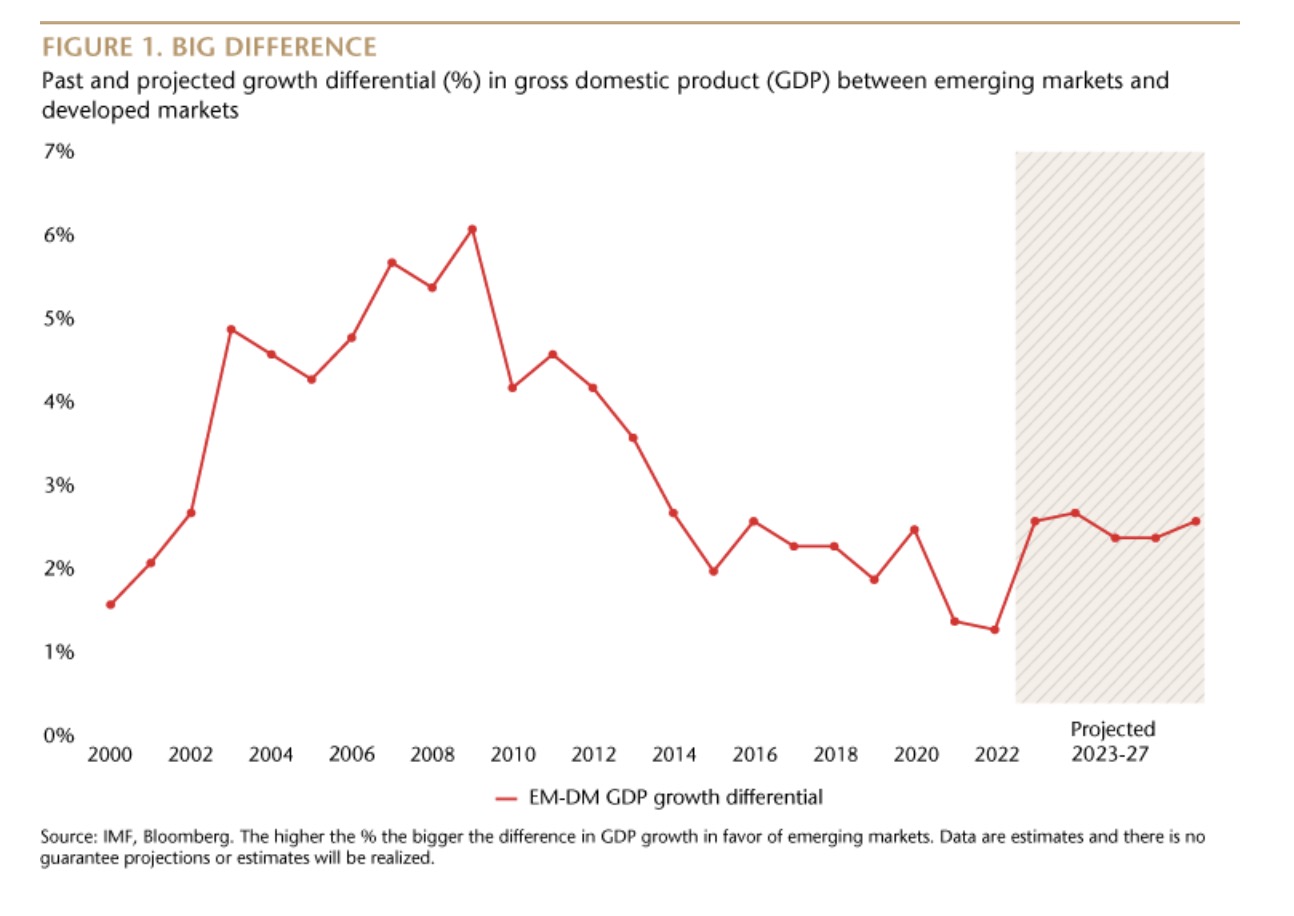
David Dali, head of portfolio strategy, explains how emerging markets can give investors ballast to navigate macro headwinds and position portfolios for growth.
U.S. stocks are choppy in pre-market trading on the heels of yesterday's drop ahead of tomorrow's comments from Fed Chairman Jerome Powell.
Doug Drabik discusses fixed income market conditions and offers insight for bond investors.
As Europe struggles with war, costly energy, record inflation and slowing growth, it’s no surprise that European corporate credit is out of favor.
There are many ways to decompose the bond market to identify the component pieces to infer what the market is pricing in.
We believe private credit is an attractive investment with greater market coverage and a timely opportunity to benefit from the scarcity of fresh capital.
Doll’s Deliberations this week summarizes some short-term expectations and some longer-term issues.
In this year’s global economic crisis, no two regions are having identical experiences. While inflation rages across much of the world, price rises have been more moderate in some countries than others. Similarly, the scale of rate hikes and the degree of recession fears aren’t uniform.
It’s that special time of the year, and we will all hear and read a great deal about Black Friday, Thanksgiving Weekend, and Cyber Monday during the next few days. Many pundits are going to make sweeping conclusions about the economy based on these very limited reports.
There’s a big “open secret” in Silicon Valley that’s spreading, one that has already reached three-fourths of FANG. But the market has yet to recognize its impact on one remaining company.
Following the weaker-than-expected October inflation report, stocks surged on hopes the Fed will “pivot” sooner than later. As we discussed recently, a “policy pivot” is not necessarily bullish but instead suggests more bearish market action will come first.
Technology megatrends transform society, and there is a hugely significant fourth wave on the horizon.
The global economy’s dire and deteriorating prospects, together with the scale of the climate challenge, have apparently opened world leaders’ eyes to the risks that deglobalization poses. But it remains to be seen whether this realization will be followed by the action needed to reverse course.
Everyone seems to be paying more attention to the cost of goods and services these days. But there is one cost that many investors pay without realizing it – the cost of taxes on their portfolios. Here's why this cost matters and what you can do to help your clients avoid it.
With the year winding down, investors might think they’ve seen it all. But one element of market dysfunction that’s largely flown under the radar is increased friction within the US Treasury market. Treasuries are experiencing a liquidity decline on the back of economic uncertainty and higher volatility, with large blocks of government debt increasingly hard to trade.
This week, around my trip to a far-too-cold Denver, then to Dallas, and ultimately Tulsa to spend the Thanksgiving holiday with family, Keith and I did a 45-minute "interview" via Zoom. Less an interview, perhaps, than the two old friends catching up. I was surprised how many topics Keith and I aligned on perfectly, though our few disagreements about what comes next made for a great debate.
Americans who work remotely, either full-time or part-time, can save between $2,000 and $7,000 in transportation and work-related costs. They can also gain back the equivalent of two to three weeks per year in commuting time.
With a storyline full of celebrities, politicians, sex, and drugs, the future looks bright for producers of feature films and documentaries about the astonishing collapse of FTX.
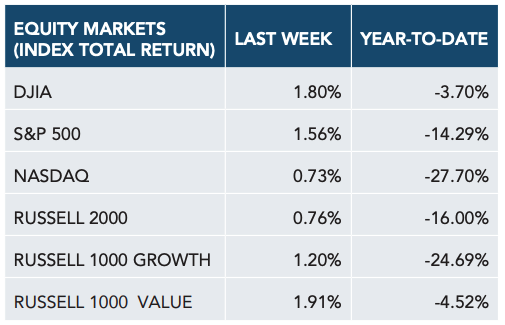
U.S. equities are mixed in pre-market trading, but the markets are on track to post weekly gains for the holiday-shortened week.
Vivek Tanneeru, portfolio manager, sees structural and cyclical tailwinds converging for emerging markets equities.
In one of the most challenging years for markets, 2022 brought persistently high inflation, aggressive central bank tightening and heightened geopolitical risks, leaving investors with few places to hide.
Franklin Templeton recently hosted an investment forum in Singapore, and much of the dialog pointed to a growing gap in growth outlook emerging between Asia and the West.
Inflation has spread to our holiday celebrations.
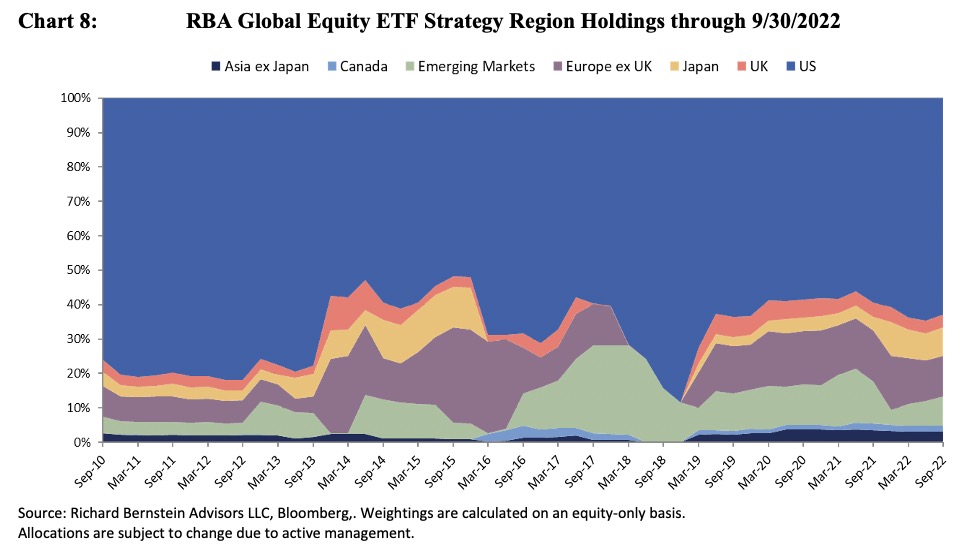
One of the reasons we formed RBA in 2009 was we thought the US was entering perhaps the biggest bull market of our careers.
Oil prices swung down and right back up in Monday’s session among reports that OPEC+ was considering an output increase.
Is a “hard landing” coming, economically speaking, as the Fed continues its most aggressive rate hike campaign in 40 years?
A high level Fed official warned last Thursday that the Fed Funds rate might have to go to 5%-7% to get inflation under control.
Yes, inflation is peaking.
GMO has published a new 7-Year Asset Class Forecast.
U.S. equities are rising, although no notable directional drivers seem to be in play amid the holiday-shortened week, with the markets closed on Thursday for Thanksgiving and trading in a half day on Friday.
China is still far from open for business as usual.
The US has had 12 recessions since 1945. Chief Economist Brian Horrigan contemplates the potential for unlucky #13.
And up and down.
The Wall Street Journal reported last week that the National Association of Home Builders’ (NAHB) sentiment about the future was 33% and at its lowest since 2012.
We will forever believe that locking down the economy for COVID-19 was a massive mistake. There is virtually no evidence that death rates were lowered by government mandates and lockdowns.
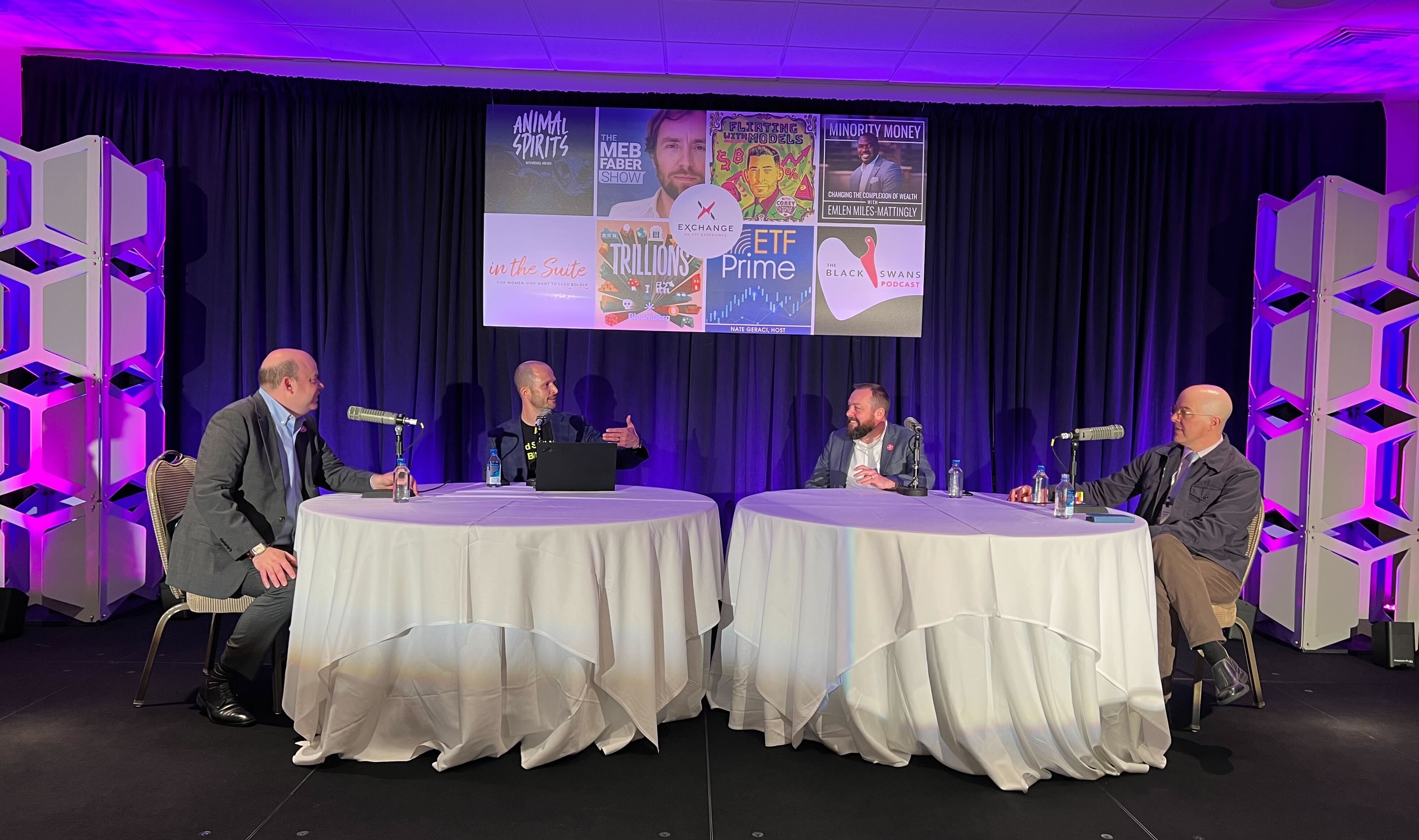
It’s close. Exchange is only a few months away. With the financial community gearing up to descend on the Fontainebleau in Miami, Florida, February 5th through February 8th for the largest advisor-centric event in the country, advisors have a rare opportunity to mesh minds with the most creative people in financial management, fintech, and investing.
Believe it or not, 2022 is almost over. That means it’s time to start thinking about end-of-year tax planning strategies…
A split government will limit aggressive agendas and progress on important longer-term issues.
With the midterm elections behind us, does the market outlook improve given a now gridlocked Congress? Historically speaking, such is the case.
For years leading up to the pandemic, low inflation and stable growth created a favorable environment for investors that supported sustained periods of robust stock and bond returns. With inflation virtually non-existent, economic downturns were met with monetary and fiscal stimulus that provided a backstop for financial markets.
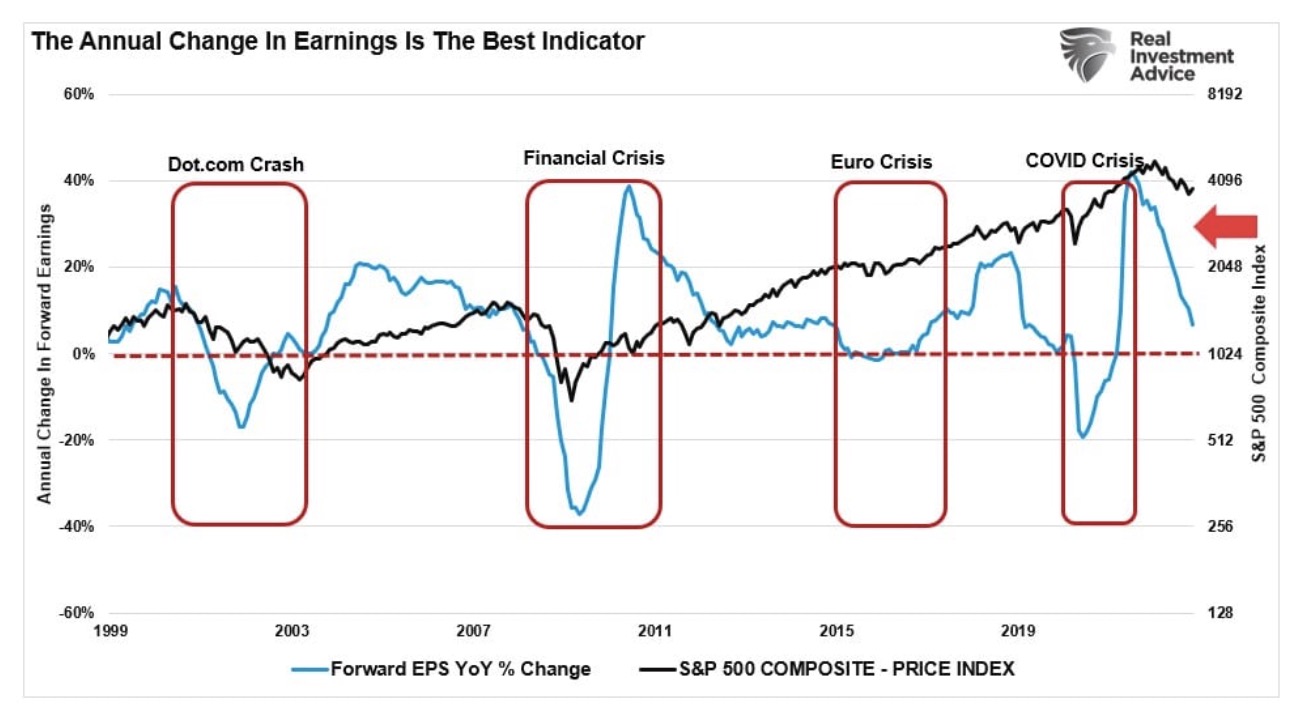
As warning signs for the economy mount, investors are cheering for more bad news. That's because they expect economic weakness will force the Federal Reserve to stop raising interest rates and eventually re-embrace loose monetary policy.
A split U.S. Congress in 2023 will likely limit fiscal policy, but could be positive for equity markets.
Despite stubbornly high inflation and recessionary fears, spending by consumers may not slow down as we approach the busy holiday shopping season.
Two aspects of the financial markets operate simultaneously. Emphatically, they do not operate alternately, but simultaneously. One aspect is driven entirely by arithmetic. Every security is a claim to some long-term stream of cash flows that will be delivered to the holder, or series of holders, over time.
As we approach Thanksgiving, it’s the perfect time to reflect on all we are grateful for. From an investor’s perspective, this year’s bear market will certainly not make this list. But even though it has been a challenging year performance-wise, we still believe that investors have a cornucopia of economic and financial market blessings to count!
Is globalization truly dead? Stephen Dover, head of Franklin Templeton Institute, explores what drives globalization, whether we are currently in a “de-globalization” wave—and what it means for investors.
Financial crises are really about trust. They tend to occur when people lose trust in assets, institutions, or people they had thought trustworthy. Whether the lost trust was a consequence of the crisis, or its cause is a different question. But they do seem to go together.
Our annual ESG manager survey of active managers assesses the integration of ESG considerations in investment processes among equity, fixed income and private markets managers, and spotlights firmwide policies, use of data, engagement and integration.
Although off their Thursday lows, equity index prices closed lower yesterday.