Scott Minerd, Chairman of Guggenheim Investments and Guggenheim Partners Global CIO joins Bloomberg TV on Fed Day to discuss the Fed’s 75 basis point hike, and signs that the economy is already in recession.
Much has been made of the market’s relationship with the Fed in recent months.
We apply five levels of customization to four developed-market equity strategies to quantify the impact of customization (or direct indexing).
Exceptional circumstances roiled the loan market in the first half. It's impossible to say what will happen next, but the loan market's floating-rate feature could offer value in multiple scenarios versus other fixed income assets.
This week, economic and market news was projected to be bad, and the results came in even worse than projections.
The Federal Reserve raised short-term interest rates by three-quarters of a percentage point (75 basis points) on Wednesday.
The longstanding argument that go-go Keynesian fiscal stimulus is the answer to every imaginable economic shock has been exposed as bankrupt.
Oil execs are walking on eggshells.
Alastair Reynolds, Portfolio Manager at Martin Currie, discusses the opportunities for investors who look at high quality, sustainable growth companies in emerging markets.
The availability of goods and cost of shipping are improving.
No recession.
Our last update was on the 13th of July.
So did the U.S. just enter a recession? It depends on who you ask.
While it’s likely we are already in an as-yet-undeclared recession, it’s a very weird one if so. I have lived through quite a few of them and I don’t recall any other recession coinciding with record-low unemployment, plentiful job openings, and jammed airports.
Municipal bond issuers are often linked to tangible, physical assets directly exposed to the effects of climate change.
Can a weakening yen (JPY) continue to bolster Japanese equity markets?
The U.S. has experienced another quarter of reduced output, in the face of high inflation and rising interest rates.
As I said so many times, although you can learn a great deal from the past, you can only invest for the future.
It’s one of Warren Buffett’s best-known sayings: “Be fearful when others are greedy and greedy when others are fearful”.
I recently was asked by Patrick Schotanus of Edinburgh Business School to participate in their inaugural symposium on the subject of cognitive economics. The symposium took place at Panmure House, the final residence of the great economist Adam Smith, and the theme was the Market Mind Hypothesis (MMH), which Patrick developed.
ESG underperformance will be the strategy’s eventual undoing.
The Federal Reserve affirmed its commitment to price stability, hiking its policy rate 75 basis points again and signaling more tightening to come.
OneSpan makes digital authentication software for corporate cybersecurity.
The Fed’s mandate is for stable prices and maximum employment.
U.S. stocks are trading higher as the Street is reacting positively to softer-than-expected earnings results from some key companies.
Since the COVID low in US Treasury rates and subsequent rise, the Japanese Yen has tracked the yield differential between the US and Japan.
In downward trending markets as we have seen for much of 2022, it is important to distinguish price declines which may present similarly.
There’s a saying on Wall Street referring to the stock market that “all correlations go to one in a crisis.”
What do sports cards have in common with exchange-traded funds?
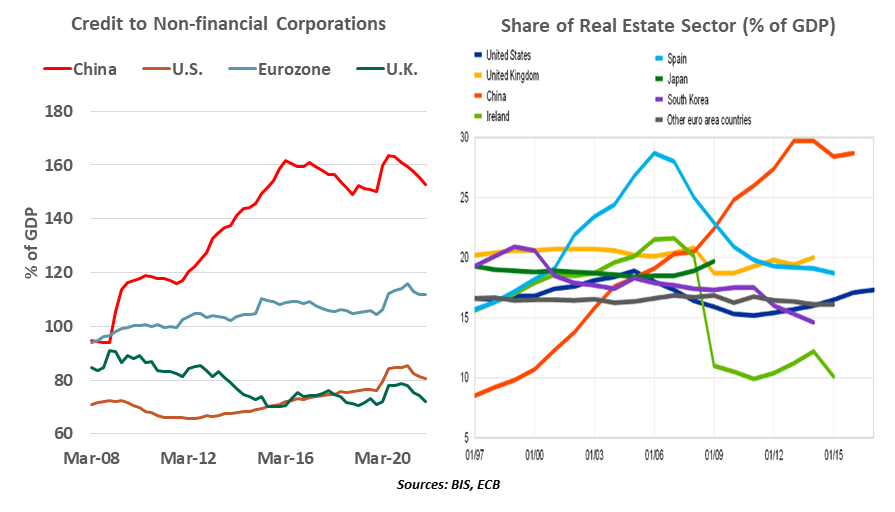
New signs of stress are evident in China's property market.
We are getting questioned constantly on how long this bear market in U.S. stocks will continue.
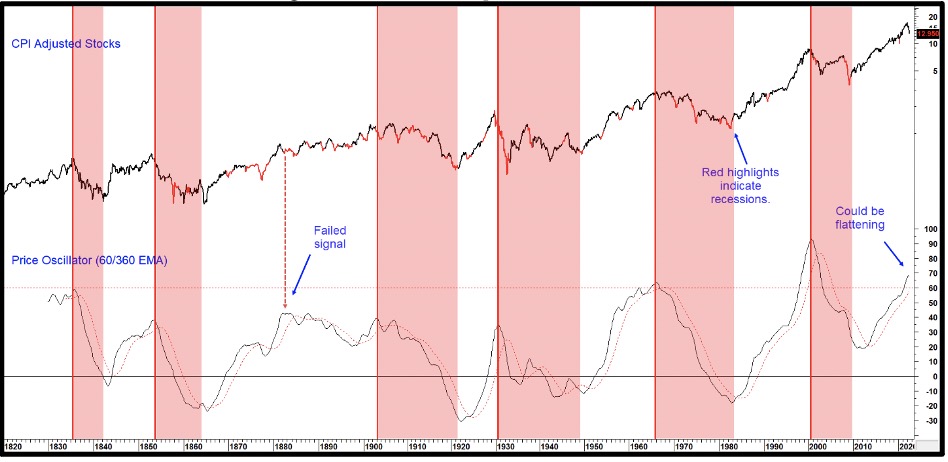
Growing Evidence the Secular Trend in Stock Prices May be Reversing! We can’t be sure that the equity secular bull market for stocks is over, but it’s quite apparent that several reliable indicators are moving in that direction. Many others are on the brink of a sell signal.
Howard Marks’s latest memo argues that investors seeking superior performance must have the courage to depart from the pack, even though doing so means accepting the risk of being wrong. Thinking differently and better than others is key to outperformance, he explains, because in investing, it’s not enough to be right.
U.S. equities finished higher last week (S&P 500 +2.6%) as Treasury yields fell and growth nicely outperformed value. 2Q earnings are coming in less bad than feared.
Second-quarter earnings growth will mark an expected deceleration in profits, but focus will likely continue to shift to the pace at which outlooks are downgraded.
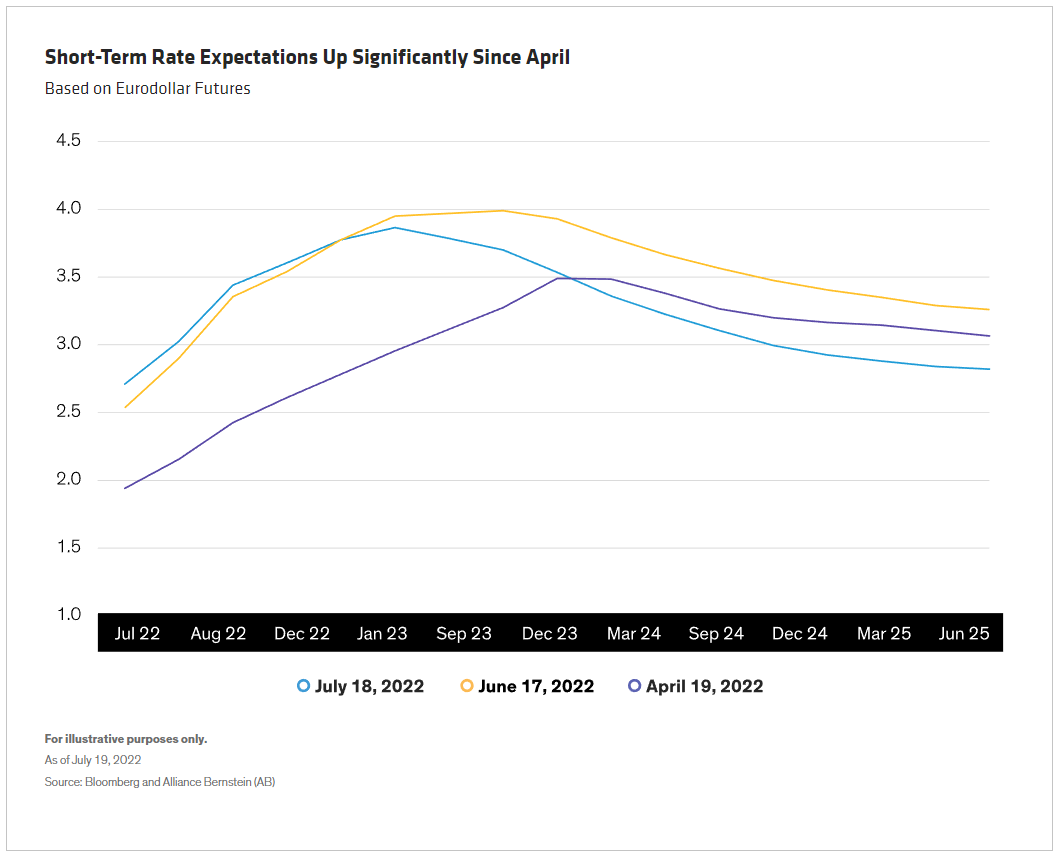
We believe that the Fed is going to increase the federal funds rate by 75 bps.
Renewed growth in China’s manufacturing activity, coupled with softening developed market demand, should ease some supply-side pressures – but several other inflation risks remain prevalent.
A challenging period for Japanese growth stocks may present a unique entry point for long-term investors.
Inflationary pressures from the COVID-19 crisis have been compounded by the surge in commodities prices sparked by the Russia-Ukraine war. In the US, the Consumer Price Index hit 9.1% year over year in June—its highest since 1982. In fact, most major economies are dealing with inflation highs not seen in decades.
On the latest edition of Market Week in Review, Chief Investment Strategist for North America, Paul Eitelman, and Research Analyst Laura Bardewyck reviewed early results from second-quarter earnings season.
Infrastructure has recently seen increased attention as broad equities have been weaker in 2022 due to inflation, rising interest rates, global supply chain disruptions from COVID-19 and the war in Ukraine.
Since the VPCI W bottom on June 21st, the bulls have taken short term control of the market.
Healthcare has long been considered one of the most reliable defensive sectors—an effective portfolio buffer when equity markets turn volatile.
To many investors, this week’s GDP report is more important than usual.
It’s been a rough couple of months for copper.
What drove the U.S. dollar's surge, and can it last?
Attracting international investors and securing new trade partnerships while a country is involved in an internal armed conflict is very challenging.
MMT Policy (Modern Monetary Theory), the grand experiment, was tried following the pandemic-driven shutdown of the economy.
Our last two quarterly letters conveyed a cautious attitude regarding both the economy and financial markets. The cautious season persists this quarter.