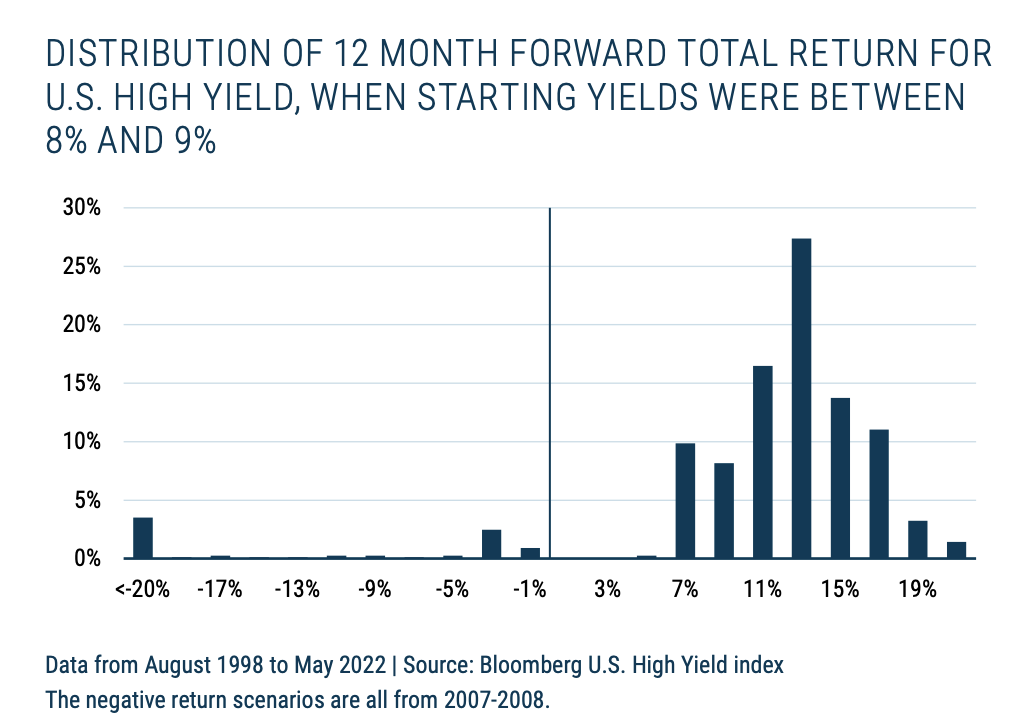
The yield of the U.S. high yield (HY) market, currently at 8.4%, has risen by over 420 basis points since the start of the year.
Lifetime income solutions are high on the wish lists of defined contribution (DC) plan participants, with the certainty of a guaranteed lifetime income stream ranking as the top feature in our surveys over the past decade.
The terminology ‘Frontier Markets’ inspires images of exotic geographies, colourful politics and investor adventurism.
We became bullish about stocks once mark-to market accounting was fixed in March 2009.
Given year-to-date fixed income returns, one would be forgiven if they never wanted to own the asset class again. Such a view, however, could prove costly as, for the first time in a year, areas of the market are starting to look attractive.
The world needs a stronger World Trade Organization.
An “economic hurricane” is coming.
Crypto meltdowns. Tech implosions. The biggest rate hike in decades.
The Fed raised interest rates by 75 basis points in its June policy meeting, acknowledging continued upside surprises on inflation, inflation expectations and wage growth.
Stocks struggled again this past week with the S&P 500 falling -5.79% for the week and the S&P 500 has now lost ground in 10 of the last 11 weeks, falling -19.16%, which is very unusual.
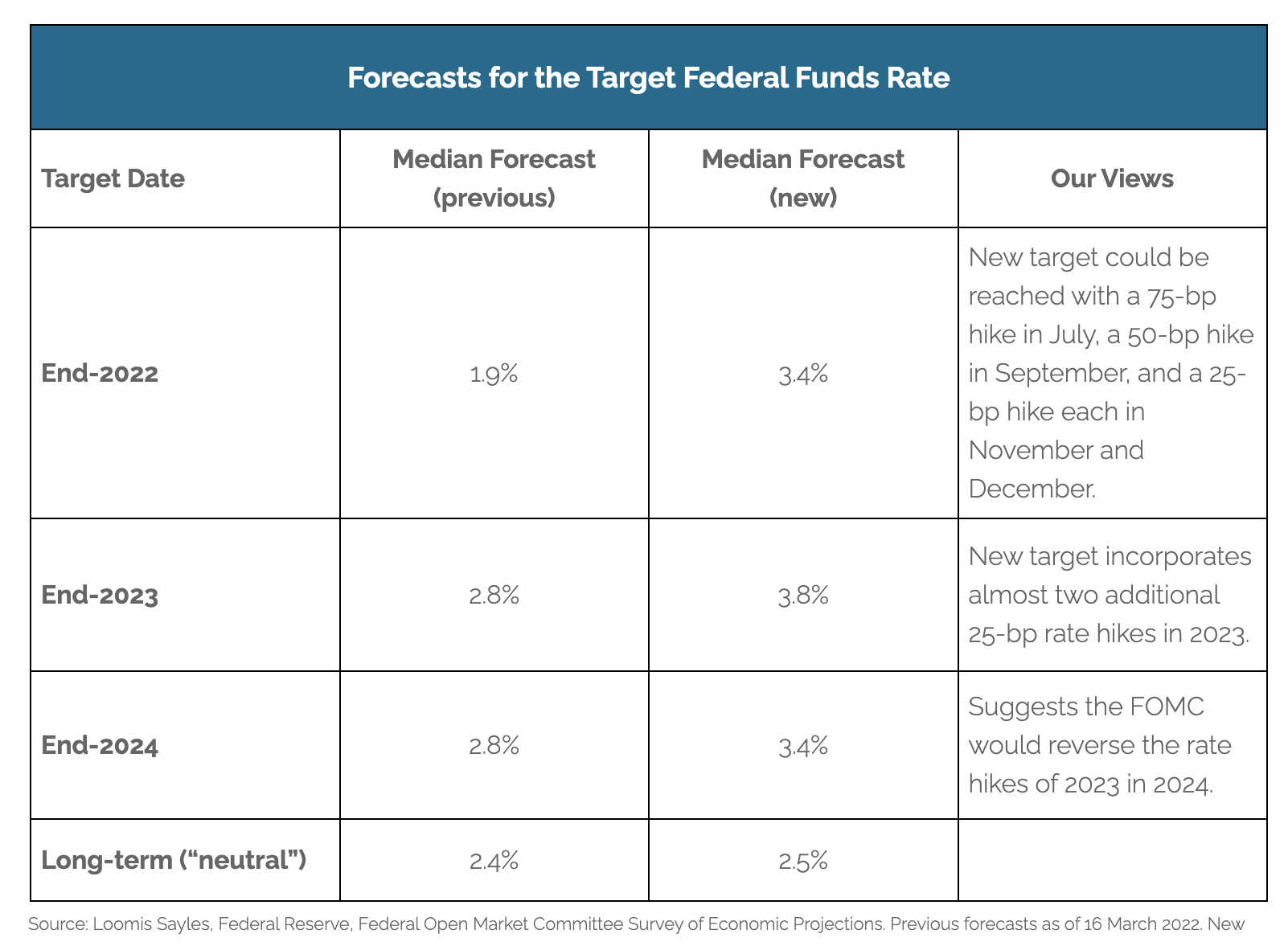
The Federal Open Market Committee’s announcement of a 75-basis-point (bp) rate hike on June 15 revealed a shift in the Fed’s thinking.
How high do interest rates have to go to control inflation?
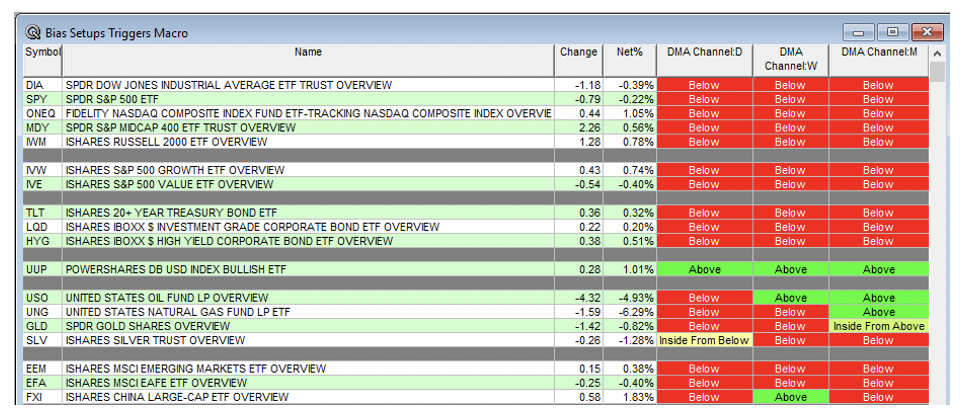
The yellow metal has managed to stay positive since the start of the year, skirting pressure from surging yields and a strong U.S. dollar. Meanwhile, nearly every other asset class has fallen into either correction or bear market territory.
Today we’ll look at some evidence this period could even be worse than the 1970s. Then we’ll read the mea culpa regrets of someone who had a big part in that drama.
Japan has been stuck in a low growth, low inflation (and at times, deflationary) environment.
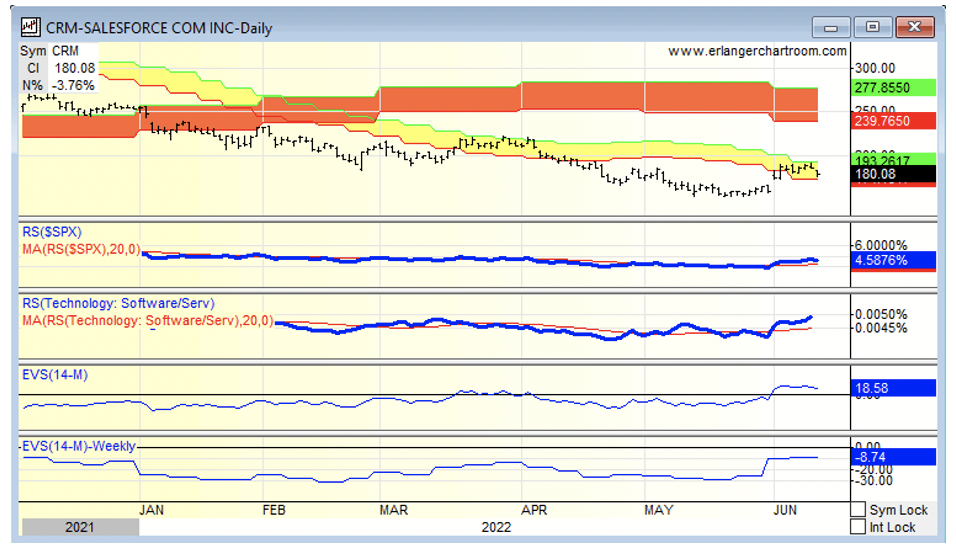
Last week we wrote about using Stochastics with moving averages to help on the selection of stocks either as new sell or buy ideas.
US dollar cycles last an average of six to nine years, and we are approaching the tenth year of this dollar bull market.
We hit a milestone just recently, although it’s certainly not one we wanted to hit.
Leo Tolstoy’s Anna Karenina opens with one of the most famous lines in world literature: “All happy families are alike, but every unhappy family is unhappy in its own way.”
Investors are terrified.
The Federal Reserve raised rates by three-quarters of a percentage point (75 basis points) today, the most at any meeting since 1994 and exactly the move Chairman Jerome Powell was dismissive about in early May after the last meeting.
Though we are seeing the makings of some favourable readings in many on-chain, derivatives, technical and sentiment indicators, the macro and liquidity environment moving forward remain a significant headwind for crypto assets.
Mexico was the best-performing Latin American market in 2021 and our recent trip reinforced the reasons to remain bullish.
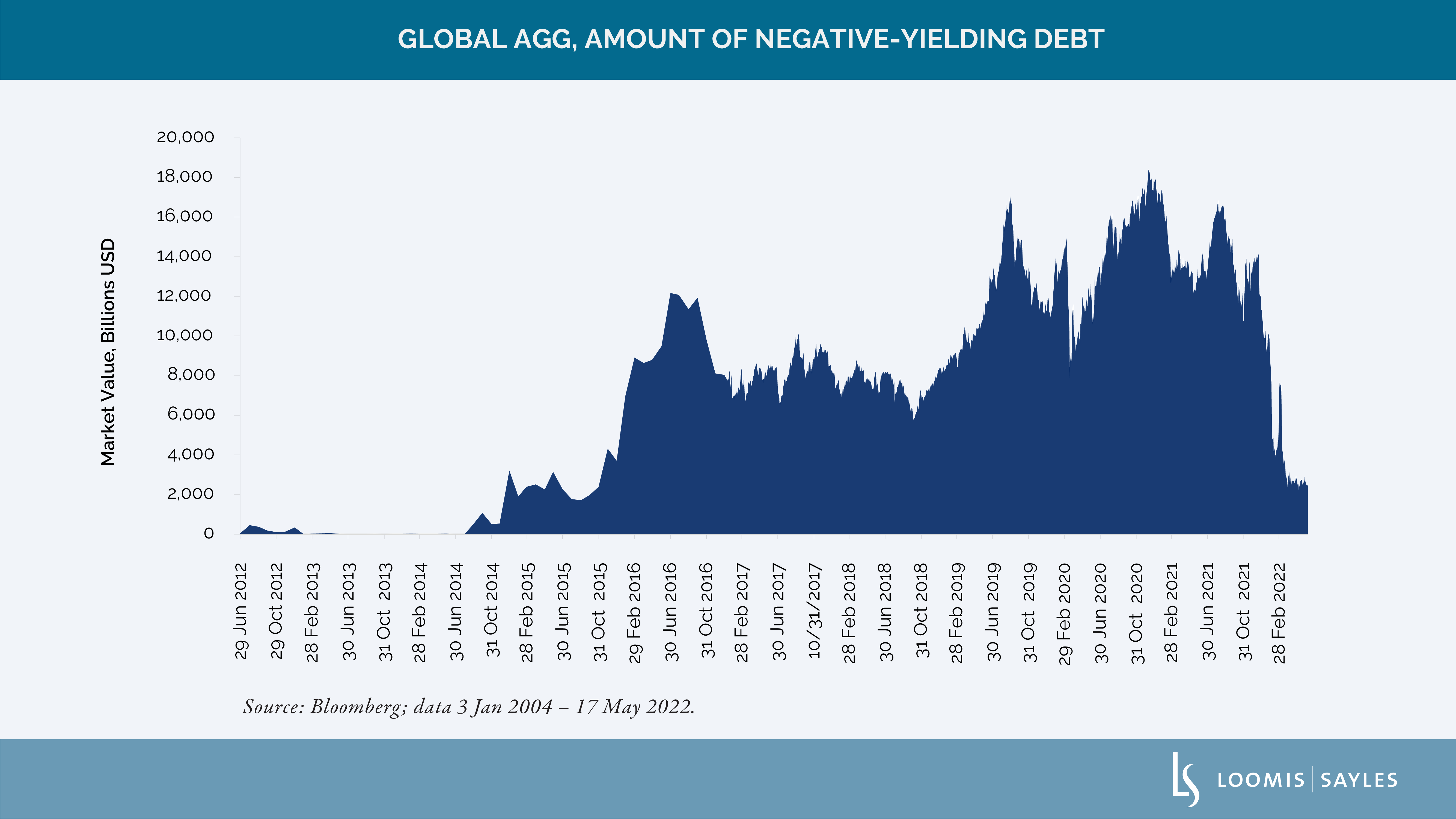
A historic shift in central bank policy is currently underway. The implications of this change are likely to be varied and in some instances substantial.
I often say that it is a market of stocks and not a stock market.
Late last year, investors who were clinging to the hope that inflation might be temporary took solace in the fact that real Treasury yields remained negative, a sign that bond investors might not be that worried about inflation.
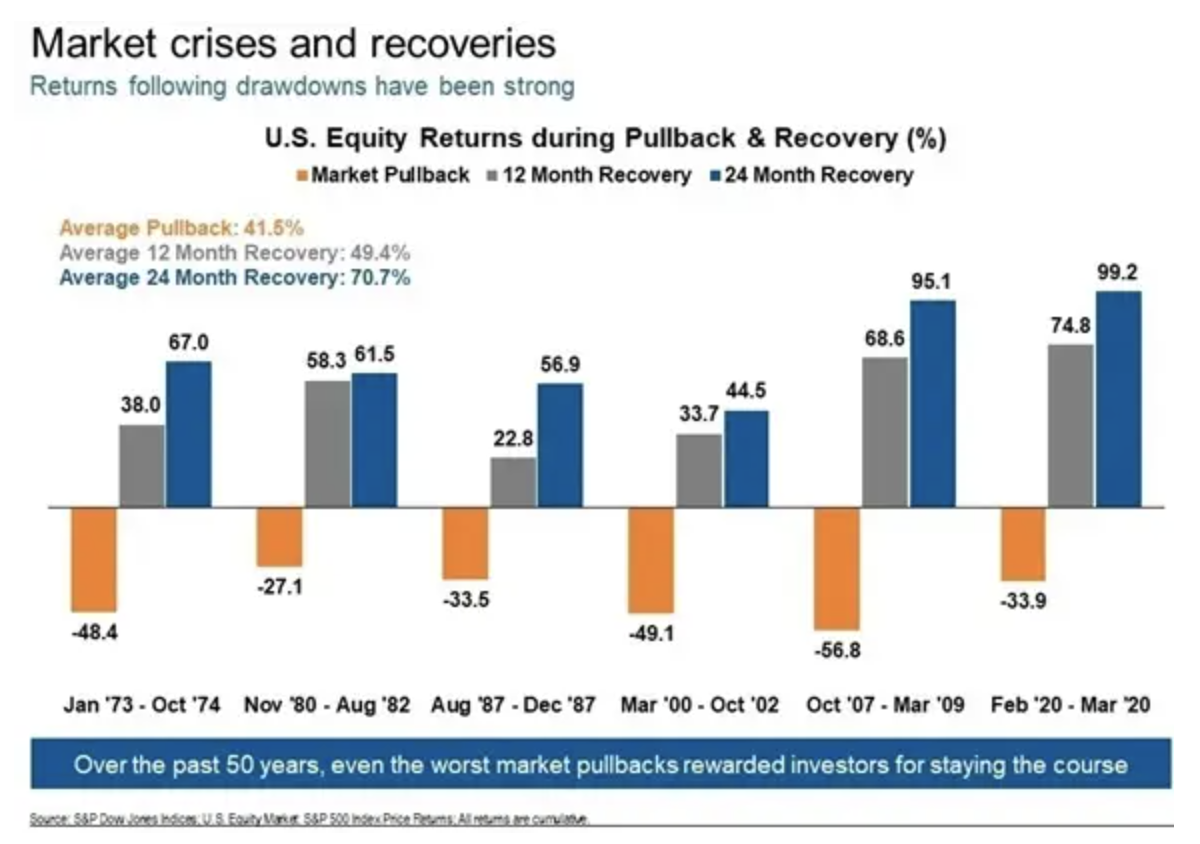
After months of hand-wringing, U.S. indexes are now in bear-market territory across the board, down 20% from their most recent highs.
Over the last year, we’ve experienced heightened macroeconomic uncertainty with several events impacting society and financial markets.
With stocks down around 20% year-to-date, it is important for investors to know what kind of bear they are dealing with.
The Stochastic Oscillator (Stochastics) is one of the commonly used technical indicators by market participants.
One of the most interesting aspects of the past decade has been the divergence in valuations between the USA and the rest of the world.
In our new piece from the Franklin Templeton Institute, we examine the challenge of feeding a growing global population in the midst of climate change, geopolitical shocks and uncertainty.
Review the latest Weekly Headings by CIO Larry Adam.
Rising inflation, rate hikes, supply-chain problems and the Russia-Ukraine war have contributed to growing recession fears.
Since the recession of 2008 in 2009, financial stocks in general have been trading at significantly lower valuations than normal.
Applying volatility benchmarks correctly is the key to effective portfolio management.
“This market has a 1929 like feeling....”
Persistent … or transitory? It’s the inflation question that has been weighing on financial markets over the last year. As each economic data point trickles out, it is analyzed and re-analyzed, with that focus in mind. But it may be the wrong question to ask.
Investors are worried.
Social Security has a problem.
The proliferation of semiconductors throughout our economy may drive more durable, less cyclical demand and earnings.
All eyes will be on the results of the Federal Reserve meeting on Wednesday when it announces how much it's going to raise short-term rates, its new projections for the economy and short-term rates for the next few years, as well as Chairman Powell's press conference.
In our third of three posts on small-cap valuations, let’s examine how focusing on dividend payers amid a volatile market backdrop has provided excess returns, with even lower valuations.
What will be the Fed's next steps after a rapid course correction?
Energy has been on quite a run.
We are treating this column like a running conversation with the reader.
There’s no way of knowing for certain whether a recession is imminent, but for many Americans, it’s sure starting to feel that way. According to Google, more people in the U.S. searched for the term “recession” than at any other time in the past two years.
Complaining about federal debt is a time-honored American tradition. Remember Ross Perot and his hockey-stick charts? Then there was Harry Figgie’s 1992 best-selling book, Bankruptcy 1995. It was quite a sensation at the time.
With National 529 Day last month and graduation season underway, the cost of education is at the top of many people’s minds.
This article is relevant to financial professionals who are considering offering model portfolios to their clients.