Higher yields, wider credit spreads, and other common market reference metrics suggest relative valuations for muni bonds have become attractive.
Investors often look for ways to enhance income, lower a portfolio’s overall expected volatility or even help manage taxable gains.
The major market indices finished mixed this week. The Dow Jones Industrial Average lost 0.63%. The S&P 500 Stock Index rose 0.40%, while the Nasdaq Composite fell 1.02%. The Russell 2000 small capitalization index lost 0.28% this week.
I borrowed this letter’s “Soft Now, Hard Later” headline from Dave Rosenberg. It was the title of his leadoff SIC presentation, for reasons I’ll explain.
Warren Buffett wasn’t kidding when he said, “nothing sedates rationality like large doses of effortless money.”
The nature of the economy is that there are always causes for concern in strong markets, just as there are reasons for optimism in weaker ones.
The U.S. economy contracted 1.4% in the first quarter, leading some investors and analysts to raise the specter of the dreaded “R” word: recession.
Today the Federal Open Market Committee raised the fed funds rate (upper bound) to 1% from 50bps.
April was a hard month for the markets.
Investor interest and participation in private markets continues to grow.
A bull market in bonds is set to return with a vengeance as the Fed once again makes a policy mistake.
As expected, the Federal Open Market Committee (FOMC) raised the fed funds rate by 50 basis points, to a range of 0.75% to 1.0%.
For one of the few times in history investors can invest in Starbucks stock (SBUX) on sale.
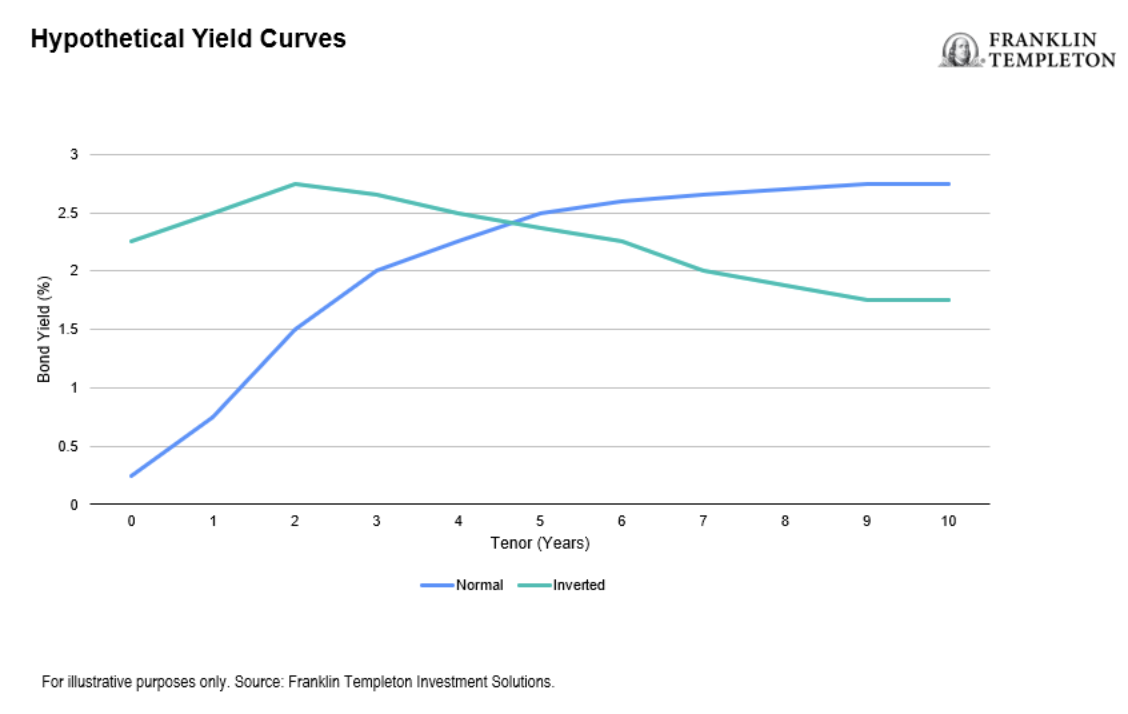
The US Treasury yield curve momentarily inverted.
"Transitory" is out, "expeditious" is in.
We assess risks and potential opportunities for multi-asset portfolios amid late-cycle dynamics, higher inflation, rising interest rates, and geopolitical uncertainty.
The US Federal Reserve certainly bears its share of responsibility for the great inflation of the 2020s.
In the first quarter of 2022, financial markets abruptly reversed course and volatility increased significantly.
It was quite a month.
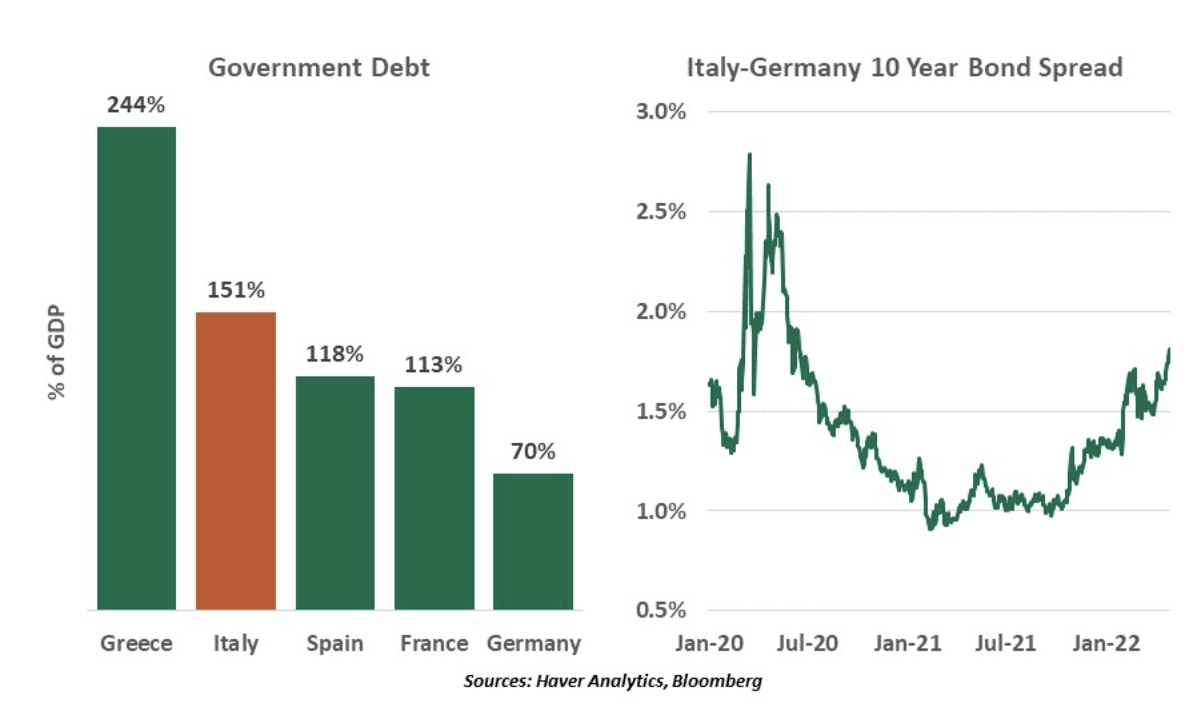
Draghi has put the Italian economy back on track, but challenges remain.
Stocks come in all sizes, shapes, and flavors. Nothing could illustrate that better than the 31 stocks you asked to see last week.
Many companies are rethinking supply chains amid disruptions from the war in Ukraine and the pandemic.
In 1980, when I came into the investment business, investors were very conscious of trading ranges that had existed the prior 16 years.
As of this writing, Russian forces are reorganizing in eastern Ukraine, and fighting is well into its second month. Supply chain disruptions continue, gas prices are reaching all-time highs, inflation has become a constant concern, and some analysts are predicting that the Fed will aggressively raise rates.
Franklin Mutual Series’ Katrina Dudley sees President Emmanuel Macron’s re-election as a positive for the French economy and regional equity markets over the longer term.
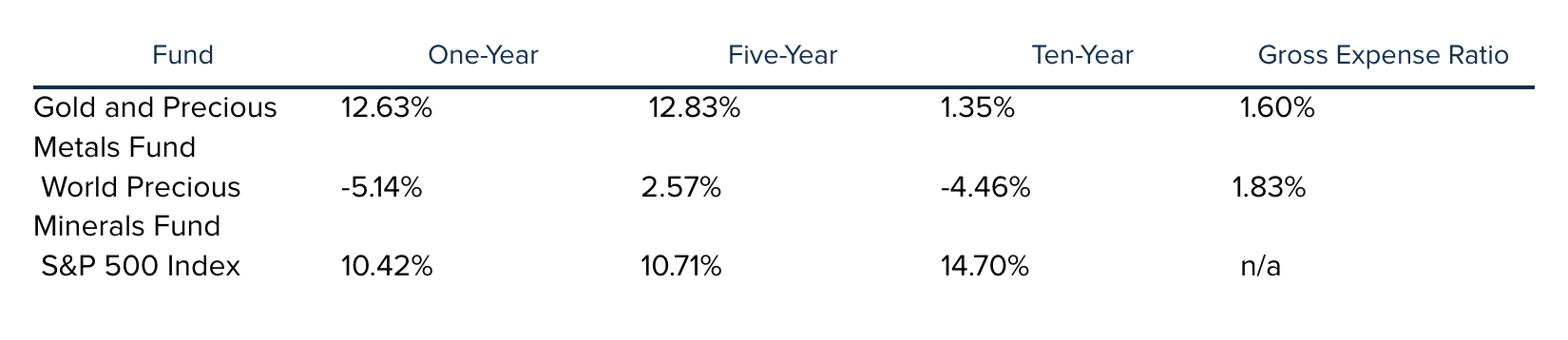
Is gold the answer?
Trillions of dollars of deficit spending financed by money creation over the past two years caused today’s soaring inflation.
Regular readers of WisdomTree blogs know that we are firm believers in both asset class and risk factor diversification when building our Model Portfolios.
Ultimately, inflation is always and everywhere a monetary phenomenon, as the late great economist Milton Friedman used to say.
Buying stocks is easy; the hard part is knowing when to sell.
Even though the medium-to-long term US Dollar fundamentals remain unimpressive, due to a combination of large external imbalances, a continuous dependence on foreign investors’ inflows and the weaponisation of the currency, the Dollar became the least bad currency in G4 since the beginning of the Ukraine war
The debt moratoria introduced early in the pandemic provided temporary relief for private borrowers, and may have limited the fallout of the economic disruption.
Drug abuse and long-haul COVID are obstacles to getting back to work.
As we inch closer and closer to what might be the end of the longest business cycle in history, investors everywhere are looking for a safe harbor in which to protect their assets.
The push-and-pull between centralization and decentralization is the great contest of our times. And decentralization is winning out.
My good friend Ben Hunt of Epsilon Theory has written what I think is one of his most powerful letters ever. He’s basically saying the Fed just isn’t going to make it. I wish I had written it. He is such a wordsmith. With that, let’s turn it over to Ben.
The most challenging financial event for investors in the coming decade will be the repricing of securities to valuations that imply adequate long-term returns, following more than a decade of reckless and intentional Fed-induced yield-seeking speculation.
Chief Economist Scott Brown discusses the latest market data.
Russia’s tragic invasion of Ukraine has layered on existing supply imbalances, causing geopolitical uncertainty and a global energy shock.
Environmental, social and governance (ESG) ratings are a popular way to search for companies that meet specific criteria in a responsible investing agenda.
Sensient is a leading global maker of colors, flavors and specialty ingredients for the cosmetic, food, and pharmaceutical industries.
In a market environment of low bond yields and record high equity valuations, it’s time to look beyond simple asset-class diversification. A covered call strategy could provide clients with potential for growth, income and downside protection.
Recession warnings are clearly on the rise. Much of the initial media fervor focuses on the inversion of the yield curve.
The Bank of Canada embarked on a swift tightening path, but secular forces still weigh on the longer-run interest rate outlook.
This post explains why we believe GARP Investing may be another powerful way to protect and grow capital amid a speculative frenzy that appears to be on its way out.
The risk of an imminent recession is low, but next year is anyone's guess.
Russ Koesterich, Managing Director and Portfolio Manager of the Global Allocation team, discusses the case for the cheaper segments of growth stocks.
With all eyes on earnings, Raymond James CIO Larry Adam stresses the importance of strong underlying fundamentals.
Our view is that the equity market is in a tug of war between a good earnings tailwind and a modest valuation headwind.
Sanctions on Russia’s foreign currency reserves will likely stymie the rise of the Chinese renminbi as a competitor to the U.S. dollar.