I have spent the better part of my career watching how organizations manage access to sensitive data — who has it, who should have it, and how long it takes anyone to notice when those two things stop matching. In financial services, that gap tends to be measured in months.
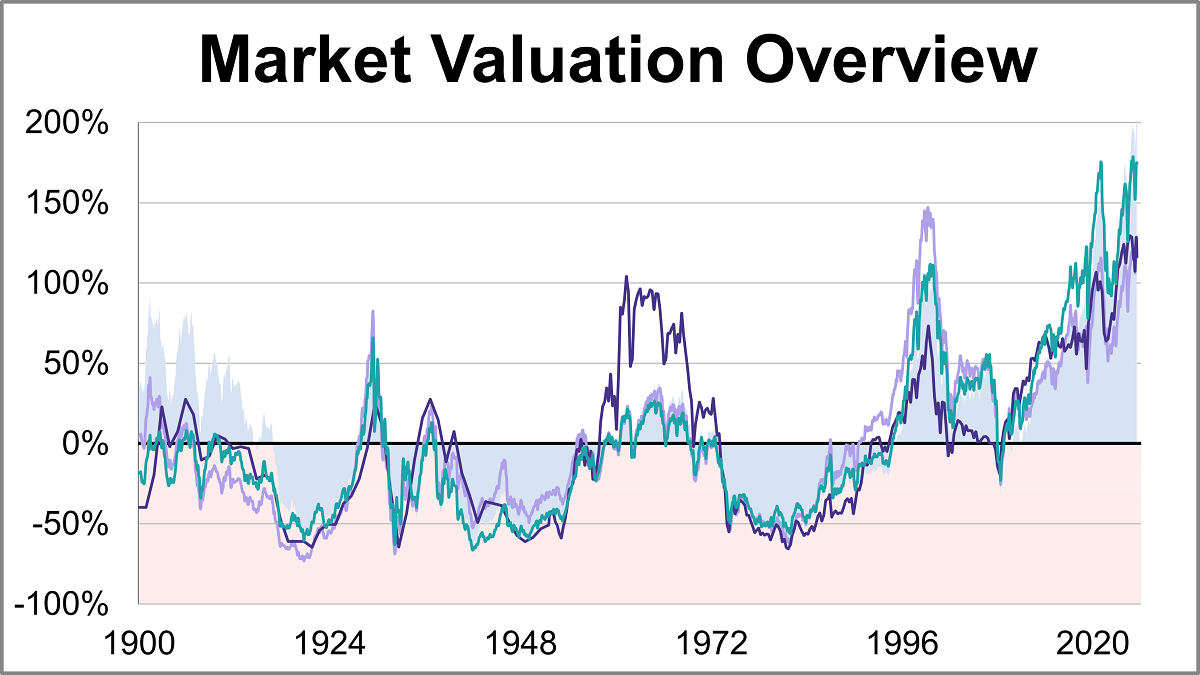
Here is a summary of the four market valuation indicators we update on a monthly basis.
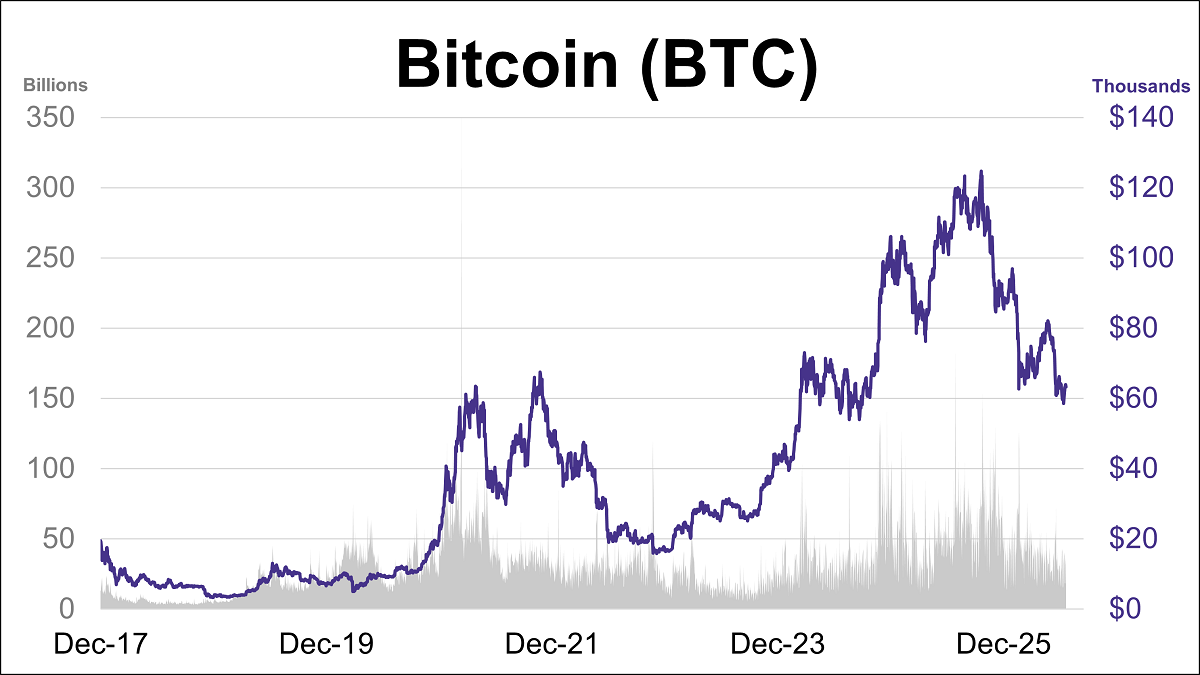
Bitcoin's closing price rebounded this week, rising over 8% to move back above $60,000. However, BTC is currently down approximately 28% year-to-date and sits about 49% below its October 2025 record high.
A wave of profit taking in the gold market has brought a three-year bull run to an end, but there’s little evidence yet that investors are putting on large-scale short positions in anticipation of further declines.
In 2003, the Pentagon’s Defense Advanced Research Projects Agency made a visionary attempt to use prediction markets for geopolitical forecasting. However, it created a huge controversy in Congress and was quickly killed.
During the June 30, 2026, World Cup round of 32 match between France and Sweden at the 82,500-capacity MetLife Stadium, the logistical scale of a global mega-event was on full display. Moving 80,663 fans safely through a sprawling transit corridor and securing a massive open-air venue demands complex engineering. Underpinning the operation is a capital-intensive ecosystem of physical AI, advanced sensors, and automation software.
Rising prices increase the value of collateral in every margin account, which automatically increases how much each investor can borrow under Reg T. Debt rises BECAUSE the market rose, not the reverse. That single fact is what breaks the ratios we’re about to examine, and it lies at the core of why margin debt risk is so often misjudged.
Fixed income transition costs are increasingly driven by what happens in credit markets. As credit trading becomes more efficient, the cost of transitioning fixed income portfolios is coming down, and how those transitions are executed is changing too.
It feels like gold has tanked this year, but the yellow metal was only down about 7 percent through the first six months of 2026. The sharp price rally to kick off the year exacerbated the scope of the ensuing correction. Gold is down about 28 percent from its record highs.
AI may reshape the labor market in ways that are difficult to predict, and it won’t be the first time this has happened. In the short term, the labor market appears to have stabilized and there are some early signs of acceleration.
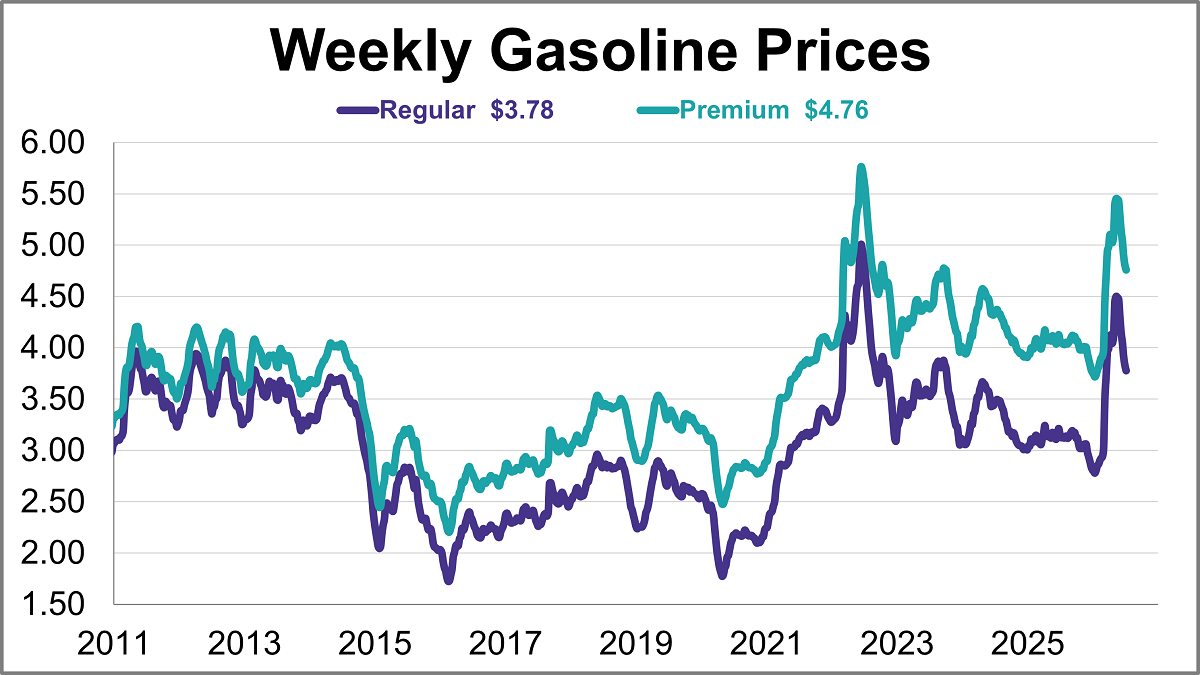
Gasoline prices fell for an eighth straight week, reaching their lowest level in nearly four months. As of July 6th, weekly prices were down 5 cents for regular and premium gasoline.
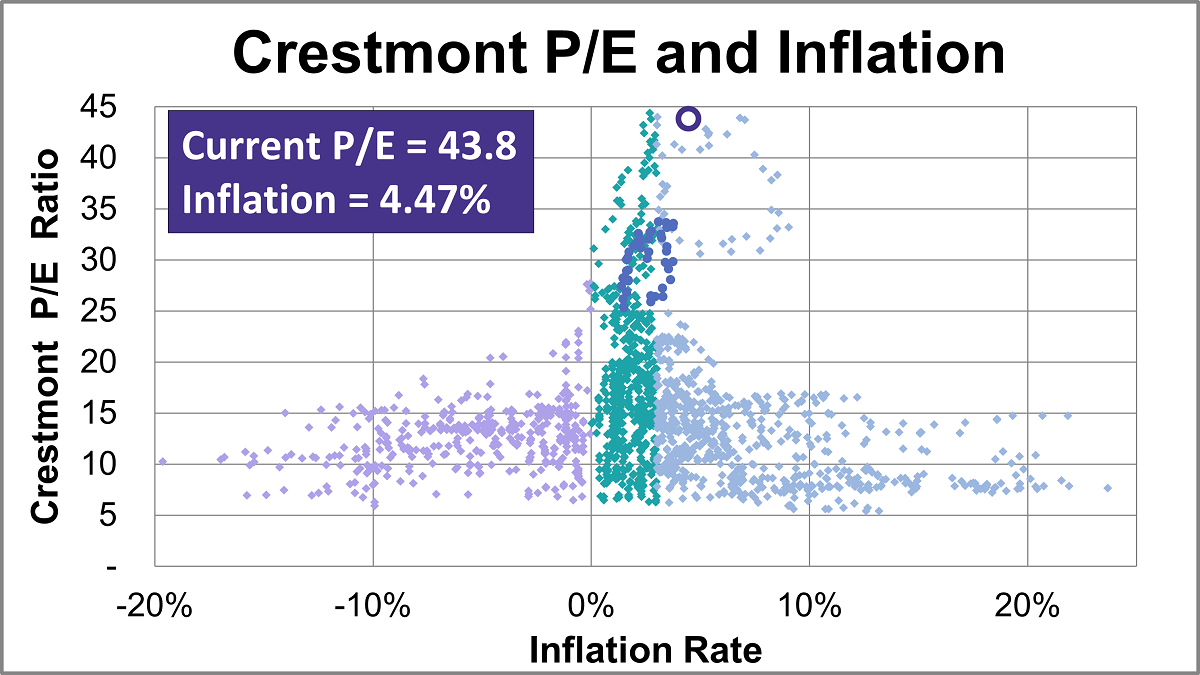
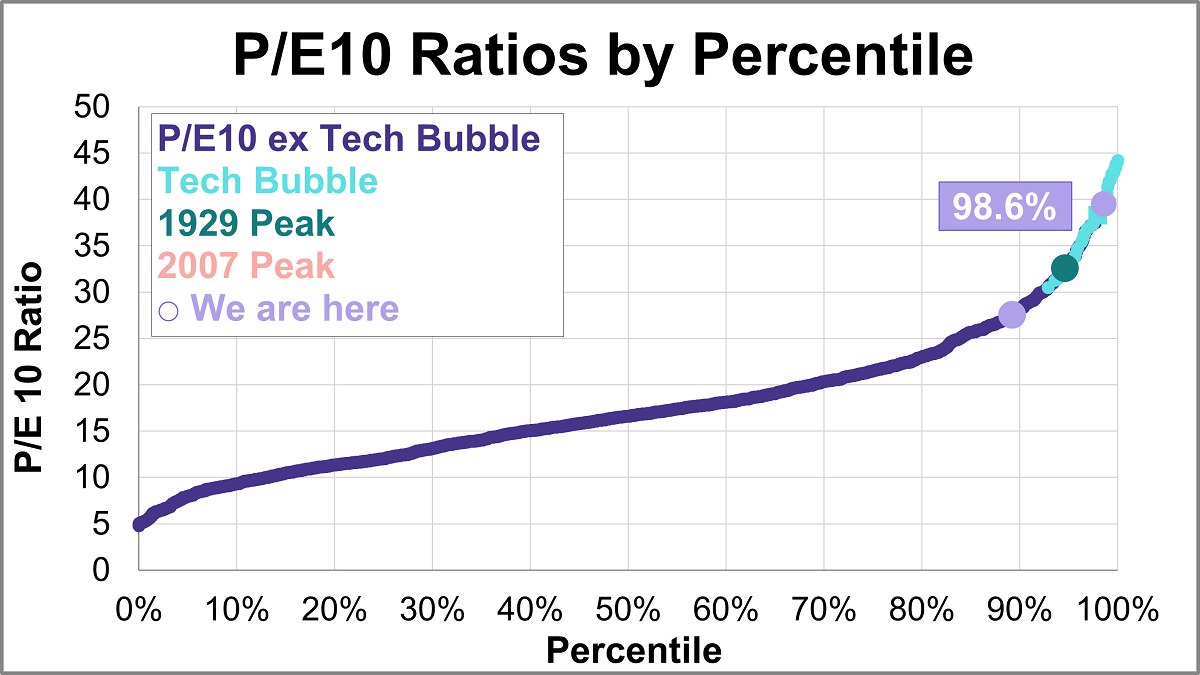
Based on June's S&P 500 average of daily closes, the Crestmont P/E of 43.8 is 185% above its arithmetic mean, 212% above its geometric mean, and is in the 100th percentile of this 14-plus-decade series.
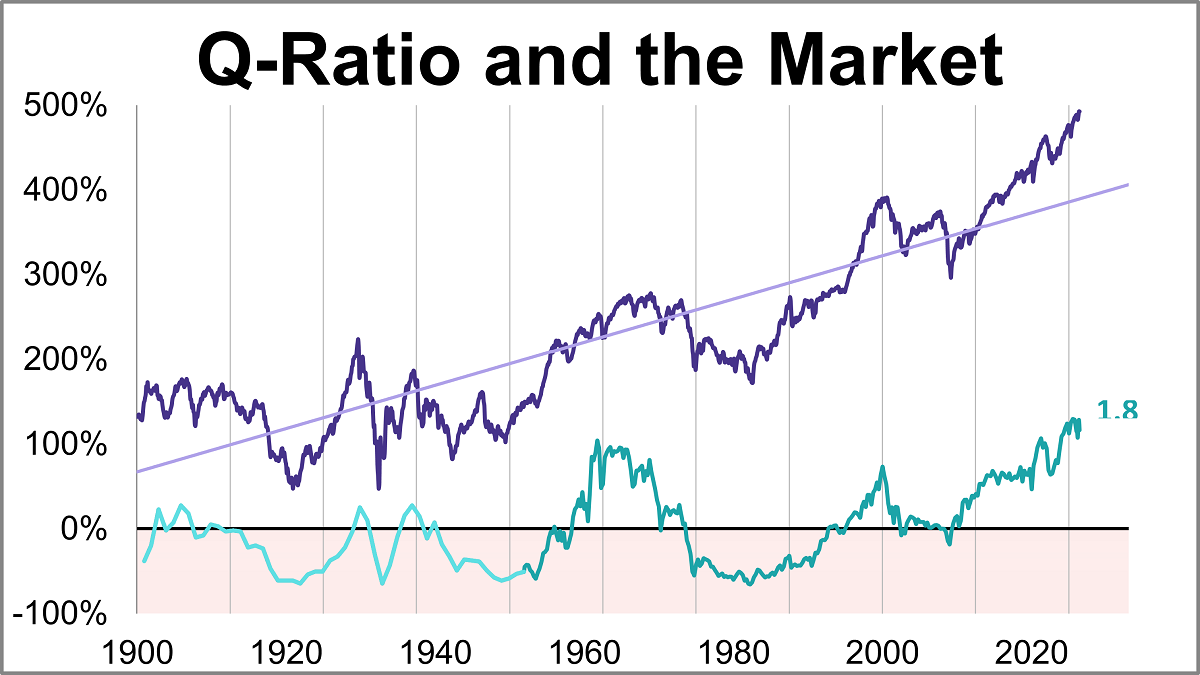
The Q Ratio is the total price of the market divided by the replacement cost of all its companies. As of June 2026, the latest Q-ratio is at 1.83.
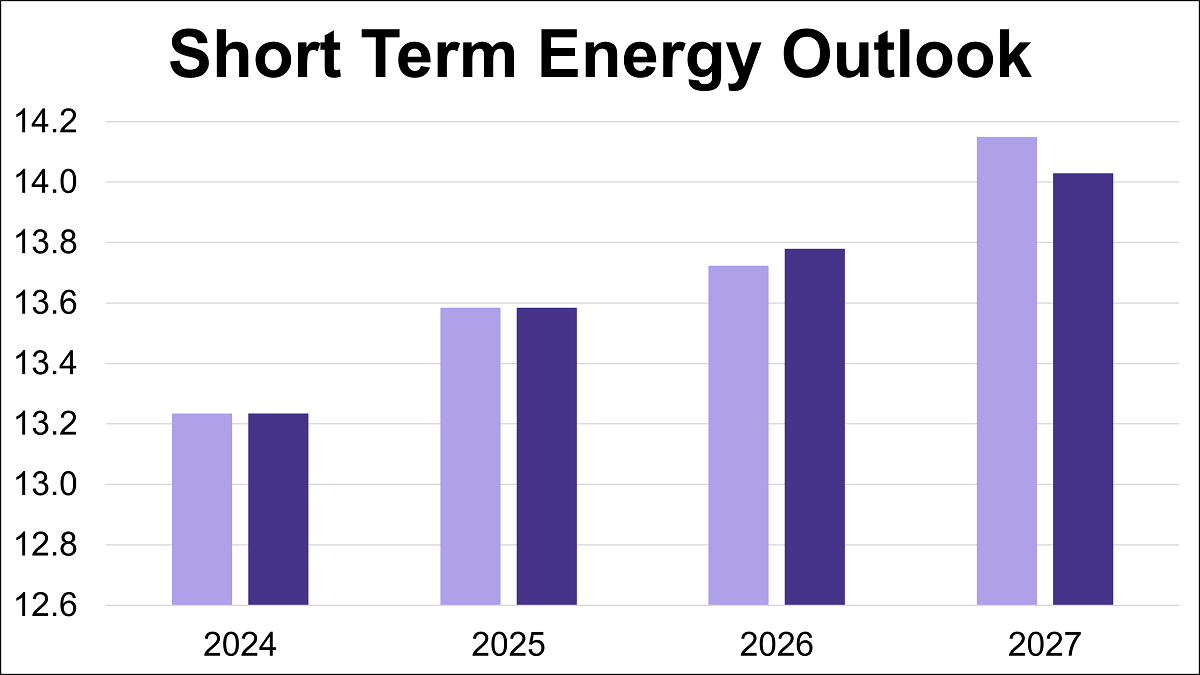
The U.S. Energy Information Administration (EIA) has released its latest Short-Term Energy Outlook (STEO), providing forecasts for energy markets. This article presents the annual production outlooks for crude oil, natural gas, and natural gas liquids (NGLs), comparing the July 2026 projections against the previous month's estimates.
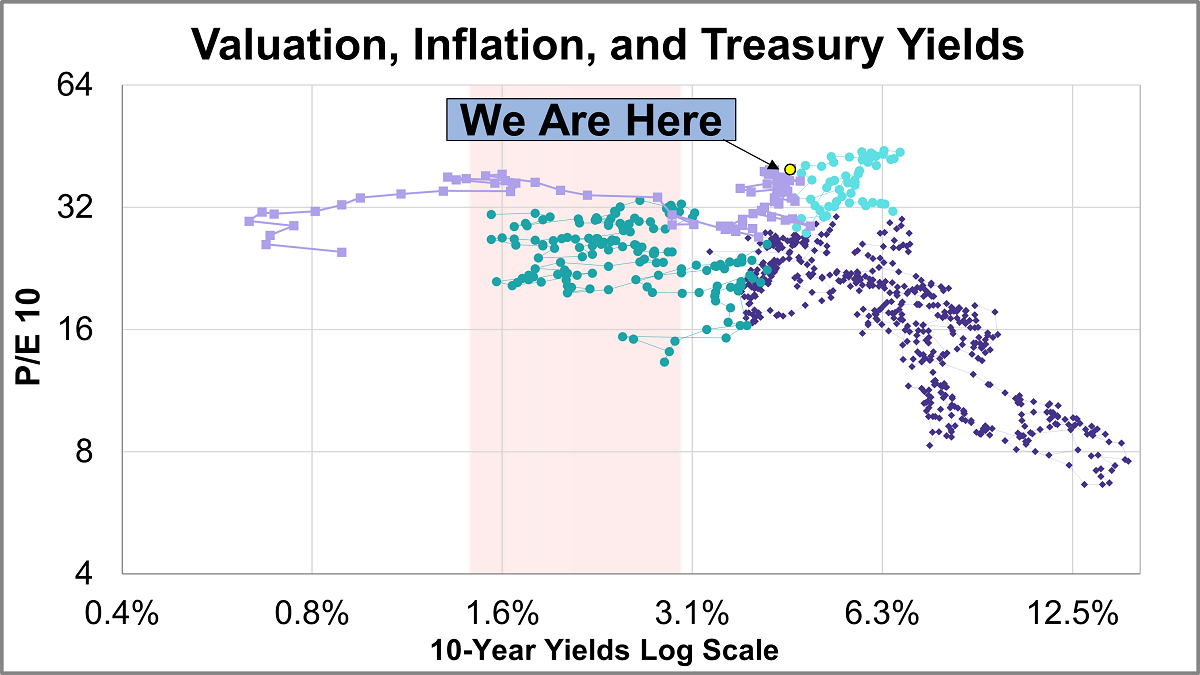
Our monthly market valuation updates have long had the same conclusion: US stock indexes are significantly overvalued, which suggests cautious expectations for investment returns. This analysis focuses on the P/E10 ratio, key indicator of market valuation, and its correlation with inflation and the 10-year Treasury yield.
Here is the latest update of a popular market valuation method, Price-to-Earnings (P/E) ratio, using the most recent Standard & Poor's "as reported" earnings and earnings estimates, and the index monthly average of daily closes for the past month. The latest trailing twelve months (TTM) P/E ratio is 25.3 and the latest P/E10 ratio is 39.5.
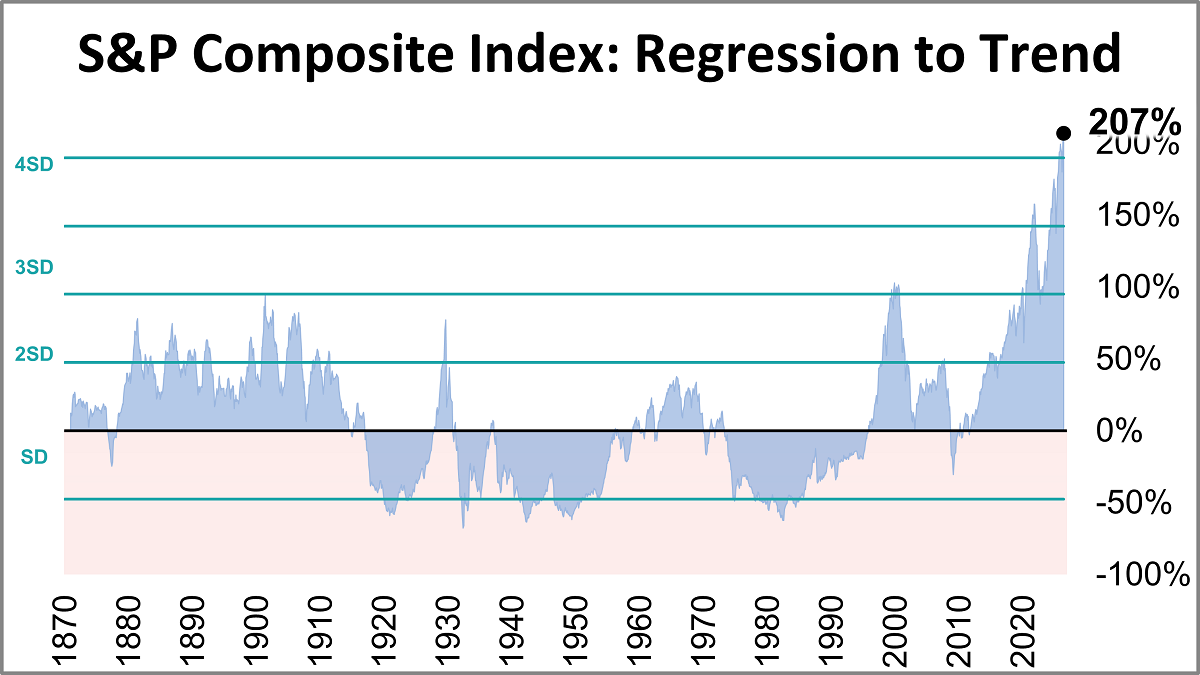
The inflation-adjusted S&P Composite Index was 207% above its long-term trend at the end of June.
“Productization” has quickly become one of the most widely used terms in wealth management. It appears in strategy decks, conference discussions, and vendor messaging. Yet, despite its popularity, the concept remains poorly understood in practice.
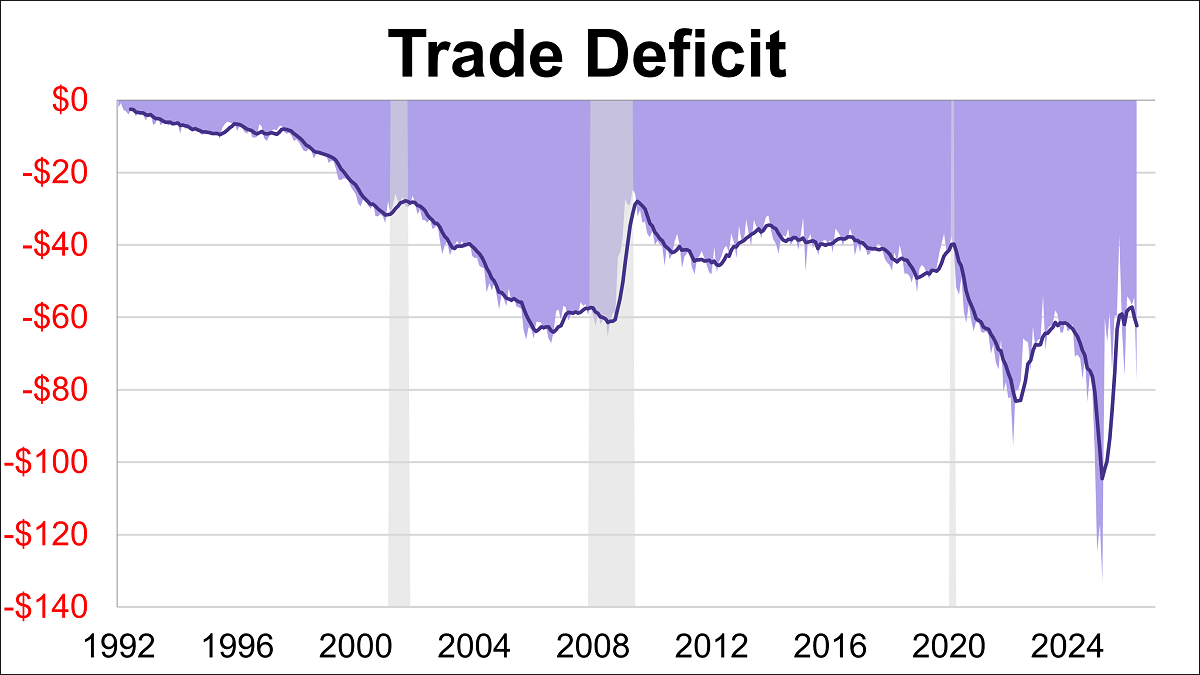
The U.S. trade deficit expanded over 40% in May to $77.59B, its widest gap since March 2025. The latest reading missed the forecast of -$78.30B.
For years, the Magnificent Seven tech giants commanded investors’ attention, dominating the S&P 500 Index and determining which way the overall stock market was headed. Those days are over.
The higher the rally in technology high-flyers, the louder the anxiety around a new wave of turbulence in the group.
When Mark Zuckerberg gets a bold new business idea, he likes to throw money at it. Last summer, he dropped $14.3 billion for a 49% stake in Scale AI, allowing him to poach its wunderkind founder Alexandr Wang to lead a new project to build artificial-intelligence systems that surpass human intelligence.
ETF Database saw a massive surge in readers this past June. The most popular pieces focused on everything from breaking SpaceX IPO news to the technical mechanics behind top-performing ETFs.
Global equities rebounded in the second quarter as confidence in the AI investment cycle strengthened. As the third quarter begins, we believe markets have become priced for a smooth and profitable AI build-out, leaving little margin for error. June’s sharp sell-off in the Magnificent Seven stocks underscored how quickly sentiment can shift when crowded AI trades are priced for near-flawless execution.
Chris Galipeau discusses high-conviction insights that go beyond media headlines.
Higher rates, weaker underwriting, and software concentration are exposing vulnerabilities in direct lending and leveraged loans, while high yield bonds appear better positioned.
Right now, advisors are facing a massive generation of clients trying to navigate retirement. That’s challenging enough, but with inflation and the cost of living rising, assuaging those clients’ concerns and delivering for them has become much trickier. Income ETFs can help meet those clients’ goals, with new, daily covered call ETFs an appealing option.
Close to 40 years ago, I moved from Canada to the U.S. after acquiring a controlling interest in U.S. Global Investors. I’ve built my entire life and career here, and in all that time, I’ve never stopped marveling at my adopted country.
Bypass the headaches of individual closed-end funds. Discover how Invesco's PCEF bundles over 100 CEFs to capture June's debt rallies.
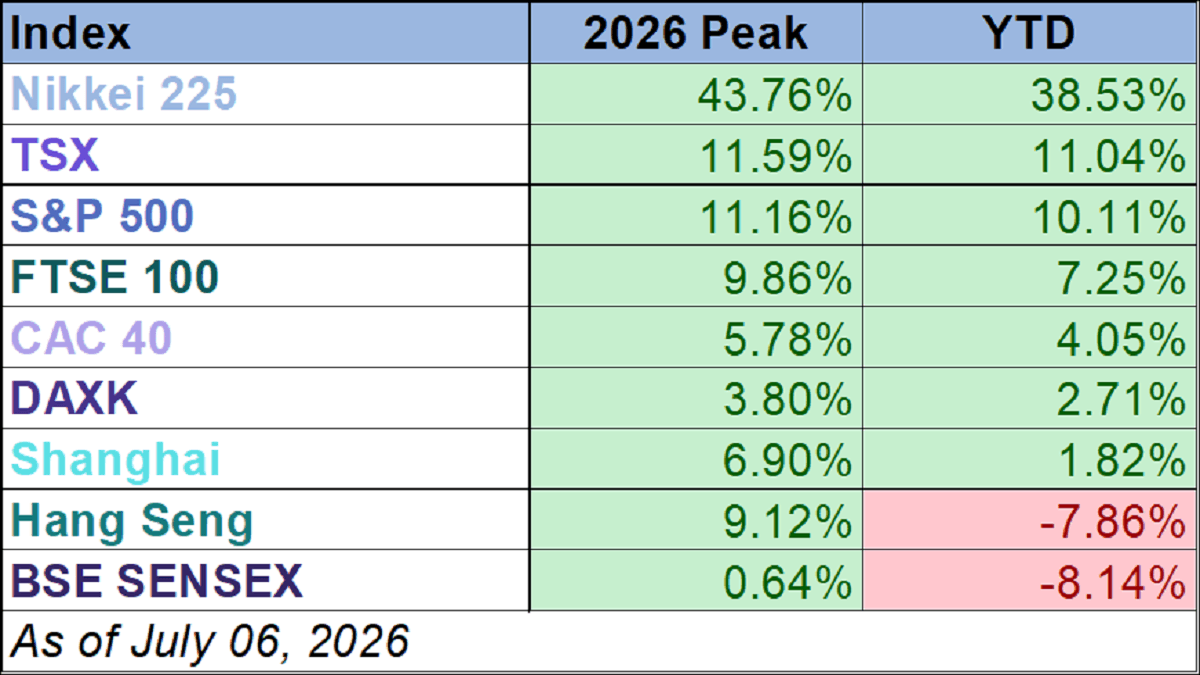
Seven of the nine indexes on our world markets watch list posted year-to-date gains through July 6, 2026.
The U.S. Treasury launched the Trump Accounts for childhood wealth building. Discover the five low-cost index ETFs anchoring the program.
Every sector chart tells you where the crowd is. Almost none tell you the thing a stock picker actually needs to know: Inside a given sector, how much room is there to beat the average name?
Wage growth peaked four years ago. Since 1985, it has led CPI by three to seventeen months in every single cycle. The May 4.2% inflation print is the noise. Watch the wages.
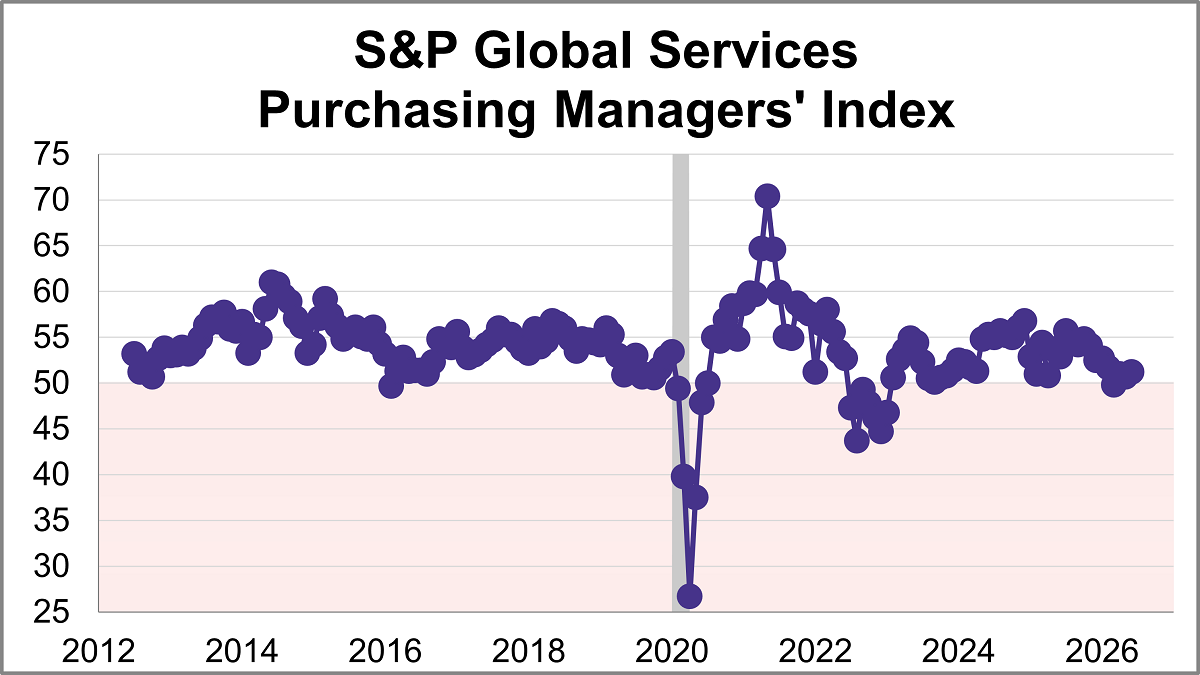
The June U.S. Services Purchasing Managers' Index (PMI) from S&P Global rose 0.5 points to 51.2, indicating a modest rise in service sector activity. The latest reading was just below the forecast of 51.3 and marked the strongest expansion in four months.
While the Federal Reserve left interest rates unchanged at the latest meeting, investors increasingly speculate that rate hikes are on the table in 2026.
The US industrial robot industry is characterized by low growth and highly customized projects. Artificial intelligence holds out the hope to change that, especially when it comes to robots that can move and work safely around humans.
Goldman Sachs Group Inc. sees the yen weakening to 165 per dollar in a year’s time, driven in part by Japan’s interest rate differentials with the US.
Oil held onto its recent run of losses, with traders looking for clues on flows through the Strait of Hormuz as barrels continue to return to the market after months of disruption.
US stock futures climbed early Monday as investors gauged whether the artificial-intelligence trade can regain its footing after one of its sharpest pullbacks in more than two years.
The most interesting shift in market price action in June was the strong outperformance of value stocks compared to the broad market and tech
Six months is enough time for a lot to change. Your income, your expenses, your goals, and even the broader economy may look different than they did at the start of the year. And a plan that made sense in January might not fit the reality you're living in now.
The U.S. nuclear sector advanced on two fronts in recent days. Advanced microreactors completed a key federal target while the existing commercial fleet signed a landmark agreement with a major retailer. These moves show momentum at both the innovation edge and the operating base.
The war in Iran has delivered an oil shock into a bond market that had not fully shaken inflation pressures. Higher energy prices have revived concerns about the path of inflation just as central banks were edging toward rate cuts, forcing a reassessment of what investors require to hold long-term bonds. That reassessment is now playing out in higher long-term yields and steeper yield curves globally.
This July, the United States marks its 250th anniversary, and that has many Americans thinking about what independence really means. In many ways, genuine independence is about more than political rights. It’s financial.
The Federal Reserve left interest rates unchanged at its June 17 meeting, but investors were more focused on the future under new Fed Chair Kevin Warsh, whom Trump appointed in May.
Federal estate taxes may not affect most households, but state death taxes can still be significant. Learn key planning considerations and strategies to help preserve wealth.
The strong run by the Nasdaq-100 and the S&P 500 the last few years has loaded portfolios with heavy concentration risk. As a tiny group of mega cap tech giants shapes the market, finding meaningful diversification has become a priority for advisors. Data from last week’s VettaFi Mid-Year Market Outlook Symposium confirms that wealth managers are actively looking down the market-cap spectrum to rebalance risk.
The dollar holds a central place in global markets due to its role as the world’s reserve currency. Its movements influence cross-asset correlations, shape liquidity conditions, and often offer early indications of shifts in the broader macro regime. In short, it is a critical variable that warrants close attention.
At VettaFi, we’ve been talking a lot about bottlenecks as a concept. Some of the brightest equity market opportunities for capital growth are tied to bottlenecks in a supply chain-context.
Slate Auto, the electric vehicle start-up backed by Jeff Bezos, is a grand experiment in whether austerity sells — and a warning for the US auto sector.