Discover how Capital Group’s active CGGR ETF navigates this mega-cap divergence to uncover secular growth beyond tech.
High-speed railway Brightline West has signed new contracts to lay tracks and systems for its high-speed railway, according to an email seen by Bloomberg, signaling progress for a project whose municipal bonds have traded at steep discounts since last year.
The current economic downturn is best described as hybrid and structurally driven. It leans heavily on demand constraints, though it is triggered and complicated by ongoing supply shocks.
What do you do if you have a standard that’s not being met? Move the goalposts! Of course, you could work harder to meet the goal. But that’s hard. So, why not just change the standard and make it easier to meet?
Goldman Sachs and Innovator panelists say buffer ETFs can help advisors move cash-shy clients into stocks with built-in downside limits.
In this video, Chuck Carnevale responds to a viewer's question about building a retirement income portfolio for a 63-year-old investor. Rather than recommending specific stocks, Chuck focuses on the process he uses to identify high-quality income investments using the principles of value investing and the FAST Graphs platform.
VettaFi today announced it has signed a definitive agreement to acquire RAFI Indices, the renowned pioneer in fundamental indexing, from Research Affiliates.
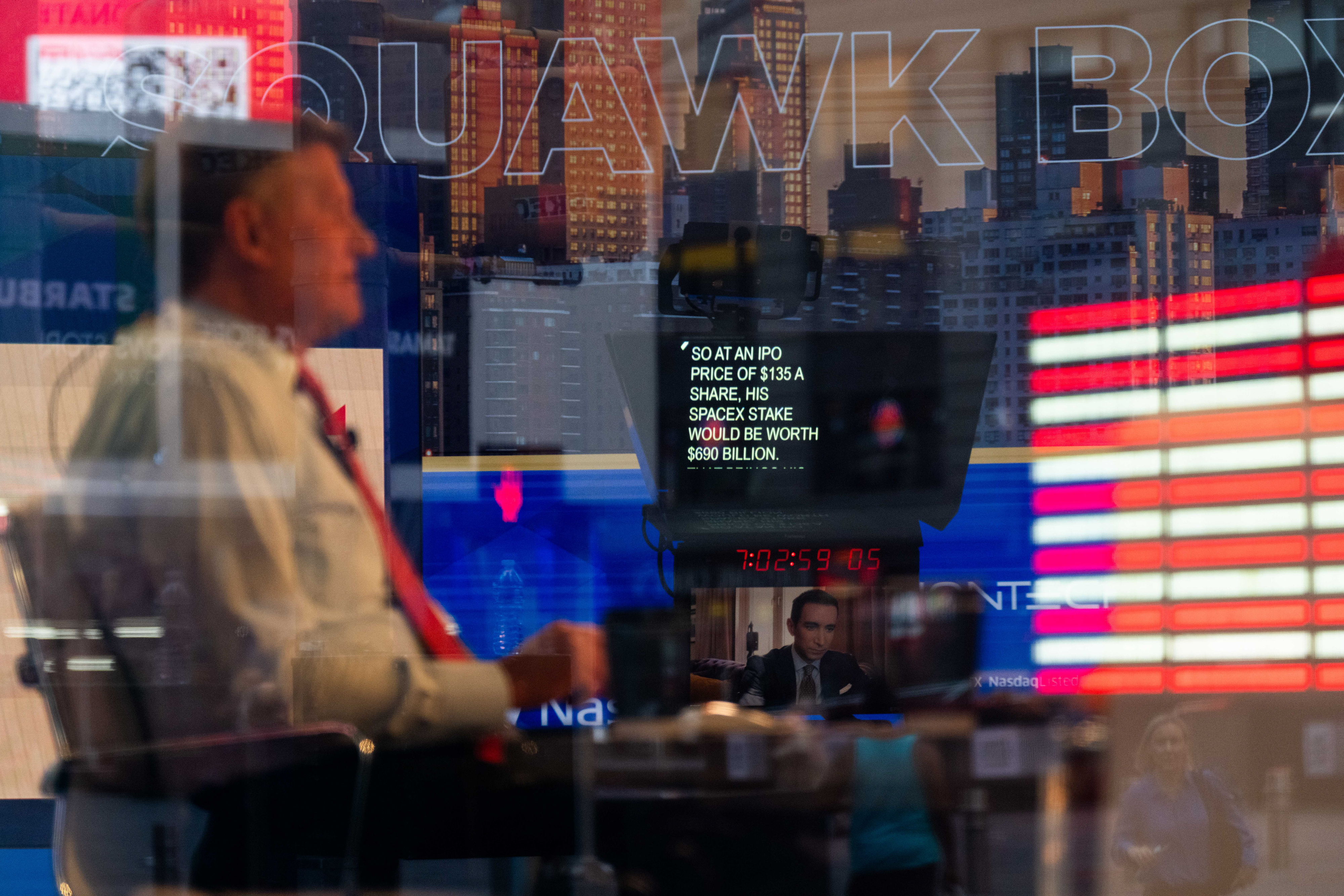
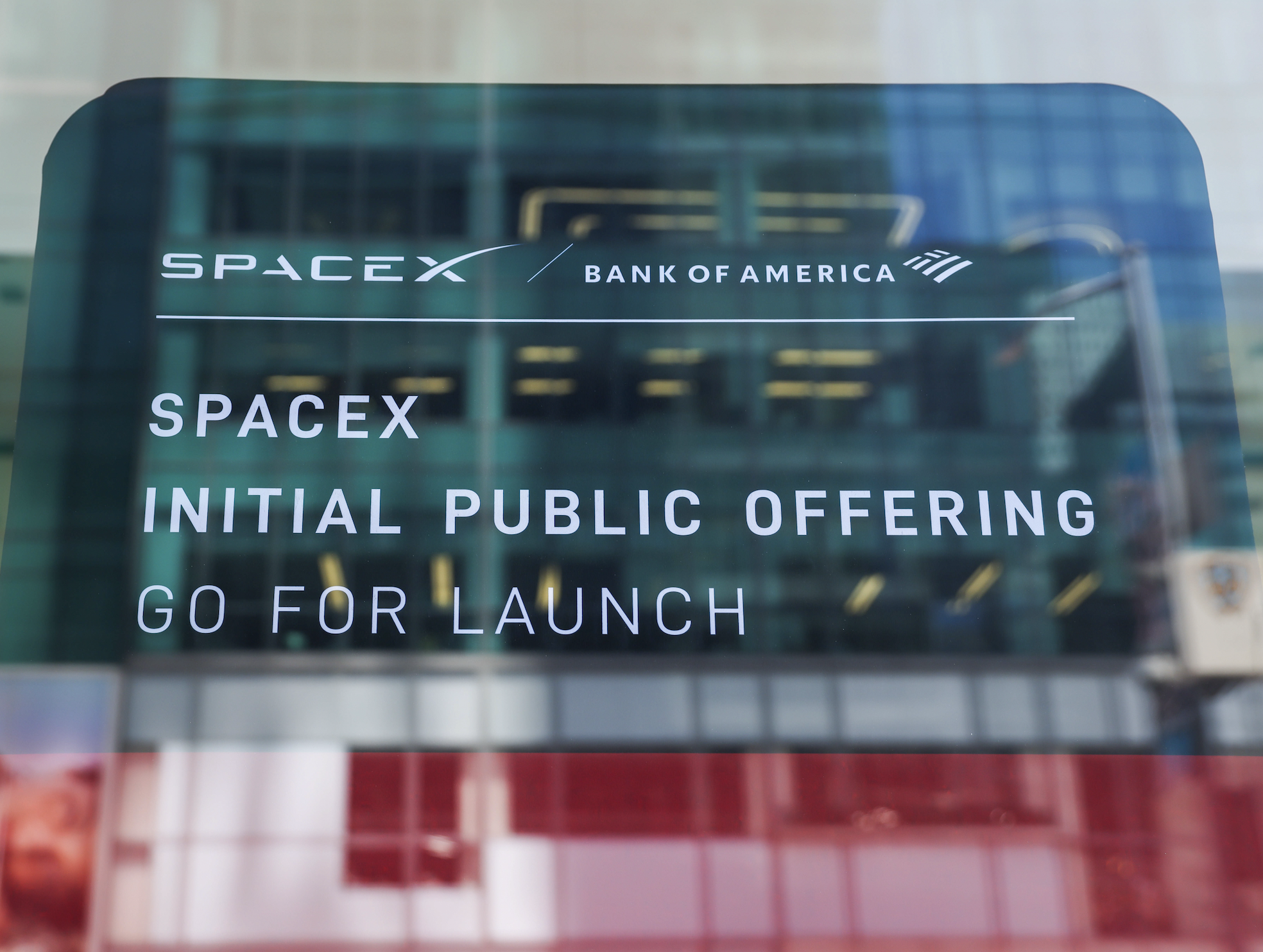
US stocks opened with a small gain on Friday, supported by optimism about pending trading in SpaceX, which made history with the biggest-ever IPO, and the potential for an interim peace deal in the Iran conflict.
That’s SpaceX out of the way. Next, investors will have to absorb the artificial-intelligence titans behind the Claude and ChatGPT chatbots, Anthropic PBC and OpenAI.
The ETF industry has reached a historic turning point. Vanguard has officially surpassed BlackRock’s iShares to become the largest ETF provider. The milestone underscores a broader structural shift among investors prioritizing low-cost investments in portfolio allocations.
At a time when the cost of living is rising and market volatility appears to be rising, too, investors may be looking for current income to bolster their portfolios. Current income can especially help investors at or near retirement to adapt to retired life.
JPMorgan Chase & Co.’s public finance department hired a Goldman Sachs Group Inc. banker to specialize in prepay energy deals, marking a major hire for the team as the firm ramps up its work in the sector.
The word seems to be spreading that small- and micro-cap stocks have so far been enjoying a stellar 2026. What seems less well known is that the current cycle of market leadership for the two asset classes stretches back to 2025 and has been in place for 14 months.
In addition to a greater range of chips supporting AI development, several factors could cause the current cycle to last longer than expected.
While owning a significant amount of a successful stock can be incredibly lucrative – especially in a company on the rise – the more you own of a single equity, the more closely your personal financial fate is tied to its performance.
Inflation and geopolitical uncertainty are pushing advisors and investors to rethink how they build diversified portfolios.
This past week, the market hit an all-time high. At the same time, Alphabet (GOOG) told investors it would raise $80 billion by selling stock to fund its AI buildout, and the shares fell about 4% on the news.
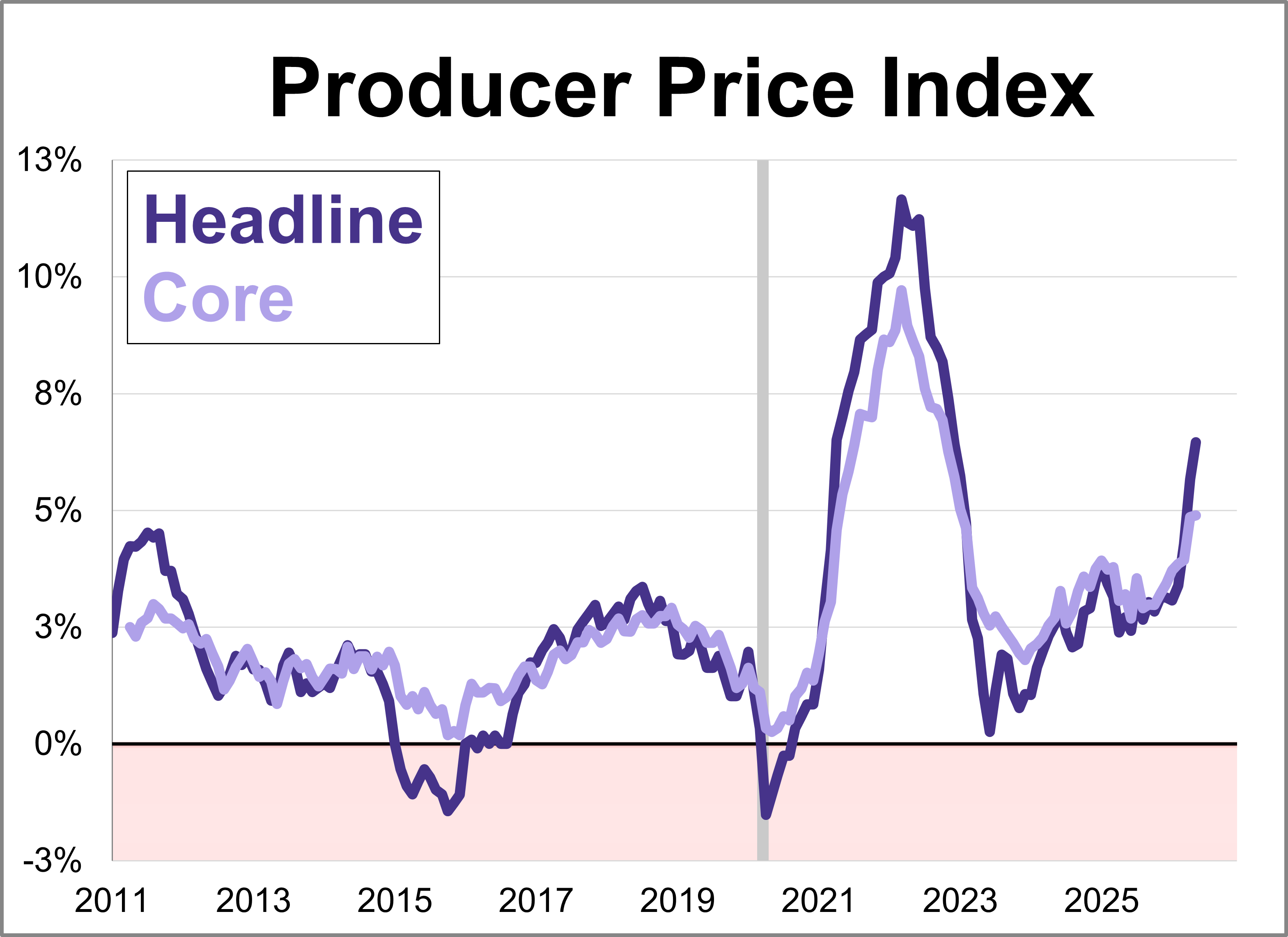
May's Producer Price Index (PPI) data delivered another blow to inflation watchers, as wholesale price growth came in hotter than expected.
The jury is still out on whether SpaceX is primarily a rocket company, as its name suggests, or actually more of a telecom provider or artificial intelligence play. Its expected valuation doesn’t help resolve the confusion.
May saw 148 new ETF launches in May alone – although launch figures were partially driven by a 37-fund rollout from Corgi Insurance Services.
As shareholders rush to pull money from private credit funds over troubling questions about software exposure, opaque loan values and non-payments, some bond investors are doing the opposite: buying their debt.
For more than four decades, PIMCO’s Secular Forum has provided a disciplined framework for stepping back from short-term market noise to assess the structural forces that will shape the global economy and markets over the next five years. Yet rarely has this exercise been more consequential than it has recently.
Equity issuance is all the rage. The SpaceX (SPCX) IPO on Friday, Alphabet’s (GOOGL) up-sized secondary announced last week, and a slew of other major go-public names over the remainder of 2026 (Anthropic, OpenAI) buck the years-long trend of intense buybacks and shareholder-friendly activities by the world’s most valuable companies.
With the latest CPI report showing that inflation is likely here to stay, it could be time to pivot towards ETFs with downside protection.
Inflation affects everything from grocery bills to rent, making the Consumer Price Index (CPI) one of the most closely watched economic indicators. The Bureau of Labor Statistics (BLS) tracks this by categorizing spending into eight categories, each weighted by its relative importance.
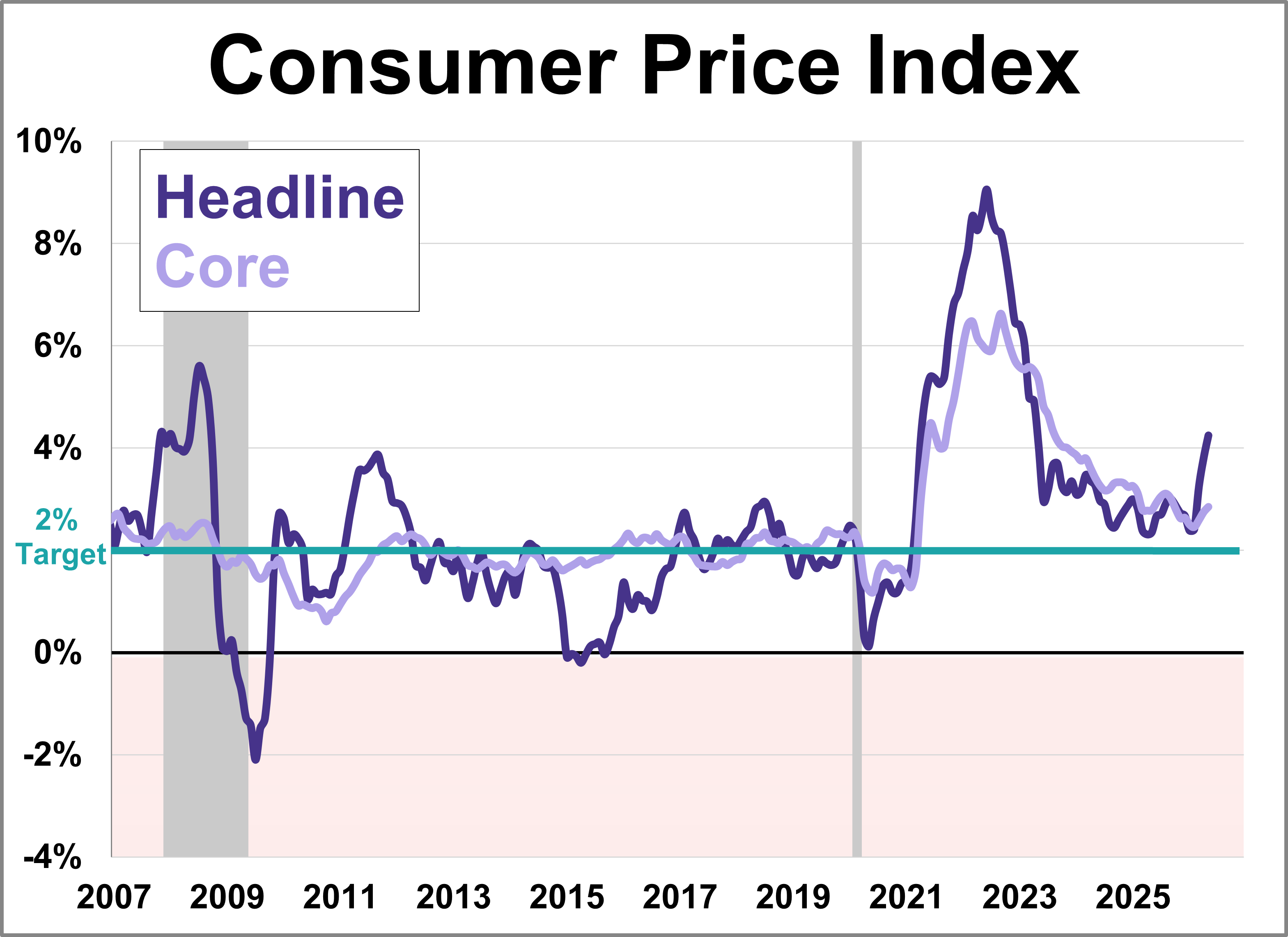
Inflation surged to 4.2% year-over-year in May, hitting its highest level in over three years. The headline figure for the Consumer Price Index (CPI) was consistent with the forecast, driven primarily by cost increases in energy, shelter, and food.
The first-ever autism ETF and the continued rise of quantum computing were both in the spotlight on this week’s ETF Prime. Host Nate Geraci welcomed Sylvia Jablonski, chief investment officer of Defiance ETFs, to discuss the firm’s latest launch and one of the market’s top-performing funds. Defiance has grown from roughly $1 billion in total assets in late 2022 to over $13 billion today.
Sentiment in the US stock market has shifted quickly from fear of missing out to fear of getting wiped out.
Ratings that underpin a growing slice of the $1.8 trillion private-credit market, the hottest corner of Wall Street in recent years, are systematically understating investment risk, according to a new study by Columbia Business School researchers.
Tim Cook’s last annual showcase of new software as Apple Inc.’s chief executive officer also marked the start of a deepening relationship with one of his biggest competitors: Alphabet Inc.
Building resilient portfolios in markets delivering mixed messages can be a challenging affair. In our ongoing engagement with the retail and advisor community at VettaFi, we hear first-hand just how investors are tackling that challenge this year.
Markets have treated AI as a gold rush of LLMs, chips and cloud applications, but as the industry shifts from chatbots to agentic systems — AI that autonomously runs workflows and makes decisions — hyperscalers are now facing a brutal physical bottleneck.
In his new book, “Risk & Reward: How to handle market volatility and build long-term wealth,” Ben Carlson relies on history to defend investing in U.S. stocks. Carlson calls the U.S. stock market “the greatest wealth-building machine ever created,” and nudges his readers into thinking its success will continue.
Crypto has clearly matured considerably as an asset class, and it's exciting to hear more advisors speak about the opportunity it presents — without being scared away by its volatility. The real question today is how much of a portfolio allocation is appropriate given their specific objectives and constraints.
Interest rates remain one of the primary concerns for investors as Kevin Warsh has officially assumed leadership at the U.S. Federal Reserve (Fed). While we believe the possibility of a rate cut has diminished considerably, we are not yet expecting additional rate hikes.
Probably the most popular insight to make its way from finance theory into everyday usage is that "diversification is the only free lunch" in investing. The idea dates back to Harry Markowitz in 1952. He, and those building on his work, demonstrated that in an efficient market, investors shouldn't earn extra return for bearing company-specific risks that can be diversified away.
US stocks have further to run as corporate earnings growth underpins sentiment despite some signals suggesting equities may have risen too far, JPMorgan Asset Management’s Jack Caffrey said.
Interactive Brokers Group Inc. is offering exchange-traded funds from BlackRock Inc. in savings plans in Europe, the latest platform to provide the booming product that’s become increasingly popular with mom-and-pop investors on the continent.
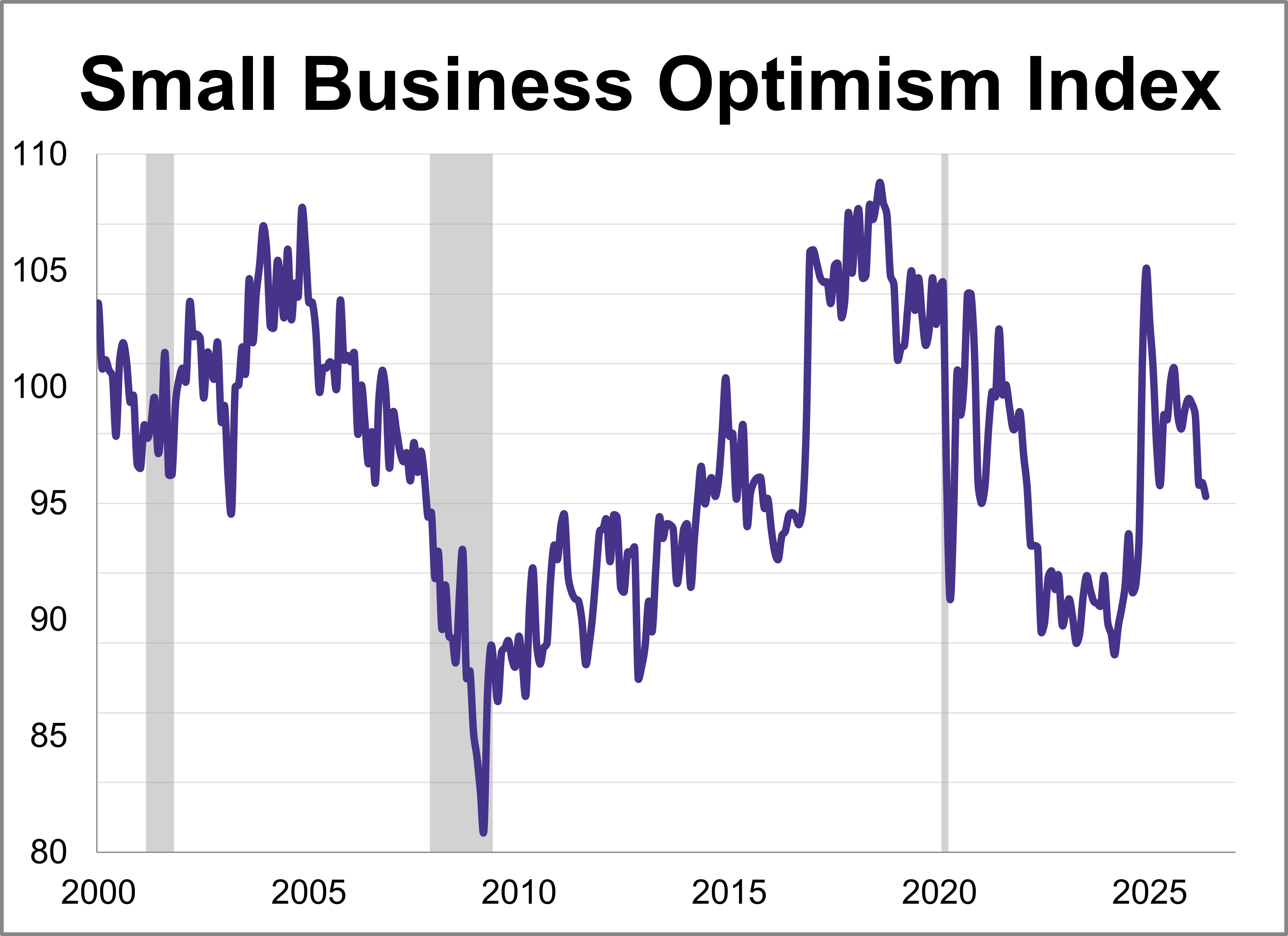
The NFIB Small Business Optimism Index dropped 0.6 points to 95.3, reaching its lowest level since October 2024. The index remains below its historical average for a third straight month.
It’s no secret that investors are on the lookout for opportunities in their fixed income portfolios. This is especially true in today’s shifting landscape. Equities are hot, perhaps too hot, and many investors want strong performances out of their bonds in order to keep up.
In case you’ve been living under a rock for the past few months, three of the world’s largest and most consequential private companies—SpaceX, Anthropic and OpenAI—are preparing to go public in the same year. Together, they could add nearly $4 trillion in market cap to public markets.
Metals Focus has released its Gold Focus 2026 report. It includes comprehensive historical supply and demand data for 2017-25 and its 2026 forecast.
In this episode of ETF of the Week, host Chuck Jaffe sits down with Todd Rosenbluth, Head of Research at VettaFi, to discuss the NEOS Enhanced Income 1-3 Month T-Bill ETF (CSHI).
In light of all this, our own view is that markets remain well positioned to continue to rally over the medium term, though given their stratospheric rise of late, a bit of a pullback might be in order in the short term.
Confirming that the bar is high for artificial intelligence (AI) semiconductor makers’ earnings reports, shares of Broadcom (AVGO) plunged 12.59% on June 4, a day after the chip giant delivered quarterly results. The results weren’t the problem. It was a lack of a positive update regarding AI semiconductor demand.
In my more than two decades covering index funds, I have never seen anything quite like the frenzy surrounding the SpaceX IPO. The sheer scale and market anticipation of this pending debut this week have done something rare. It has encouraged index providers to re-evaluate how they build and maintain benchmarks that are tracked by trillions of dollars.
The U.S. labor market took center stage last week as three major labor market indicators outperformed forecasts. Robust payroll additions in both the public and private sectors, paired with a massive surge in job openings, point to a workforce on solid footing.
For years, the retirement industry has framed the challenge the same way: Participants aren’t engaged enough. Employers need better communication. Advisors need to educate more.
Currencies in the developing world sank after a blowout US jobs report provided the clearest sign yet that the labor market is breaking out of a prolonged period of lackluster hiring, undercutting the case for rate cuts from the Federal Reserve.
On June 4, Vanguard launched the Vanguard U.S. High-Yield Corporate Bond Index ETF (VCHY) on the Cboe BZX. VCHY provides ultra-low-cost exposure to higher-yield U.S. corporate bonds. It comes with an expense ratio of just five basis points.