Today’s industrial business models offer surprising sources of consistent earnings growth.
A historically strong start to the year for the US stock market should continue into the second half of 2024, according to JPMorgan Chase & Co.’s asset management division.
Reflecting the ongoing strength of the U.S. economy, the investment grade and high yield corporate bond markets continue to demonstrate remarkable fundamental resilience. Join us to hear JoAnne Bianco, CFA® of BondBloxx discuss why now is the time for investors to increase their allocation to select segments of the U.S. corporate bond market.
JPMorgan Chase & Co.’s asset-management arm raised more than $500 million for a biotech venture-capital fund that will bet on the hottest corner of health care: weight-loss drugs.
Bond traders loaded back up on interest-rate-cut bets — and even the pushback coming out of the Federal Reserve did little to shake their conviction.
When the Hunt brothers cornered the silver market in 1980 by amassing a huge cache of the precious metal, jeweler Tiffany & Co. ran an advertisement in the New York Times denouncing the move: “We think it is unconscionable for anyone to hoard several billion, yes billion, dollars worth of silver and thus drive the price up.”
The last 15 years have been a magical time for the stock market — but don’t count on it lasting. While US stocks may indeed have the bright future markets currently predict, the cost of growth will be more volatility.
When Apple Inc. Chief Executive Officer Tim Cook and his top deputies this week unveiled a landmark arrangement with OpenAI to integrate ChatGPT into the iPhone, iPad and Mac, they were mum on the financial terms.
The rapid expansion of AI has reopened the floodgates for renewables. But it's also propelled nuclear power into the spotlight.
VettaFi discusses spot ether ETFs, spot bitcoin ETFs, and the crypto ETF universe.
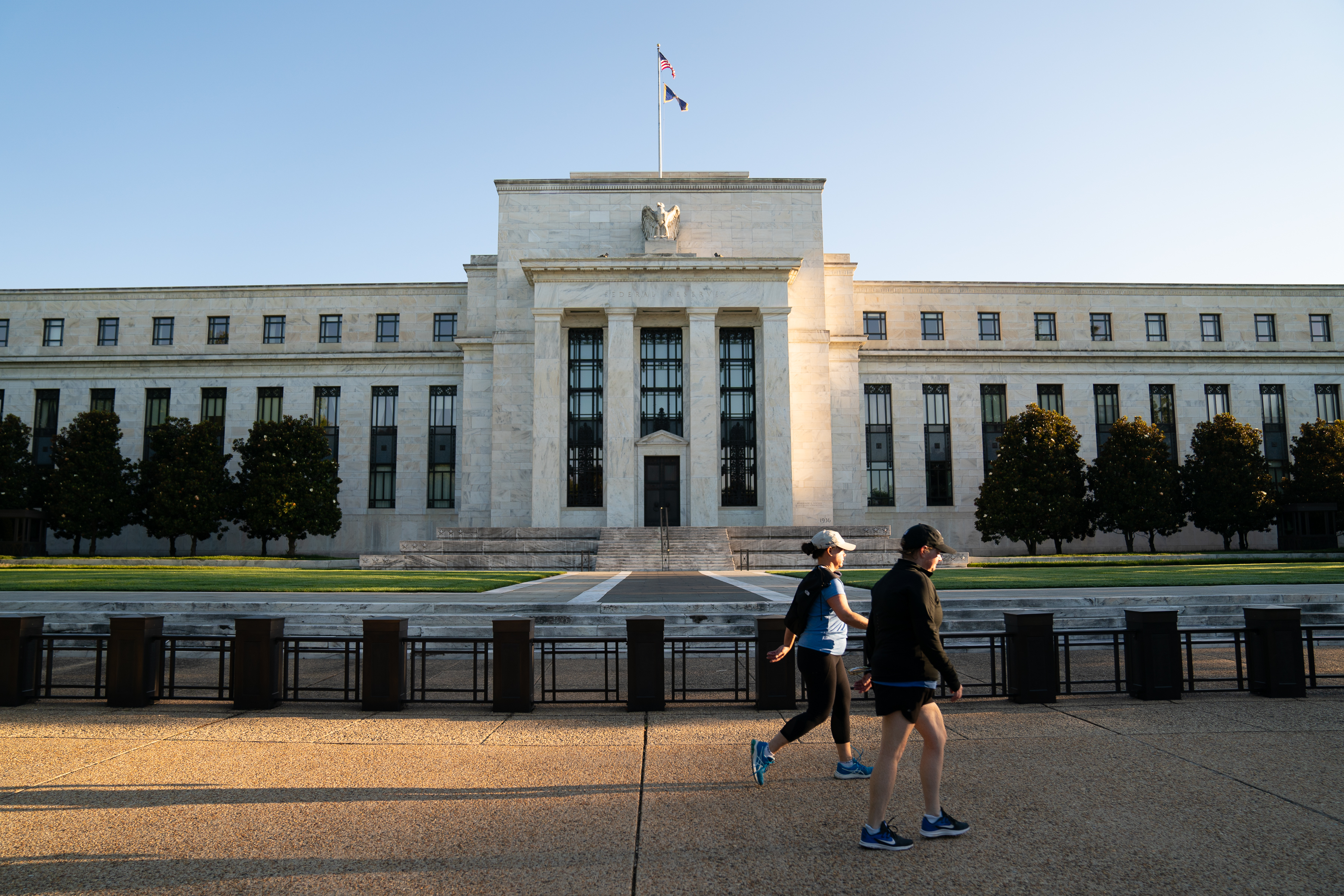
Once again, the Fed kept rates unchanged at the June FOMC meeting. As a result, the Fed Funds trading range remains in the 5.25%–5.50% band that was introduced in July last year, and still resides at a more than 20-year high-water mark.
Certain segments of the economy and stock market have experienced much stronger recoveries this year, underscoring a severe bifurcation between the "haves" and "have nots."
India’s equity markets have experienced strong growth and momentum, with rising incomes and political stability contributing to the country’s potential for accelerated growth.
I was a landlord once and it didn’t turn out how I expected. I think it mattered that I didn’t set out to be a landlord. I had bought a house in Baltimore City that I expected to live in for many years.
Mexico has momentum to meet demands from reshoring.
The investment landscape has proved remarkably resilient thus far in 2024 given several headwinds including inflation, interest rates, and the unsettled geopolitical situation. Fortunately, employment remains solid, and companies continue to deliver improved profit growth.
The derivative income space has grown tremendously over the last five years. Since the end of 2019 there has been a ten-fold increase in assets invested in derivative income ETFs and mutual funds, from $7bn to $73bn.
We are moving our first federal funds rate cut to September of this year compared to our current July call although we are going to get more information from Federal Reserve officials after the release of the Summary of Economic Projections and the new ‘dot plot’ on June 12.
In today’s complex global economy, currency fluctuations play a crucial role in shaping investment outcomes. While we’ve previously emphasized the importance of currency hedging in a U.S. investor’s international portfolio, there’s a subtle aspect that often goes unnoticed: the positive impact of weak currencies for Japanese and European companies and U.S. tolerance of it as a check on Chinese exports.
Midstream is a unique part of the energy sector, in part because of their fee-based business models. This has allowed the midstream to generate free cash flow despite the volatility in broader commodities pricing. Midstream companies have strong free cash flow outlooks, and dividend growth has contributed to some tailwinds.
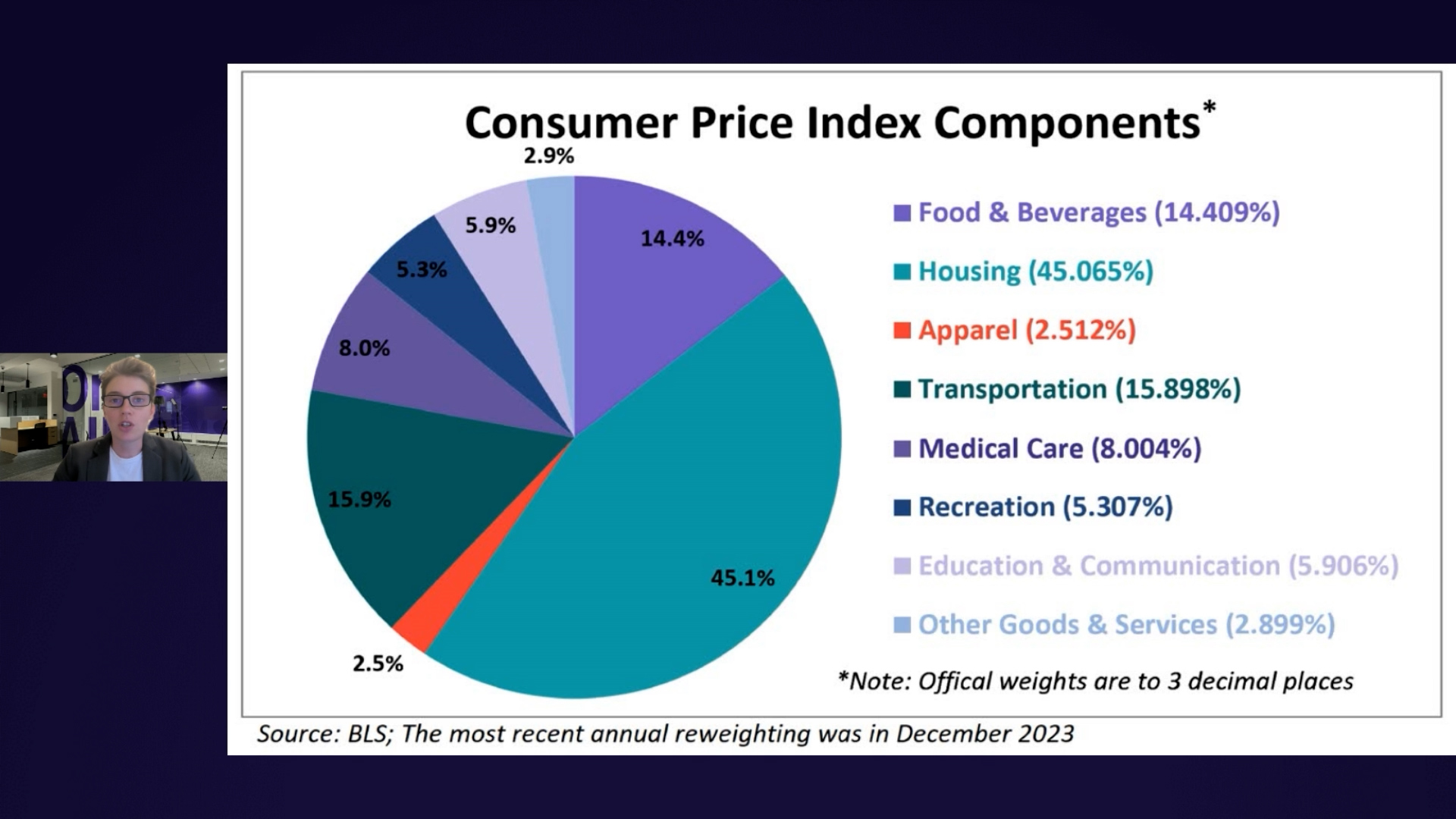
Let's do some analysis of the Consumer Price Index, the best-known measure of inflation. What does inflation mean at the micro level — specifically to your household?
Cboe’s Rob Marrocco goes around the world of ETFs, discussing everything from the potential ETF share class structure to what comes next for the industry. VettaFi’s Lara Crigger highlights year-to-date ETF flows, provides an update on spot ether ETFs, and goes in-depth on the prospective Texas Stock Exchange.
I work on facilitation and teambuilding quite a bit with teams of all sizes, so I am always either coming up with my own new ideas for engaging options or scouring the market to learn what others are doing.
A planner using a fee-offset model sets an annual fixed fee for their services. Then any commissions earned from the sale of products, usually insurance products, are credited back to the client, offsetting and reducing the annual fee by the amount of the commission.
Here’s why giving up the pleasure of talking will lead to more conversions.
Consider toning your prospecting efforts by prioritizing referrals and integrating them into your broader strategy for sustainable growth.
It is always interesting when commodity prices rise. The market produces various narratives to suggest why prices will keep growing indefinitely. Such applies to all commodities, from oil to orange juice or cocoa beans. For example, Michael Hartnett of BofA recently noted.
You have to hand it to Apple Inc. After an embarrassing, tone-deaf ad last month that made the company look oblivious to AI’s impact on the world, its marketing department has now rebranded AI as “Apple Intelligence.” It’s a feat of superiority only the company could pull off.
Wednesday is shaping up to be a doozy in the US bond market. Following the release of the consumer price index at 8:30 a.m. in Washington, investors will turn to the Federal Reserve’s policy rate decision at 2 p.m., which includes an update to policymakers’ carefully scrutinized economic projections.
A key measure of underlying US inflation stepped down for a second month in May, a pleasant surprise for Federal Reserve officials looking for signs that they can start to lower interest rates.
Oracle Corp. reported better-than-expected bookings and announced partnership deals with tech rivals, giving a boost to Chairman Larry Ellison’s effort to redefine the software maker as a major competitor in the business of cloud computing.
If there’s one corner of the equity market that’s trying investors’ patience, it’s small-caps.
When JPMorgan Chase & Co. arranged a series of trades to shift the risk of losses from $20 billion of its loans, some of those dangers wound up at a familiar place: rival banks.
JOLTS (job opening data) had a massive surprise, three standard deviations below consensus estimates, the driving job openings to unemployed workers ratio back to pre-pandemic levels.
We have gained a number of new investors and get regular vetting interest from investors who need to understand the roots of our stock-picking discipline.
Looking into the second half of the year, we are optimistic that returns will be stronger, but also expect volatility to remain elevated.
As we move into the second half of 2024, let’s take a look at a familiar market dynamic that’s often misunderstood in commodity investing: Current inventory levels may be much tighter than futures curves are signaling.
Readers of the IMF’s latest annual review of the US economy will be startled to learn that, in the Fund’s estimation, US government debt is on a sustainable path. That assessment makes sense – but it is only as good as the assumptions that underpin it.
European disinflation allowed for a first cut, but the pace from here will be gradual.
The needs of retirement plan sponsors and savers are changing, and advisors may want to consider a value proposition for the “next normal” in the shifting retirement landscape, according to Mike Dullaghan, Retirement Strategist at Franklin Templeton.
Personal Consumption Expenditure (PCE) measures the price paid for goods and services by consumers. It reflects changes in consumer behavior and captures inflation (or deflation) across a wide range of consumer expenses. Prices for both goods and services are measured.
The Federal Reserve’s balance sheet is one of the world’s most important security portfolios. Yet, its ongoing importance for markets and financial conditions is often underappreciated.
Join the experts at John Hancock Investment Management on June 11th at 2pm ET for an educational webcast that explores how investors can get the most out of their high-yield exposure.
Investors have long sought strategies that provide downside protection. Structured Protection ETFs™ use a unique strategy that can provide 100% downside protection and upside potential over a one-year outcome period.
General Motors Co. authorized a new $6 billion share buyback plan as improving profitability in its electric vehicle operations allows the automaker to return cash to investors.
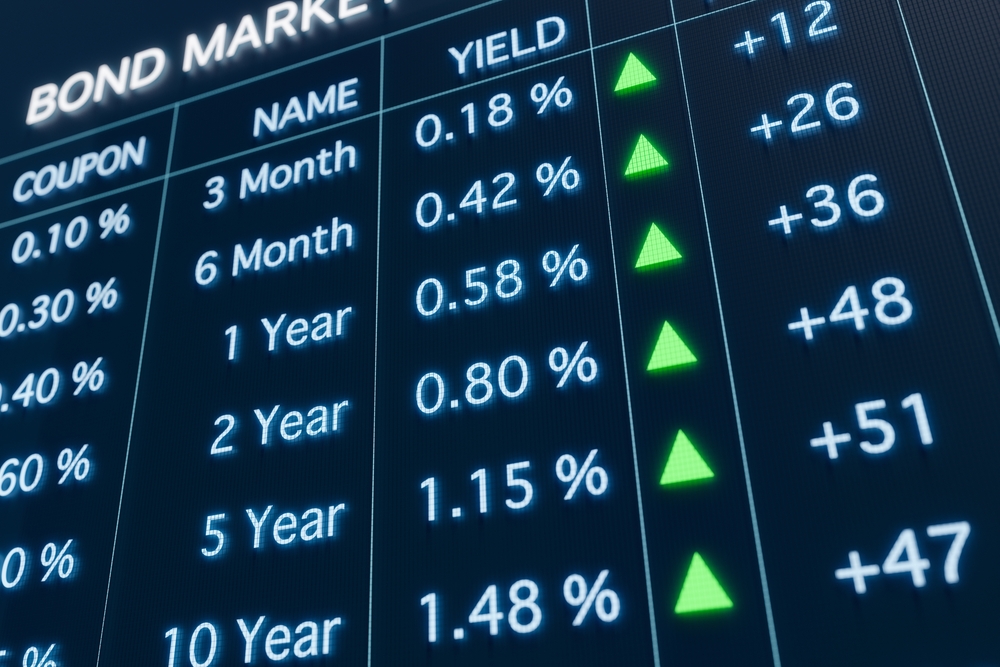
Bond traders who have come to terms with the prospect of higher-for-longer interest rates through 2024 are looking toward this week’s Federal Reserve meeting for clues on how to game out 2025 and beyond.
American businesses and consumers started the year thinking interest rates would finally come down, making big plans to buy equipment or a house. Now all of that is on hold, slowing large swaths of the economy for the foreseeable future.
T. Rowe Price research leader Jay Nogueira shares thoughts on his own 2024 outlook as well as the firm's research approach.
Alliance Bernstein converted two short duration mutual funds, worth almost $800 million in assets under management, into ETFs on Monday.
Wall Street’s half-trillion-dollar business cloning quant trades has some surprising new customers: the very firms whose strategies it mimics.