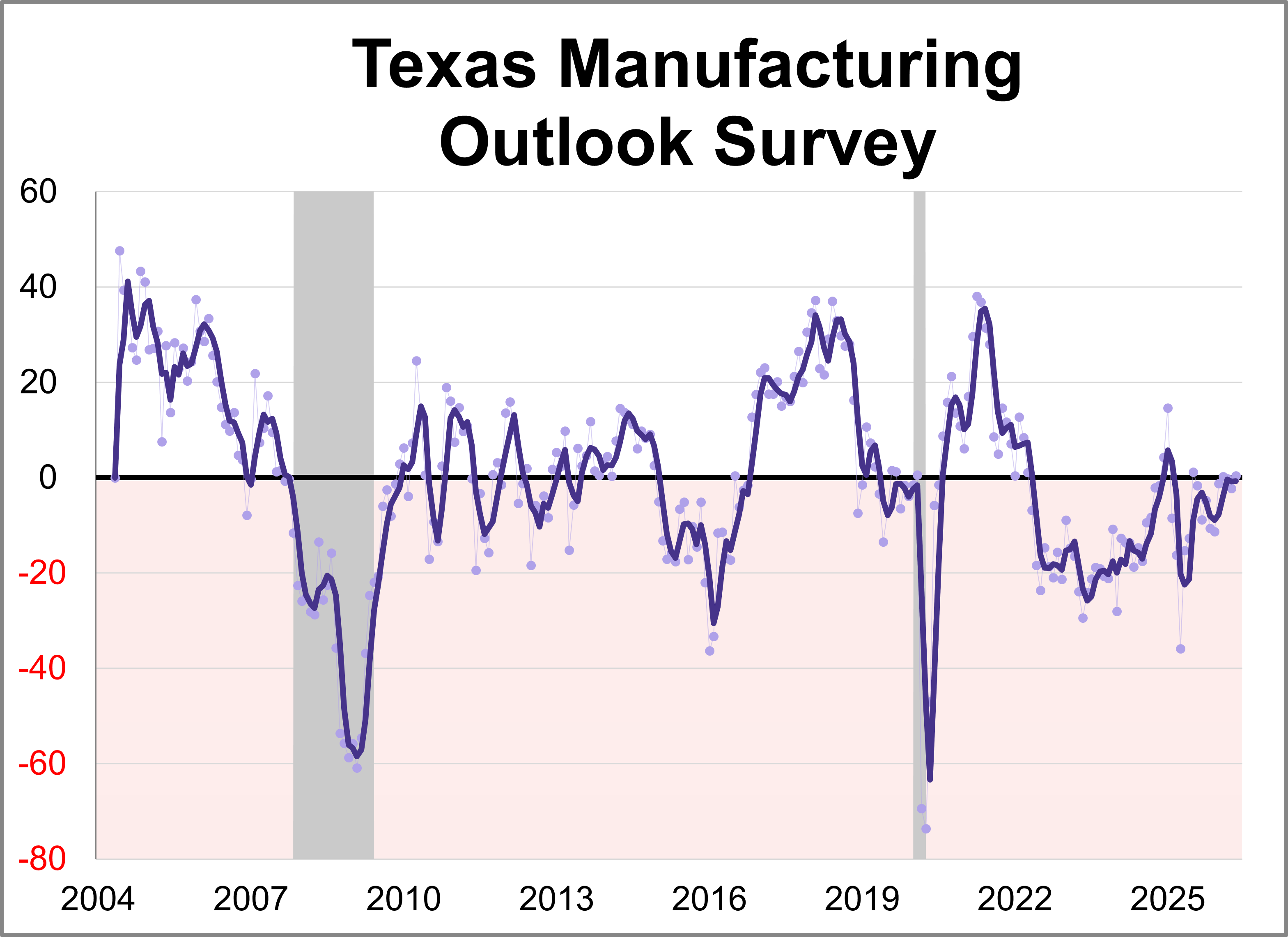
The Dallas Fed released its Texas Manufacturing Outlook Survey (TMOS) for May. The general business activity index rose 2.7 points to 0.4, indicating slower growth of manufacturing activity and stable business conditions perceptions.
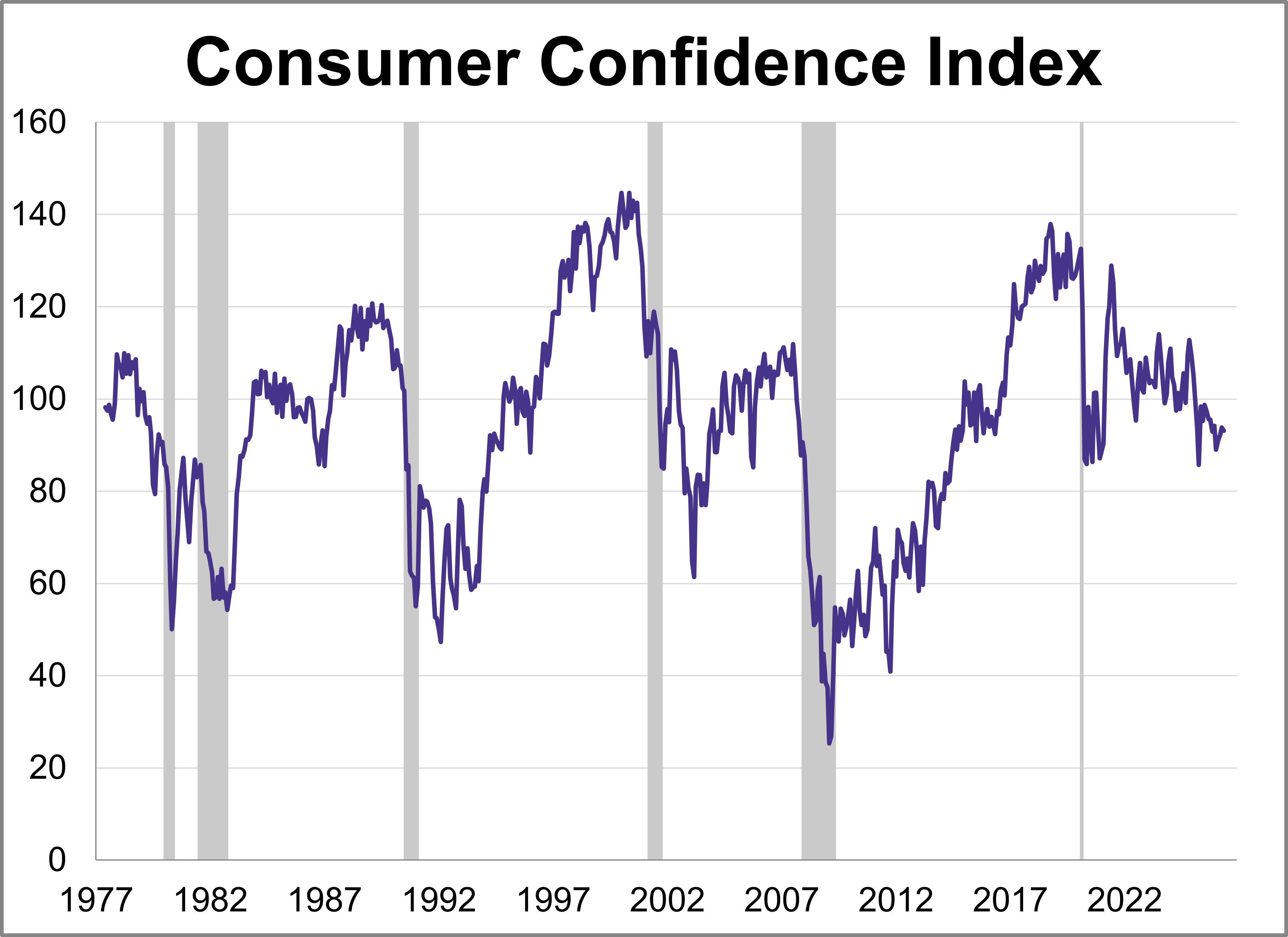
The Conference Board's Consumer Confidence Index® fell for the first time in four months in May, dropping 0.7 points to 93.1. Despite the slight dip, the index came in above the forecast of 91.9.
Quantinuum Inc., a quantum computing company backed by Honeywell International Inc., is seeking to raise $1.05 billion in its US initial public offering, capitalizing on investor enthusiasm for the technology.
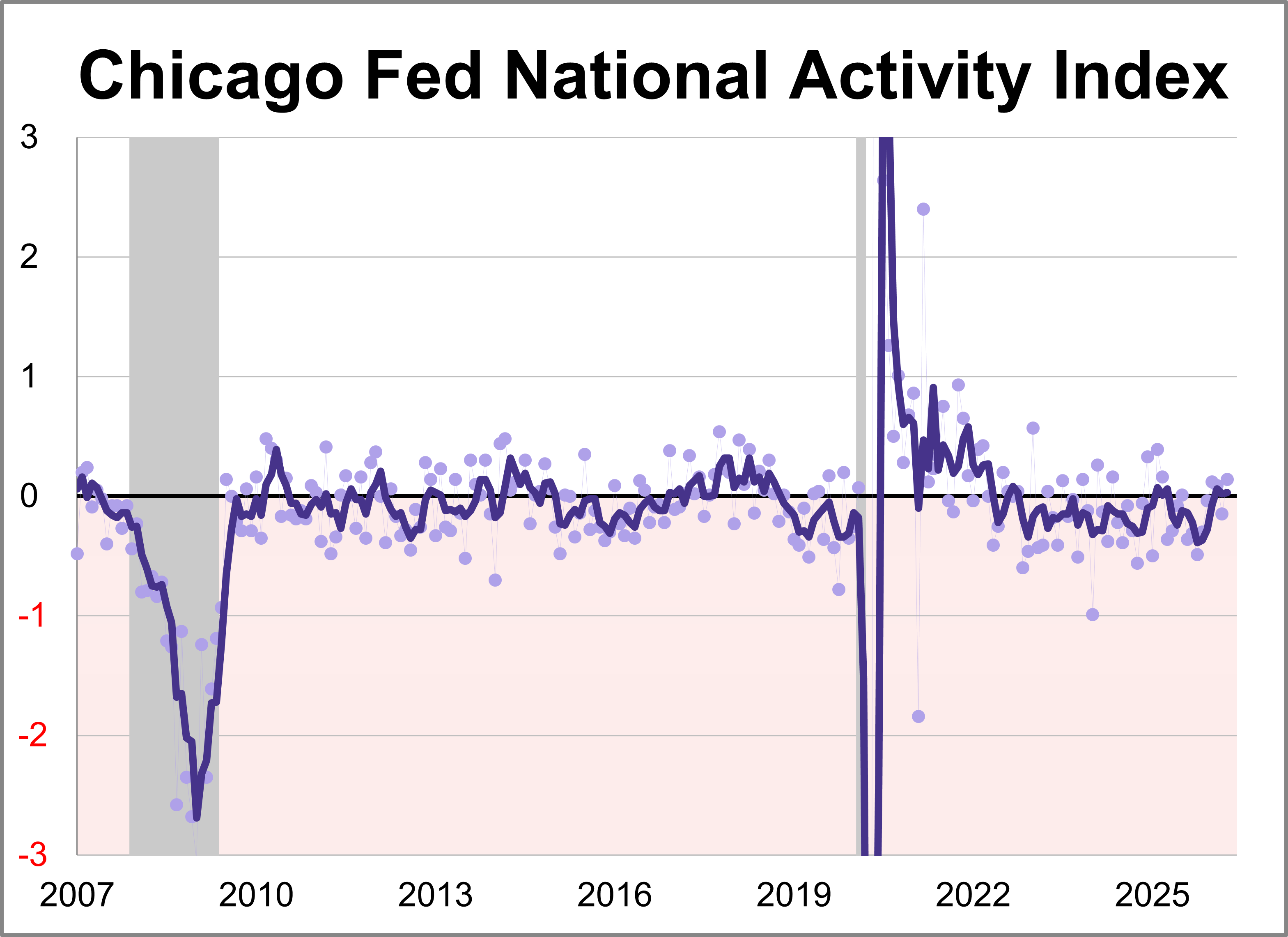
The Chicago Fed National Activity Index (CFNAI) rose to +0.14 in April from -0.15 in March. Two of the four broad categories of indicators used to construct the index increased from March, and two categories made positive contributions.
Prudential Financial Inc.’s asset-management arm has financed about $4 billion of land-banking projects through a partnership with Domain Real Estate Partners, part of a push to gain exposure to the US homebuilding industry.
As Kevin Warsh takes the helm at the Federal Reserve, bond investors are betting he’ll prioritize the central bank’s inflation-fighting credibility over President Donald Trump’s push for lower interest rates.
It’s been more than three years since Silicon Valley Bank lost a quarter of its deposits in a day, kicking off a string of bank rescues. The shocking speed of that run was attributed, in part, to the rapid spread of information on social media and the efficiency of digital banking.
I’ve lost count of the praise heaped on US hedge funds for their “historic performance” in April on artificial intelligence-related bets and alleged foresight of a ceasefire in the Iran war.
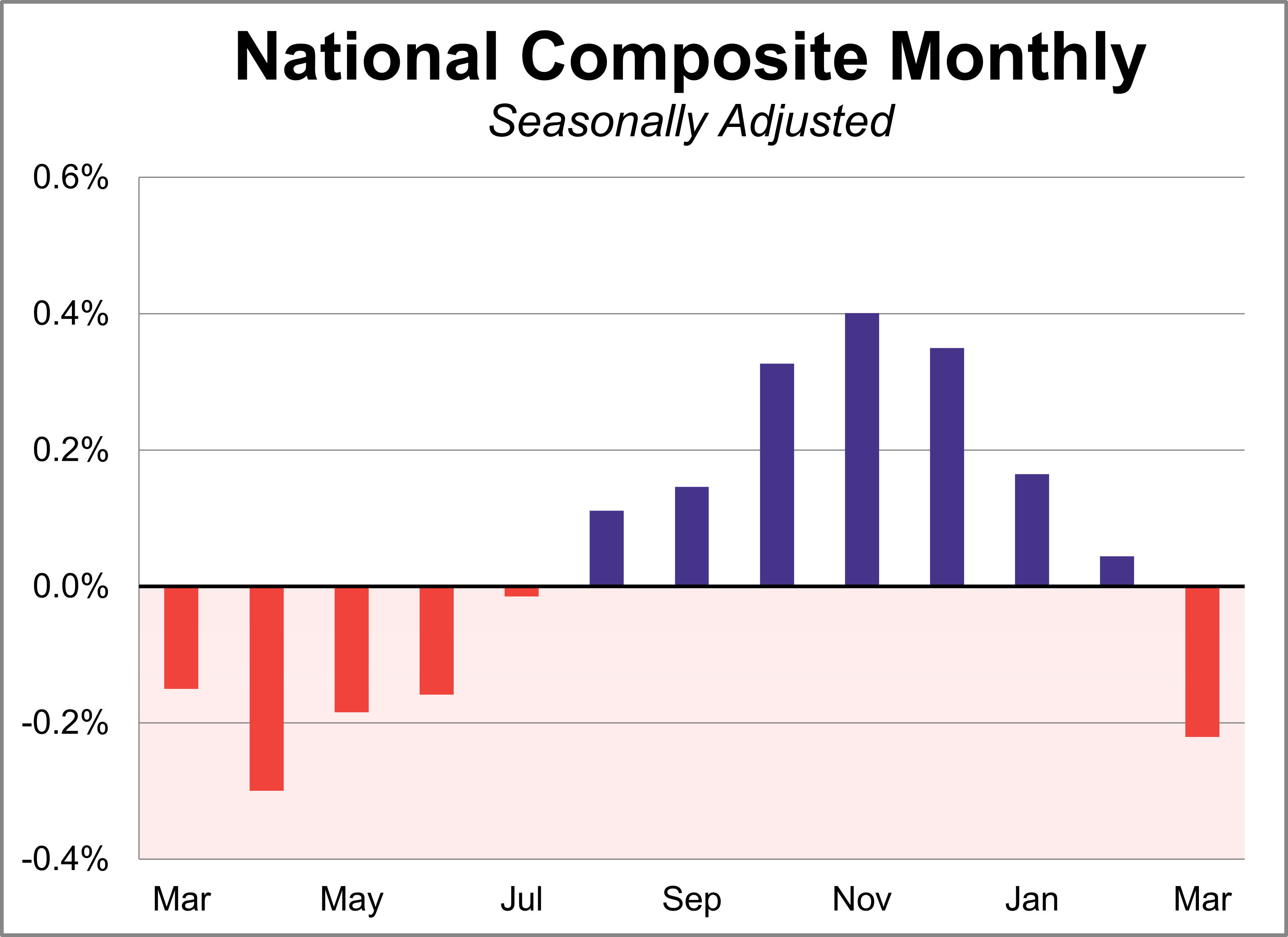
Home prices fell for the first time in eight months in March according to the S&P Cotality Case-Shiller index, as the housing slowdown intensifies. On a seasonally adjusted basis, the national index dropped 0.2% month-over-month and was up 0.7% year-over-year, the slowest pace since June 2023.
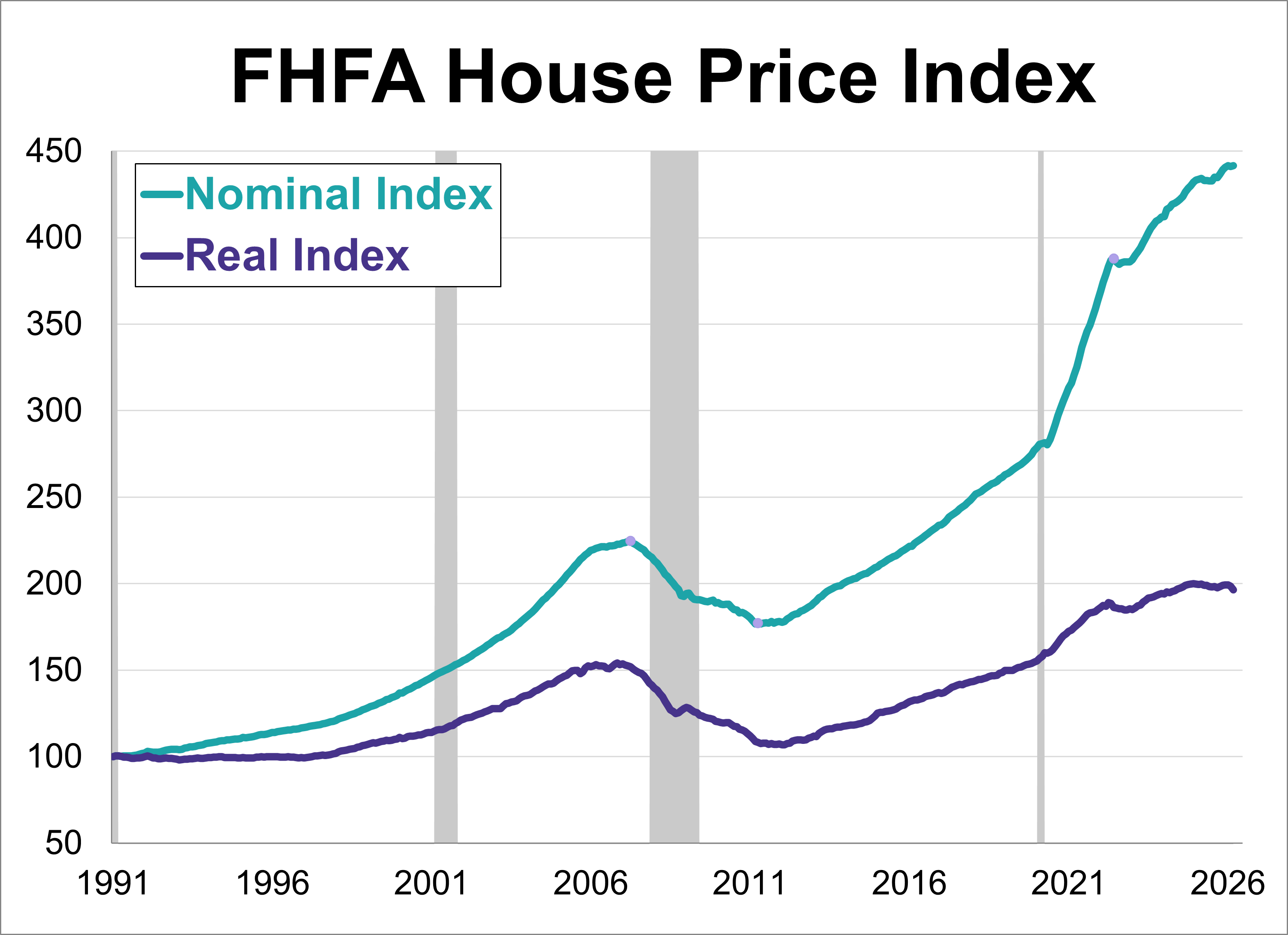
The Federal Housing Finance Agency (FHFA) House Price Index (HPI) reached a new record high in March, rising 0.1% to 441.6.
As more individuals turn to non-traditional financial advice — offered through social media, artificial intelligence, or other online services and platforms — advisors will be tasked with fostering a greater sense of trust with the public.
Last Friday closed with the 10-year Treasury yield at 4.60%, a one-year high, and the doom commentary about rising interest rates was waiting before the bell even rang. Hyperinflation. Bond market breakdown. Paradigm shift. A 1981 fair-value retest.
Private markets (private equity, private credit and real estate) have historically delivered an “illiquidity premium”. Institutions and family offices have recognized this illiquidity premium and have historically allocated significant capital to capture it.
Since the post-COVID recovery began, U.S. nonfinancial corporations have generally managed capital conservatively. They have kept credit metrics stable and, in many cases, actively improved them. That discipline was not entirely voluntary: The sharp adjustment in funding costs triggered by the Federal Reserve’s 2022–2023 rate hiking cycle raised the bar for incremental borrowing and pushed management teams toward balance sheet restraint.
In this video, Chuck Carnevale explains why he believes a diversified dividend-growth stock portfolio can be a better long-term strategy for retirees than the traditional 60/40 stock-and-bond allocation. Using a real-world portfolio he created in August 2021, Chuck demonstrates how an all-equity income portfolio can provide both rising income and capital appreciation while helping investors stay ahead of inflation.
After a slowdown earlier in the year, stronger April and May data support the view that weakness in January and February, followed by a rebound in March, was largely weather-related rather than the start of a broader deterioration in housing demand.
During the American cigar craze of the 1990s, a couple of my neighbors purchased humidors and began collecting. The holy grail for them was Cuban Cohibas, banned from import by longstanding U.S. sanctions.
Artificial intelligence (AI) might be the talk of the town these days, but quantum computing is the quiet thunder rumbling in the background. It just got much louder with the U.S. White House commiting to roll out a massive $2 billion funding package distributed across nine quantum computing companies.
I have often written about one of the few indicators in economics that has earned its reputation over the years, and for good reason. It has preceded virtually every US recession since World War II. I’m talking about the inverted yield curve.
Now, that prospect feels much farther off. Indeed, as government debt grows and macroeconomic pressures and inflation reemerge, investors face a complicated rate environment. Dividends can provide a solution.
There is currently a stark contrast between everyday consumer confidence and financial market behavior. On one hand, persistent inflation and elevated living costs have driven consumer sentiment to historic lows. On the other hand, financial market participants are exhibiting aggressive risk appetite, with margin debt surging to an all-time high record on the heels of major equity market gains.
Elon Musk has bucked the trend of industrial conglomerate breakups, including such illustrious companies as General Electric and Honeywell International Inc., and decided to form a somewhat unwieldy company that makes rockets, spacecraft, satellites, antennas, modems and now computer chips. With SpaceX’s purchase of Musk’s xAI in February, the world’s leading space company was married to an AI startup and the X social media platform.
In this second quarter update, Western Asset believes global fixed-income markets face a more complex backdrop as geopolitics, rapid AI adoption and private credit scrutiny intersect.
Chasing performance by deviating from a benchmark has long been the hallmark of active managers. But it may be time for a rethink. Our research suggests that investors allocating to core equities should consider refreshing the criteria they use to identify portfolio managers that can consistently beat their benchmarks.
For private equity firms, capital flexibility is prized today. Merger-and-acquisition (M&A) activity has cooled, while commodity prices and artificial intelligence (AI)-driven disruption have heated up, creating uncertainty for investors. This makes it more challenging to sell portfolio companies, so private equity firms are holding investments longer. As a result, many firms are turning to net asset value (NAV) loans for capital needs.
While US financial markets brace for what could be the three biggest initial public offerings ever, most entrepreneurship in the US is headed in the opposite direction: New businesses are shrinking.
By moving beyond benchmark constraints, active portfolios can access off-the-run bonds, specific securitized tranches, and maturity buckets with superior risk-reward profiles. They also have the flexibility to adjust positioning throughout the market cycle — reallocating across sectors, ratings, and issuers as conditions evolve to capture opportunities and mitigate drawdowns.
I still don’t think the Fed is close to a rate hike, but for the upcoming June FOMC meeting, a shift in the language of the policy statement from an easing bias to one of a ‘balanced’ outlook seems to be the most likely scenario. However, the fed funds futures market has now fully priced in a rate hike for March 2027, a remarkable shift from its pre-war status of discounting almost three rate cuts for the same timeframe.
Industry discussions on Janus Henderson’s ETF lineup are typically centered around its fixed income funds given the firm’s history in this asset class. However, the issuer also has equity ETFs that are garnering attention, which include a fund that’s close to crossing the $1 billion assets under management (AUM) threshold: the Janus Henderson Small-Mid Cap Growth Alpha ETF (JSMD).
Stephen Dover shares key insights from the Franklin Equity team about how artificial intelligence is changing the economics of the software industry.
Some institutional investors who had grown accustomed to outperforming the broader private equity composites are finding they have not done so consistently in recent years. Their diagnoses of the problem often center on specific decisions or biases they made in their recent manager selection, whereas a likely culprit is a falloff in the persistence of outperformance among private equity managers.
There is a growing risk of economic overheating in the US as the artificial intelligence boom expands beyond semiconductors and spills into the broader economy — never mind the tame wage growth and house prices that would typically point in the opposite direction.
College costs continue to rise, and for many families, education is one of the most meaningful investments they will make. Preparing for those expenses often requires planning years, sometimes decades, in advance.
Nvidia is now a textbook fit for quality-focused indexes in ETFs given its strong underlying business fundamentals. The company has become the smartest kid in the quality classroom, scoring exceptionally high on metrics like high return on equity (ROE), strong return on invested capital (ROIC), stable earnings growth, and low balance sheet leverage.
The average size of a single-family house built in the 1960s was about 1,500 square feet, and homes within multifamily units were about 800 square feet. Now those figures are more than 2,000 square feet and more than 1,200 square feet, respectively.
Recently, Matthew Bartolini, global head of research strategists at State Street Investment Management, sat down with VettaFi to discuss where inflation stands, opportunities within portfolio construction, and much more.
Concerned about overfunding your 529 plan? Discover the strategic flexibility of modern 529 accounts. From tax-free Roth IRA transfers to building a multi-generational educational legacy, learn how to maximize your unused education savings for long-term wealth building.
Join the experts at Precidian Investments as they explore how to recognize, mitigate, and manage currency risk and how to better approach your international exposures.
We separate this article into two parts. Part one is the optimistic case: an AI-induced, productivity-led economic boom in which the benefits spread quickly to society. Part two will address a more bearish outlook: the possibility of a large gap in the distribution of AI's productivity benefits, accruing to corporations much more quickly than to employees.
The U.S. stock market is extremely expensive. In the past, stock markets have not remained expensive for long. Is it because of artificial intelligence? Perhaps, but a similar argument was made during the dot-com bubble.
Vanguard’s Total World Stock ETF (ticker VT) is an elegant product: a single fund that gives you cap-weighted exposure to the entire global equity market. For investors who want simplicity, it’s hard to beat. But is simplicity costing you money?
Put succinctly, the world today requires substantially more electricity than only a few years ago. AI, electrification, reshored manufacturing, and population growth in the developing world are converging into a demand curve that the existing global power system simply cannot meet.
Consumer sentiment sank for a third straight month to another record low amid intense cost of living concerns and stubbornly high prices. The final May reading for the University of Michigan Consumer Sentiment Index came in at 44.8, marking a 5-point drop from April and falling well below the month's preliminary estimate of 48.2.
Private credit managers are increasingly turning to the once-unthinkable: Trading in and out of loans to dump troubled assets and hunt for bargains amid the industry’s first stress test after years of breakneck growth.
US stocks advanced as investors struck an upbeat tone ahead of a long holiday weekend, with optimism fueled by hopes for resolution of hostilities in the Middle East, resilient economic data and relentless enthusiasm for artificial intelligence-linked trades.
From the April payroll report released on May 8, we realize that not all industries are equally impacted by AI. Diagnostic imaging centers, an area where AI is thought to replace humans, have increased demand for workers, whereas bookkeeping demand has declined in recent years.
Global bond yields are reaching frightening levels due to the continued war in Iran and the effective closure of the Strait of Hormuz. Continued high oil prices and the threat of reverberating inflation are causing investors to demand higher yields on government bonds.
Hedge funds have been selling the scorching rally in US semiconductor stocks to book profits, while keeping their overall exposure to the AI theme, according to traders at Goldman Sachs Group Inc.
Equities advanced in April, but hedges remain few and far between, as traditional risk mitigants like bonds and gold continue to show a correlation with stocks.
Watching your children step into financial independence is one of the most rewarding and complex milestones families experience. As young adults begin earning income, managing expenses, and making major life decisions, the habits and financial knowledge they develop can shape their long-term success.